
Traditional Stuffed Shells
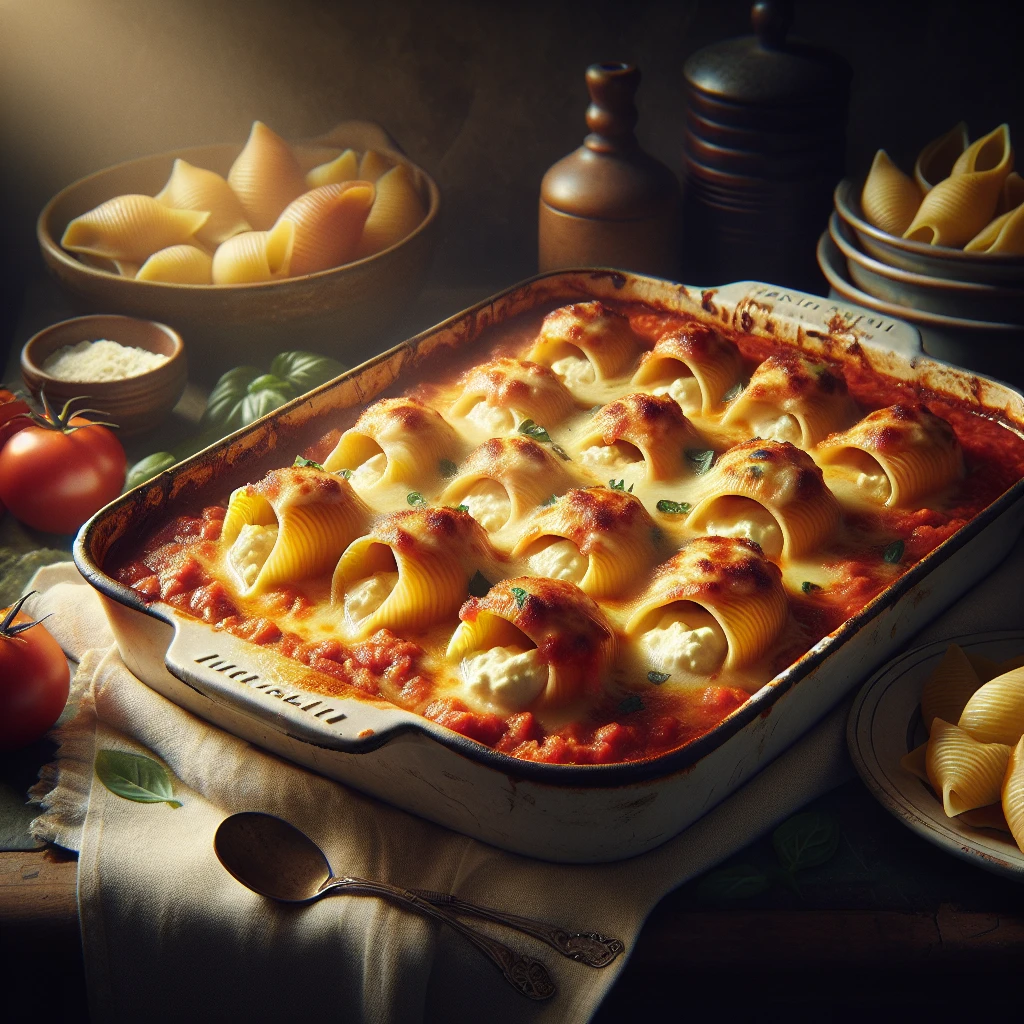
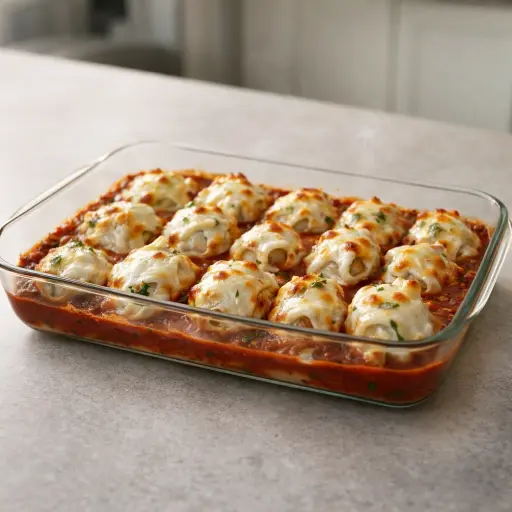
If you’re on the hunt for a comforting, delicious dish that feels like a warm hug, look no further than traditional stuffed shells. This classic Italian-American recipe is perfect for family dinners or casual get-togethers. With creamy cheese, savory marinara, and perfectly baked pasta shells, it’s a dish that’s hard to resist.
 Share
Share
This post may contain affiliate links. As an Amazon Associate, we earn from qualifying purchases.
Ingredients for Traditional Stuffed Shells
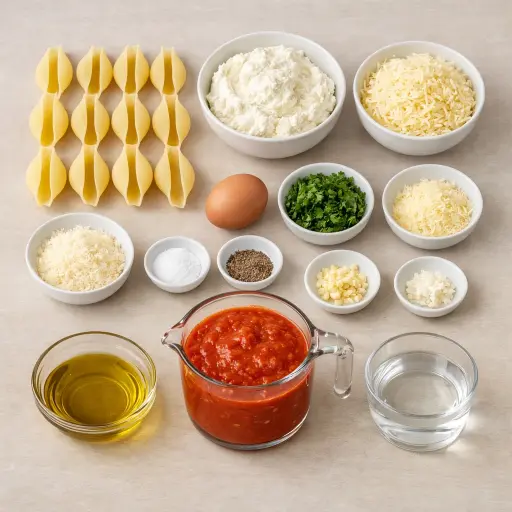
Jumbo pasta shells are the perfect vessels for holding a generous amount of cheesy filling. Cook them just until al dente to keep them sturdy. Ricotta cheese gives the filling its creamy texture, while mozzarella cheese adds that gooey, melty goodness. Parmesan cheese brings in a nutty, salty kick that balances the flavors. Egg helps bind the filling together, ensuring it stays put inside the shells. Parsley adds a fresh, herby note that brightens the dish. Salt and black pepper are essential for seasoning and enhancing all the flavors.
The marinara sauce serves as the flavorful tomato base, complemented by the aromatic garlic that infuses the sauce with depth. A splash of olive oil helps sauté the garlic to perfection. Finally, basil adds a fragrant, sweet aroma that ties everything together.
Why This Traditional Stuffed Shells Works
During baking, the stuffed shells act like little cups that hold the cheese mixture in place. The pasta is cooked only to al dente, so it stays firm enough to keep its shape while the egg in the ricotta mixture slowly sets in the oven. As the egg cooks, the ricotta, mozzarella, and Parmesan go from loose and creamy to a soft, sliceable filling that doesn’t run out of the shells.
In the pan, the marinara sauce thins slightly with the water, then thickens again as it simmers and later bakes. Some of that sauce soaks into the outside of the shells, so the pasta softens more without drying out. Covered baking keeps the moisture trapped, so the shells steam gently and the cheese melts instead of burning. Once the foil comes off, the top mozzarella finishes melting and starts to bubble, so the top is stretchy and a little browned while the inside stays creamy and moist. Letting the dish sit at the end gives the cheese time to settle, so the shells hold together when served.
Traditional Stuffed Shells Tips & Tricks
- For extra flavor, add a pinch of red pepper flakes to the sauce for a subtle kick.
- Make sure the pasta shells are cool enough to handle before filling, to avoid burning your fingers.
- If you’re freezing, assemble the dish without baking, cover tightly, and freeze. Bake directly from frozen, adding an extra 10-15 minutes to the cooking time.
Mistakes To Avoid
Boiling the shells until they are very soft instead of just al dente makes them tear when filled. Once they rip, the filling leaks out into the pan, and the shells collapse and turn mushy instead of holding a nice pocket of cheese.
Skipping the water in the sauce or using very thick marinara keeps the sauce from loosening in the oven. The shells then don’t absorb enough moisture, so the pasta edges dry out and turn hard and chewy instead of tender.
Stuffing the shells while they are still hot from the pot causes the cheese mixture to warm up and loosen. As it heats too early, it can run out of the shells in the oven, leaving empty shells and a clumpy layer of cheese in the sauce.
Leaving the dish uncovered for the whole bake lets too much moisture escape. The top cheese can brown before the centers heat through, so the shells dry out on the surface while the filling in the middle stays a bit cool and firm.
Equipment Used:
Ingredients
- 20 jumbo pasta shells
- 15 oz ricotta cheese
- 1 cup grated mozzarella cheese
- 1/2 cup grated Parmesan cheese
- 1 egg
- 1 tbsp chopped fresh parsley
- 1/2 tsp salt
- 1/4 tsp black pepper
- 2 cups marinara sauce
- 1 clove garlic, minced
- 1 tbsp olive oil
- 1/4 cup chopped fresh basil
- 1/4 cup water
Step-by-step Instructions
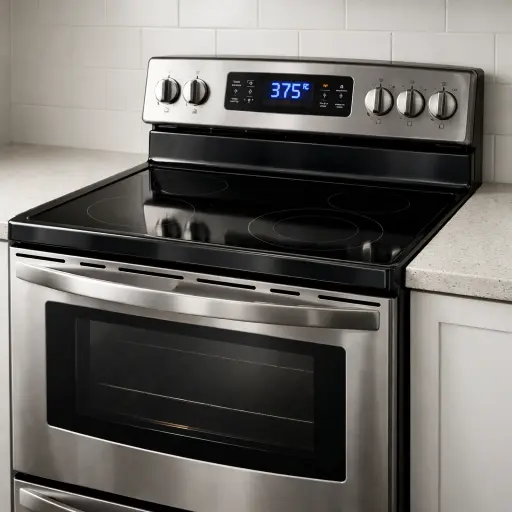
- 1. Preheat the oven to 375°F (190°C).
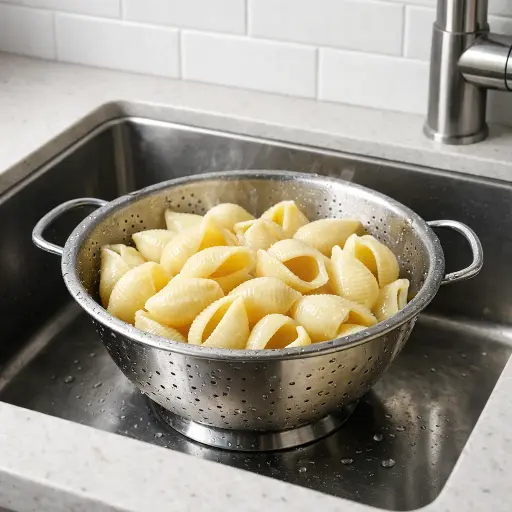
- 2. Cook the jumbo pasta shells according to package instructions until al dente. Drain and set aside.
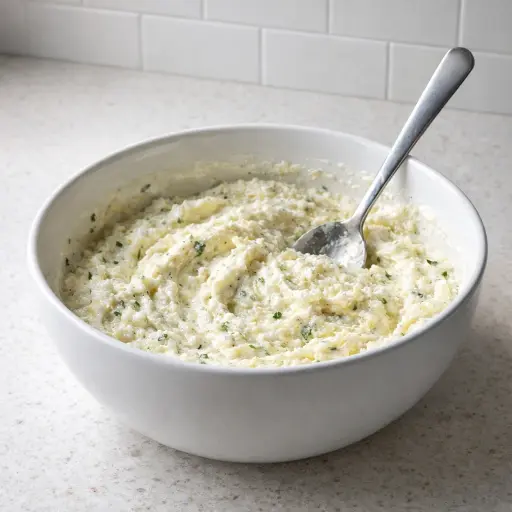
- 3. In a large bowl, mix together ricotta cheese, 1/2 cup mozzarella cheese, Parmesan cheese, egg, parsley, salt, and pepper until well combined.
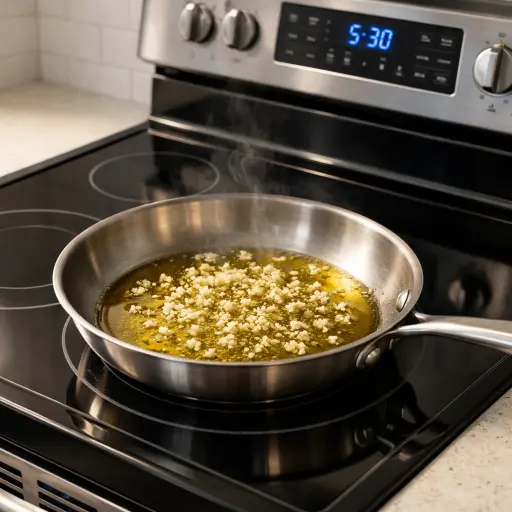
- 4. In a skillet, heat olive oil over medium heat. Add minced garlic and cook until fragrant, about 1 minute.
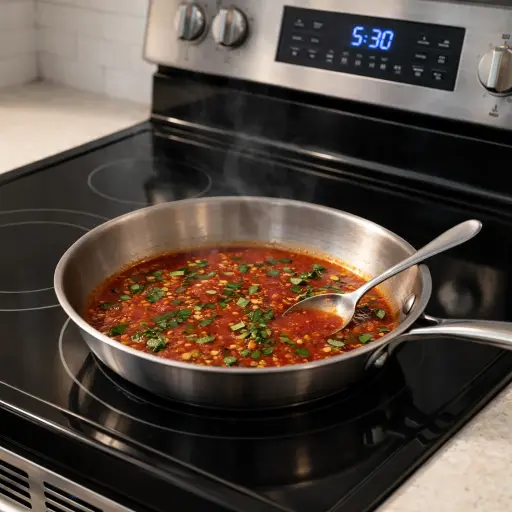
- 5. Stir in the marinara sauce and water, and simmer for 5 minutes. Add chopped basil and remove from heat.
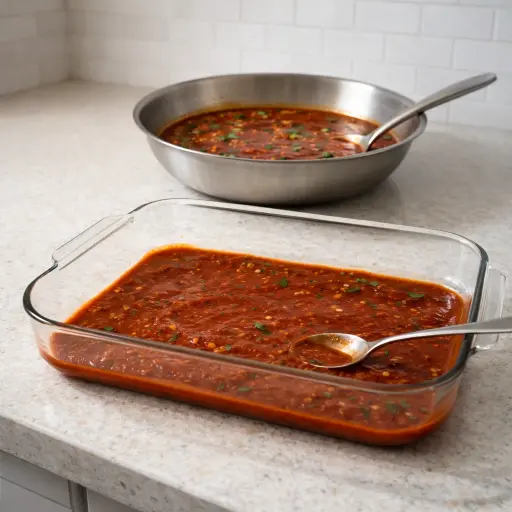
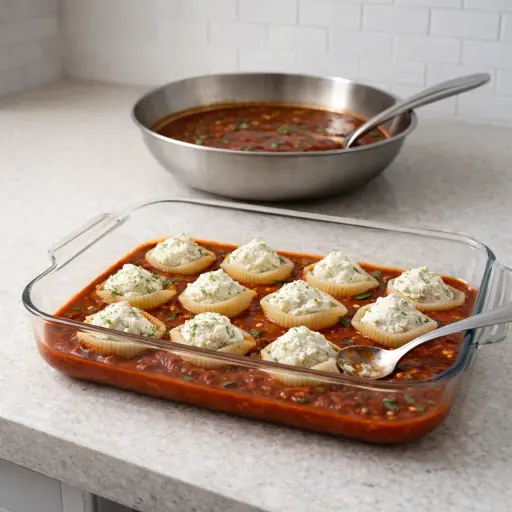
- 6. Spread half of the sauce in the bottom of a 9x13 inch baking dish.
- 7. Fill each pasta shell with a generous spoonful of the cheese mixture and place in the prepared baking dish, open side up.
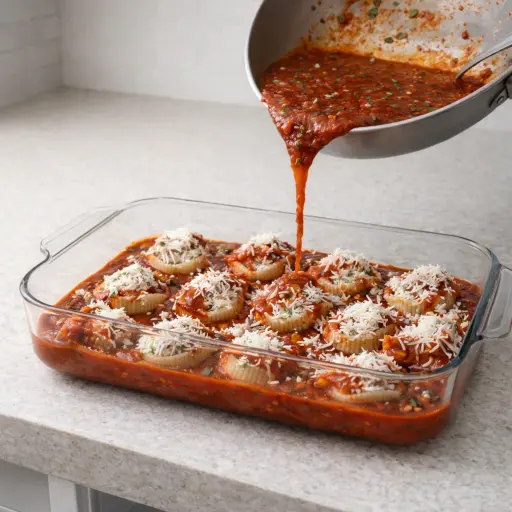
- 8. Pour the remaining sauce over the stuffed shells and sprinkle with the remaining mozzarella cheese.
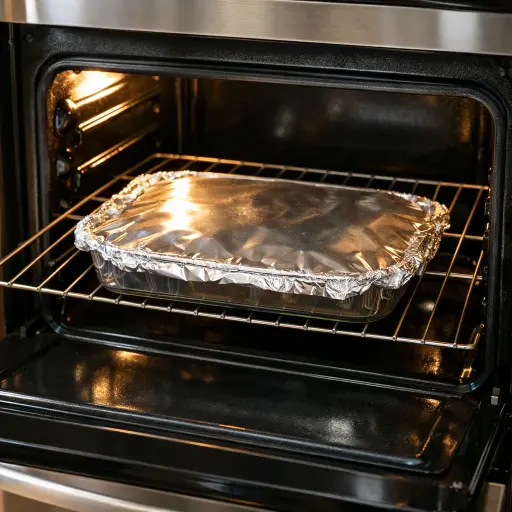
- 9. Cover the dish with foil and bake in the preheated oven for 25 minutes.
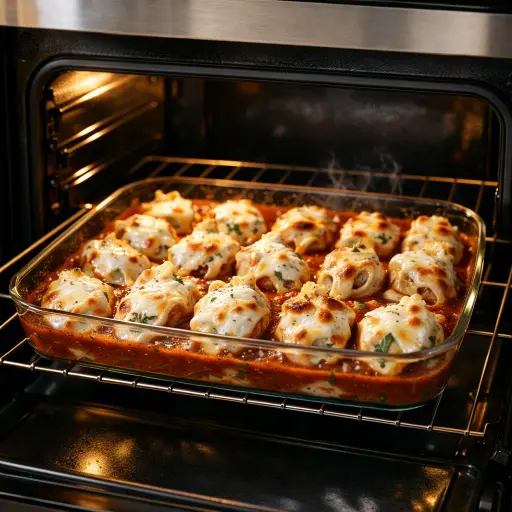
- 10. Remove the foil and bake for an additional 10 minutes, or until the cheese is melted and bubbly.
- 11. Let stand for 5 minutes before serving.
Trending Now
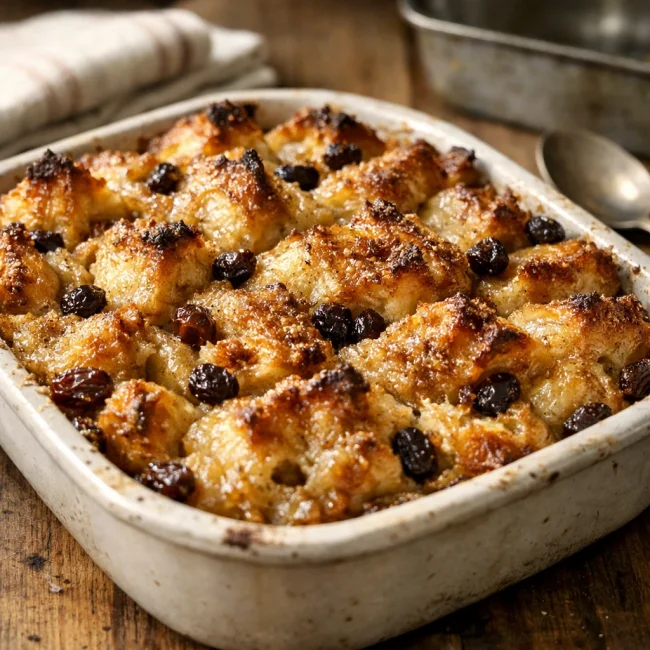
Old-Fashioned Bread Pudding
Discover the classic charm of Old-Fashioned Bread Pudding - a timeless dessert com...
View Recipe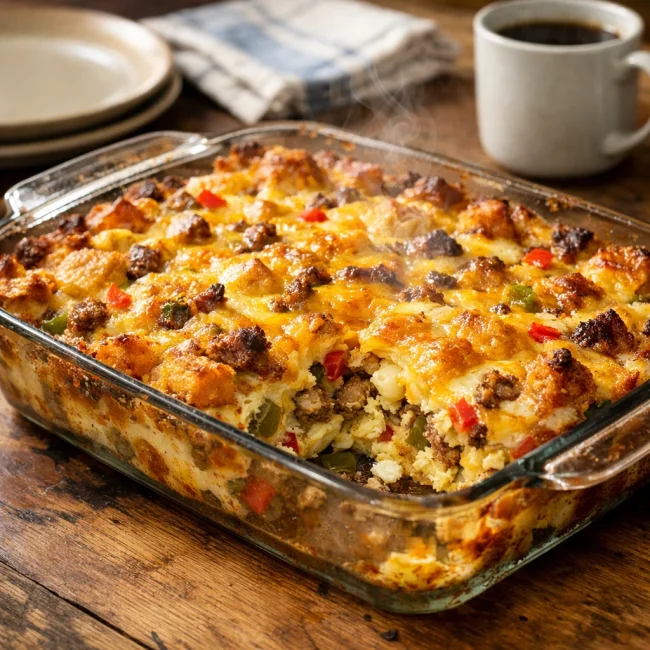
Hearty Breakfast Casserole
This Hearty Breakfast Casserole is the quintessential morning dish, combining savo...
View Recipe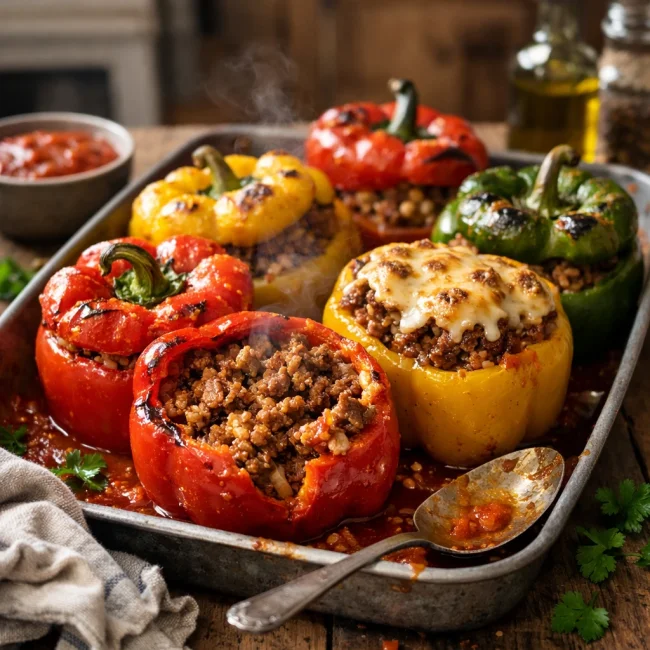
Traditional Stuffed Peppers
Explore the delightful blend of seasoned beef, rice, and tomato sauce nestled in v...
View Recipe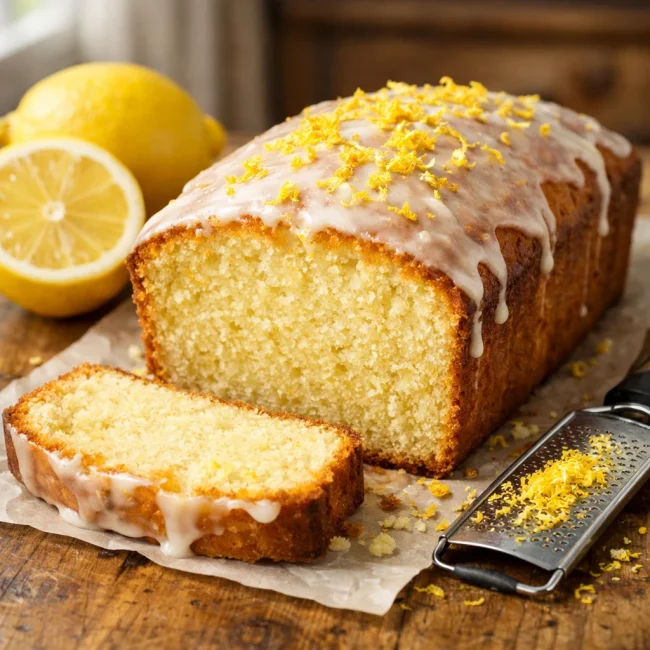
Traditional Lemon Pound Cake
A delightful and moist traditional lemon pound cake infused with the fresh zest an...
View RecipeFrequently Asked Questions
- Can I use store-bought marinara sauce?
- Absolutely, store-bought marinara works perfectly and saves time.
- Can I add meat to the filling?
- Yes, cooked and crumbled Italian sausage or ground beef can be added for a heartier dish.
- What if I don’t have fresh basil?
- Dried basil can be used instead, but reduce the amount to 1 tablespoon.
Serving Ideas for Traditional Stuffed Shells
Pair these stuffed shells with a crisp green salad tossed in a light vinaigrette to balance the richness of the dish. A side of garlic bread would also complement the flavors beautifully. For a complete meal, consider serving with a glass of Chianti or your favorite red wine.
More Pasta Recipes
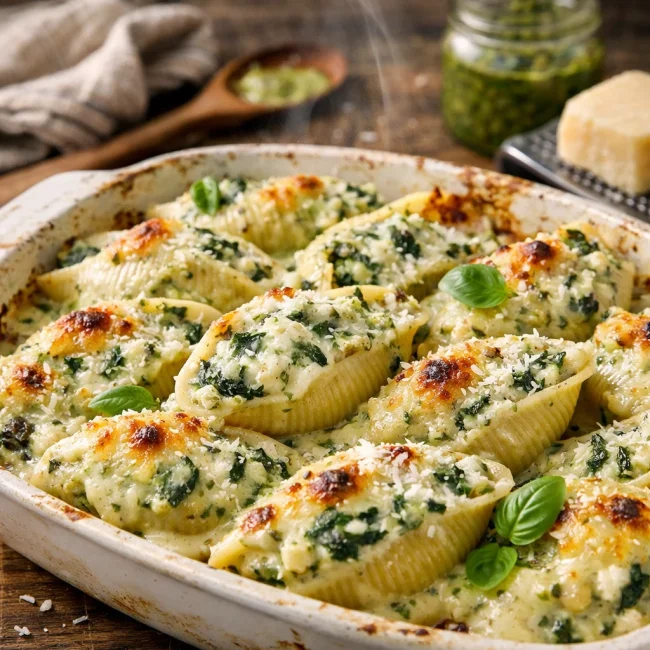
Spinach and Ricotta Stuffed Shells with Pesto Alfredo
Try this delicious twist on classic stuffed shells with a creamy pesto Alfredo sau...
View Recipe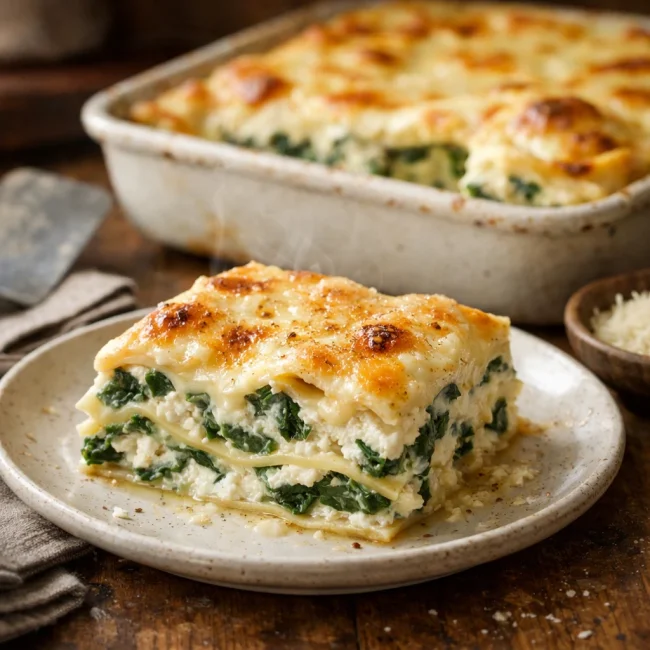
Spinach and Ricotta White Lasagna
A unique twist on the classic lasagna, this white lasagna combines creamy ricotta,...
View Recipe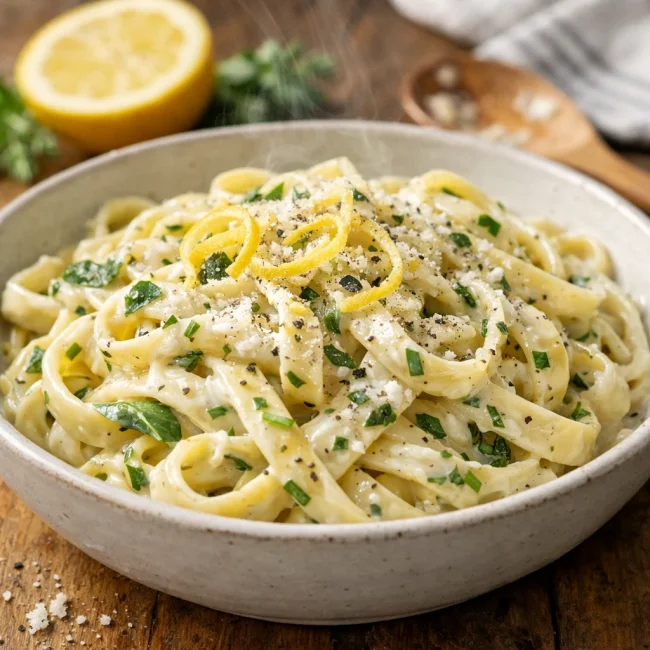
Lemon Herb Fettuccine Alfredo
Lemon Herb Fettuccine Alfredo is a refreshing twist on the classic dish, combining...
View Recipe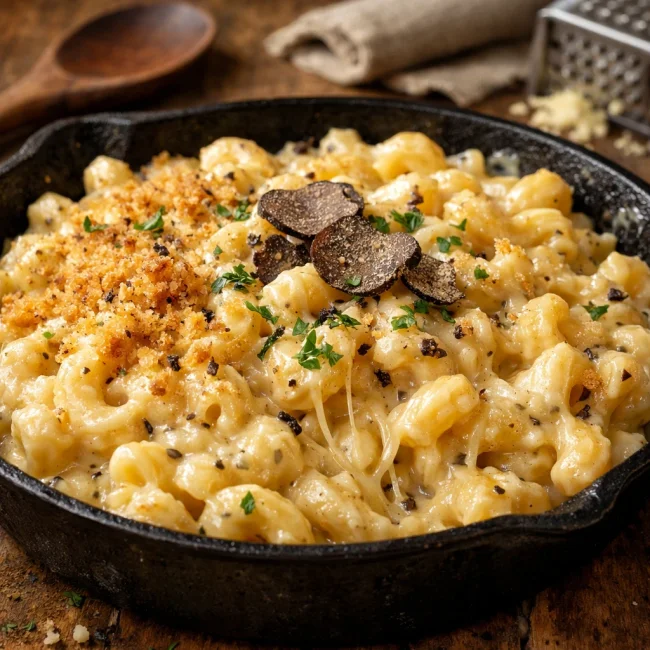
Truffle Mac and Cheese
Experience the ultimate comfort food with a gourmet twist in this Truffle Mac and ...
View Recipe