
Traditional Southern Biscuits
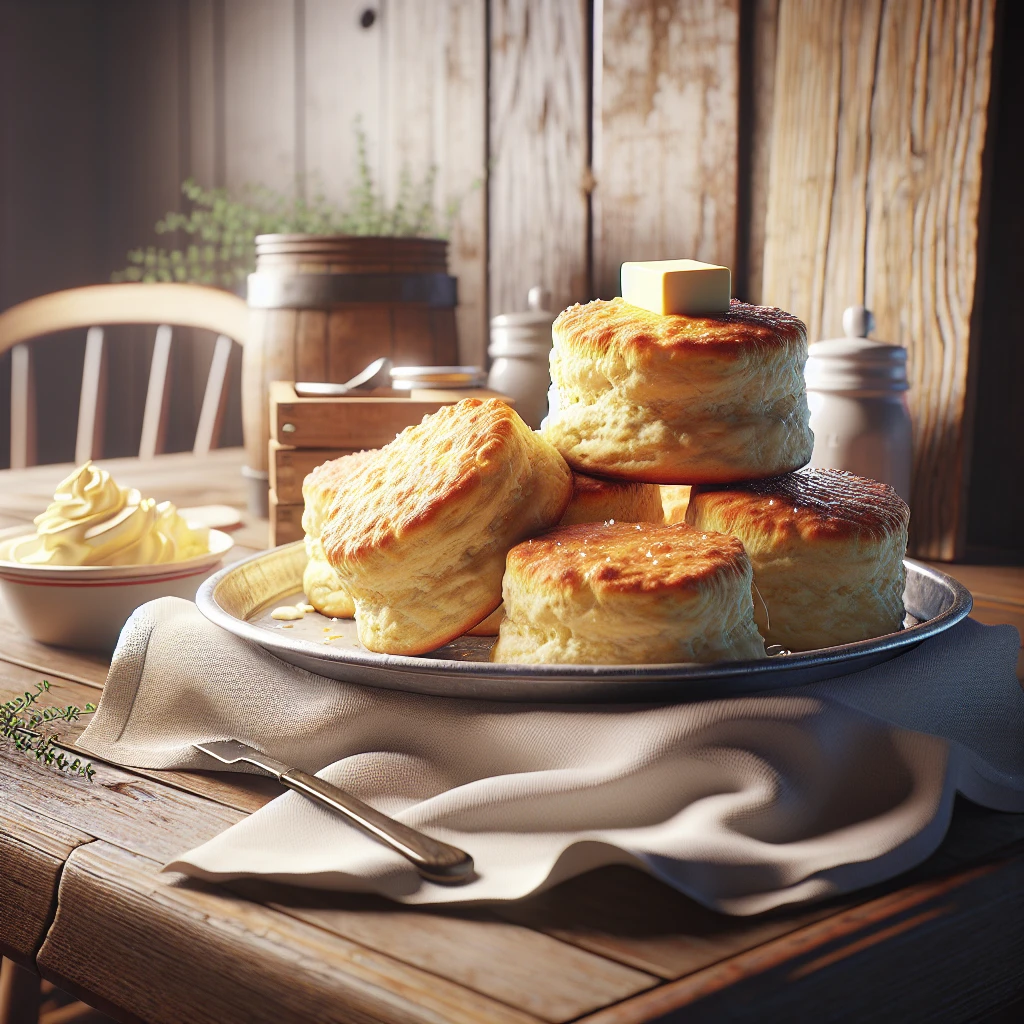
There's just something about homemade biscuits that fills the kitchen with warmth and nostalgia. This traditional Southern biscuit recipe is a simple yet satisfying way to create those buttery, flaky layers that everyone loves. Plus, you don't need to be an expert baker to make these little beauties!
 Share
Share
This post may contain affiliate links. As an Amazon Associate, we earn from qualifying purchases.
Ingredients for Traditional Southern Biscuits
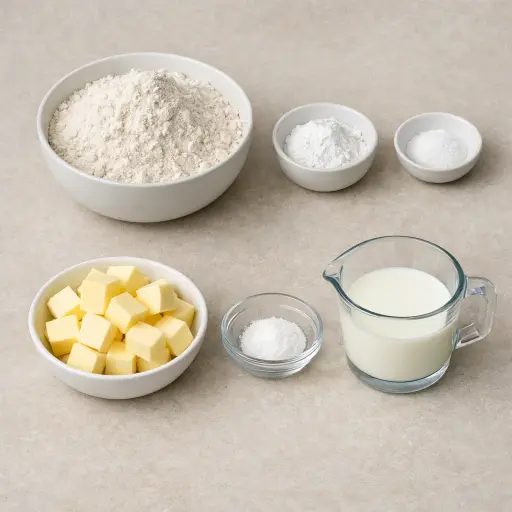
Flour is the foundation of our biscuits, lending structure and a soft crumb. We're using all-purpose flour for its versatility. Baking powder gives the biscuits their rise, creating those delightful layers. Make sure it's fresh for the best results. A pinch of salt enhances the flavor, balancing the richness of the butter. Speaking of which, unsalted butter is the star here — it adds flavor and moisture. Keep it cold so you can work it into the flour without melting. Finally, whole milk brings the dough together, adding a touch of richness.
Why This Traditional Southern Biscuits Works
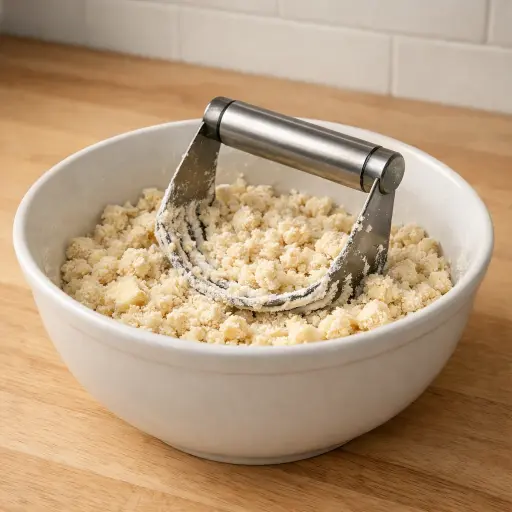
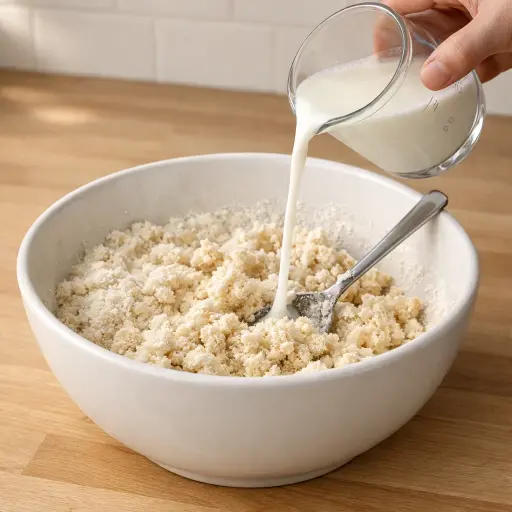
Cold butter is doing most of the work here. When the butter is cut into the flour, little chunks of butter stay whole instead of melting in. The flour coats those pieces, so the dough looks crumbly at first. Once the milk goes in, the flour soaks it up and starts to stick together, but those butter bits are still there, hiding in the dough.
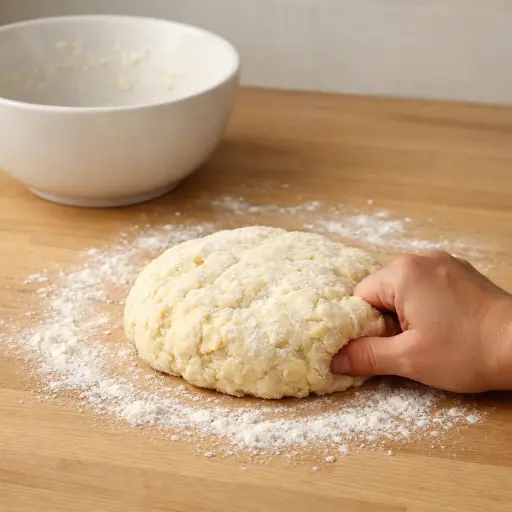
On the counter, gentle kneading smooths the dough just enough so it holds together without smashing all the butter. In the hot oven, those cold butter pieces finally melt. As they melt, they leave tiny gaps and pockets where steam can puff up the dough. That’s what makes the biscuits rise and stay light instead of dense.
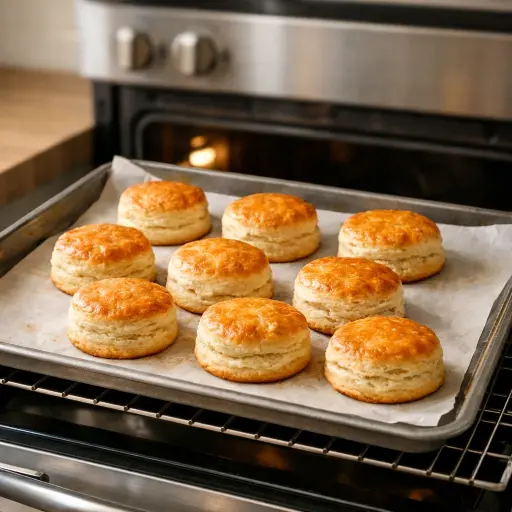
While the biscuits bake, the outside dries and browns, so the tops get golden and a little crisp. Inside, the milk and melted butter keep the center soft and tender, so the biscuits stay fluffy instead of tough.
Traditional Southern Biscuits Tips & Tricks
- For extra flaky biscuits, fold the dough over itself a few times before rolling it out.
- Keep your ingredients cold until you're ready to use them to prevent the butter from melting too soon.
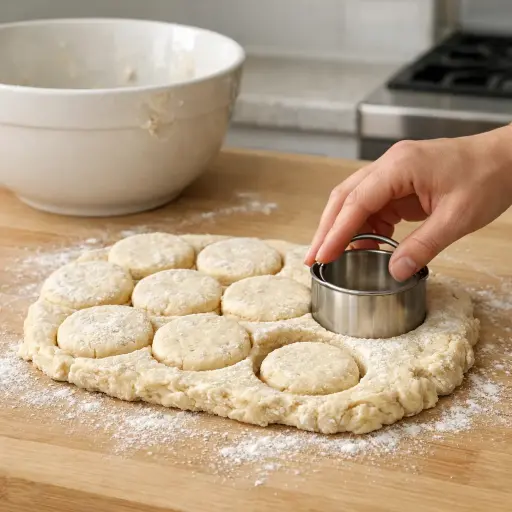
- If you don’t have a biscuit cutter, a floured drinking glass will work in a pinch.
- Brushing the tops with melted butter before baking adds a little extra richness.
Mistakes To Avoid
Letting the butter warm up too much before it goes into the flour makes the dough greasy instead of crumbly. In the oven, those soft bits of fat melt out too fast, so the biscuits spread, stay low, and bake up flat and a bit tough instead of tall and flaky.
Overworking the dough after the milk goes in often leads to heavy biscuits. All that extra kneading tightens the dough and smears the butter into the flour, so instead of separate layers, the biscuits bake up dense and bread-like.
Rolling the dough too thin means the biscuits don’t have enough height to rise properly. In the oven they cook through quickly, but they stay small and firm, with more crust than soft middle.
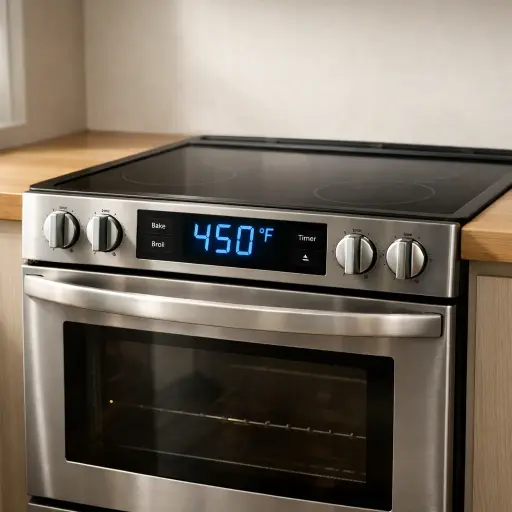
Starting with a cooler oven than 450°F keeps the biscuits from getting that quick burst of lift. The fat melts before the structure sets, so they spread outward instead of rising, and the texture ends up a bit pale and bready.
Equipment Used:
Ingredients
- 2 cups all-purpose flour
- 1 tablespoon baking powder
- 1/2 teaspoon salt
- 1/2 cup unsalted butter, cold and cubed
- 3/4 cup whole milk
Step-by-step Instructions
- 1. Preheat your oven to 450°F.
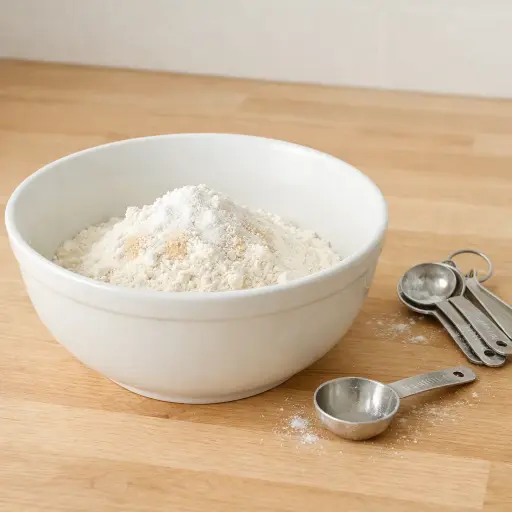
- 2. In a large mixing bowl, combine the flour, baking powder, and salt.
- 3. Add the cubed butter and cut it into the dry ingredients using a pastry cutter or your fingers until the mixture resembles coarse crumbs.
- 4. Gradually add the milk, stirring until the dough comes together.
- 5. Turn the dough out onto a floured surface and knead gently until smooth.
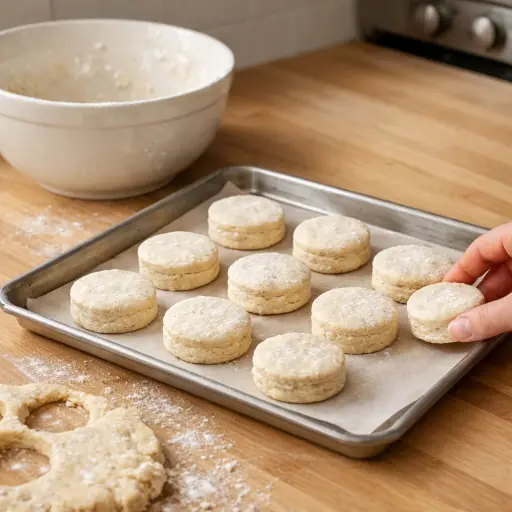
- 6. Roll out the dough to about 1/2 inch thick and use a biscuit cutter to cut out rounds.
- 7. Place the biscuits onto a baking sheet lined with parchment paper.
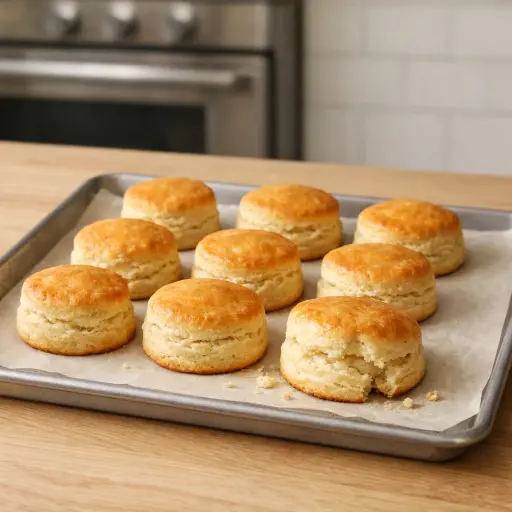
- 8. Bake for 10-12 minutes or until the tops are golden brown.
- 9. Remove from oven and serve warm.
Trending Now

Classic Cucumber Salad
A refreshing and light cucumber salad featuring crisp cucumbers and a tangy vinaig...
View Recipe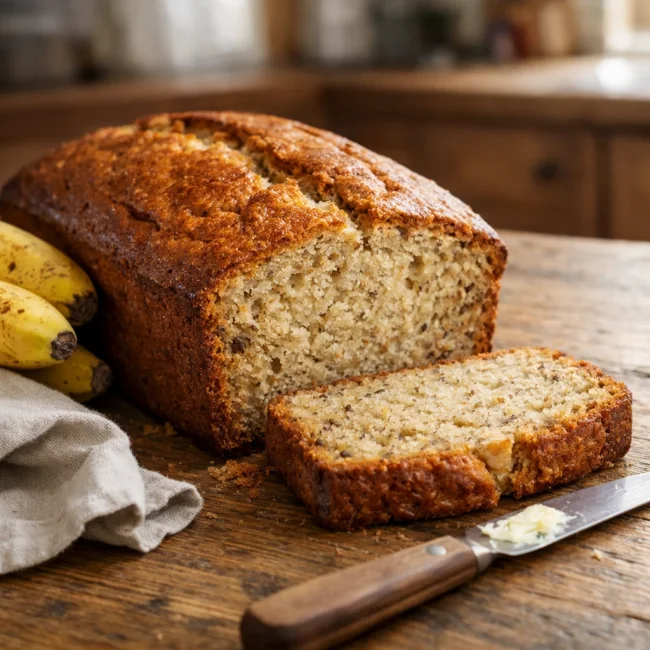
Classic Banana Bread
Classic Banana Bread is a timeless dessert beloved for its moist texture and sweet...
View Recipe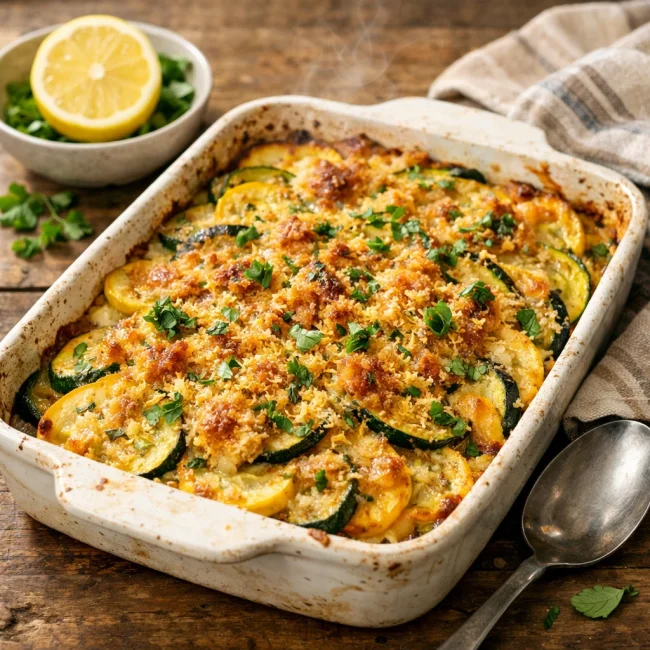
Zesty Summer Squash Casserole
This delightful summer squash casserole combines vibrant garden-fresh vegetables w...
View Recipe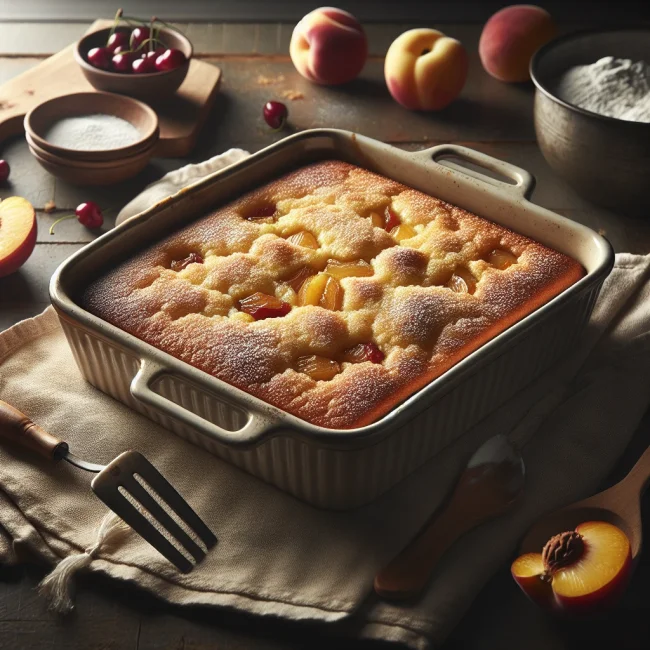
Traditional Dump Cake
Discover the timeless delight of the Traditional Dump Cake, a simple and scrumptio...
View RecipeFrequently Asked Questions
- Can I use self-rising flour instead?
- Yes, but omit the baking powder and salt if you do.
- What if I don't have whole milk?
- Feel free to substitute with 2% milk or even buttermilk for a tangy twist.
- How do I store leftovers?
- Store any leftovers in an airtight container at room temperature for up to 2 days, or freeze for up to a month.
Serving Ideas for Traditional Southern Biscuits
These biscuits are perfect served alongside a hearty stew or a comforting bowl of soup. For breakfast, try them with scrambled eggs and bacon, or split them and fill with ham and cheese for a savory sandwich. If you're in the mood for something sweet, a smear of homemade jam or a drizzle of honey works wonders.
More Breads & Baked Goods Recipes

Traditional Italian Easter Bread
Savor the delightful taste of a classic Italian Easter bread, a sweet, soft, and s...
View Recipe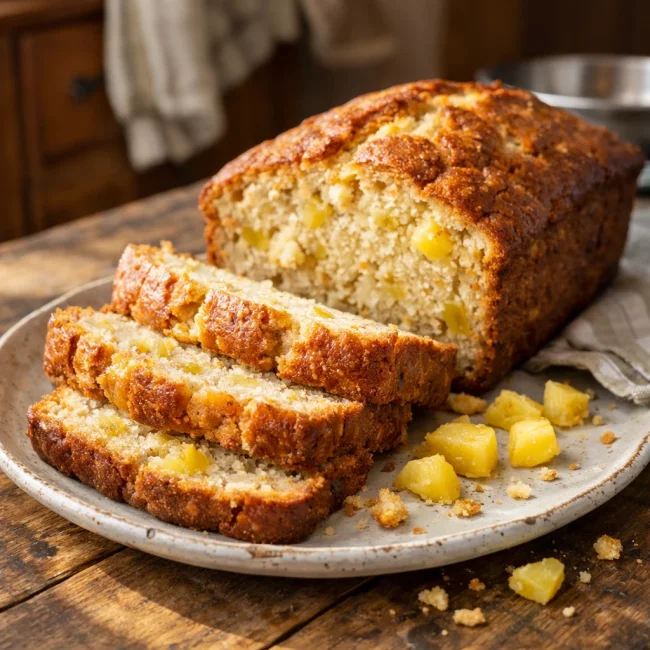
Old-Fashioned Pineapple Bread
A delightful and flavorful bread infused with juicy pineapple, perfect for breakfa...
View Recipe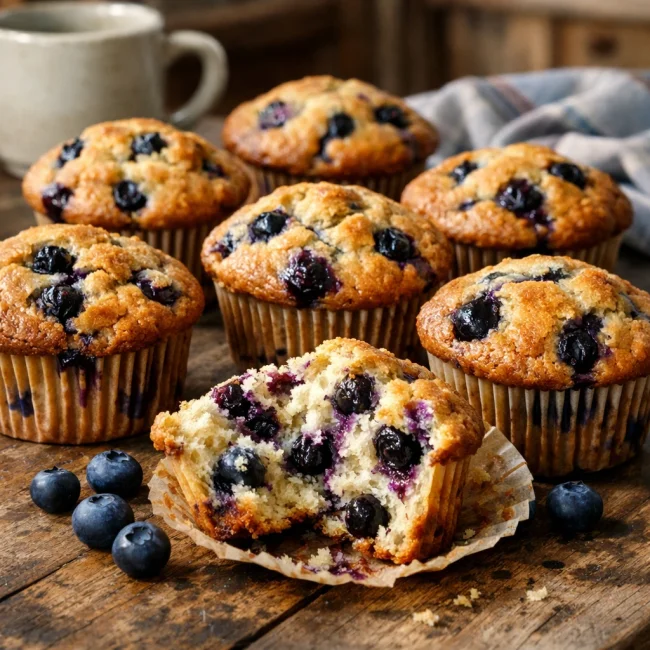
Old-Fashioned Blueberry Muffins
Transport yourself to simpler times with these delightful old-fashioned blueberry ...
View Recipe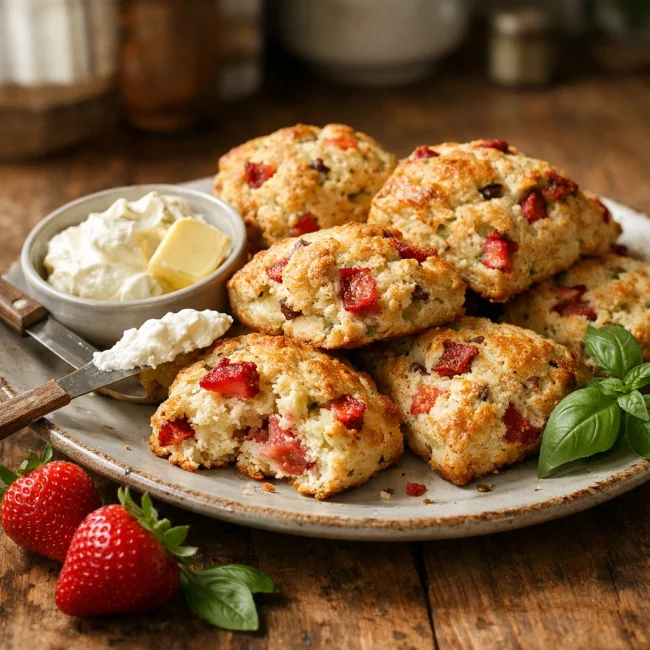
Strawberry Basil Scones
These tender scones combine the sweetness of fresh strawberries with a hint of pep...
View Recipe