
Traditional Sofrito
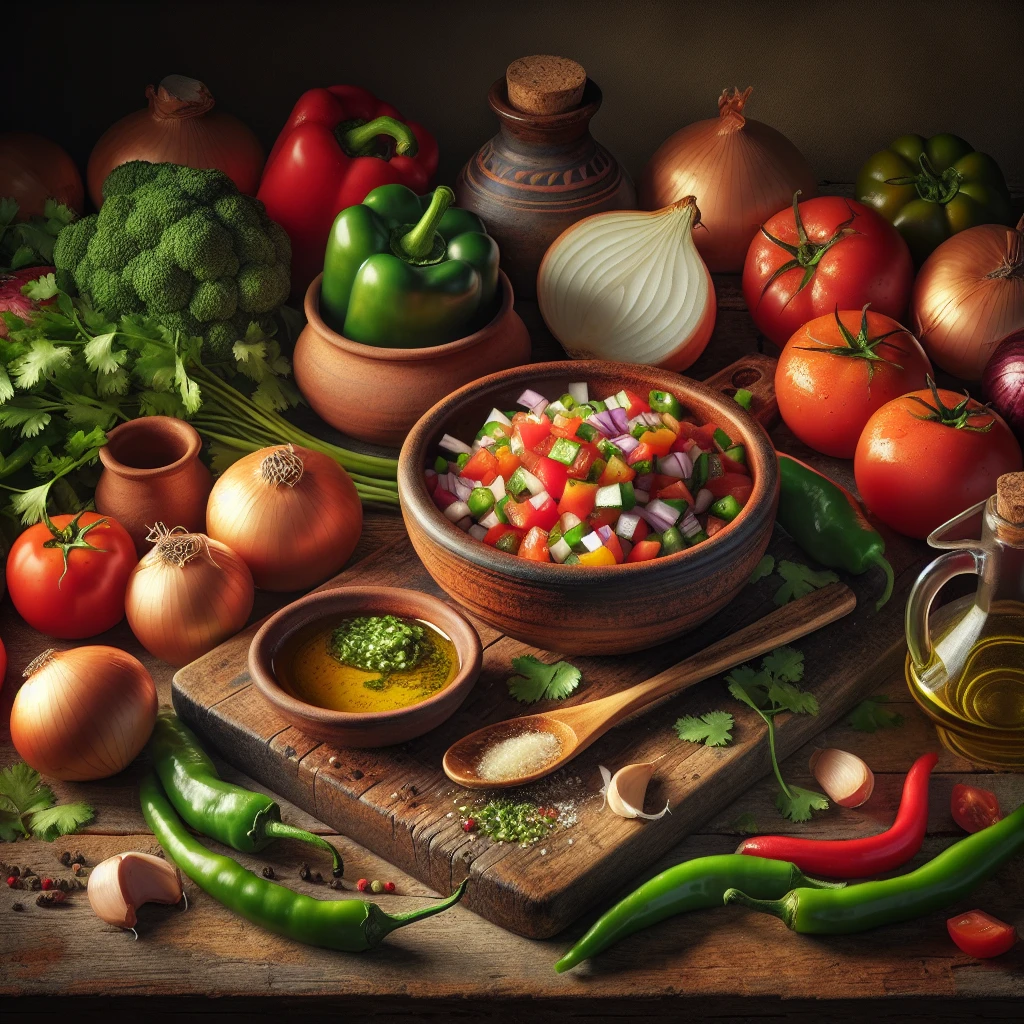
Sofrito is the aromatic foundation for countless Spanish and Latin American dishes, bringing depth and richness to your cooking. This traditional sofrito recipe is a versatile base that can elevate everything from soups to stews with its robust flavors.
 Share
Share
This post may contain affiliate links. As an Amazon Associate, we earn from qualifying purchases.
Ingredients for Traditional Sofrito
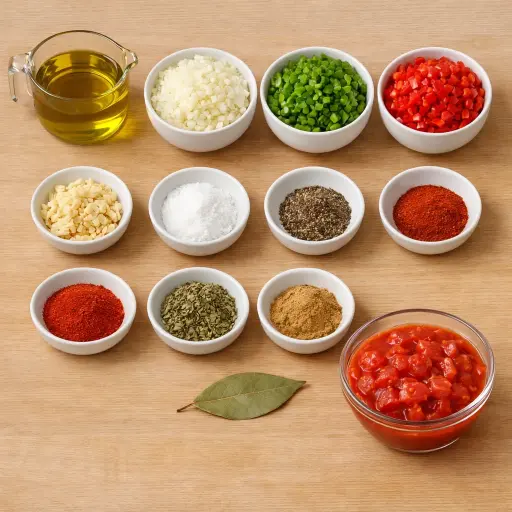
Olive oil is the base fat that helps to sauté our vegetables, imparting a rich flavor. Onions add sweetness and depth, while the green and red bell peppers contribute a subtle sweetness and vibrant color to the mix. Garlic is a must for its aromatic intensity. The salt and black pepper are simple yet essential seasonings that enhance the natural flavors. Paprika brings a smoky warmth, oregano adds herbal notes, and cumin provides a touch of earthiness. The bay leaf infuses the sofrito with subtle complexity, while the canned tomatoes lend acidity and a slight sweetness.
Why This Traditional Sofrito Works
As the olive oil heats up, it coats the onions and peppers so they can slowly soften instead of burning. After a few minutes, the onions start to brown a little and lose their sharp bite, so they taste sweeter and milder. The peppers relax and give up some of their liquid, which mixes into the oil and starts to form the base of the sofrito.
Once the garlic and spices go in, the warm oil carries their taste through the whole pan. Nothing is rushed here. With steady heat, the vegetables keep softening, and the spices settle into them instead of sitting on top. When the tomatoes are added, their juices thin everything out at first. Over time, as the sofrito simmers uncovered, extra water cooks off. The mix slowly thickens, the tomato pieces break down, and the onions and peppers almost melt into the sauce. By the end, everything is soft, glossy, and holds together as one smooth base that can go into lots of different dishes.
Traditional Sofrito Tips & Tricks
- For a smoother texture, blend the sofrito once it's cooled down.
- Freeze in ice cube trays for handy single-use portions.
- Experiment with different peppers to tweak the flavor profile.
Mistakes To Avoid
Starting the onions on high heat can scorch them on the edges while the centers stay hard. Once they burn, that bitter, dark taste spreads through the oil and the whole sofrito ends up harsh instead of gently sweet and soft.
Adding the peppers before the onions soften leaves the onions undercooked. The peppers release water, the pan cools down, and the onions end up steaming instead of sautéing, so the base stays pale and watery instead of turning rich and jammy.
Throwing in the garlic too early lets it sit in hot oil for too long. Garlic burns fast, turning dry and brown, and those tiny burnt bits spread through the sofrito and make every bite taste sharp and unpleasant.
Skipping the uncovered simmer at the end keeps the tomatoes from reducing. The mixture stays thin and loose, with pieces floating in liquid, so it doesn’t cling well to other foods and feels more like a chunky broth than a thick cooking base.
Using very little oil makes everything catch on the pan. The vegetables dry out instead of softening, stick to the bottom, and brown unevenly, so the sofrito turns patchy and slightly burnt instead of smooth and glossy.
Equipment Used:
Ingredients
- 1/2 cup olive oil
- 2 large onions, finely chopped
- 2 green bell peppers, finely chopped
- 2 red bell peppers, finely chopped
- 4 cloves garlic, minced
- 1 teaspoon salt
- 1/2 teaspoon black pepper
- 2 teaspoons paprika
- 1 teaspoon dried oregano
- 1/2 teaspoon ground cumin
- 1 bay leaf
- 1 cup canned tomatoes, chopped
Step-by-step Instructions
- 1. In a large skillet, heat olive oil over medium heat.
- 2. Add the onions and sauté until golden brown, about 5 minutes.
- 3. Stir in the green and red bell peppers, cooking until they soften, approximately 8 minutes.
- 4. Add minced garlic and cook for another 2 minutes, stirring frequently.
- 5. Season with salt, black pepper, paprika, oregano, and cumin, mixing well to combine.
- 6. Add the bay leaf and chopped tomatoes, bringing the mixture to a simmer.
- 7. Cook uncovered for 20 minutes, allowing flavors to meld and sauce to thicken.
- 8. Remove the bay leaf before serving or storing.
Trending Now

Old-Fashioned Bread Pudding
Discover the classic charm of Old-Fashioned Bread Pudding - a timeless dessert com...
View Recipe
Hearty Breakfast Casserole
This Hearty Breakfast Casserole is the quintessential morning dish, combining savo...
View Recipe
Traditional Stuffed Peppers
Explore the delightful blend of seasoned beef, rice, and tomato sauce nestled in v...
View Recipe
Traditional Lemon Pound Cake
A delightful and moist traditional lemon pound cake infused with the fresh zest an...
View RecipeFrequently Asked Questions
- Can I use fresh tomatoes instead of canned?
- Yes, you can use fresh tomatoes. Just be sure to peel and chop them finely before adding.
- How long will sofrito keep in the fridge?
- It should last about a week in the refrigerator in an airtight container.
- Is there a way to make it spicier?
- Absolutely! Add a chopped jalapeño or a pinch of cayenne pepper for extra heat.
Serving Ideas for Traditional Sofrito
Use this sofrito as a base for paellas or mix it into rice for an instant flavor boost. It's fantastic in soups, stews, and as a starter sauce for pasta dishes. You can also spoon it over grilled chicken or fish for a quick and tasty topping.
More Side Dishes Recipes
Savory Sautéed Cabbage
This savory sautéed cabbage dish brings out the natural sweetness and crispness of...
View Recipe
Herbed Spaetzle with Garlic Butter
Discover the delightful twist on traditional German Spaetzle with this easy-to-mak...
View Recipe
Golden Crispy Brussels Sprouts
Delight in the golden perfection of these crispy Brussels sprouts, a delightful si...
View Recipe
Marjoram-Seasoned Roasted Vegetables
Marjoram-Seasoned Roasted Vegetables bring a delightful floral note to roasted zuc...
View Recipe