
Traditional Smoked Pork Shoulder
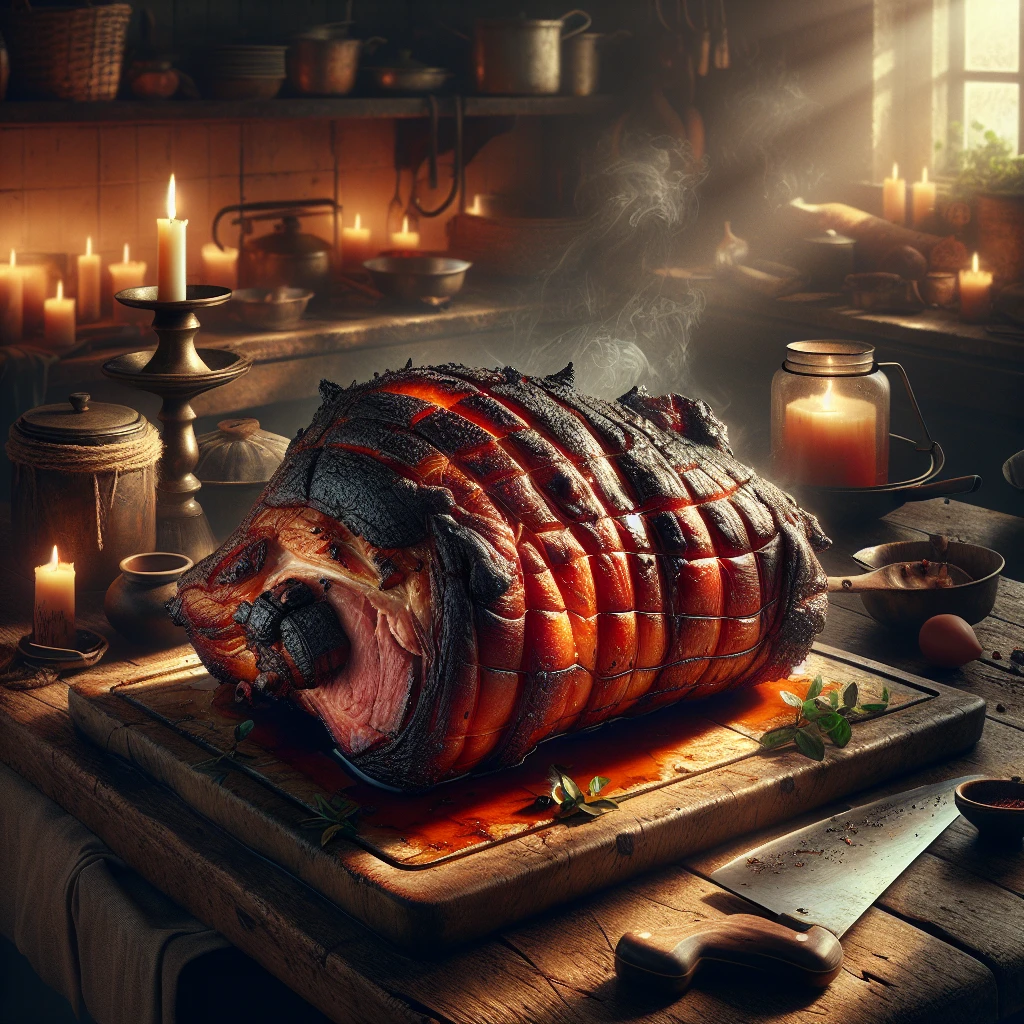
There's something truly special about a traditional smoked pork shoulder. This recipe brings out the rich, smoky flavors that make it a timeless favorite at barbecues and family gatherings. It's perfect for those who appreciate a deep, savory taste with a touch of sweetness and spice.
 Share
Share
This post may contain affiliate links. As an Amazon Associate, we earn from qualifying purchases.
Ingredients for Traditional Smoked Pork Shoulder
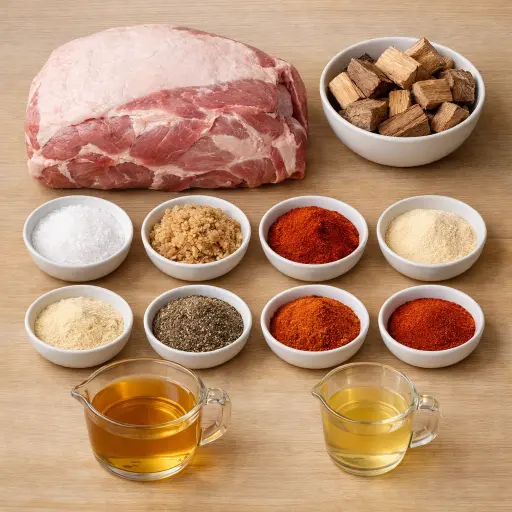
Pork shoulder: The star of the show, known for its rich taste and tender texture when slow-cooked. It holds up well to long smoking times.
Kosher salt: Essential for enhancing the natural flavors of the pork and aiding in moisture retention.
Brown sugar: Adds a hint of sweetness and helps in forming a caramelized crust on the pork.
Paprika: Contributes a mild, smoky flavor that complements the smoking process.
Onion and garlic powder: Provide depth and complexity to the rub, enhancing the meat's overall flavor profile.
Black pepper: Adds a subtle heat and sharpness, balancing the sweetness of the sugar.
Cayenne pepper: Offers a spicy kick, bringing a bit of excitement to each bite.
Hickory wood chunks: Known for their strong, smoky aroma, they impart a rich, distinctive flavor to the pork.
Apple cider vinegar and apple juice: These keep the meat moist and add a tangy sweetness that complements the pork beautifully.
Why This Traditional Smoked Pork Shoulder Works
At the start, the salt and sugar rub sit on the pork and pull some moisture to the surface. Over time, that salty liquid soaks back in, carrying the paprika, garlic, onion, and pepper deeper into the meat. While the shoulder slowly warms in the smoker, the outside dries a bit and the sugar and spices stick and darken, so a crust forms that holds in a lot of the juices.
During the long smoke at 225°F, the tough parts of the shoulder start to break down. All the connective tissue that feels chewy at first slowly melts and turns into gelatin, so the meat becomes soft and easy to pull apart. With the fat side facing up, melted fat slowly runs down through the meat instead of straight out, so it stays moist. The apple cider vinegar and apple juice spritz keep the surface from drying out too much and cool it slightly, so the outside doesn’t harden before the inside is tender.
Once it comes off the smoker and rests, the hot juices settle back into the meat instead of running out on the cutting board, so every bite stays juicy when it is shredded.
Traditional Smoked Pork Shoulder Tips & Tricks
- Use a meat thermometer to accurately gauge when your pork is done.
- Let the pork shoulder sit with the rub overnight in the refrigerator for deeper flavor penetration.
- Wrap the pork in foil once it reaches 160°F to speed up the cooking process and retain moisture.
- Keep a spray bottle handy for easy spritzing with the apple mixture.
Mistakes To Avoid
Letting the smoker run hotter than 225°F makes the outside of the pork shoulder cook too fast while the inside lags behind. The bark turns hard and almost shell-like, but the inner meat stays tight and tough instead of loosening up. In the end, the shoulder looks done on the outside but doesn’t shred easily and has dry, stringy pieces around the edges.
Pulling the pork at the wrong internal temperature causes big texture problems. Taking it off much earlier than 195°F leaves the connective tissue still tight, so the meat has to be sliced and feels chewy instead of falling apart. Letting it go way past that can push out too much moisture, so the meat breaks into dry, crumbly bits instead of juicy shreds.
Skipping the rest after smoking means the juices inside don’t have time to settle back into the meat. Cutting or shredding right away lets the liquid run out onto the board. The pork then tastes fine but ends up noticeably drier and less tender in the final pile.
Equipment Used:
Ingredients
- 1 whole pork shoulder (8-10 lbs)
- 1/4 cup kosher salt
- 1/4 cup brown sugar
- 2 tbsp paprika
- 1 tbsp onion powder
- 1 tbsp garlic powder
- 1 tbsp black pepper
- 1 tsp cayenne pepper
- Hickory wood chunks for smoking
- 1 cup apple cider vinegar
- 1/2 cup apple juice
Step-by-step Instructions
- 1. Prepare the dry rub by mixing kosher salt, brown sugar, paprika, onion powder, garlic powder, black pepper, and cayenne pepper.
- 2. Pat the pork shoulder dry and generously apply the dry rub, ensuring it covers all sides.
- 3. Prepare your smoker to 225°F using hickory wood chunks for added flavor.
- 4. Place the pork shoulder on the smoker grates, fat side up, and close the lid.
- 5. Smoke the pork shoulder for approximately 1.5-2 hours per pound, maintaining a consistent temperature.
- 6. Periodically spritz the pork with a mixture of apple cider vinegar and apple juice to keep it moist.
- 7. Smoke until the internal temperature reaches 195°F, ensuring the meat is tender and pulls away easily.
- 8. Remove the pork from the smoker and let it rest for at least 30 minutes before shredding.
Trending Now

Traditional Stuffed Peppers
Explore the delightful blend of seasoned beef, rice, and tomato sauce nestled in v...
View Recipe
Traditional Lemon Pound Cake
A delightful and moist traditional lemon pound cake infused with the fresh zest an...
View Recipe
Old-Fashioned Bread Pudding
Discover the classic charm of Old-Fashioned Bread Pudding - a timeless dessert com...
View Recipe
Classic Sloppy Joes
Bring back childhood memories with these hearty and savory sloppy joes. Made with ...
View RecipeFrequently Asked Questions
- Can I use a different type of wood for smoking?
- Yes, you can experiment with different woods like apple or cherry for a milder flavor.
- How do I store leftovers?
- Store any leftovers in an airtight container in the refrigerator for up to 4 days or freeze for longer storage.
- What if I don't have a smoker?
- You can use a grill set up for indirect cooking with wood chips, or try an oven with liquid smoke for a similar effect.
Serving Ideas for Traditional Smoked Pork Shoulder
This smoked pork shoulder pairs wonderfully with classic coleslaw or a fresh potato salad. Serve alongside cornbread for a Southern-inspired meal. You can also pile it onto soft buns with a drizzle of your favorite barbecue sauce for a delicious pulled pork sandwich.
More Grilling & BBQ Recipes

Citrus Herb Grilled Salmon
Discover the burst of flavors in our Citrus Herb Grilled Salmon recipe. This delig...
View Recipe
Smoky Maple Bourbon Baby Back Ribs
Savor the taste of summer with our Smoky Maple Bourbon Baby Back Ribs recipe, infu...
View Recipe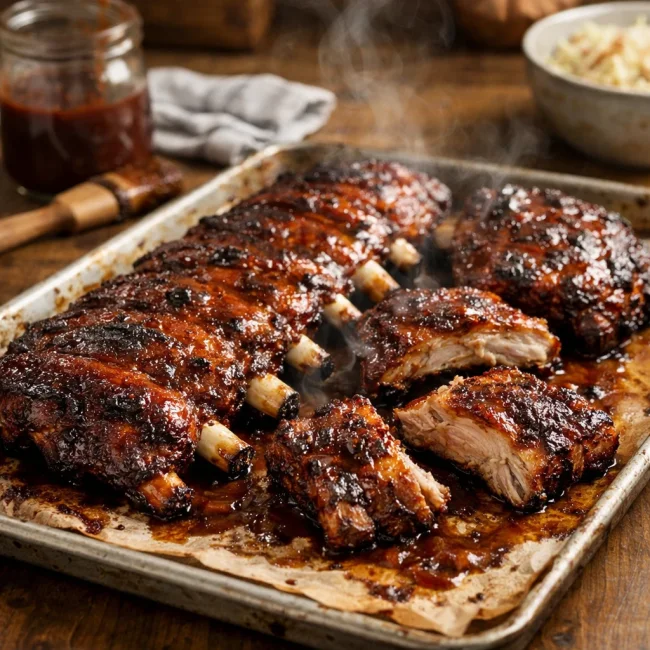
Oven-Baked BBQ Ribs
Enjoy tender ribs with a smoky BBQ sauce, slow-cooked in the oven for that fall-of...
View Recipe
Cilantro Mint Chimichurri
A zesty variation of the classic chimichurri, featuring vibrant cilantro and refre...
View Recipe