
Traditional Slow Roasted Pork Shoulder
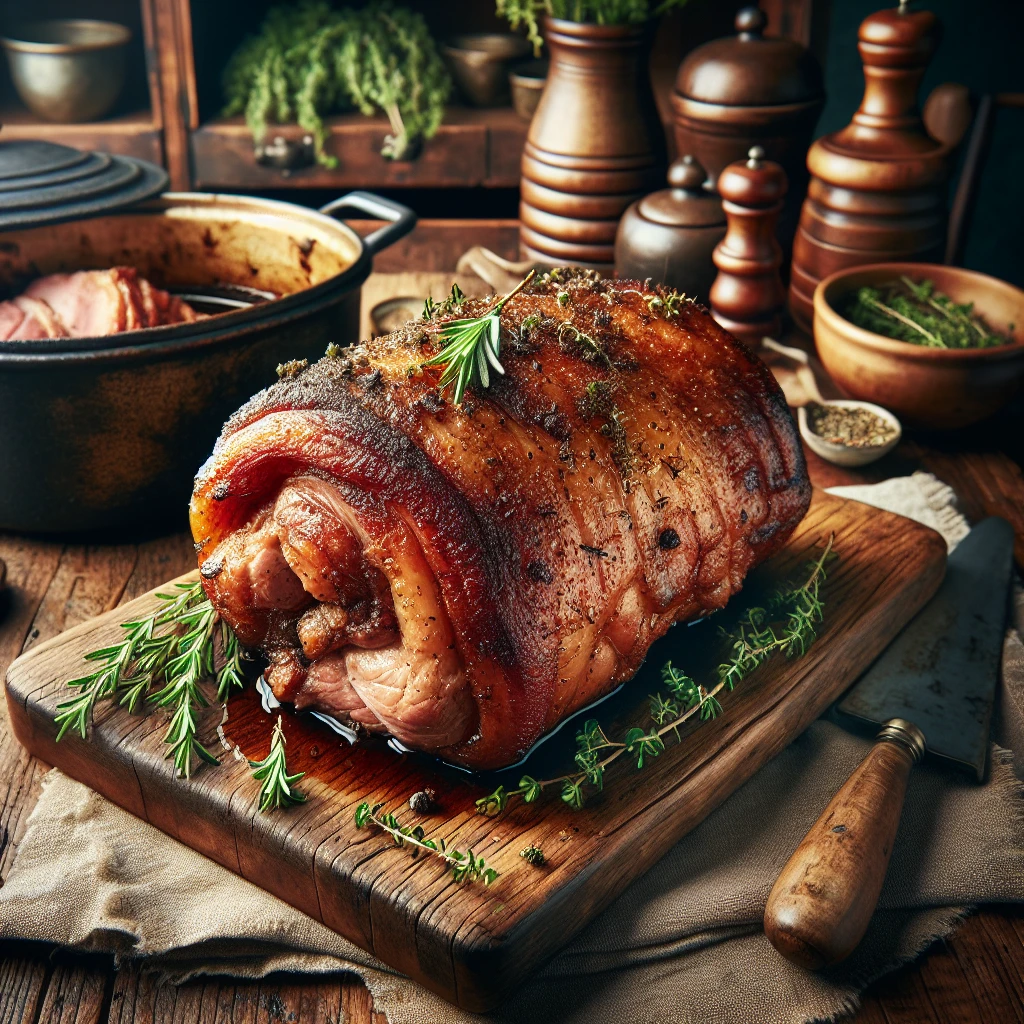
There's nothing quite like the smell of a slow-roasted pork shoulder wafting through your home. This recipe is all about simple ingredients and letting time do the hard work, resulting in tender, flavorful pork that's perfect for cozy gatherings or meal prepping for the week.
 Share
Share
This post may contain affiliate links. As an Amazon Associate, we earn from qualifying purchases.
Ingredients for Traditional Slow Roasted Pork Shoulder
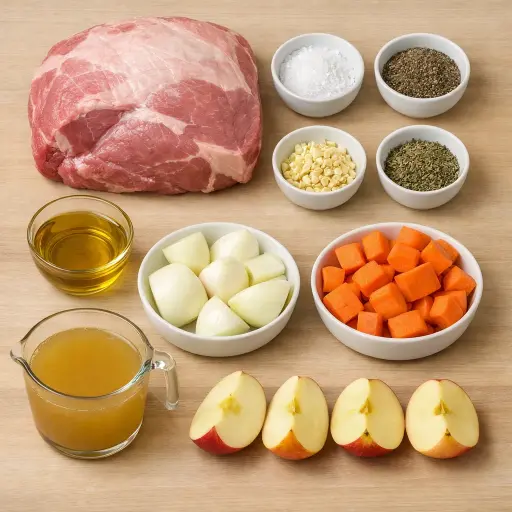
Pork shoulder: This cut is ideal for slow roasting due to its marbling, which turns into melt-in-your-mouth tenderness with low and slow cooking.
Kosher salt and black pepper: These basic seasonings enhance the natural flavors of the pork.
Olive oil: Used for searing the pork, which locks in flavor and gives a beautiful golden crust.
Garlic: Adds an aromatic depth to the dish. Minced garlic infuses the pork with subtle heat and earthiness.
Dried thyme and rosemary: These herbs provide a woodsy, aromatic element that complements the richness of the pork.
Chicken stock: Keeps the pork moist during roasting and contributes to a flavorful base for the dish.
Onions, carrots, and apple: The vegetables and apple add sweetness and balance out the savory flavors, while also providing a delicious side.
Why This Traditional Slow Roasted Pork Shoulder Works
At the start, the pork shoulder is a tough piece of meat with a lot of connective tissue running through it. Searing it in hot oil browns the outside, which gives a deeper, roasted taste later, but the real change happens in the long, slow time in the oven. With the oven set low and the pan covered, the pork cooks gently for hours. During that time, all those tough bits inside the meat slowly melt and loosen, so the shoulder goes from firm and chewy to soft and pull-apart tender.
While everything cooks, the chicken stock, onions, carrots, and apple give off moisture and mix together in the bottom of the pan. That steamy environment keeps the pork from drying out, even though it is in the oven for a long time. The fat on the pork slowly renders and soaks back into the meat, so each bite stays juicy. After roasting, a short rest lets the juices settle inside the pork instead of running out, so it shreds easily and stays moist on the plate.
Traditional Slow Roasted Pork Shoulder Tips & Tricks
- For even more flavor, marinate the pork shoulder overnight with the salt, pepper, and herbs before roasting.
- Use a meat thermometer to ensure the internal temperature of the pork reaches at least 190°F for optimal tenderness.
- Letting the pork rest is crucial — don’t skip it! It helps lock in all those juices.
Mistakes To Avoid
Letting the pork come out of the oven before it is truly fork-tender leaves the shoulder tough and chewy. The connective tissue inside has not had time to break down, so the meat resists shredding and slices into dry chunks instead of soft pieces that fall apart.
Cranking the oven hotter than 300°F to “speed it up” often dries out the outside while the inside stays tight and rubbery. The surface cooks too fast, the juices push out into the pan, and the roast ends up stringy instead of moist.
Skipping the searing step in the pan means the outside of the pork never really browns. The fat on the surface stays soft and pale, and the juices run out more easily during the long roast, so the meat can taste flat and the pan juices stay thin and weak.
Covering the pan loosely or leaving gaps in the foil lets steam escape during roasting. The liquid in the bottom evaporates, the vegetables scorch around the edges, and the pork dries out instead of slowly braising in its own juices.
Equipment Used:
Ingredients
- 1 pork shoulder (approximately 5 lbs)
- 1 tbsp kosher salt
- 1 tbsp freshly ground black pepper
- 2 tbsp olive oil
- 4 cloves garlic, minced
- 1 tsp dried thyme
- 1 tsp dried rosemary
- 1 cup chicken stock
- 2 onions, quartered
- 2 carrots, chopped
- 1 apple, cored and quartered
Step-by-step Instructions
- 1. Preheat your oven to 300°F (150°C).
- 2. Season the pork shoulder generously with salt and pepper, ensuring it's evenly coated.
- 3. In a large roasting pan, heat olive oil over medium-high heat. Sear the pork shoulder on all sides until golden brown, about 8-10 minutes total.
- 4. Remove the pork from the pan and set aside. Add minced garlic, thyme, and rosemary to the drippings in the pan and sauté for 1 minute.
- 5. Add chicken stock to the pan and deglaze by scraping up any brown bits.
- 6. Return the pork to the pan, add onions, carrots, and apple around it.
- 7. Cover the pan tightly with aluminum foil or a lid.
- 8. Roast in the preheated oven for 4-5 hours, or until the meat is fork-tender and easily pulls apart.
- 9. Let the pork rest for 20 minutes before shredding and serving with the roasted vegetables.
Trending Now

Zesty Summer Squash Casserole
This delightful summer squash casserole combines vibrant garden-fresh vegetables w...
View Recipe
Classic Cucumber Salad
A refreshing and light cucumber salad featuring crisp cucumbers and a tangy vinaig...
View Recipe
Classic Banana Bread
Classic Banana Bread is a timeless dessert beloved for its moist texture and sweet...
View Recipe
Traditional Dump Cake
Discover the timeless delight of the Traditional Dump Cake, a simple and scrumptio...
View RecipeFrequently Asked Questions
- Can I use a different cut of pork?
- Yes, pork butt or Boston butt are great alternatives as they have similar marbling and work well with slow roasting.
- What if my pork shoulder is smaller or larger than 5 pounds?
- Adjust the roasting time accordingly. Generally, allow about 1 hour of cooking per pound of pork.
- Can I make this recipe in a slow cooker?
- Absolutely! After searing the pork, place it and the other ingredients in a slow cooker and cook on low for 8-10 hours.
Serving Ideas for Traditional Slow Roasted Pork Shoulder
Consider serving this slow-roasted pork shoulder with creamy mashed potatoes or a simple green salad to balance the richness. It also pairs beautifully with a tangy coleslaw for a refreshing contrast. For sandwiches, pile the shredded pork onto crusty rolls with a drizzle of the pan juices.
More Roasting Recipes
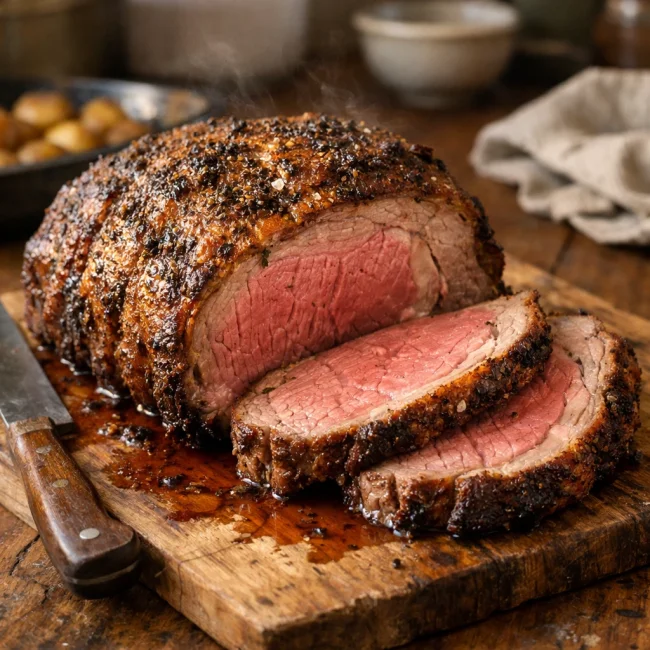
Classic Rib Eye Roast
A timeless rib eye roast recipe that delivers a succulent, flavorful dish perfect ...
View Recipe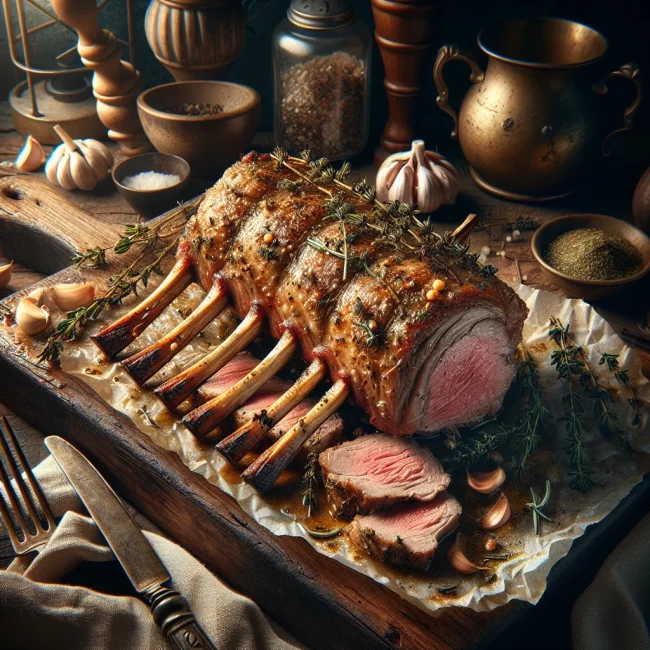
Traditional Roast Rack of Lamb
Savor the timeless delight of a perfectly roasted rack of lamb, infused with garli...
View Recipe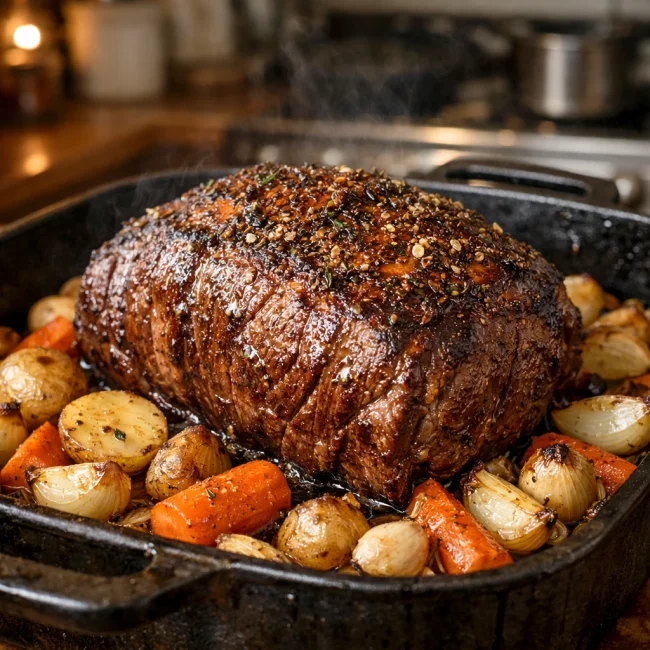
Traditional Oven Roast
A timeless oven roast recipe perfect for family gatherings, featuring tender beef,...
View Recipe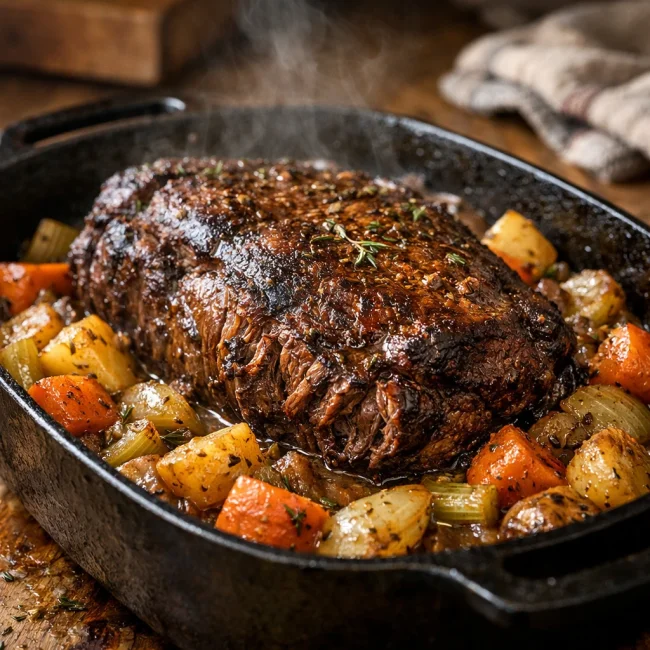
Traditional Chuck Roast
Discover the rich and hearty flavors of our Traditional Chuck Roast, perfect for a...
View Recipe