
Traditional Scotch Eggs
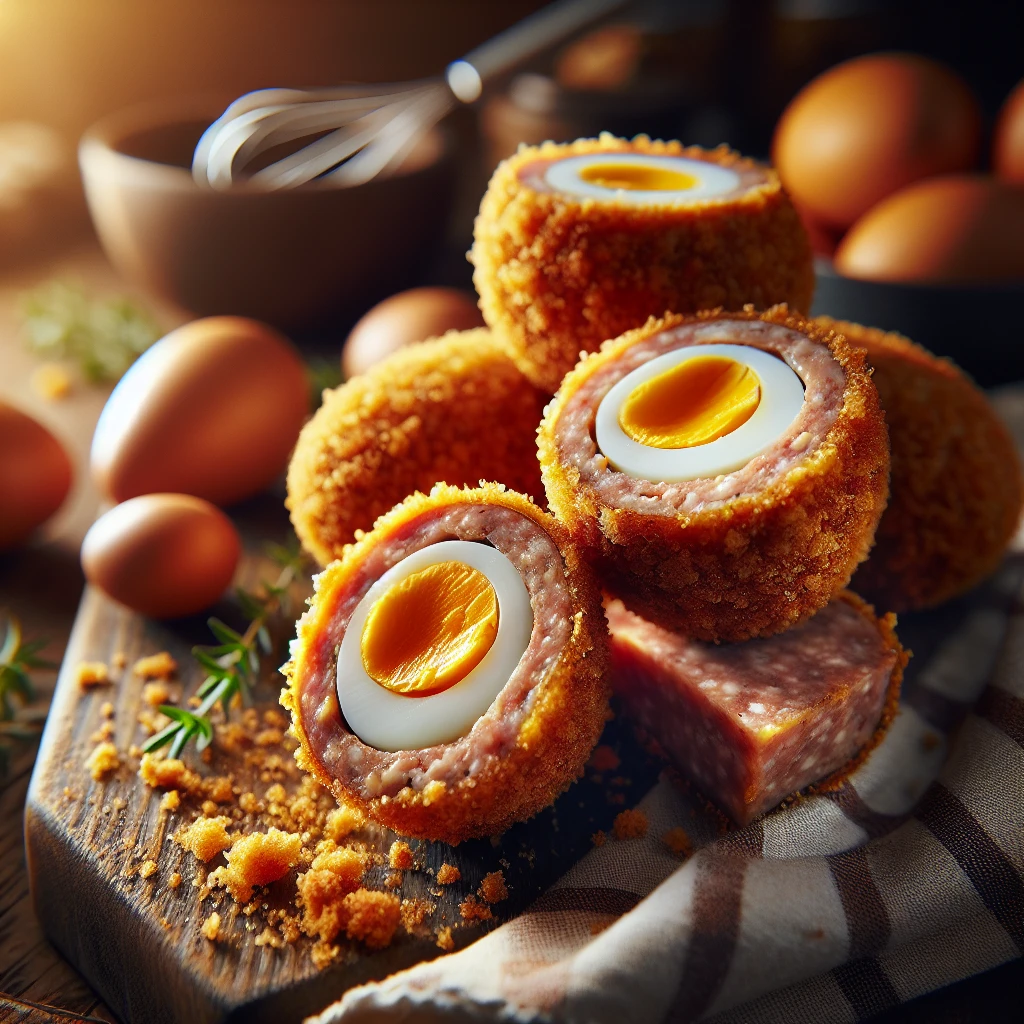
Scotch eggs are a brilliant combination of soft-boiled eggs wrapped in savory sausage, all cloaked in a crispy breadcrumb shell. Perfect for picnics or a hearty snack, they offer a delightful surprise with every bite. Let's dive into making this classic British treat that’s sure to impress!
 Share
Share
This post may contain affiliate links. As an Amazon Associate, we earn from qualifying purchases.
Ingredients for Traditional Scotch Eggs
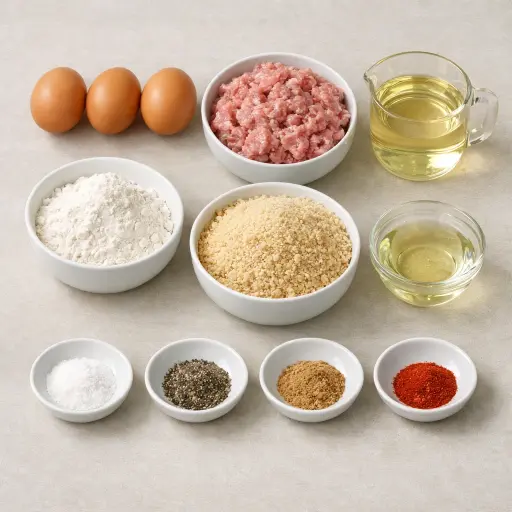
The star of this dish is, of course, the eggs. They provide a creamy, rich center when perfectly soft-boiled. Next, we have pork sausage meat, which is the flavorful blanket wrapped around the egg. Seasoned with salt, black pepper, ground nutmeg, and a touch of cayenne pepper, it brings warmth and depth to the dish. The all-purpose flour, breadcrumbs, and beaten egg create a crunchy, golden crust that seals all the goodness inside. Lastly, vegetable oil is used for frying until everything is crispy and delicious.
Why This Traditional Scotch Eggs Works
During the first step, the eggs only boil for a short time, so the yolks stay a little soft instead of going dry and chalky. Cooling them in ice water stops the cooking fast, so the centers stay just the way they are. Once peeled, the eggs are firm enough on the outside to handle, but still tender inside.
As the sausage meat is mixed with salt, pepper, nutmeg, and cayenne, it becomes sticky and easier to shape. Flattening it into patties and wrapping it tightly around each egg gives a solid layer of meat with no gaps. During frying, that sausage layer firms up into a kind of shell that holds the egg in place.
After a roll in flour, beaten egg, and breadcrumbs, the outside gets its own coat. In the hot oil, the breadcrumbs brown and turn crisp while the sausage cooks through. That crunchy crust slows down how fast the heat reaches the egg, so the yolk stays moist instead of overcooking, and the whole Scotch egg holds together when sliced.
Traditional Scotch Eggs Tips & Tricks
- Use slightly wet hands when wrapping the sausage around the eggs to prevent sticking.
- Ensure the oil is at the correct temperature to avoid soggy scotch eggs.
- For a twist, try adding herbs like thyme or rosemary to the sausage mixture.
Mistakes To Avoid
Boiling the eggs too long turns them hard in the center, so instead of a soft, slightly jammy yolk, the middle becomes chalky and dry. Once fried, the yolk firms up even more, so the whole egg ends up with a tough, crumbly center instead of a creamy one.
Wrapping the eggs with a thin or patchy layer of sausage leaves gaps where the egg shows through. Those thin spots cook much faster in the oil, so the sausage can dry out or split, and the egg white underneath can blister and go rubbery.
Skipping the flour or egg dip before the breadcrumbs often leads to a patchy crust. In the fryer, those bare spots let oil hit the sausage directly, so the outside can turn greasy and uneven instead of having a solid, crunchy shell.
Letting the oil get too cool before frying makes the coating soak up oil instead of crisping. The Scotch eggs then come out heavy and greasy, and the sausage can turn pale and slightly soggy instead of browned and firm.
Equipment Used:
Ingredients
- 4 large eggs
- 1 lb pork sausage meat
- 1/2 cup all-purpose flour
- 1 cup breadcrumbs
- 1/2 tsp salt
- 1/2 tsp black pepper
- 1/2 tsp ground nutmeg
- 1/4 tsp cayenne pepper
- Vegetable oil for frying
Step-by-step Instructions
- 1. Place eggs in a pot of boiling water and cook for 6 minutes. Transfer to ice water to cool, then peel.
- 2. In a bowl, mix sausage meat with salt, pepper, nutmeg, and cayenne pepper.
- 3. Divide sausage mixture into four portions and flatten each into a patty.
- 4. Wrap each egg with a sausage patty, sealing completely.
- 5. Dredge each sausage-wrapped egg in flour, dip in beaten egg, and coat with breadcrumbs.
- 6. Heat oil in a deep fryer or pan to 350°F and fry eggs until golden brown, about 5-6 minutes.
- 7. Drain on paper towels before serving.
Trending Now
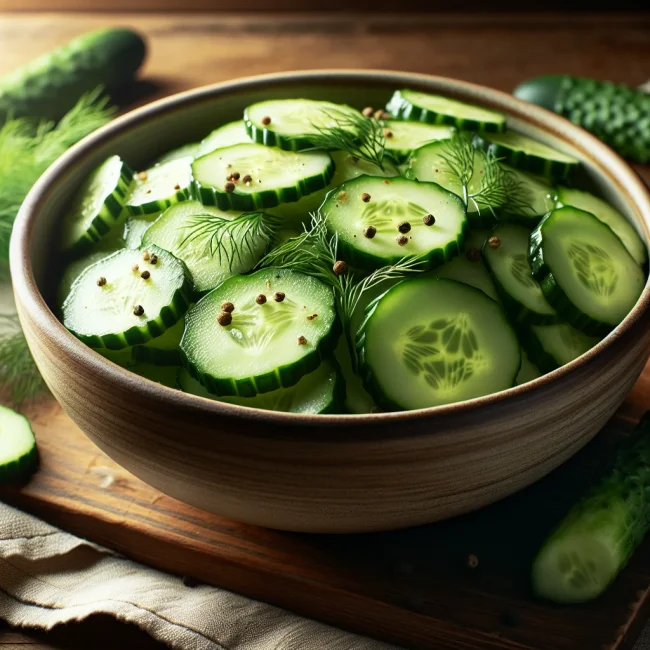
Classic Cucumber Salad
A refreshing and light cucumber salad featuring crisp cucumbers and a tangy vinaig...
View Recipe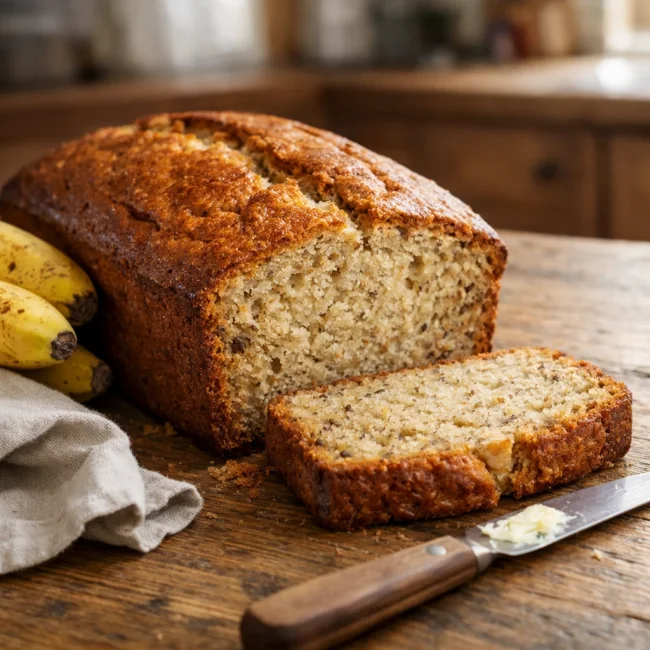
Classic Banana Bread
Classic Banana Bread is a timeless dessert beloved for its moist texture and sweet...
View Recipe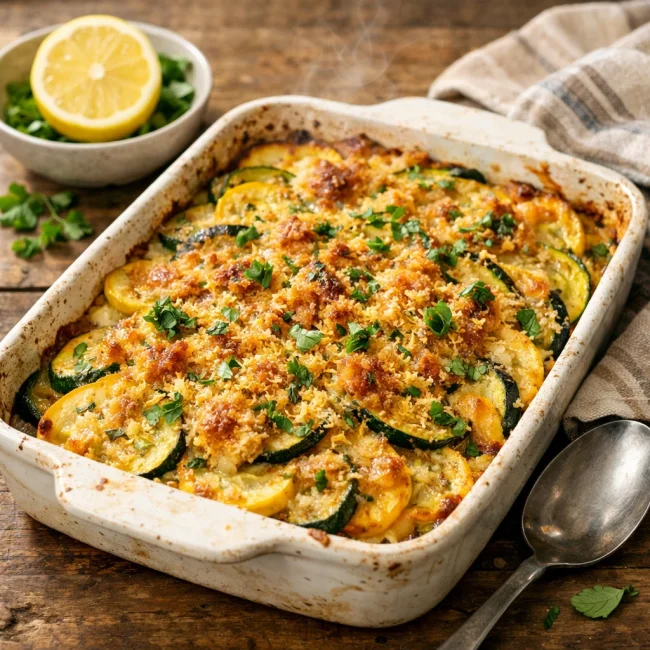
Zesty Summer Squash Casserole
This delightful summer squash casserole combines vibrant garden-fresh vegetables w...
View Recipe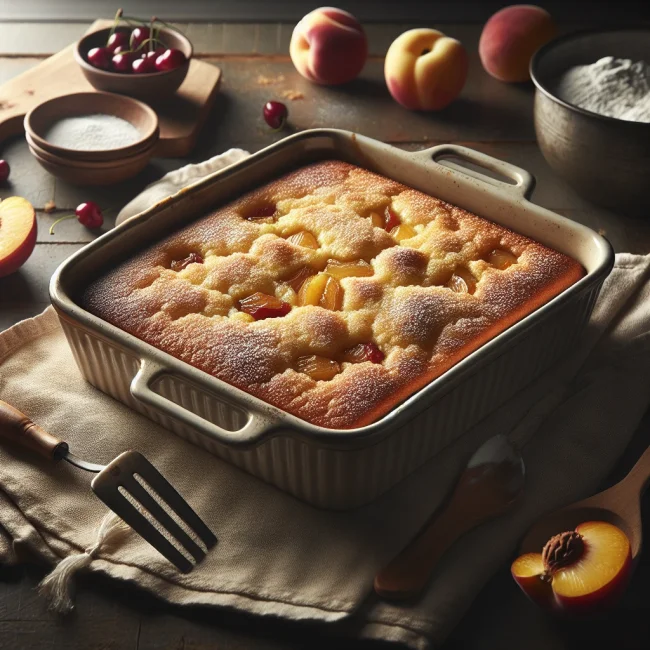
Traditional Dump Cake
Discover the timeless delight of the Traditional Dump Cake, a simple and scrumptio...
View RecipeFrequently Asked Questions
- Can I use another type of meat?
- Absolutely! Ground chicken or turkey can be a leaner alternative to pork sausage.
- How do I store leftover Scotch eggs?
- Keep them in an airtight container in the fridge for up to 3 days. Reheat them in the oven to maintain the crispy texture.
Serving Ideas for Traditional Scotch Eggs
Scotch eggs are wonderfully versatile. Serve them sliced in half with a simple side salad for a light meal or pair them with mustard and pickles for a tangy contrast. They're also a fantastic addition to a picnic spread or a brunch buffet.
More Appetizers Recipes

Traditional Sausage Rolls
A timeless recipe for savory sausage rolls, perfect for parties or as a hearty sna...
View Recipe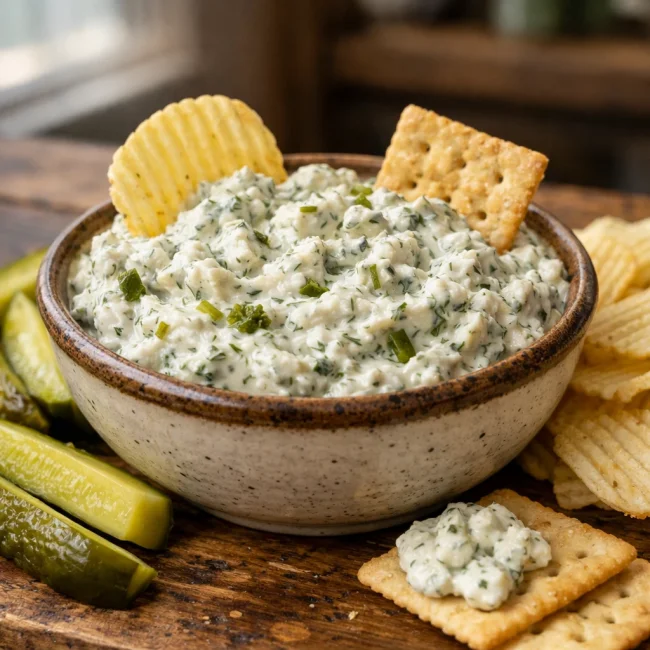
Classic Dill Pickle Dip
A refreshing dill pickle dip perfect for parties and gatherings, featuring a cream...
View Recipe
Savory Bites on Sticks
Savory Bites on Sticks are delightful and colorful appetizers perfect for any soci...
View Recipe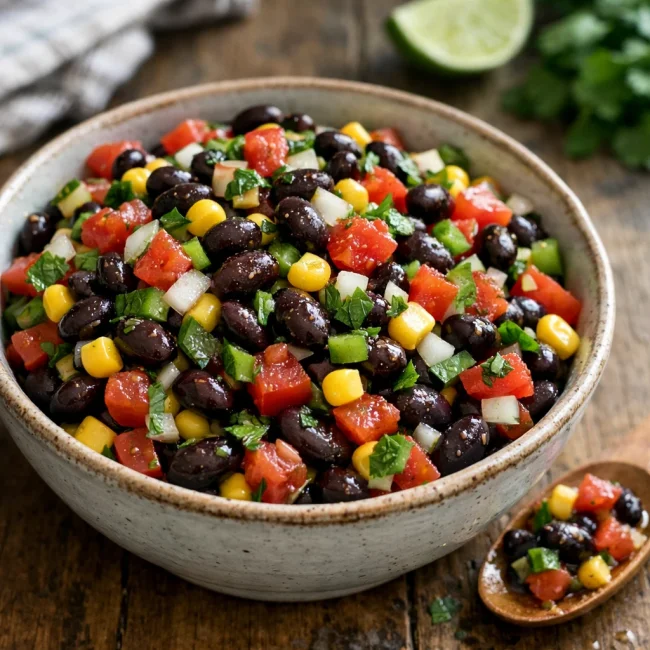
Traditional Black Bean Salsa
Experience a burst of fresh flavors with this classic Black Bean Salsa, perfect fo...
View Recipe