
Traditional Scalloped Potatoes
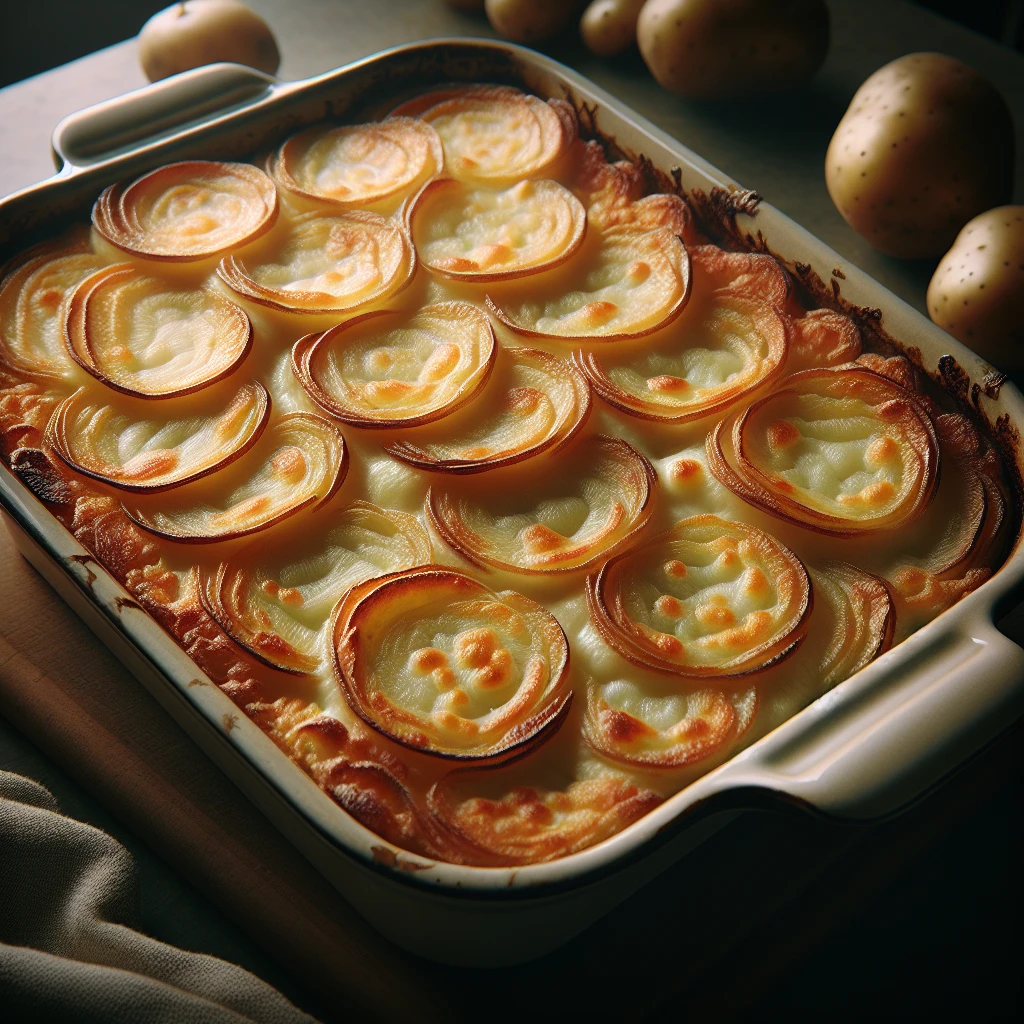
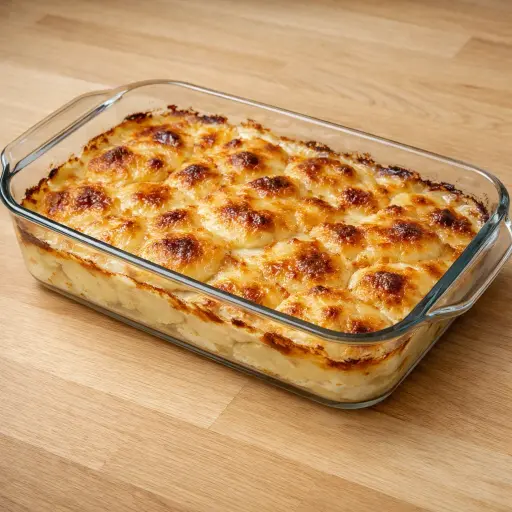
If you're looking for a comforting, creamy side dish that pairs perfectly with any meal, these Traditional Scalloped Potatoes are a must-try. This classic recipe combines tender, melt-in-your-mouth potatoes with a rich, cheesy sauce, making it a family favorite that's sure to impress.
 Share
Share
This post may contain affiliate links. As an Amazon Associate, we earn from qualifying purchases.
Ingredients for Traditional Scalloped Potatoes
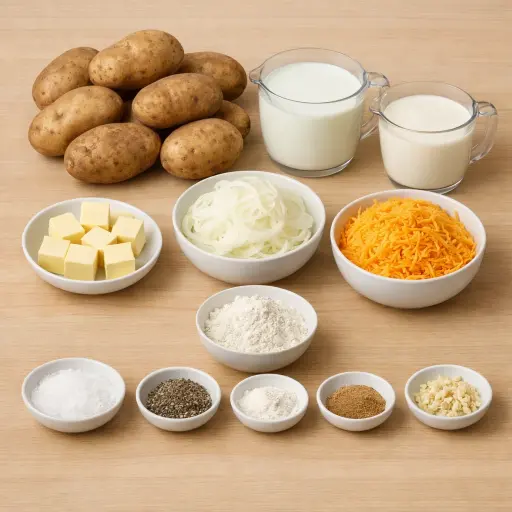
Russet potatoes are ideal here because they hold their shape well while absorbing the creamy sauce. Onions add sweetness and depth, balancing the richness. The combination of whole milk and heavy cream ensures a lusciously thick sauce. Unsalted butter is used to control the saltiness. All-purpose flour helps thicken the sauce to just the right consistency. Cheddar cheese provides that irresistible cheesy flavor. A touch of salt, black pepper, and ground nutmeg enhances the overall taste without overpowering it. Finally, garlic infuses a subtle aromatic note that's simply delightful.
Why This Traditional Scalloped Potatoes Works
During cooking, the butter, flour, milk, and cream turn into a thick sauce that can actually cling to the potato slices. As it heats up on the stove, the starch in the flour swells and the liquid goes from runny to smooth and velvety. That way, when the sauce is poured over the potatoes, it doesn’t just sink to the bottom of the dish. It stays around each slice.
In the oven, the thin potato slices slowly soften as they soak up the hot milk and cream. The starch from the potatoes also leaks out into the sauce, so the whole pan gradually tightens up and doesn’t feel watery. Cheese melts into the hot sauce and between the layers, so everything sticks together instead of sliding apart.
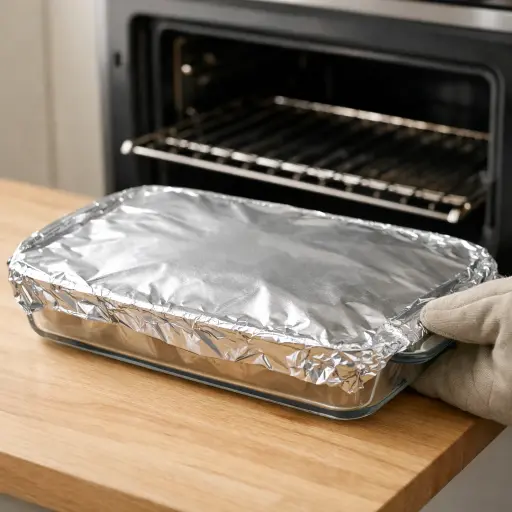
With the foil on at first, steam stays trapped and the potatoes cook through without drying out. After the foil comes off, the top dries a bit, the cheese browns, and the surface firms up. A short rest at the end lets the sauce settle so the slices hold their shape when served.
Traditional Scalloped Potatoes Tips & Tricks
- Cut potatoes uniformly to ensure even cooking.
- Let the sauce cool slightly before pouring over potatoes to help it thicken more.
- Always taste the sauce before layering to adjust seasoning to your preference.
Mistakes To Avoid
Cutting the potatoes too thick means the slices stay firm in the middle while the top gets dark and crusty. The dish can look done on top, but a fork will hit hard, undercooked centers and the layers won’t scoop nicely.
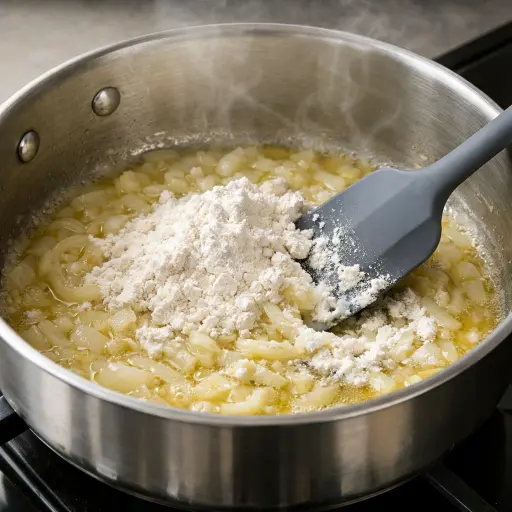
Skipping the step of cooking the flour in the butter long enough leaves the sauce pasty and thin. The flour doesn’t blend in, so the liquid can separate in the oven, leaving a watery layer at the bottom and gummy bits in the sauce.
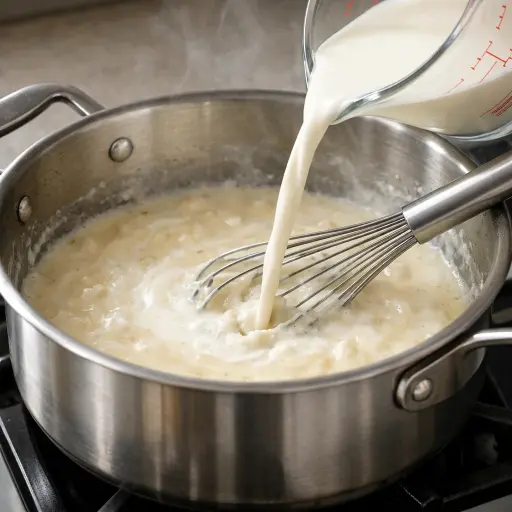
Pouring the milk and cream in too fast causes lumps in the sauce. The flour clumps instead of smoothing out, and those lumps bake into chewy, floury pockets between the potato slices.
Layering wet potatoes straight from the water bowl without drying them waters down the sauce. Extra moisture in the dish keeps the sauce from thickening around the potatoes, so the final bake can be soupy instead of creamy.
Pulling the dish from the oven too early leaves the potatoes slightly crunchy in the center. The top may be nicely browned, but the layers won’t cut cleanly and the texture will be more like half-cooked fries than soft, tender slices.
Equipment Used:
9x13 inch baking dish, Saucepan, Whisk, Sharp knife, Cutting board, Aluminum foil
Ingredients
- 4 lbs russet potatoes
- 1 large onion, thinly sliced
- 3 cups whole milk
- 2 cups heavy cream
- 6 tablespoons unsalted butter
- 1/4 cup all-purpose flour
- 2 cups shredded cheddar cheese
- 1 teaspoon salt
- 1/2 teaspoon black pepper
- 1/4 teaspoon ground nutmeg
- 2 garlic cloves, minced
Step-by-step Instructions
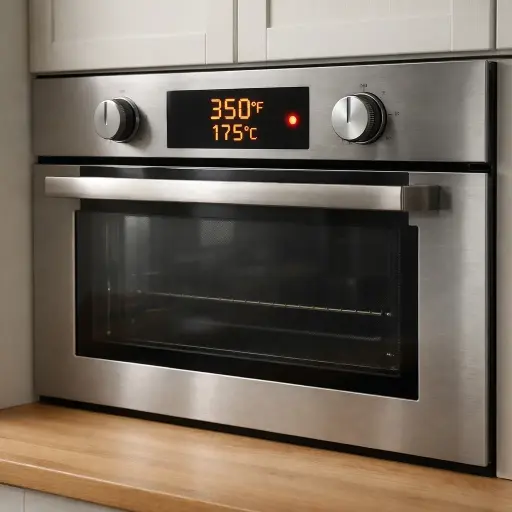
- 1. Preheat your oven to 350°F (175°C).
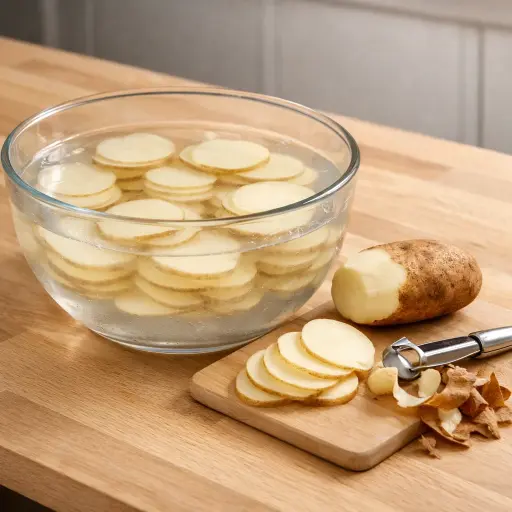
- 2. Peel and thinly slice the potatoes, about 1/8-inch thick, and place them in a bowl of cold water to prevent browning.
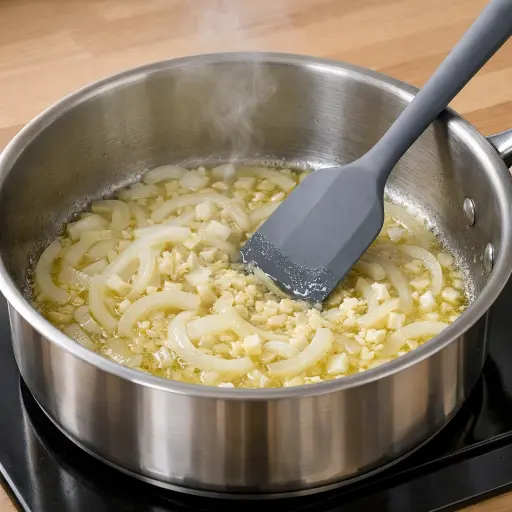
- 3. In a large saucepan, melt the butter over medium heat. Add the minced garlic and onions, cooking until the onions are translucent.
- 4. Stir in the flour and cook for 1-2 minutes to form a roux.
- 5. Gradually whisk in the whole milk and heavy cream, stirring constantly until the sauce thickens.
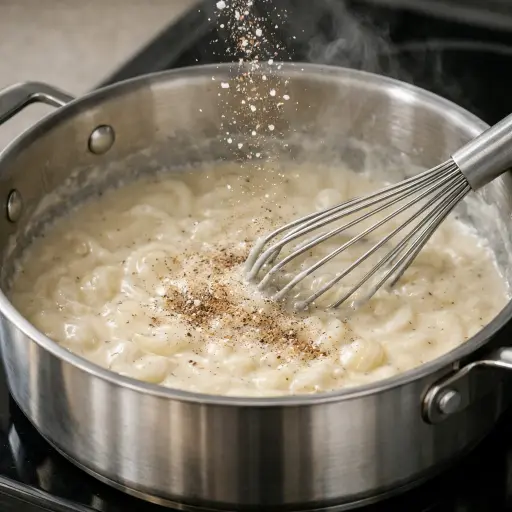
- 6. Add the salt, pepper, and nutmeg.
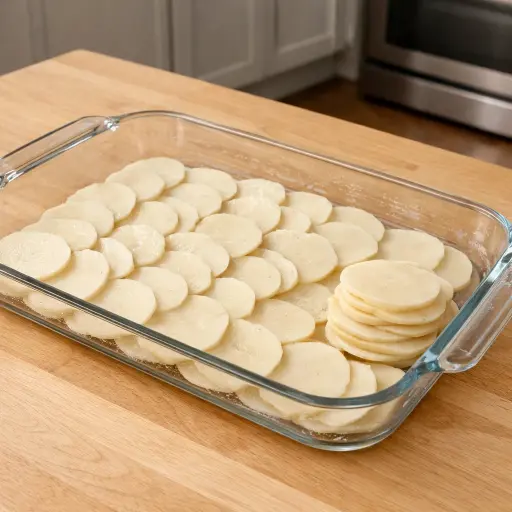
- 7. Layer half of the potatoes in a greased 9x13 inch baking dish.
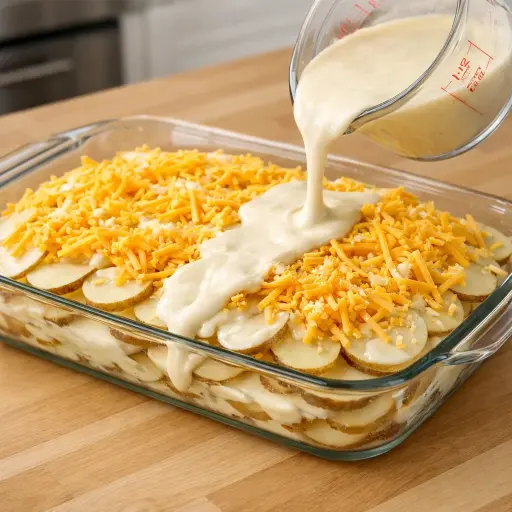
- 8. Pour half of the sauce over the potatoes, then sprinkle with 1 cup of shredded cheddar cheese.
- 9. Repeat with the remaining potatoes, sauce, and cheese.
- 10. Cover the dish with aluminum foil and bake for 45 minutes.
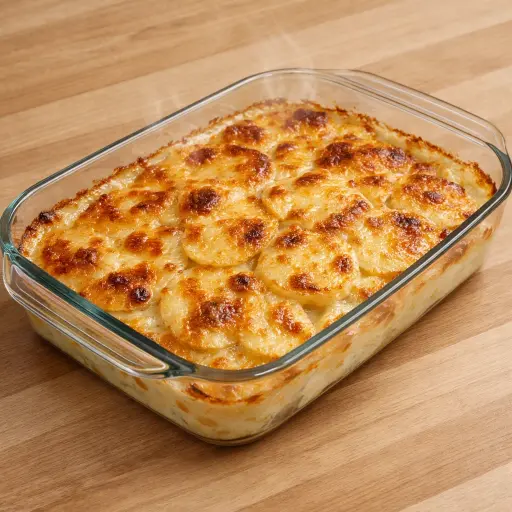
- 11. Remove the foil and bake for an additional 30 minutes, or until the top is golden brown and the potatoes are tender.
- 12. Allow to cool for 10 minutes before serving.

Trending Now
Zesty Summer Squash Casserole
This delightful summer squash casserole combines vibrant garden-fresh vegetables w...
View Recipe
Classic Cucumber Salad
A refreshing and light cucumber salad featuring crisp cucumbers and a tangy vinaig...
View Recipe
Classic Banana Bread
Classic Banana Bread is a timeless dessert beloved for its moist texture and sweet...
View Recipe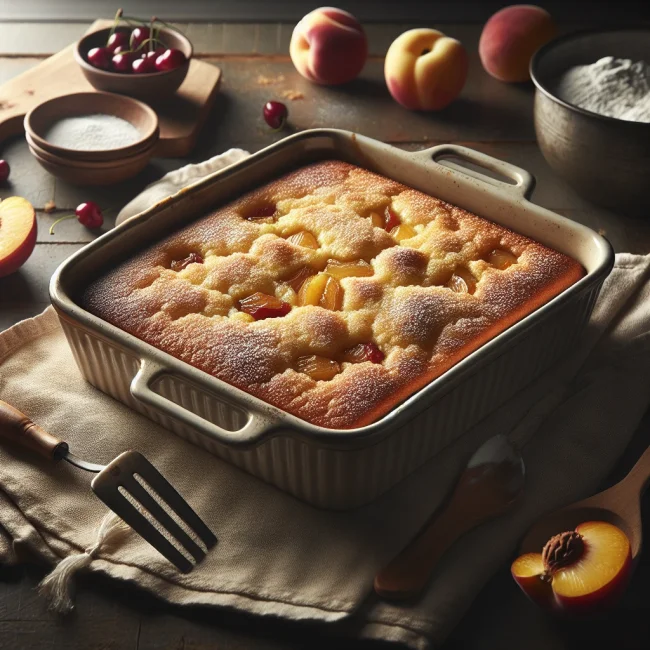
Traditional Dump Cake
Discover the timeless delight of the Traditional Dump Cake, a simple and scrumptio...
View RecipeFrequently Asked Questions
- Can I use a different type of potato?
- Yes, Yukon Gold potatoes are a good alternative as they also hold up well during baking.
- Can I make this dish ahead of time?
- Absolutely! Prepare and bake the dish, then refrigerate. Reheat in the oven before serving.
- What can I do if my sauce is too thin?
- If the sauce is too thin, simmer it a bit longer on the stove to reduce and thicken before pouring over the potatoes.
Serving Ideas for Traditional Scalloped Potatoes
These scalloped potatoes are a versatile side dish that pairs beautifully with roasted meats like chicken or beef. For a vegetarian option, serve alongside a robust salad or steamed green beans to balance the richness. A crisp white wine, such as Sauvignon Blanc, complements the creamy flavors perfectly.
More Side Dishes Recipes
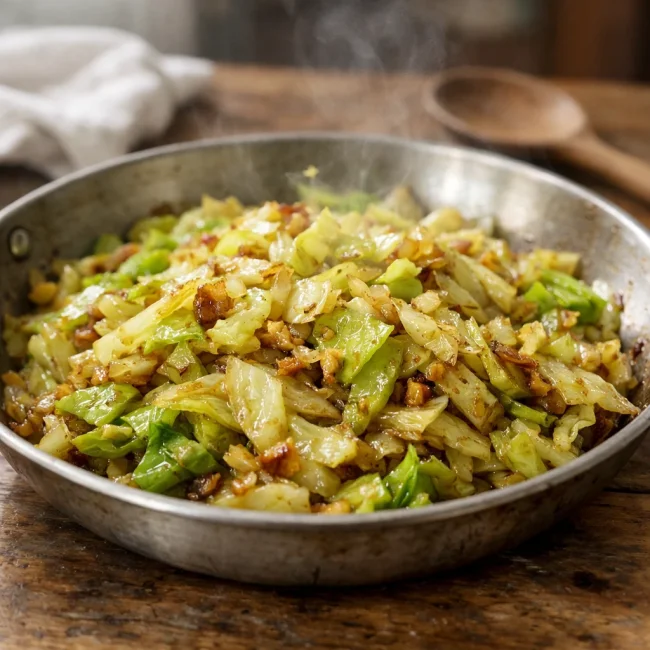
Savory Sautéed Cabbage
This savory sautéed cabbage dish brings out the natural sweetness and crispness of...
View Recipe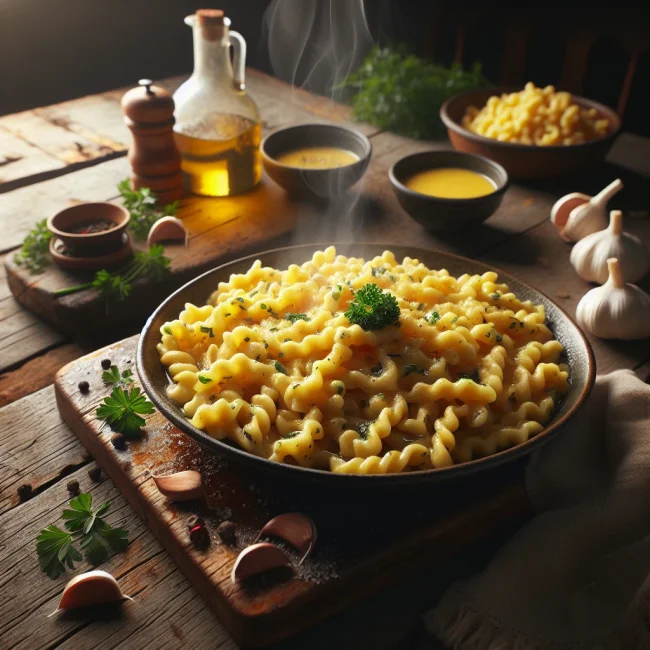
Herbed Spaetzle with Garlic Butter
Discover the delightful twist on traditional German Spaetzle with this easy-to-mak...
View Recipe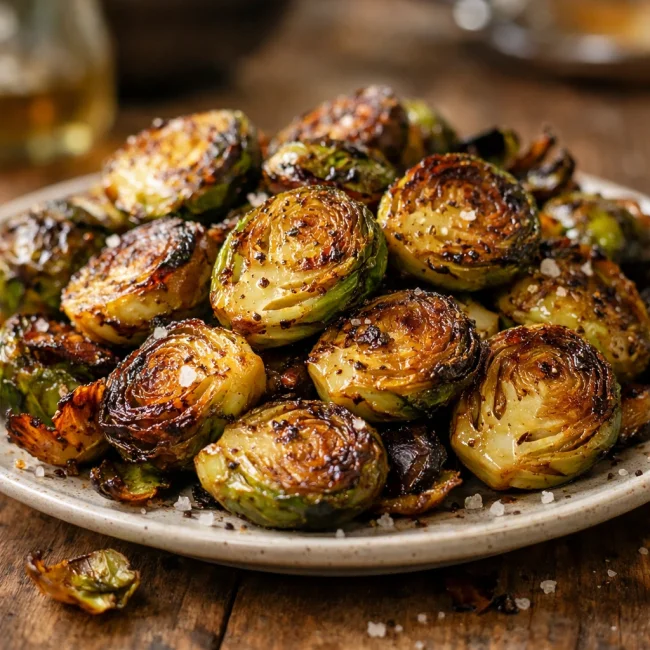
Golden Crispy Brussels Sprouts
Delight in the golden perfection of these crispy Brussels sprouts, a delightful si...
View Recipe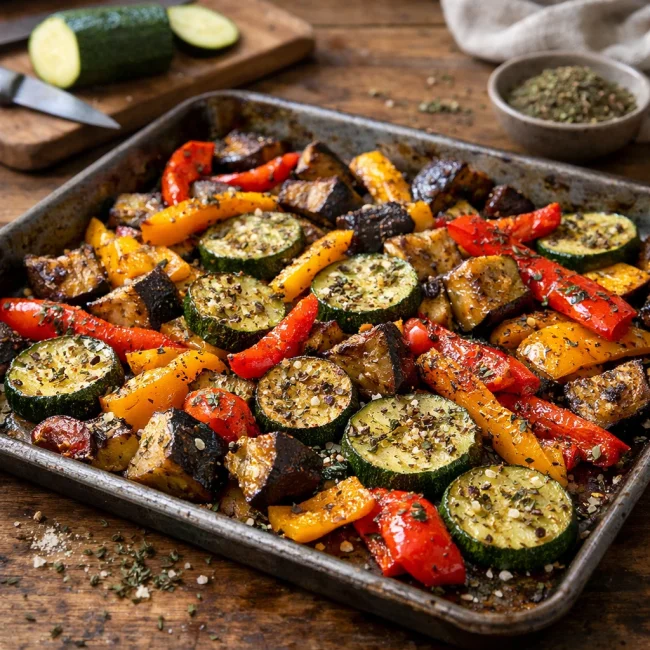
Marjoram-Seasoned Roasted Vegetables
Marjoram-Seasoned Roasted Vegetables bring a delightful floral note to roasted zuc...
View Recipe