
Traditional Sauteed Kale
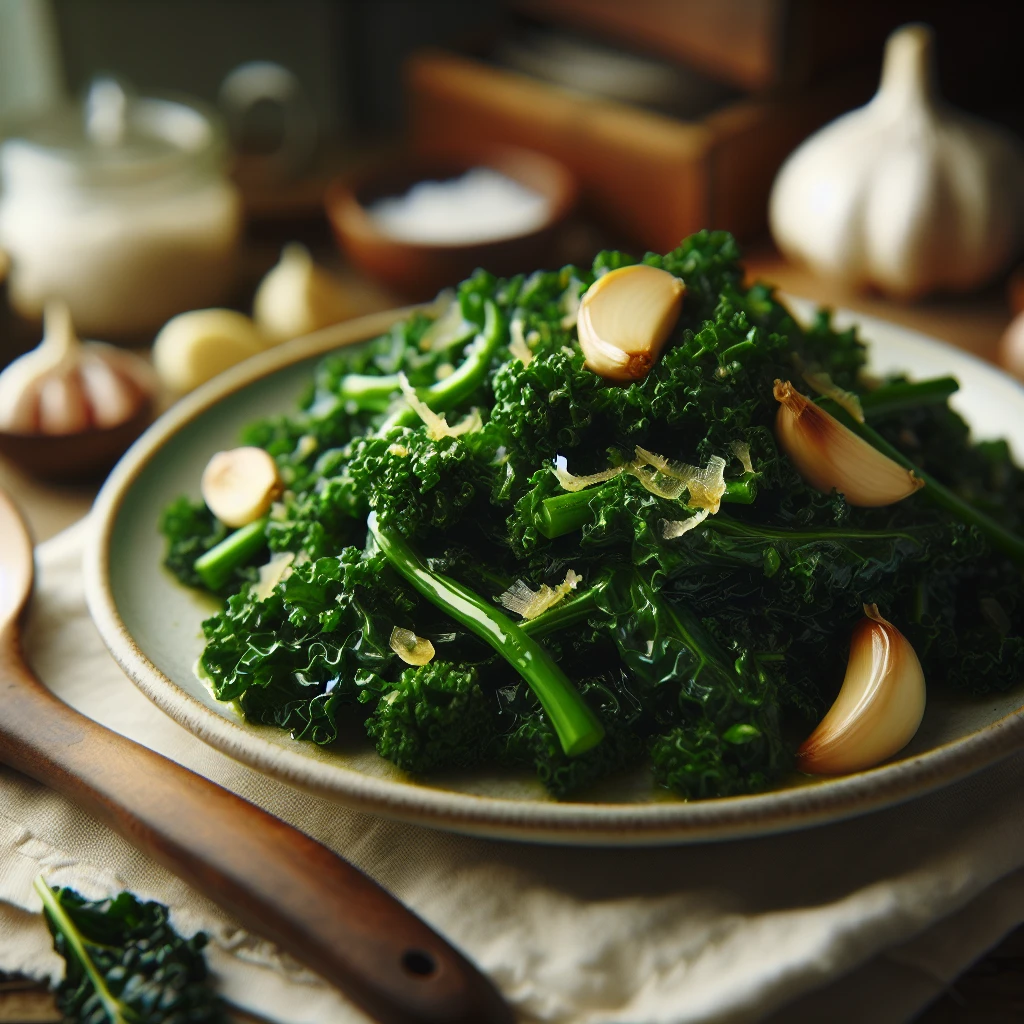
When it comes to quick and healthy side dishes, traditional sautéed kale is a standout. This dish brings out the natural flavors of kale with a hint of garlic and lemon, making it both nutritious and delightfully tasty.
 Share
Share
This post may contain affiliate links. As an Amazon Associate, we earn from qualifying purchases.
Ingredients for Traditional Sauteed Kale
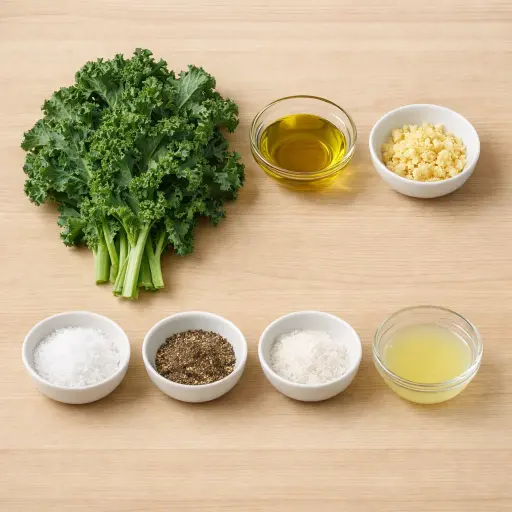
Kale is the star of the show here. Its slightly bitter and earthy flavor becomes wonderfully mellow when sautéed. Olive oil helps to soften the kale and adds a rich, fruity base. Garlic infuses the dish with a warm, aromatic depth. A touch of salt and black pepper enhances the flavors without overpowering them. Finally, a splash of lemon juice brightens and balances the dish, adding a refreshing tang.
Why This Traditional Sauteed Kale Works
Once the kale hits the hot pan, the leaves start to shrink and soften. At first they look huge and stiff, but as they warm up, they lose some water and collapse into tender bites. The heat also takes away that raw, tough taste that kale has when it is uncooked. Cutting out the stems before cooking means only the softer parts go in the pan, so everything cooks at the same speed.
While the garlic sizzles in the olive oil, the oil picks up the garlic taste and spreads it over every piece of kale. As the kale wilts, it soaks up some of that warm, garlicky oil, which keeps it from drying out and gives it a silky feel instead of a squeaky, rubbery one. Salt and pepper sink into the leaves as they soften, instead of just sitting on top. Right at the end, the lemon juice hits the hot kale and wakes it up a bit, cutting through the richness of the oil and making the greens taste bright instead of heavy.
Traditional Sauteed Kale Tips & Tricks
- If the kale seems too bitter, blanch it in boiling water for a minute before sautéing.
- Use fresh lemon juice for the best flavor — it makes a big difference.
- Don't overcrowd the pan; if needed, sauté in batches.
Mistakes To Avoid
Letting the kale stay wet after rinsing makes it steam instead of sauté. Water trapped on the leaves turns to steam in the hot pan, so the kale softens unevenly and can end up soggy in some spots while still tough in others.
Adding the garlic too early or over very high heat often leads to burnt bits before the kale even goes in. Once garlic burns, it turns dark and hard, and those bitter, crunchy pieces spread through the whole pan of greens.
Cutting the kale into big, uneven chunks means some pieces never really soften. Thick or wide pieces stay chewy and tough while the smaller ones wilt down, so the texture jumps between stringy and mushy in the same bite.
Crowding a small pan with a full bunch of kale keeps it from contacting the hot surface. Instead of quickly wilting and getting glossy in the oil, the pile just sweats and turns dull and floppy, without that slight edge of tenderness that makes it pleasant to eat.
Pouring in the lemon juice while the kale is still cooking can make the leaves turn limp and slightly rubbery. The acid hits the hot pan, cools it down, and the kale sits in a sour, wet layer instead of finishing with a light, fresh coating at the end.
Equipment Used:
Ingredients
- 1 bunch of kale (about 12 oz)
- 2 tablespoons olive oil
- 3 cloves garlic, minced
- 1/2 teaspoon salt
- 1/4 teaspoon black pepper
- 1 tablespoon lemon juice
Step-by-step Instructions
- 1. Rinse the kale under cold water and pat dry with a towel.
- 2. Remove the tough stems from the kale and cut the leaves into bite-sized pieces.
- 3. Heat the olive oil in a large skillet over medium heat.
- 4. Add the minced garlic and sauté for 1 minute until fragrant.
- 5. Add the kale to the skillet and toss to coat in the garlic oil.
- 6. Season with salt and pepper, and cook for 5-7 minutes, stirring occasionally, until the kale is tender and wilted.
- 7. Drizzle lemon juice over the cooked kale and toss again to combine.
- 8. Serve warm as a healthy side dish.
Trending Now
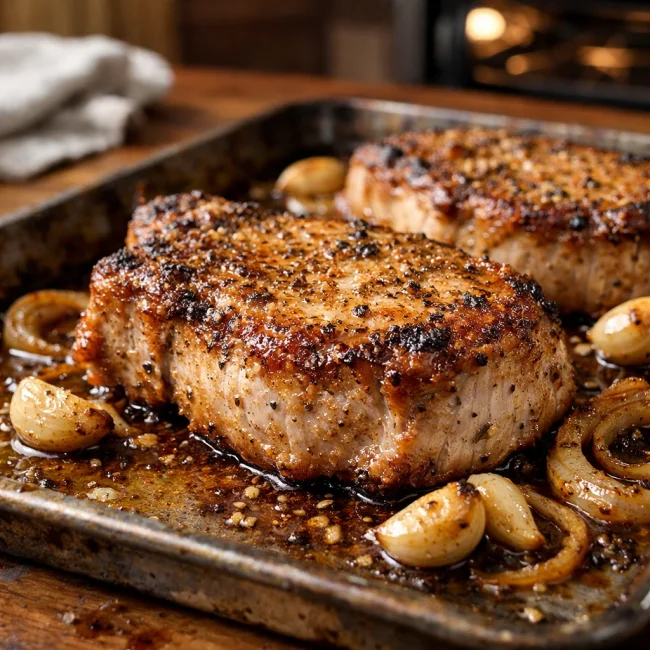
Oven-Baked Pork Chops
Enjoy a delightful dinner with these tender and juicy oven-baked pork chops, seaso...
View Recipe
Traditional Corn Casserole
A delightful corn casserole dish that embodies the comforting flavors of sweet cor...
View Recipe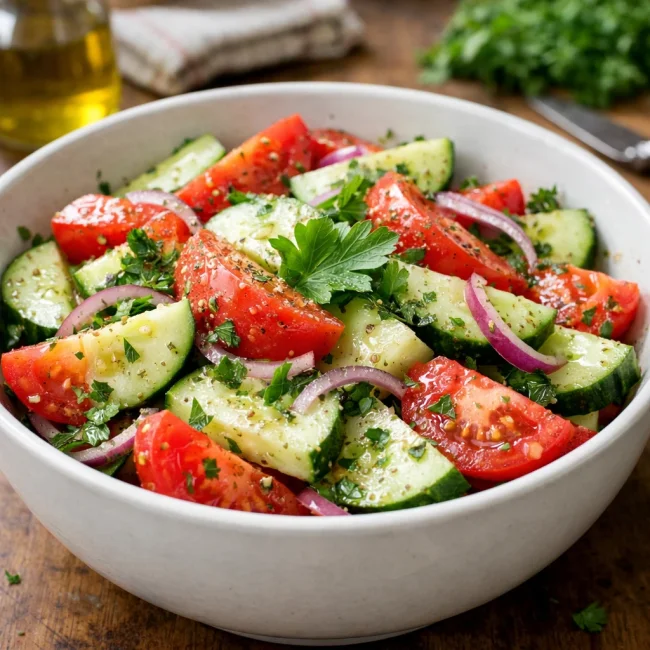
Traditional Cucumber and Tomato Salad
A refreshing and simple salad combining crisp cucumbers and juicy tomatoes, season...
View Recipe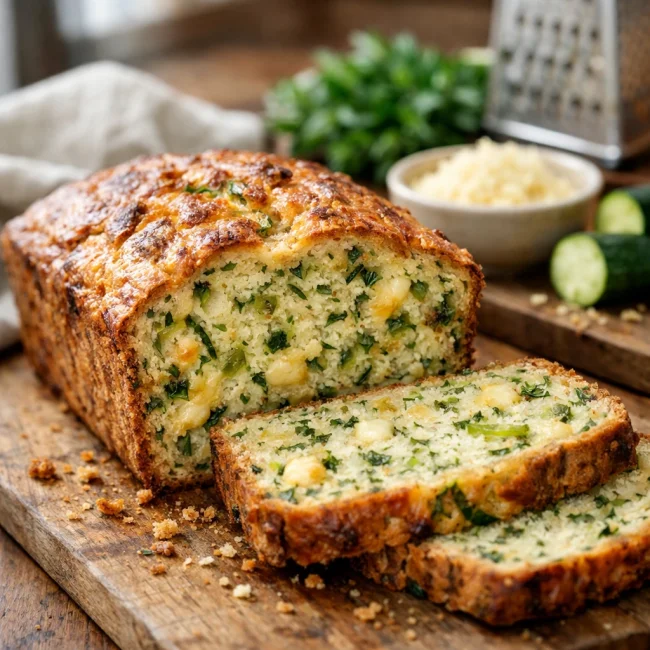
Savory Zucchini Bread
Savory Zucchini Bread is a delectable twist on traditional zucchini recipes, combi...
View RecipeFrequently Asked Questions
- Can I use frozen kale?
- Yes, but you'll need to adjust the cooking time as it will release more water.
- What can I do if I don’t have lemon juice?
- You can substitute with a splash of apple cider vinegar for a different, but still delicious, tang.
- How do I store leftovers?
- Store in an airtight container in the fridge for up to 3 days. Reheat gently on the stove.
Serving Ideas for Traditional Sauteed Kale
This sautéed kale pairs beautifully with grilled chicken or fish. For a vegetarian option, serve it alongside roasted sweet potatoes or quinoa for a complete meal. It's also a great topping for a warm grain bowl.
More Side Dishes Recipes
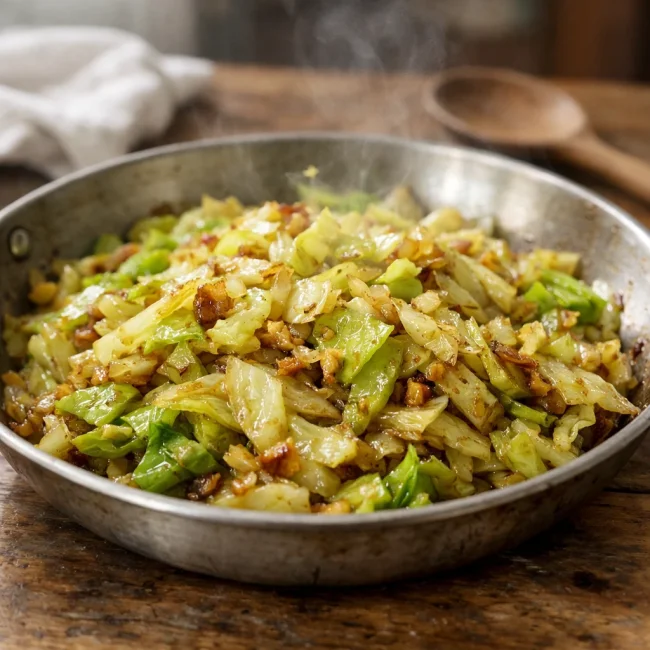
Savory Sautéed Cabbage
This savory sautéed cabbage dish brings out the natural sweetness and crispness of...
View Recipe
Herbed Spaetzle with Garlic Butter
Discover the delightful twist on traditional German Spaetzle with this easy-to-mak...
View Recipe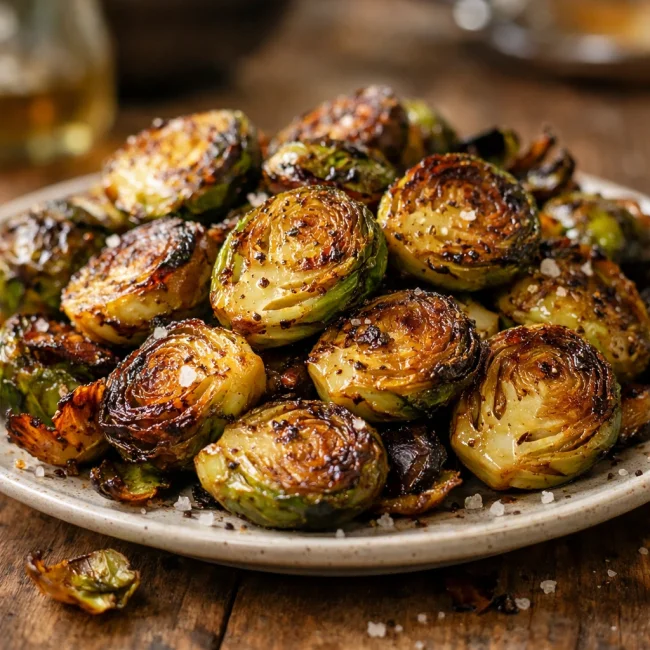
Golden Crispy Brussels Sprouts
Delight in the golden perfection of these crispy Brussels sprouts, a delightful si...
View Recipe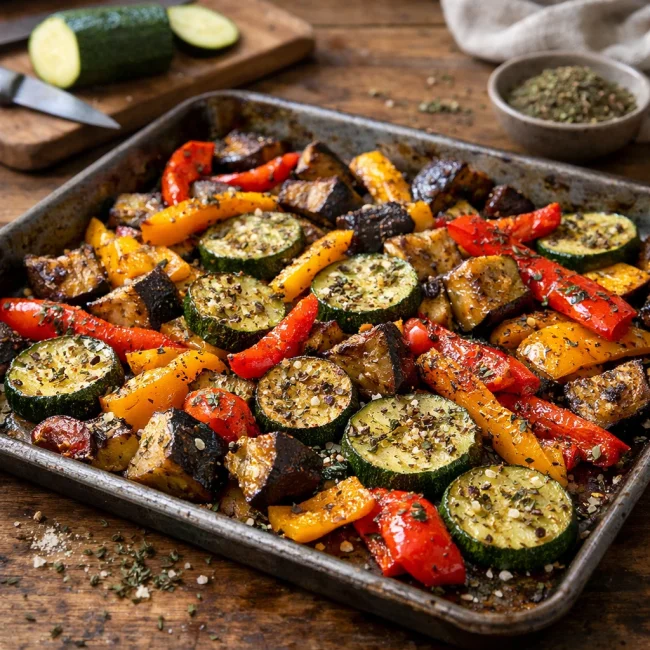
Marjoram-Seasoned Roasted Vegetables
Marjoram-Seasoned Roasted Vegetables bring a delightful floral note to roasted zuc...
View Recipe