
Traditional Rye Bread
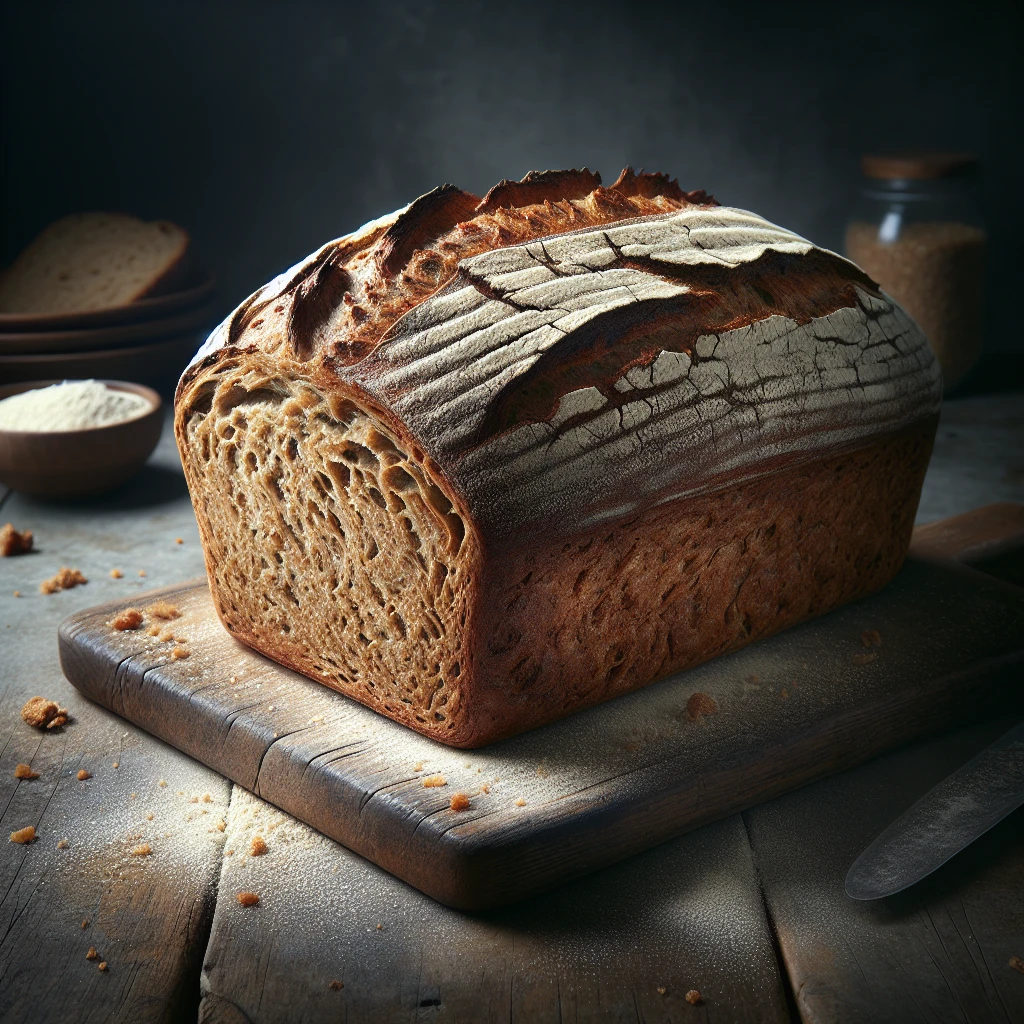
If you’ve ever wanted to capture the heartiness of traditional baking, this Rye Bread recipe is your ticket. With its rich, earthy flavor and dense, chewy texture, it’s perfect for anyone who loves bold breads. Ideal for those chilly evenings when you crave something warm and comforting fresh out of the oven.
 Share
Share
This post may contain affiliate links. As an Amazon Associate, we earn from qualifying purchases.
Ingredients for Traditional Rye Bread
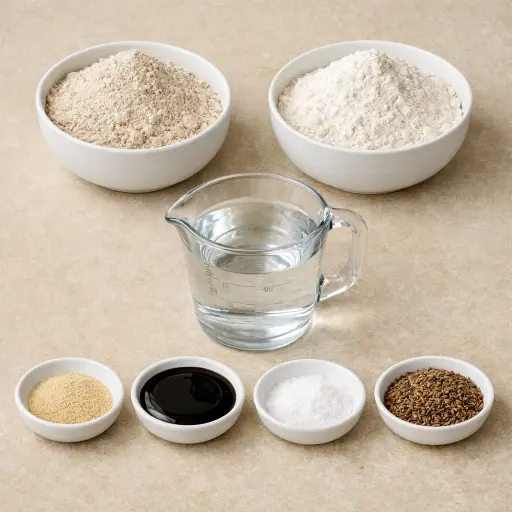
Rye flour gives the bread its characteristic flavor and dense texture, making it different from your usual white bread. Bread flour adds structure and chewiness, crucial for a good rise. The warm water activates the yeast, starting the fermentation process. Active dry yeast is the magic ingredient that makes the bread rise. Molasses adds a slight sweetness and rich color. Salt is essential for flavor and helps control yeast activity. Finally, caraway seeds give a distinctive, slightly peppery taste that complements the rye perfectly.
Why This Traditional Rye Bread Works
Warm water wakes up the yeast, and the molasses gives it a little food. After a few minutes, the yeast starts to foam, which means it is alive and making tiny gas bubbles. Those bubbles are what will puff up the dough later. When the rye flour and bread flour go in, the bread flour brings stronger gluten, while the rye flour stays a bit heavier and denser. As everything is stirred and then kneaded, the gluten from the bread flour stretches and forms a kind of net that can trap those gas bubbles.
During the first rise, that stretchy net slowly fills with gas from the yeast, so the dough swells and gets lighter inside. Punching it down and shaping it into a loaf spreads the gas more evenly and tightens the outside so it can hold its shape. In the oven, the heat makes the gas expand fast, then the gluten and starches set firm, so the loaf keeps its shape. After baking, cooling on a rack lets the inside finish setting so the slices stay together and don’t squash.
Traditional Rye Bread Tips & Tricks
- If your kitchen is cold, let the dough rise in an oven with the light on for gentle warmth.
- Don’t skip kneading! It develops the gluten and texture you need.
- Use a serrated knife to slice fresh bread for clean cuts.
Mistakes To Avoid
Using water that’s too hot for the yeast kills it, so the mixture never gets foamy and active. The dough then barely rises, stays heavy, and bakes into a flat, dense brick instead of a loaf with some lift.
Adding all the flour at once without checking the dough can leave it too dry and stiff. In the bowl it feels hard to bring together and on the counter it resists kneading, and the baked bread ends up tight, crumbly, and hard to slice.
Cutting the kneading time short leaves the dough weak and uneven. During rising it spreads instead of puffing up, and in the oven the loaf keeps a squat shape with a gummy, uneven crumb inside.
Letting the loaf rise too long on the second rise makes it overproofed. In the oven it can collapse or spread out, and the crust separates from the inside, giving a flat, oddly shaped loaf.
Slicing the bread while it is still hot lets the steam rush out too fast. The inside then turns pasty and squashed instead of setting into firm, even slices.
Equipment Used:
Ingredients
- 2 cups rye flour
- 2 cups bread flour
- 1 1/2 cups warm water
- 1 packet active dry yeast
- 1 tbsp molasses
- 1 tsp salt
- 1 tbsp caraway seeds
Step-by-step Instructions
- 1. In a large mixing bowl, combine the warm water and molasses, then sprinkle the yeast over the top and let it sit for 5 minutes until foamy.
- 2. Add the rye flour, bread flour, caraway seeds, and salt to the yeast mixture. Stir until a shaggy dough forms.
- 3. Turn the dough onto a floured surface and knead for about 10 minutes until smooth and elastic.
- 4. Place the dough in a lightly oiled bowl, cover with a damp cloth, and let it rise in a warm place for 1 hour or until doubled in size.
- 5. Punch down the dough and shape it into a loaf. Place it on a baking sheet lined with parchment paper.
- 6. Cover the loaf with a cloth and let it rise again for about 30 minutes.
- 7. Preheat the oven to 400°F (200°C).
- 8. Bake the loaf for 30-35 minutes or until the bread sounds hollow when tapped on the bottom.
- 9. Let the bread cool on a wire rack before slicing.
Trending Now
Old-Fashioned Bread Pudding
Discover the classic charm of Old-Fashioned Bread Pudding - a timeless dessert com...
View Recipe
Classic Green Beans
Discover the timeless delight of Classic Green Beans, a simple yet flavorful side ...
View Recipe
Traditional Crisp Coleslaw
A classic coleslaw recipe featuring finely shredded cabbage and carrots tossed in ...
View Recipe
Traditional Italian Bruschetta
Experience the authentic taste of Italian bruschetta, a perfect blend of fresh tom...
View RecipeFrequently Asked Questions
- Can I use instant yeast instead of active dry yeast?
- Yes, you can use instant yeast, just skip the initial proofing step.
- What if I don't have caraway seeds?
- While caraway seeds add a traditional flavor, you can omit them or substitute with fennel seeds for a different twist.
- How do I store leftover bread?
- Wrap the bread in a cloth or store in a paper bag at room temperature for up to three days. For longer storage, slice and freeze it.
More Breads & Baked Goods Recipes

Traditional Italian Easter Bread
Savor the delightful taste of a classic Italian Easter bread, a sweet, soft, and s...
View Recipe
Old-Fashioned Pineapple Bread
A delightful and flavorful bread infused with juicy pineapple, perfect for breakfa...
View Recipe
Old-Fashioned Blueberry Muffins
Transport yourself to simpler times with these delightful old-fashioned blueberry ...
View Recipe
Strawberry Basil Scones
These tender scones combine the sweetness of fresh strawberries with a hint of pep...
View Recipe