
Traditional Roman Carbonara
If you're craving a pasta dish that's rich, creamy, and packed with flavor, Traditional Roman Carbonara is your go-to recipe. This classic Italian dish is all about simplicity and quality ingredients coming together in a symphony of taste. Let's dive into creating this comfort food favorite that's bound to impress.
 Share
Share
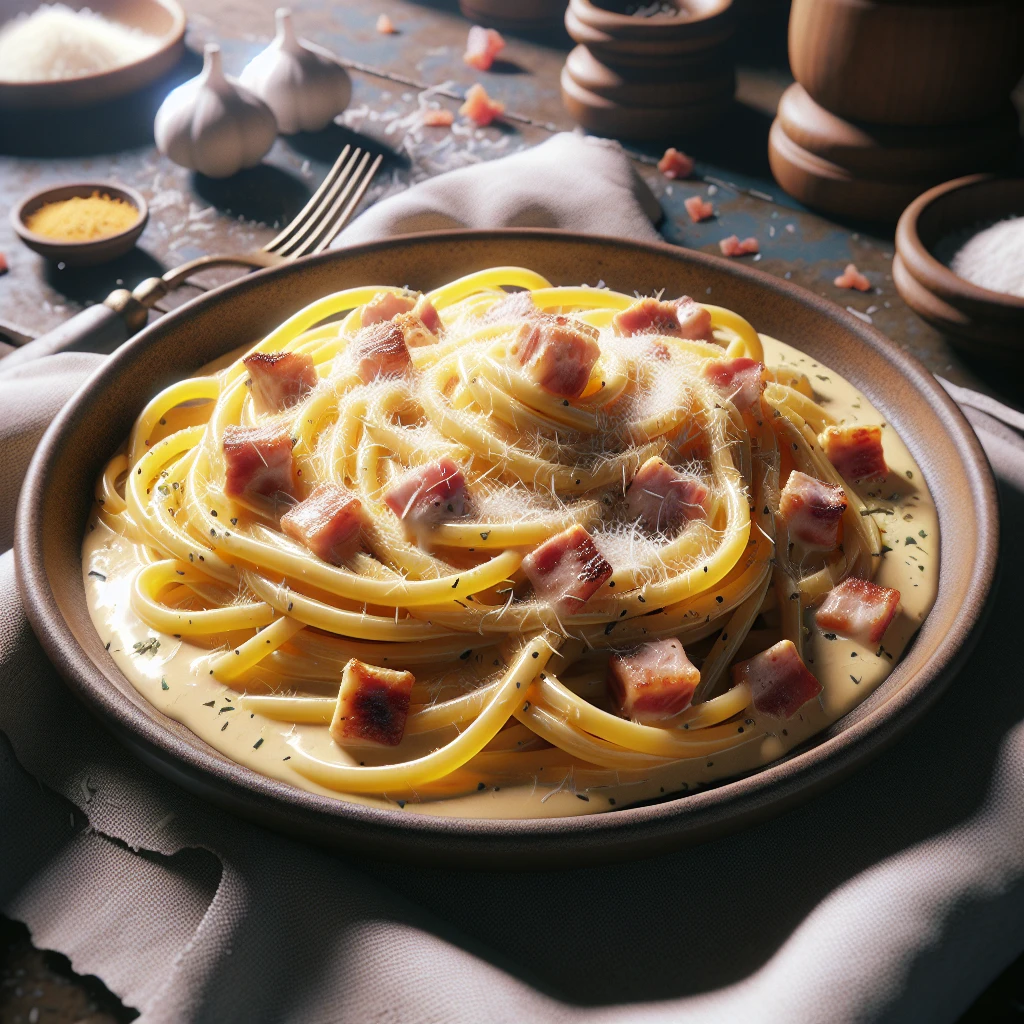
This post may contain affiliate links. As an Amazon Associate, we earn from qualifying purchases.
Ingredients for Traditional Roman Carbonara
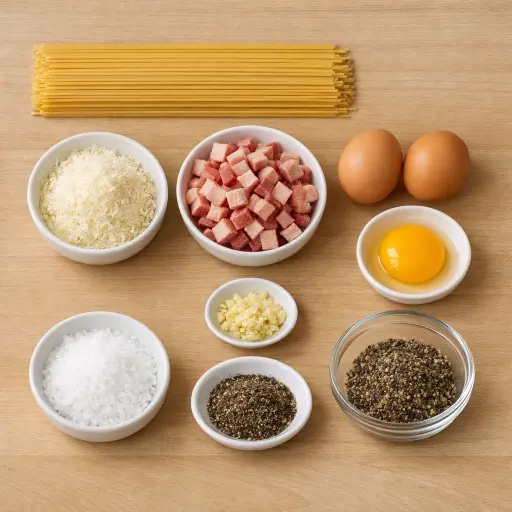
Spaghetti is the traditional pasta choice, providing the perfect texture to hold the creamy sauce. Pancetta, with its salty and savory profile, crisps up nicely to add a delightful crunch. The combination of eggs and egg yolk creates the creamy component of the sauce that coats every strand of pasta. Parmesan cheese adds umami and richness, while garlic brings a hint of aromatic warmth. Finally, a touch of salt and freshly ground black pepper enhances the flavor, making each bite irresistible.
Why This Traditional Roman Carbonara Works
During cooking, the pasta gives off starch into the boiling water. A bit of that starchy water is saved, and later it blends with the eggs, cheese, and pancetta fat. As it all gets stirred together off the heat, the hot spaghetti slowly warms the egg mixture. The eggs start to thicken and cling to each strand of pasta instead of scrambling into chunks.
In the pan, the pancetta browns and turns crisp, and some of its fat melts out. That melted fat coats the spaghetti first, so the noodles stay slick and don’t stick together. Once the egg and cheese mixture goes in, the fat and starchy water let it spread evenly, so the sauce stays smooth and glossy instead of dry.
By adding the hot pasta and egg mixture off the heat and stirring fast, the sauce stays creamy and silky. The cheese melts into the warm eggs, the pasta water loosens everything just enough, and the result is a thick, shiny sauce that holds onto the spaghetti instead of sliding off.
Traditional Roman Carbonara Tips & Tricks
- Always remove the pan from heat before adding the egg mixture to avoid scrambling.
- Use fresh, high-quality Parmesan for the best flavor.
- If you prefer a smokier flavor, substitute pancetta with guanciale.
Mistakes To Avoid
Pouring the egg and cheese mixture into a pan that is still very hot makes the eggs seize up on contact. Instead of turning into a smooth sauce, the eggs set in little curds and cling to the pasta like scrambled bits. The final dish looks grainy and dry instead of glossy and creamy.
Letting the pasta sit too long after draining means it cools down and the starch on the surface dries out. When it goes into the pan, the egg mixture doesn’t melt and thicken around it properly, so the sauce stays pasty and clumpy. The result is spaghetti that feels coated in sticky cheese rather than a loose, silky sauce.
Adding too much pasta water too fast thins the sauce before the cheese and eggs have a chance to cling to the spaghetti. The liquid then pools at the bottom of the pan while the pasta stays only lightly coated. On the plate, the carbonara looks watery, and the sauce slides off instead of holding to each strand.
Ingredients
- 12 oz spaghetti
- 4 oz pancetta, diced
- 2 large eggs
- 1 large egg yolk
- 1 cup freshly grated Parmesan cheese
- 1 clove garlic, minced
- Salt, to taste
- Black pepper, freshly ground, to taste
Step-by-step Instructions
- 1. Cook the spaghetti in a large pot of salted boiling water until al dente. Reserve 1 cup of pasta water and drain.
- 2. In a skillet, cook the pancetta over medium heat until crispy. Add minced garlic and sauté for 1 minute. Remove from heat.
- 3. In a bowl, whisk together eggs, egg yolk, and Parmesan cheese. Season with salt and freshly ground black pepper.
- 4. Add the cooked spaghetti to the skillet with pancetta and garlic, tossing to coat.
- 5. Remove pan from heat and slowly add the egg mixture, stirring quickly to prevent the eggs from scrambling. Add reserved pasta water, a little at a time, to reach desired sauce consistency.
- 6. Adjust seasoning with salt and pepper, and serve immediately with additional Parmesan cheese.
Trending Now
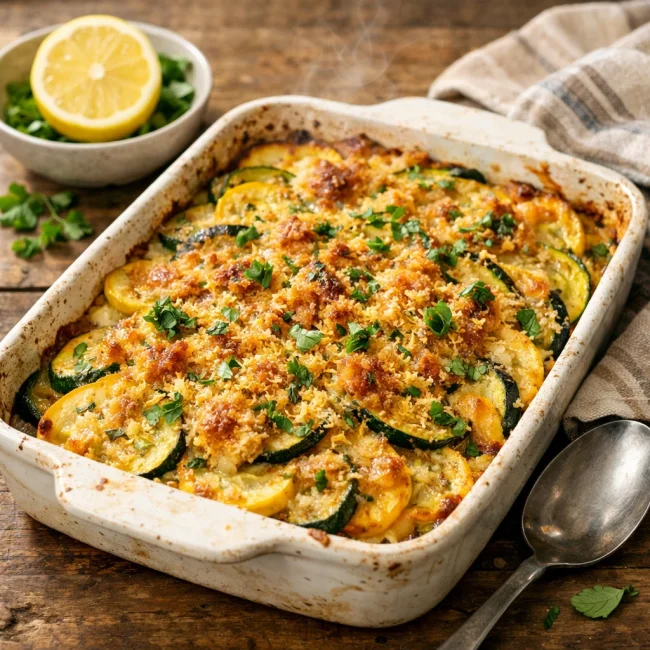
Zesty Summer Squash Casserole
This delightful summer squash casserole combines vibrant garden-fresh vegetables w...
View Recipe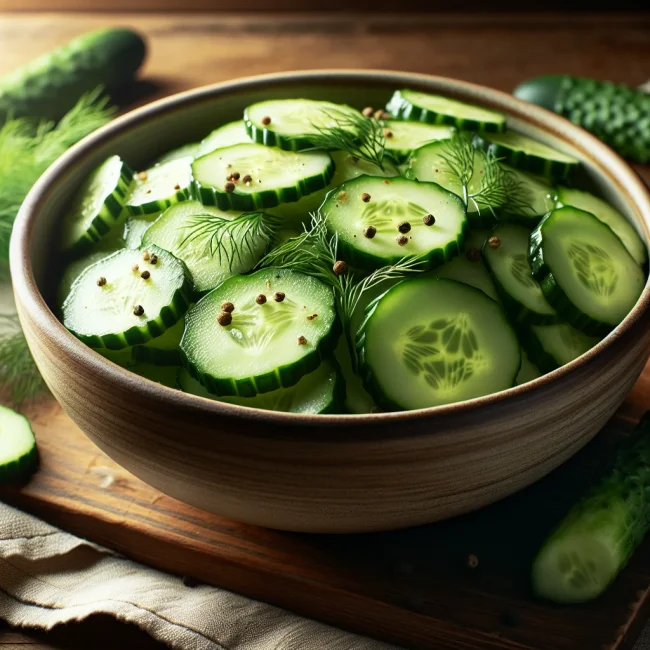
Classic Cucumber Salad
A refreshing and light cucumber salad featuring crisp cucumbers and a tangy vinaig...
View Recipe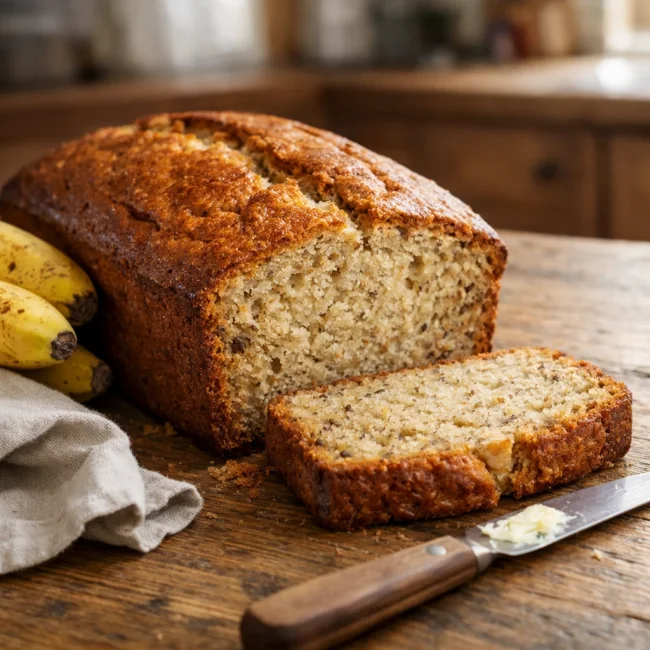
Classic Banana Bread
Classic Banana Bread is a timeless dessert beloved for its moist texture and sweet...
View Recipe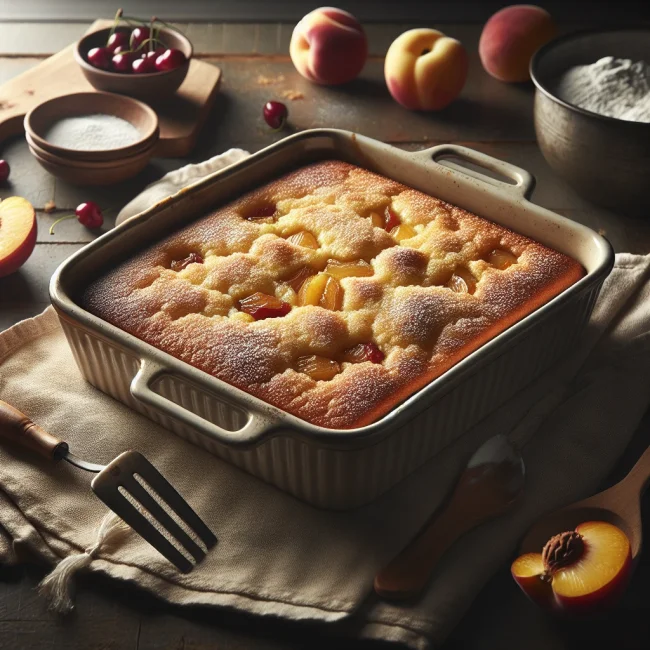
Traditional Dump Cake
Discover the timeless delight of the Traditional Dump Cake, a simple and scrumptio...
View RecipeFrequently Asked Questions
- Can I use bacon instead of pancetta?
- Yes, bacon can be used, though it will add a smokier flavor compared to pancetta.
- What can I do if my sauce is too thick?
- Simply add more reserved pasta water, a little at a time, until the desired consistency is reached.
Serving Ideas for Traditional Roman Carbonara
Pair this Roman Carbonara with a simple green salad dressed in a light vinaigrette to balance the richness of the pasta. A crisp white wine, like a Pinot Grigio, complements the dish beautifully, enhancing the delicate flavors without overpowering them.
More Pasta Recipes
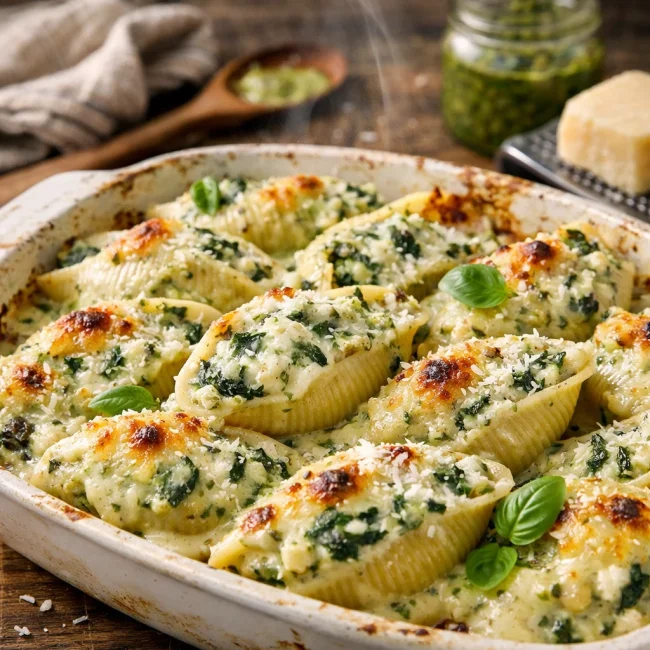
Spinach and Ricotta Stuffed Shells with Pesto Alfredo
Try this delicious twist on classic stuffed shells with a creamy pesto Alfredo sau...
View Recipe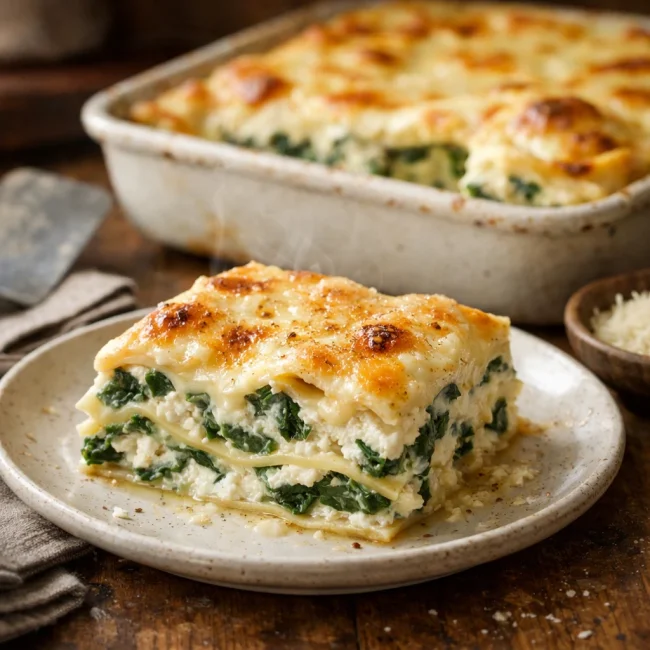
Spinach and Ricotta White Lasagna
A unique twist on the classic lasagna, this white lasagna combines creamy ricotta,...
View Recipe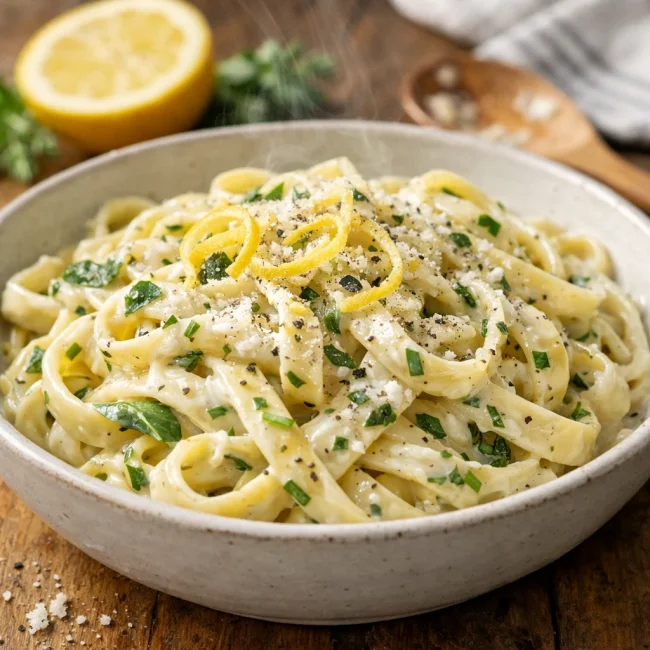
Lemon Herb Fettuccine Alfredo
Lemon Herb Fettuccine Alfredo is a refreshing twist on the classic dish, combining...
View Recipe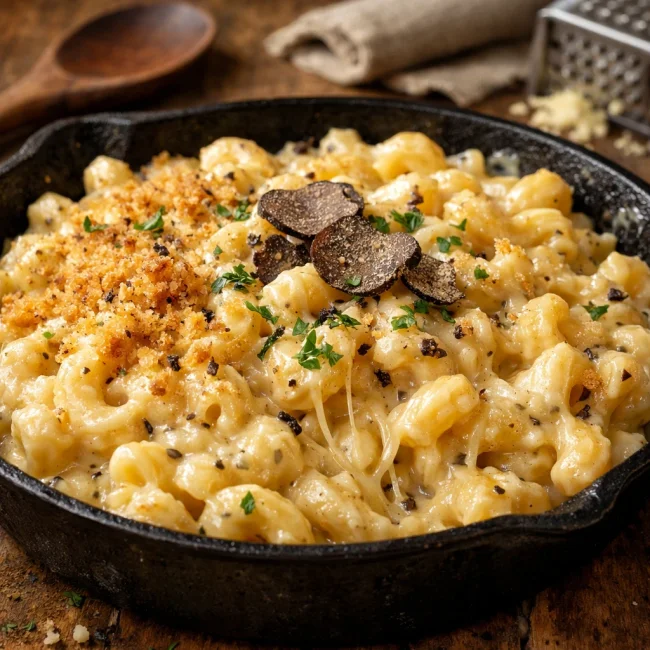
Truffle Mac and Cheese
Experience the ultimate comfort food with a gourmet twist in this Truffle Mac and ...
View Recipe