
Traditional Roast Fresh Ham
If you're looking for a showstopper main dish, this Traditional Roast Fresh Ham is it. With a blend of fresh herbs and a hint of apple, it's perfect for special occasions or a cozy family dinner. It's the kind of dish that fills your home with an irresistible aroma and leaves everyone asking for seconds.
 Share
Share

This post may contain affiliate links. As an Amazon Associate, we earn from qualifying purchases.
Ingredients for Traditional Roast Fresh Ham
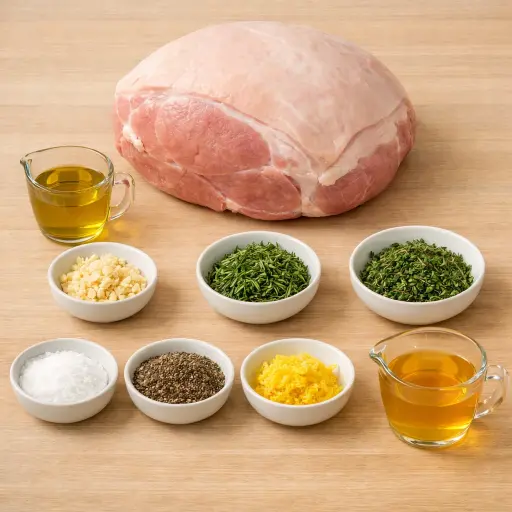
Fresh ham is the star of this dish, providing a rich, meaty flavor. Using a 10 lb ham means you'll have plenty to go around. The olive oil helps the herbs adhere to the meat and adds a subtle richness. Garlic and fresh rosemary bring warmth and depth, while fresh thyme adds a hint of earthiness. Kosher salt and black pepper enhance all these flavors, making everything pop. A touch of lemon zest brightens the mix with a bit of zing. Finally, apple cider vinegar and apple juice keep the ham moist and infuse a hint of sweetness.
Why This Traditional Roast Fresh Ham Works
During the long, steady time in the oven, the fresh ham slowly warms all the way to the center. The low heat lets the fat inside the meat soften and melt instead of rushing out. As that happens, the meat stays moist and doesn’t dry out, even though it cooks for hours.
While the ham roasts, the garlic, rosemary, thyme, salt, pepper, and lemon zest paste sticks to the outside and forms a kind of seasoned shell. Under the foil, the surface steams a bit, so the meat cooks gently and the juices stay in. The apple juice and apple cider vinegar in the pan give off steam too, which keeps the air around the ham moist and stops the outside from getting tough.
Once the foil comes off near the end, the outside finally has a chance to dry and brown. The crust firms up, the fat near the surface crisps, and the inside stays tender. Resting at the end lets the hot juices settle back into the meat instead of running out on the cutting board.
Traditional Roast Fresh Ham Tips & Tricks
- Always use a meat thermometer for precise cooking. Guesswork can lead to overcooked or undercooked meat.
- If you have time, season the ham the night before and let it sit in the fridge. This deepens the flavors.
- Consider using a roasting rack to elevate the ham; this helps the heat circulate evenly.
Mistakes To Avoid
Letting the ham roast at a higher temperature than 325°F often makes the outside tough and dark before the center reaches 145°F. The fat doesn’t have time to slowly melt and moisten the meat, so the outer layers dry out while the inside can still be a bit chewy and underdone.
Skipping the foil for the first long stretch of roasting leaves the ham exposed to dry oven air for hours. Instead of gently steaming in its own juices and the apple liquid, the surface hardens and the pan liquid can cook off too fast, so the meat ends up stringy instead of tender.
Pulling the ham from the oven without checking with a thermometer easily leads to undercooked or overcooked meat. When it comes out below 145°F, the center stays a little rubbery and wet; when it goes far above that, the lean parts tighten and squeeze out their juices.
Carving right away instead of letting the ham rest for 20 minutes causes the juices to rush out onto the cutting board. The slices then turn dry and slightly fibrous, even though the meat was cooked correctly.
Equipment Used:
Roasting pan, Meat thermometer, Sharp carving knife, Basting brush
Ingredients
- 10 lb fresh ham
- 1/4 cup olive oil
- 3 cloves garlic, minced
- 2 tbsp fresh rosemary, chopped
- 2 tbsp fresh thyme, chopped
- 1 tbsp kosher salt
- 1 tbsp black pepper
- 1 tbsp lemon zest
- 1/4 cup apple cider vinegar
- 1 cup apple juice
Step-by-step Instructions
- 1. Preheat the oven to 325°F.
- 2. In a small bowl, mix olive oil, garlic, rosemary, thyme, salt, pepper, and lemon zest to form a paste.
- 3. Rub the paste all over the fresh ham, ensuring even coverage.
- 4. Place the ham in a roasting pan and pour apple cider vinegar and apple juice into the pan.
- 5. Cover with foil and roast for 4 hours, basting occasionally.
- 6. Remove the foil for the last hour to allow the crust to crisp.
- 7. Check doneness with a meat thermometer; it should read 145°F.
- 8. Let rest for 20 minutes before carving.
Trending Now
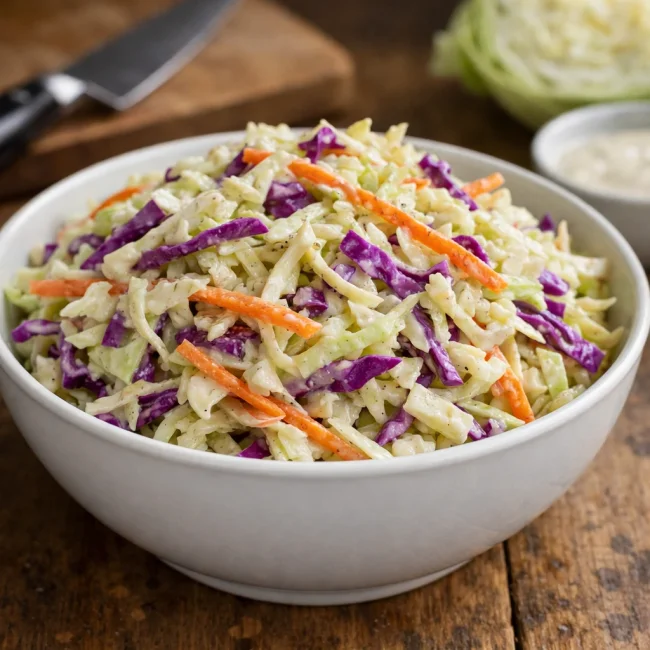
Traditional Crisp Coleslaw
A classic coleslaw recipe featuring finely shredded cabbage and carrots tossed in ...
View Recipe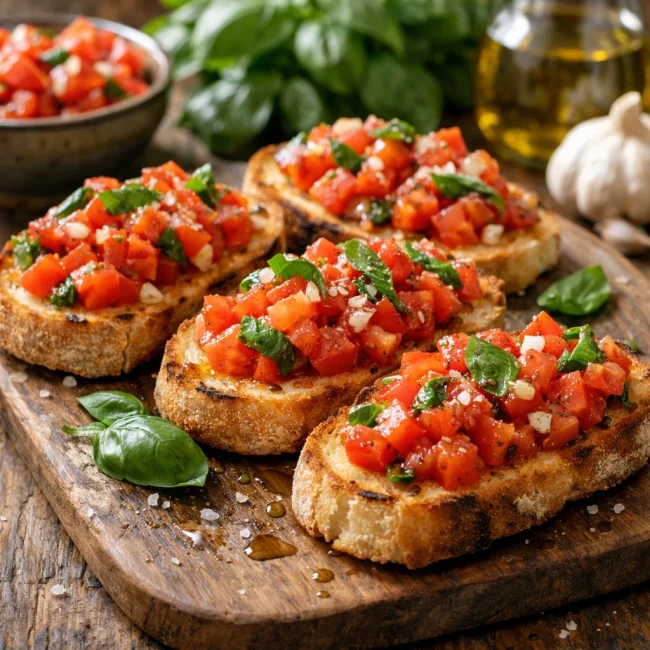
Traditional Italian Bruschetta
Experience the authentic taste of Italian bruschetta, a perfect blend of fresh tom...
View Recipe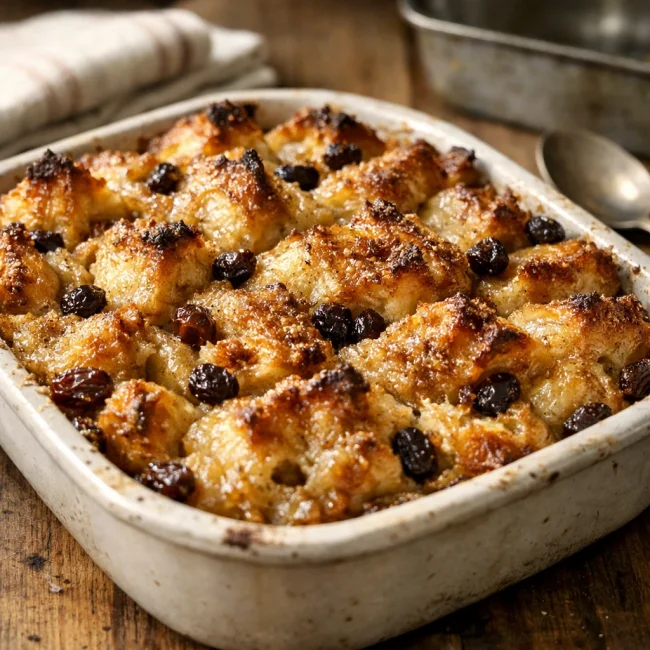
Old-Fashioned Bread Pudding
Discover the classic charm of Old-Fashioned Bread Pudding - a timeless dessert com...
View Recipe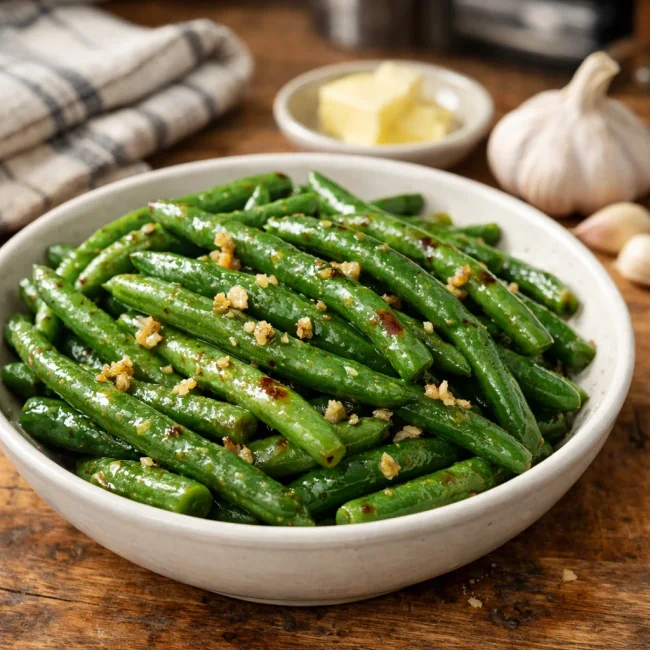
Classic Green Beans
Discover the timeless delight of Classic Green Beans, a simple yet flavorful side ...
View RecipeFrequently Asked Questions
- Can I use a spiral-cut ham?
- This recipe is best with a whole fresh ham. Spiral-cut can dry out during the long cooking process.
- What can I use instead of apple juice?
- Pineapple juice or orange juice can work well as alternatives, adding a different fruity note.
- How do I store leftovers?
- Wrap tightly in foil or store in an airtight container. It will keep in the fridge for up to 5 days.
Serving Ideas for Traditional Roast Fresh Ham
This traditional roast ham pairs beautifully with creamy mashed potatoes and roasted vegetables like carrots and Brussels sprouts. For a touch of freshness, a simple green salad with a light vinaigrette is a nice contrast to the rich flavors. And don't forget some crusty bread to mop up all those delicious juices!
More Roasting Recipes
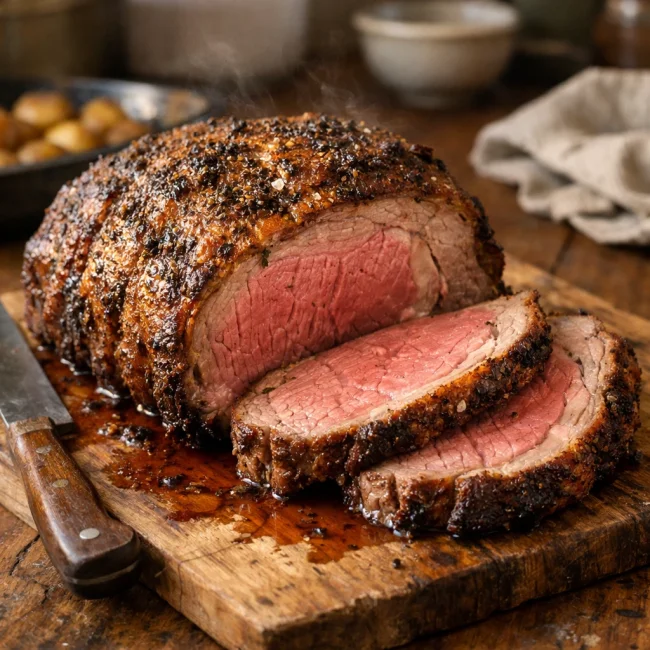
Classic Rib Eye Roast
A timeless rib eye roast recipe that delivers a succulent, flavorful dish perfect ...
View Recipe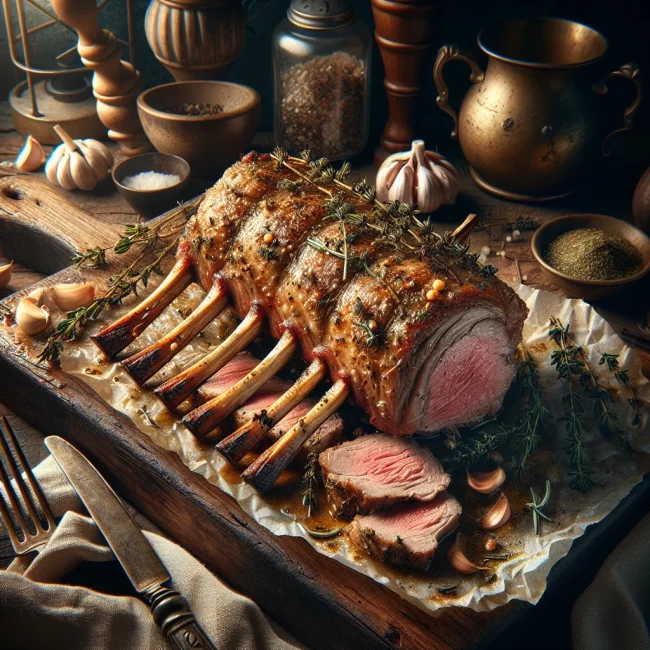
Traditional Roast Rack of Lamb
Savor the timeless delight of a perfectly roasted rack of lamb, infused with garli...
View Recipe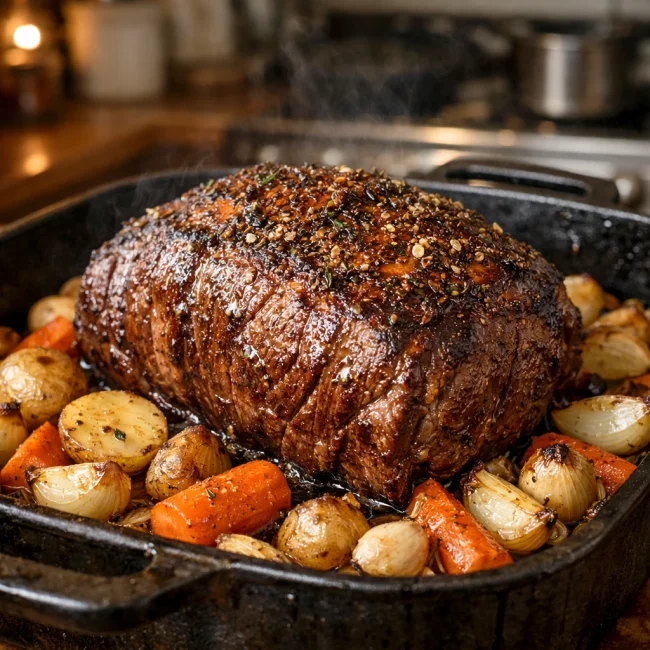
Traditional Oven Roast
A timeless oven roast recipe perfect for family gatherings, featuring tender beef,...
View Recipe
Traditional Chuck Roast
Discover the rich and hearty flavors of our Traditional Chuck Roast, perfect for a...
View Recipe