
Traditional Puff Pastry
Puff pastry is one of those kitchen marvels that looks intimidating but is surprisingly manageable once you get the hang of it. With its delicate, buttery layers, this traditional recipe is perfect for both sweet and savory creations. Ready to impress yourself and others with your pastry skills?
 Share
Share

This post may contain affiliate links. As an Amazon Associate, we earn from qualifying purchases.
Ingredients for Traditional Puff Pastry
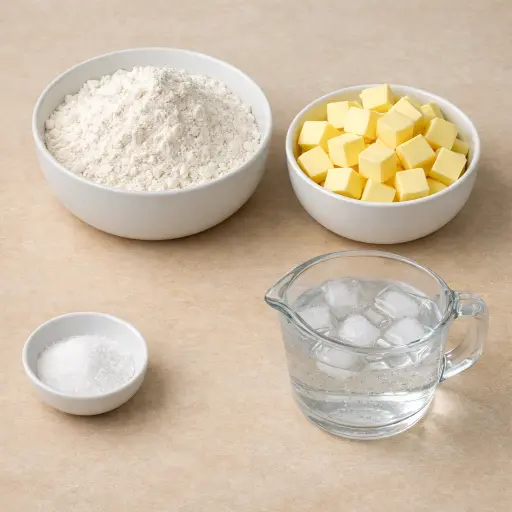
Flour forms the base, giving structure to the dough. Opt for all-purpose for a good balance of strength and tenderness. Butter is the star, providing flavor and creating those flaky layers. Keep it chilled and diced for easy incorporation. A bit of salt enhances the overall taste, making each layer pop. Finally, ice-cold water brings everything together without melting the butter, crucial for those distinct layers.
Why This Traditional Puff Pastry Works
Cold butter and simple folding do most of the work here. At the start, the butter stays in small, solid pieces coated in flour. As the ice-cold water goes in, the flour soaks it up and starts to hold together, but the butter still stays in chunks instead of melting into the dough. That rough dough ball might look messy, but it is exactly what is needed.
When the dough is rolled and folded over and over, those butter chunks stretch into thin, flat sheets between layers of dough. Each fold stacks more layers on top of each other. Chilling in between keeps the butter firm, so it does not smear and blend into the flour. Once the dough finally goes into a hot oven, the cold butter sheets melt and the water in them turns to steam. That steam pushes the dough layers apart while the flour sets in place, so the pastry rises up and stays light, crisp, and flaky instead of dense.
Traditional Puff Pastry Tips & Tricks
- Keep everything cold: Chill your tools and workspace if possible.
- A light touch is best: You’re coaxing layers, not wrestling the dough.
- A bench scraper is handy for keeping your surface clean and managing the dough.
Mistakes To Avoid
Using butter that is too soft turns the dough into a greasy paste instead of layers. The butter smears into the flour instead of staying in small cold pieces, so in the oven it melts out in one go instead of steaming in thin sheets. The baked pastry comes out flat, heavy, and a bit oily instead of tall and flaky.
Adding all the water at once often makes the dough wet and sticky. The cook then has to add a lot more flour on the counter just to handle it, which tightens the dough. The extra flour and handling make the pastry bake up tough and chewy instead of light.
Rolling the dough too hard or for too long presses the butter fully into the dough. Instead of clear layers of dough and butter, everything blends into one solid sheet. In the oven this bakes more like a regular pie crust, with very little lift.
Skipping the chilling time before using the dough means the butter goes into the oven already soft. It melts out quickly, the layers slide, and the pastry spreads instead of puffing up.
Equipment Used:
Ingredients
- 2 cups all-purpose flour
- 1 cup unsalted butter, chilled and diced
- 1 teaspoon salt
- 3/4 cup ice-cold water
Step-by-step Instructions
- 1. In a large mixing bowl, combine the flour and salt.
- 2. Add the chilled, diced butter to the flour mixture, and using a pastry cutter, mix until the mixture resembles coarse crumbs.
- 3. Gradually add the ice-cold water, mixing with a fork until the dough begins to come together.
- 4. Turn the dough onto a floured surface and knead it gently to form a smooth ball.
- 5. Roll out the dough into a rectangle about 12x18 inches.
- 6. Fold the top third of the dough down to the center, then fold the bottom third up and over the top, like folding a letter.
- 7. Rotate the dough 90 degrees and roll it out again to a 12x18 inch rectangle.
- 8. Repeat the folding process 5 more times, chilling the dough for 30 minutes between folds if it becomes too elastic.
- 9. Once the folding is complete, wrap the dough in plastic wrap and chill for at least 1 hour before using it.
Trending Now
Old-Fashioned Bread Pudding
Discover the classic charm of Old-Fashioned Bread Pudding - a timeless dessert com...
View Recipe
Traditional Italian Bruschetta
Experience the authentic taste of Italian bruschetta, a perfect blend of fresh tom...
View Recipe
Classic Green Beans
Discover the timeless delight of Classic Green Beans, a simple yet flavorful side ...
View Recipe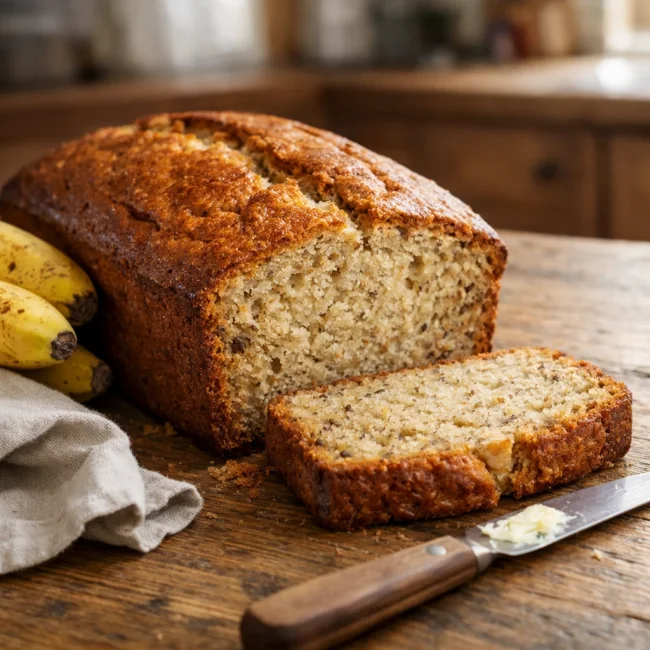
Classic Banana Bread
Classic Banana Bread is a timeless dessert beloved for its moist texture and sweet...
View RecipeFrequently Asked Questions
- Can I use salted butter?
- It's best to use unsalted butter to control the salt level in your pastry.
- How thin should I roll the dough?
- About 1/8 inch thick is ideal for most applications.
- Can I freeze the dough?
- Absolutely! Wrap it well and freeze for up to three months. Thaw overnight in the fridge before using.
Serving Ideas for Traditional Puff Pastry
For a sweet treat, fill your puff pastry with homemade jam or a dollop of Nutella before baking. For savory options, try spinach and feta or curried chicken. Puff pastry also makes a stunning topper for pot pies or a base for tarts of all kinds.
More Breads & Baked Goods Recipes
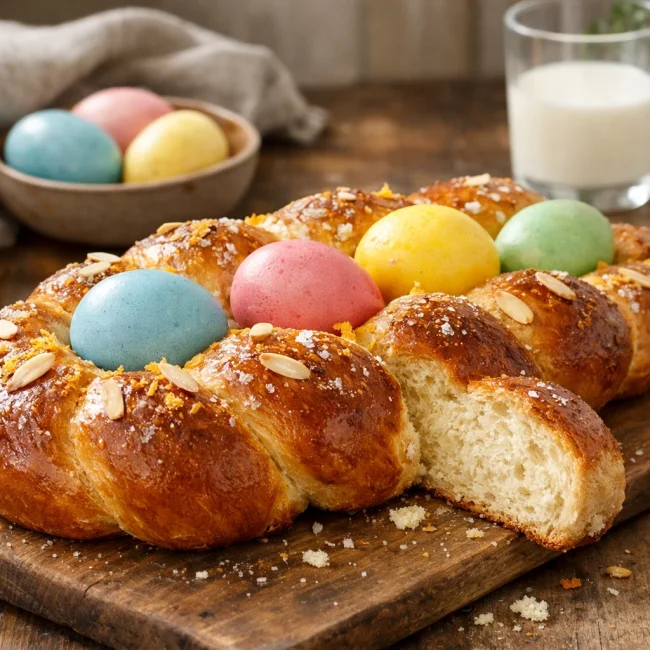
Traditional Italian Easter Bread
Savor the delightful taste of a classic Italian Easter bread, a sweet, soft, and s...
View Recipe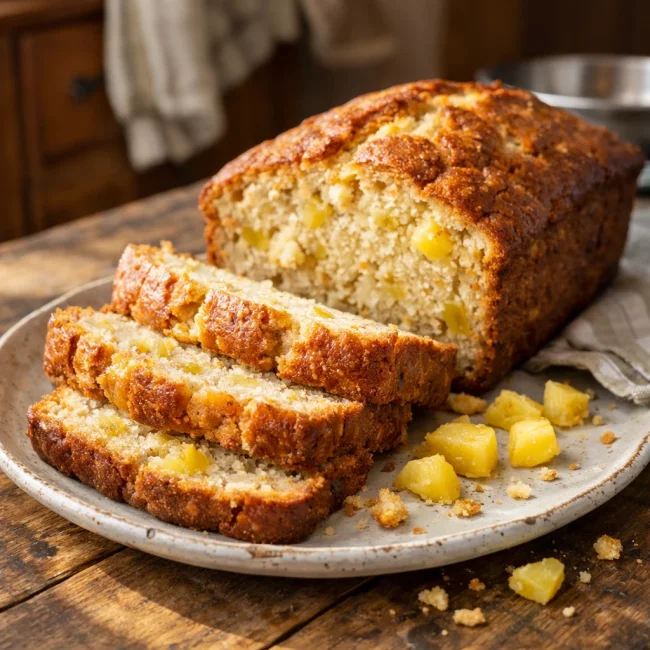
Old-Fashioned Pineapple Bread
A delightful and flavorful bread infused with juicy pineapple, perfect for breakfa...
View Recipe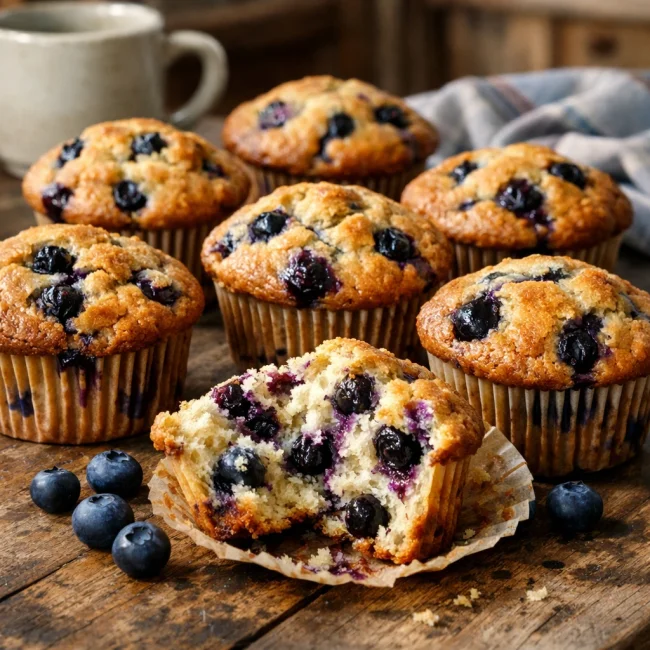
Old-Fashioned Blueberry Muffins
Transport yourself to simpler times with these delightful old-fashioned blueberry ...
View Recipe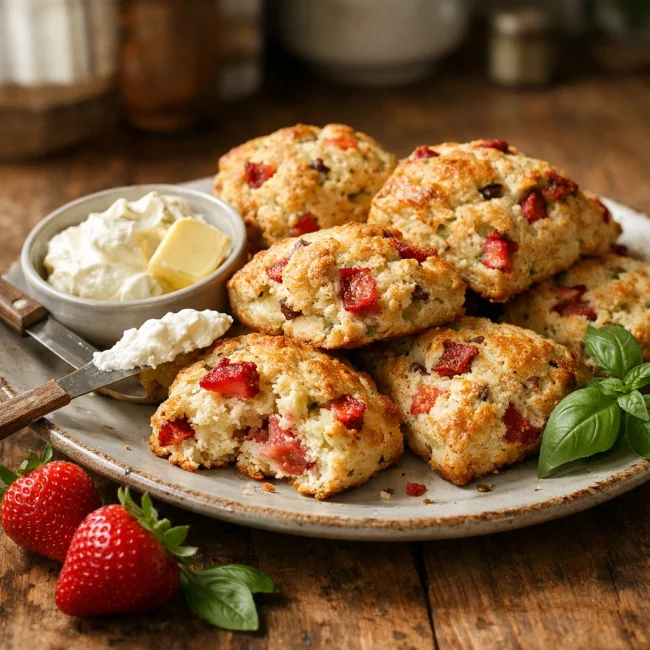
Strawberry Basil Scones
These tender scones combine the sweetness of fresh strawberries with a hint of pep...
View Recipe