
Traditional Pound Cake
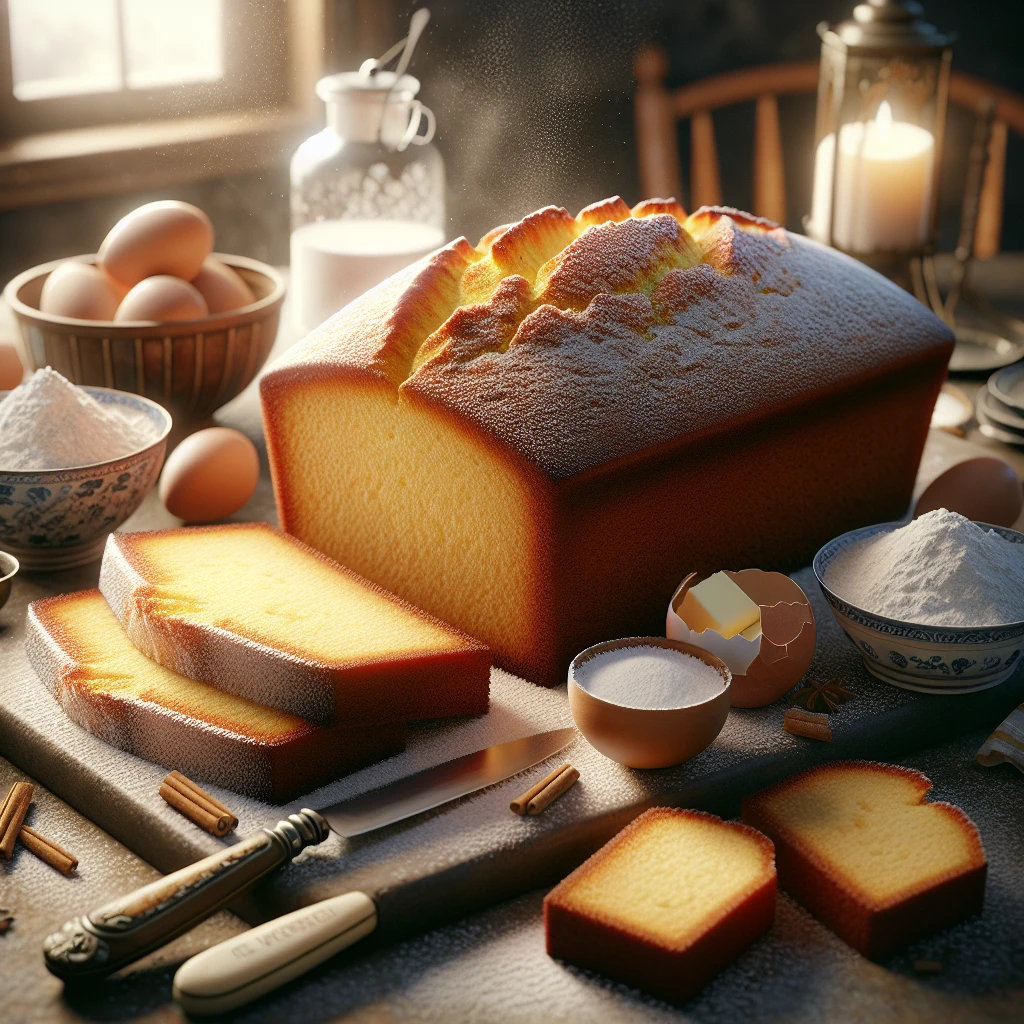
In the world of baking, few things are as comforting as a traditional pound cake. Simple, yet rich with flavor, this pound cake recipe is a timeless classic that brings a touch of nostalgia with every bite.
 Share
Share
This post may contain affiliate links. As an Amazon Associate, we earn from qualifying purchases.
Ingredients for Traditional Pound Cake
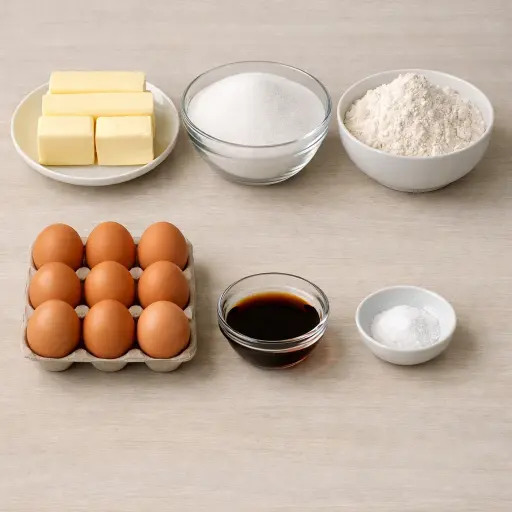
Butter is the heart of any good pound cake, providing richness and a tender crumb. Make sure it's unsalted to control the salt level in the cake.
Granulated sugar adds sweetness and helps to cream with the butter, creating a light and airy batter.
All-purpose flour gives structure to the cake. It's important to measure it correctly to avoid a dense cake.
Eggs act as a binding agent and add moisture. Using large eggs will give you the right balance of liquids and fats.
A touch of vanilla extract elevates the flavor, adding a subtle aroma and sweetness.
Salt enhances all the other flavors, balancing sweetness and adding depth.
Why This Traditional Pound Cake Works
During baking, the huge amount of butter and sugar slowly melts and spreads through the batter. As it heats up, the sugar dissolves into the melted butter and egg mixture, so the cake stays moist instead of drying out. All that fat coats the flour, so the flour can’t form tough gluten the way bread does. That is why the cake stays dense but still soft and tender.
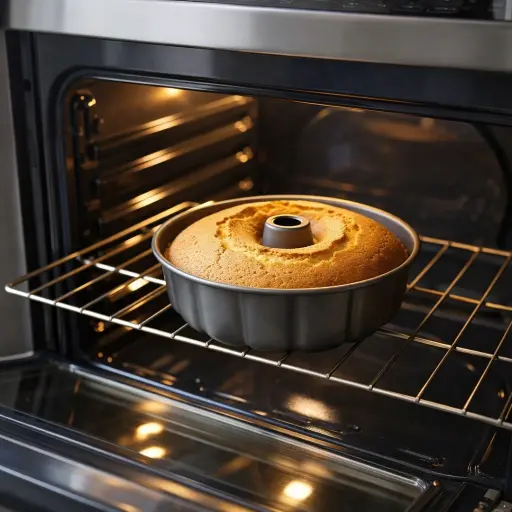
While the cake bakes at a lower oven temperature, the eggs slowly set and give the cake its structure. They act like a net that holds all the butter and sugar in place once the cake cools. With steady heat, the outside firms up first and the middle has time to cook through without burning the crust. By the time a toothpick comes out clean, the inside has set just enough to hold together, but there is still plenty of moisture trapped inside, so the pound cake slices cleanly and doesn’t crumble apart.
Traditional Pound Cake Tips & Tricks
- Bring your butter and eggs to room temperature for easier mixing and a more consistent batter.
- Use a scale to measure your ingredients, especially the flour, for the most accurate results.
- If your oven runs hot, consider checking the cake a little earlier to prevent over-baking.
Mistakes To Avoid
Letting the cake bake at a higher temperature or too close to the top of the oven often makes the outside brown and hard while the center stays undercooked. The crust sets and darkens fast, but the thick batter in the middle doesn’t get enough gentle time to cook through. The result is a cake that looks done on the outside but cuts open to a wet, gummy center.
Adding cold butter or not creaming the butter and sugar long enough keeps enough air from getting into the batter. The sugar doesn’t dissolve well and the mixture stays heavy and grainy. The finished cake then bakes up dense and tight instead of with a fine, soft crumb.
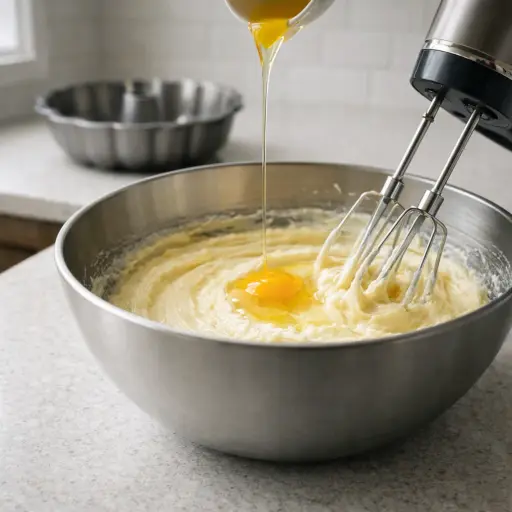
Pouring in the eggs too fast or not beating well between each one can cause the batter to look curdled and uneven. The fat and liquid don’t blend smoothly, so the structure of the cake is weak. In the oven this often leads to a coarse, uneven texture and sometimes a sunken middle.
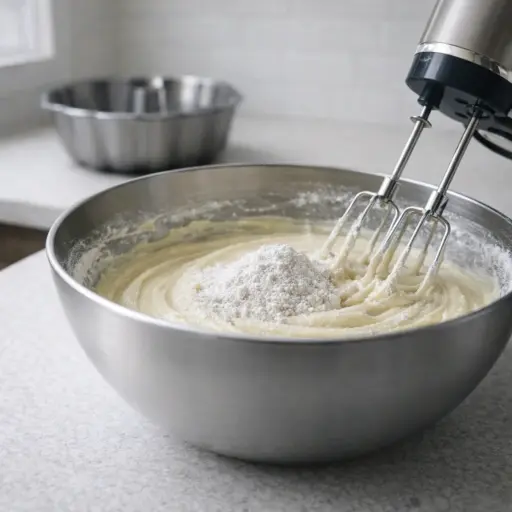
Overmixing after the flour goes in makes the gluten in the flour tighten up. The batter turns stretchy instead of soft and thick. Once baked, the pound cake can feel tough and bready instead of tender.
Equipment Used:
Ingredients
- 1 lb unsalted butter
- 1 lb granulated sugar
- 1 lb all-purpose flour
- 9 large eggs
- 1 tsp vanilla extract
- 1/2 tsp salt
Step-by-step Instructions
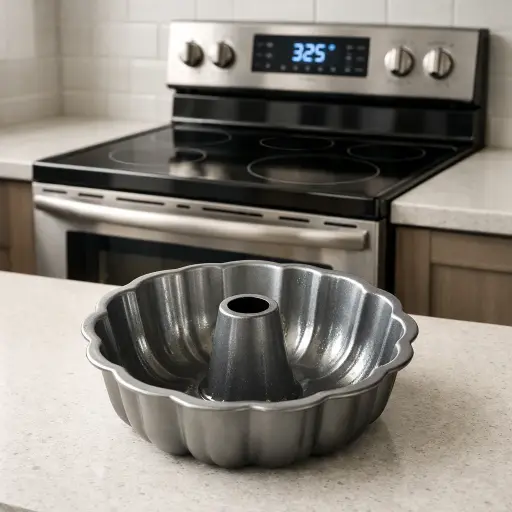
- 1. Preheat your oven to 325°F (163°C) and grease a 10-inch bundt or tube pan.
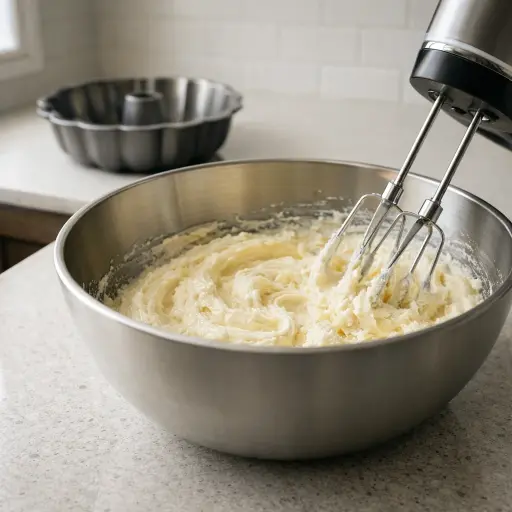
- 2. In a large mixing bowl, cream the butter and sugar together until light and fluffy.
- 3. Add eggs one at a time, beating well after each addition.
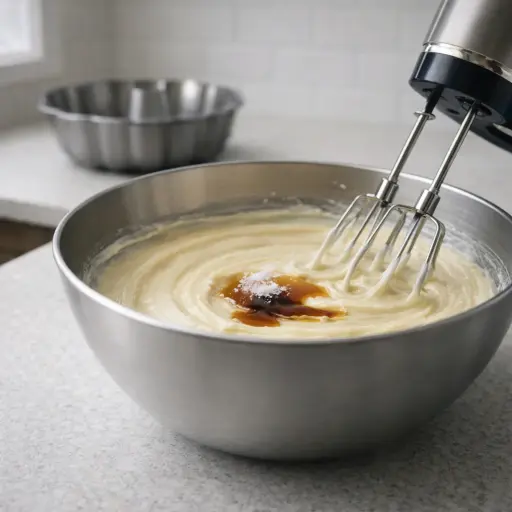
- 4. Stir in the vanilla extract and salt.
- 5. Gradually add the flour, mixing until just combined.
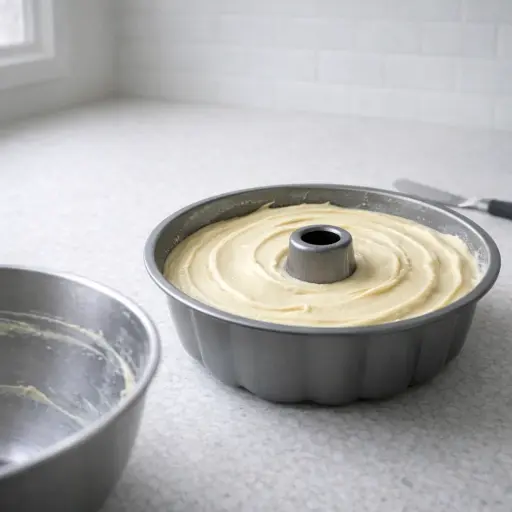
- 6. Pour the batter into the prepared pan and smooth the top.
- 7. Bake for approximately 1 hour and 30 minutes, or until a toothpick inserted into the center comes out clean.
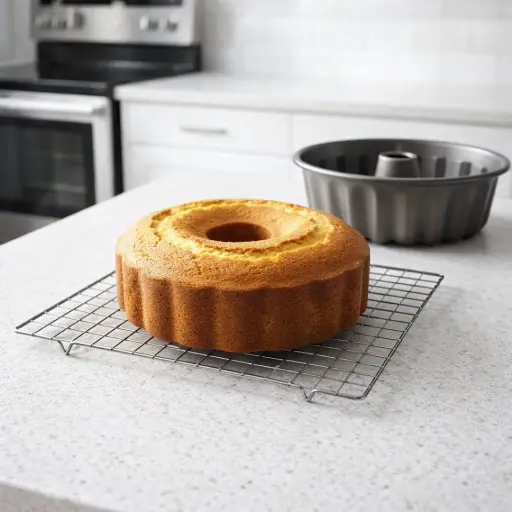
- 8. Allow the cake to cool in the pan for 15 minutes, then turn out onto a wire rack to cool completely.
Trending Now
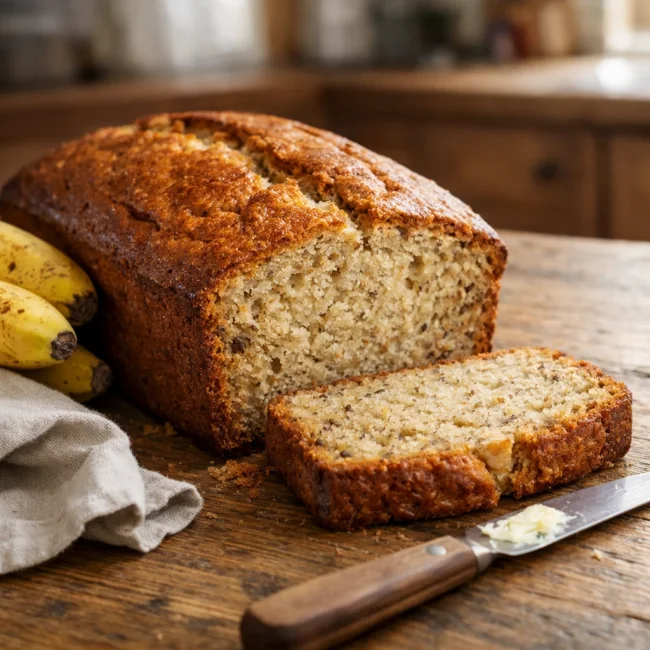
Classic Banana Bread
Classic Banana Bread is a timeless dessert beloved for its moist texture and sweet...
View Recipe
Classic Cucumber Salad
A refreshing and light cucumber salad featuring crisp cucumbers and a tangy vinaig...
View Recipe
Zesty Summer Squash Casserole
This delightful summer squash casserole combines vibrant garden-fresh vegetables w...
View Recipe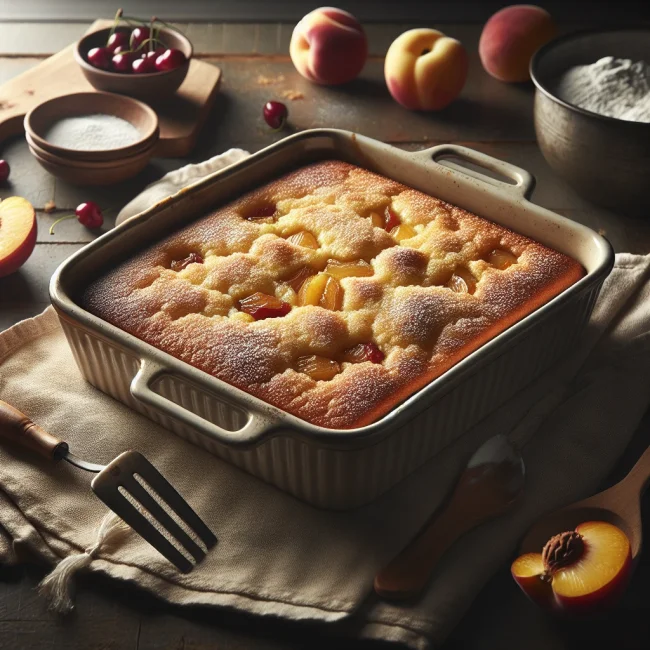
Traditional Dump Cake
Discover the timeless delight of the Traditional Dump Cake, a simple and scrumptio...
View RecipeFrequently Asked Questions
- Can I use salted butter instead of unsalted?
- You can, but reduce the added salt to balance the flavors.
- How do I store the pound cake?
- Wrap it tightly in plastic wrap or store it in an airtight container at room temperature for up to three days.
- Can I freeze the cake?
- Yes, pound cake freezes well. Wrap slices individually in plastic wrap and place them in a freezer-safe bag for up to three months.
Serving Ideas for Traditional Pound Cake
This pound cake pairs beautifully with fresh berries and a dollop of whipped cream. For a more indulgent treat, try serving it with a scoop of vanilla ice cream and a drizzle of chocolate sauce. If you're feeling adventurous, a sprinkle of lemon zest can add a refreshing twist.
More Desserts, Breads & Baked Goods, Baking, Comfort Food Recipes
Old-Fashioned Soft Molasses Cookies
Delight in these chewy and richly spiced old-fashioned molasses cookies that captu...
View Recipe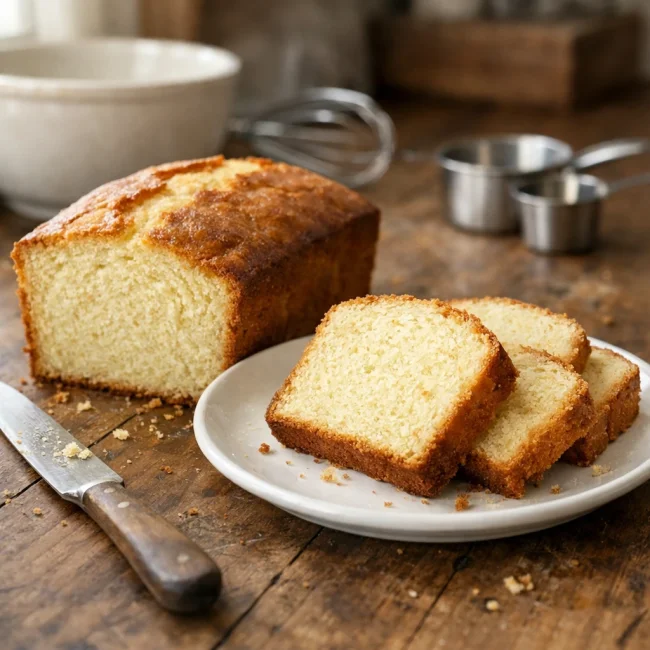
Traditional Pound Cake
Discover the simplicity and delight of a Traditional Pound Cake, a timeless desser...
View Recipe