
Traditional Polenta
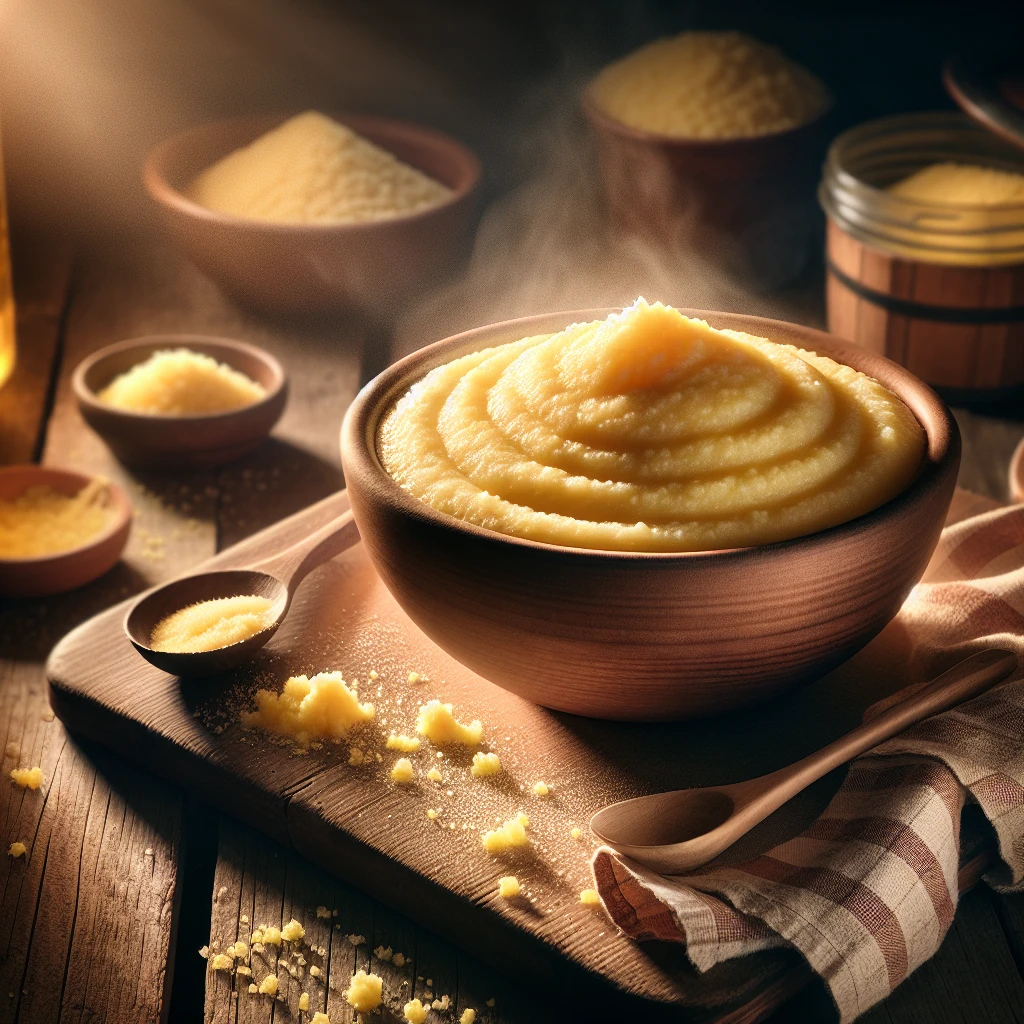
Polenta is one of those classic Italian dishes that offers warmth and comfort in every bite. Simple yet satisfying, it's perfect for cozy nights when you want something hearty and delightful without too much fuss.
 Share
Share
This post may contain affiliate links. As an Amazon Associate, we earn from qualifying purchases.
Ingredients for Traditional Polenta
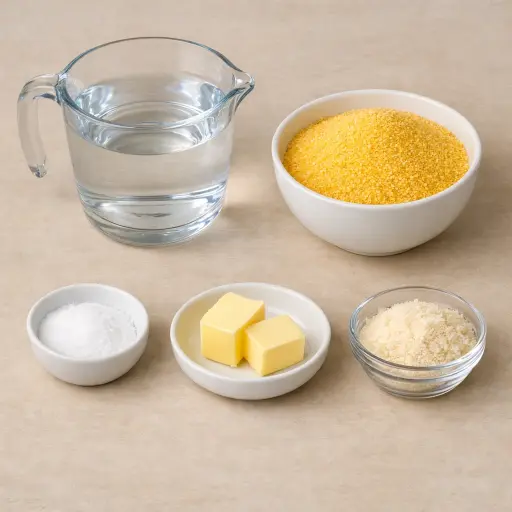
Water is the base that helps transform cornmeal into a creamy delight. You need it hot and boiling to properly cook the cornmeal right from the start. Coarse yellow cornmeal is the star, giving the dish its signature texture and golden hue. Make sure to choose a coarse grind for authenticity. Salt enhances the flavors, balancing the sweetness of the cornmeal. Unsalted butter adds a silky richness, while Parmesan cheese contributes a nutty, savory depth that complements the mild corn perfectly.
Why This Traditional Polenta Works
As the cornmeal goes into the boiling salted water, each grain starts soaking up the hot liquid. At first it feels thin and a little gritty, but with steady heat and constant stirring, the starch inside the cornmeal swells. Over time the pot changes from loose and watery to thick and heavy. Stirring all the time keeps the cornmeal moving so it doesn’t sink, stick to the bottom, or form big lumps. Slow, low heat gives the grains time to soften all the way through instead of staying hard in the center.
Near the end, the polenta is thick enough to hold a spoon trail, but still soft. Off the heat, butter and Parmesan slide in and melt through the hot corn. The fat from the butter and cheese coats the swollen cornmeal grains, so the polenta feels creamy instead of pasty. As it sits for a minute, it settles and evens out, giving a smooth, spoonable texture.
Traditional Polenta Tips & Tricks
- Use a sturdy whisk or a wooden spoon for stirring — it makes a difference.
- If you notice lumps forming, a quick whisk can usually smooth them out.
- For extra creaminess, you can substitute half of the water with milk.
Mistakes To Avoid
Pouring the cornmeal into boiling water all at once makes it clump instantly. Dry lumps form on contact with the hot water and never fully break down, so the finished polenta ends up with hard, grainy bits instead of a smooth texture.
Letting the heat stay too high after adding the cornmeal causes the bottom to scorch while the top still looks fine. The polenta sticks to the pot, dark spots form, and the whole batch can take on a burnt, bitter edge that can’t be stirred out.
Stopping the stirring after the first few minutes often leads to uneven cooking. The heavier cornmeal sinks and sets on the bottom, forming a thick, almost rubbery layer, while the top stays loose and watery instead of turning into one even, creamy mass.
Adding the Parmesan while the polenta is still boiling hard can make the fat separate. The cheese can turn a bit oily and stringy, and instead of a silky finish, the polenta looks greasy with small clumps.
Ingredients
- 4 cups water
- 1 cup coarse yellow cornmeal
- 1 teaspoon salt
- 2 tablespoons unsalted butter
- 1/4 cup grated Parmesan cheese
Step-by-step Instructions
- 1. In a large pot, bring the water to a boil. Add the salt.
- 2. Gradually whisk in the cornmeal, reducing heat to low.
- 3. Stir constantly until the mixture thickens, about 30 minutes.
- 4. Off the heat, stir in butter and Parmesan cheese until melted and smooth.
Trending Now
Old-Fashioned Bread Pudding
Discover the classic charm of Old-Fashioned Bread Pudding - a timeless dessert com...
View Recipe
Classic Green Beans
Discover the timeless delight of Classic Green Beans, a simple yet flavorful side ...
View Recipe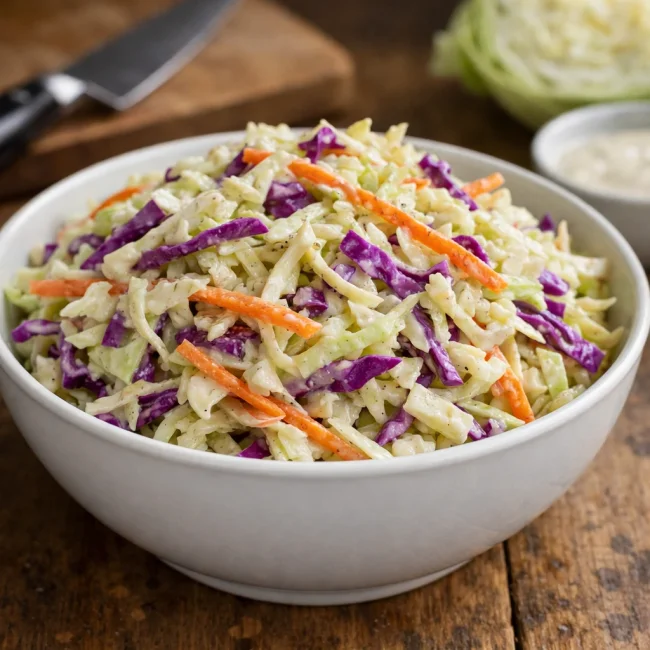
Traditional Crisp Coleslaw
A classic coleslaw recipe featuring finely shredded cabbage and carrots tossed in ...
View Recipe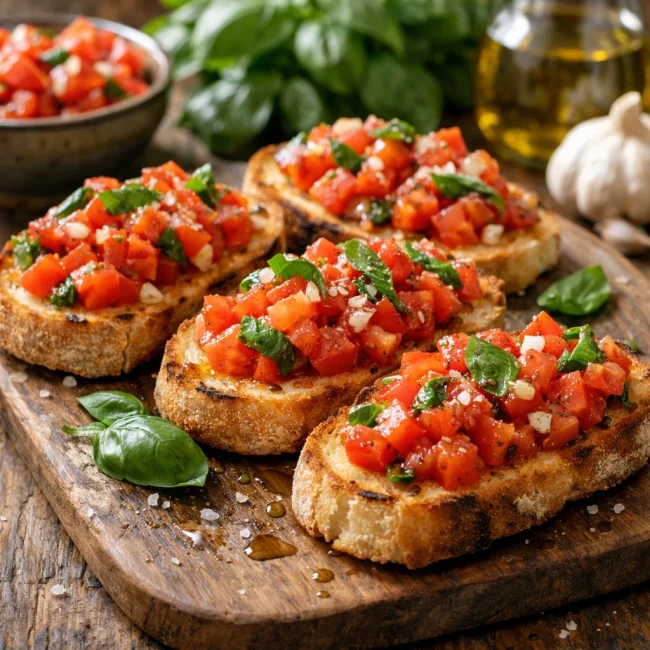
Traditional Italian Bruschetta
Experience the authentic taste of Italian bruschetta, a perfect blend of fresh tom...
View RecipeFrequently Asked Questions
- Can I make polenta ahead of time?
- Yes! Cook it, let it cool, then reheat with a bit of water or broth to restore its creamy texture.
- What if my polenta is too thick?
- Simply add a bit more water or milk and stir until it reaches your desired consistency.
- Is there a way to make it vegan?
- Absolutely! Swap butter for olive oil and use nutritional yeast instead of Parmesan.
Serving Ideas for Traditional Polenta
Polenta is wonderfully versatile. Serve it as a creamy base for savory stews or roasted meats. It also pairs beautifully with a sprinkle of fresh herbs or a drizzle of truffle oil for an elevated touch. You can even let it cool, then fry or grill slices for a crispy edge.
More Side Dishes Recipes
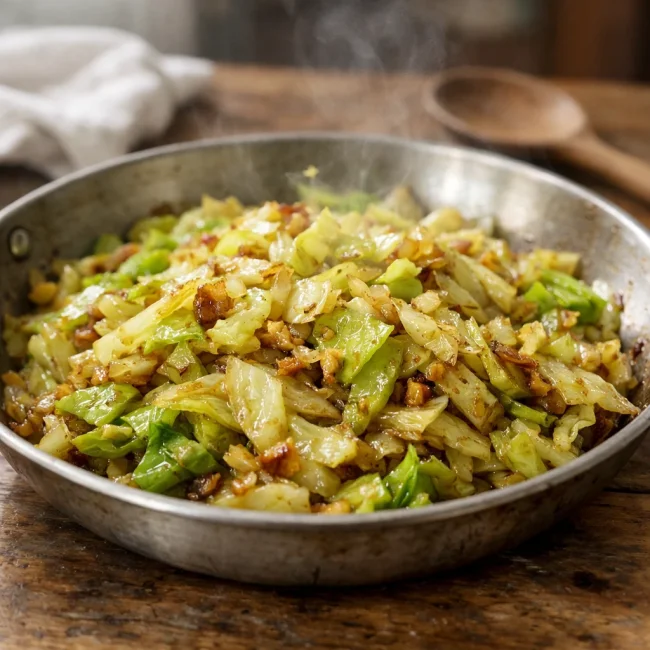
Savory Sautéed Cabbage
This savory sautéed cabbage dish brings out the natural sweetness and crispness of...
View Recipe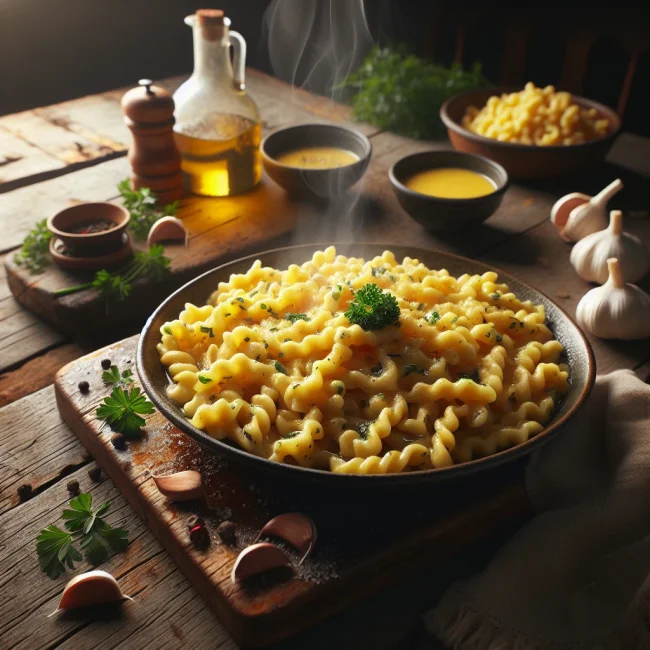
Herbed Spaetzle with Garlic Butter
Discover the delightful twist on traditional German Spaetzle with this easy-to-mak...
View Recipe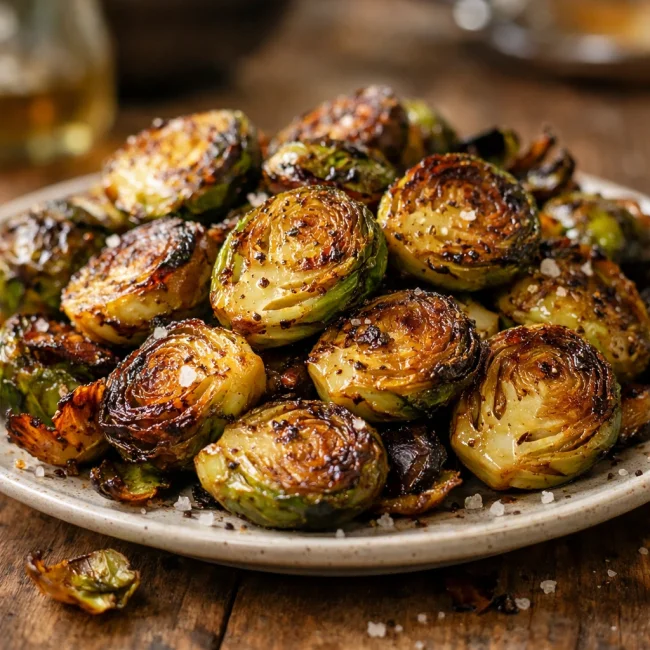
Golden Crispy Brussels Sprouts
Delight in the golden perfection of these crispy Brussels sprouts, a delightful si...
View Recipe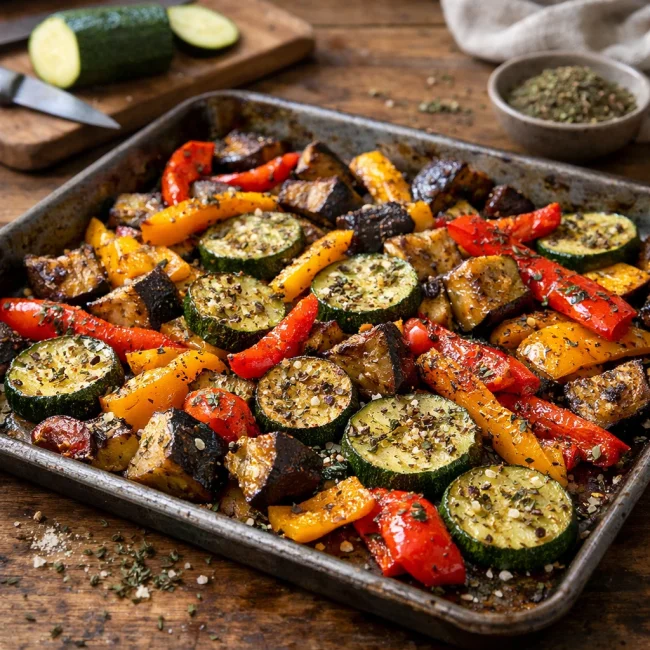
Marjoram-Seasoned Roasted Vegetables
Marjoram-Seasoned Roasted Vegetables bring a delightful floral note to roasted zuc...
View Recipe