
Traditional Poached Eggs
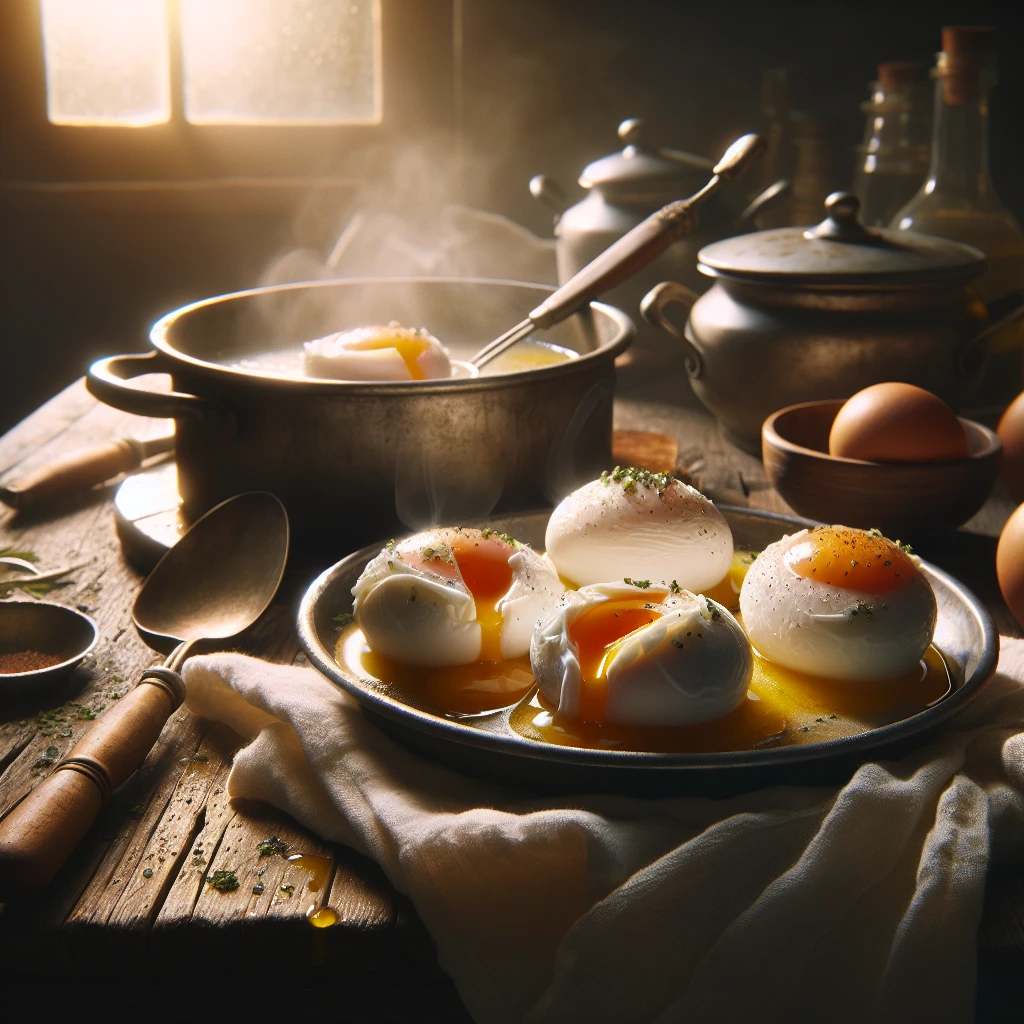
Welcome to the art of making perfect poached eggs! This recipe is all about simplicity and elegance, transforming just a few ingredients into a breakfast masterpiece that's both satisfying and impressive.
 Share
Share
This post may contain affiliate links. As an Amazon Associate, we earn from qualifying purchases.
Ingredients for Traditional Poached Eggs
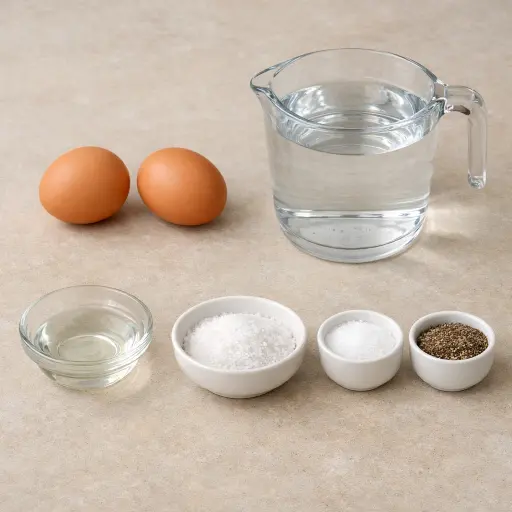
The magic starts with eggs. Always go for the freshest ones you can find; fresher eggs have tighter whites, which helps them hold together better when poached. White vinegar is your secret weapon here. It helps the egg whites coagulate faster, forming that lovely cloud around the yolk. Finally, a sprinkle of salt and pepper enhances the flavor, making each bite a delight.
Why This Traditional Poached Eggs Works
As the water comes up to a gentle simmer, the vinegar mixes through it and slightly tightens the outside of the egg whites. When each egg slides into the whirlpool, the spinning water pulls the loose white in toward the yolk instead of letting it drift away in wispy strands. The vinegar and the steady, not-too-hot water work together so the white sets in a soft, neat shape that wraps around the yolk.
During those few minutes in the pan, the heat slowly firms up the egg white from the outside in. The yolk warms more slowly, so it stays runny if it is taken out at 3 to 4 minutes, or becomes thicker and creamier if it stays in a bit longer. By lifting the eggs out with a slotted spoon and letting them drain, extra water falls away, so the outside stays tender but not watery, and the center stays soft and rich.
Traditional Poached Eggs Tips & Tricks
- Use the freshest eggs possible for best results.
- If the water is too turbulent, the eggs will spread out too much.
- For multiple eggs, poach them one at a time to keep them from sticking together.
Mistakes To Avoid
Letting the water boil instead of gently simmer can wreck the eggs. In boiling water, the bubbles toss the eggs around, the whites tear apart, and long strings of egg white spread through the pan. The result is a ragged egg with a tough outside and a messy pot of floating bits.
Cracking eggs straight into the pan often leads to broken yolks and scattered whites. As the egg hits the water, the white spreads out before it can set, so it forms a thin, wide layer instead of a neat oval. The yolk can separate or sit almost bare, giving a flat, uneven poached egg.
Skipping the vinegar changes how the whites set. Without it, the egg white takes longer to firm up and drifts all over the water before it holds together. The finished egg looks loose and feathery instead of compact.
Leaving the eggs in the water too long turns the yolks thick and almost chalky. The whites go from soft to rubbery, so the egg feels bouncy and dry instead of tender when cut.
Equipment Used:
Ingredients
- 2 large eggs
- 2 tbsp white vinegar
- 4 cups water
- Salt to taste
- Pepper to taste
Step-by-step Instructions
- 1. Fill a large saucepan with 4 cups of water and add 2 tablespoons of white vinegar.
- 2. Bring the water to a gentle simmer over medium heat. Avoid boiling.
- 3. Crack each egg into a small bowl or ramekin to ensure yolks remain intact.
- 4. Create a gentle whirlpool in the simmering water using a spoon.
- 5. Carefully slide each egg into the center of the whirlpool.
- 6. Let the eggs cook for 3-4 minutes for runny yolks or 5 minutes for firmer yolks.
- 7. Use a slotted spoon to remove the eggs and drain on a paper towel.
- 8. Season with salt and pepper to taste before serving.
Trending Now

Traditional Italian Bruschetta
Experience the authentic taste of Italian bruschetta, a perfect blend of fresh tom...
View Recipe
Old-Fashioned Bread Pudding
Discover the classic charm of Old-Fashioned Bread Pudding - a timeless dessert com...
View Recipe
Classic Green Beans
Discover the timeless delight of Classic Green Beans, a simple yet flavorful side ...
View Recipe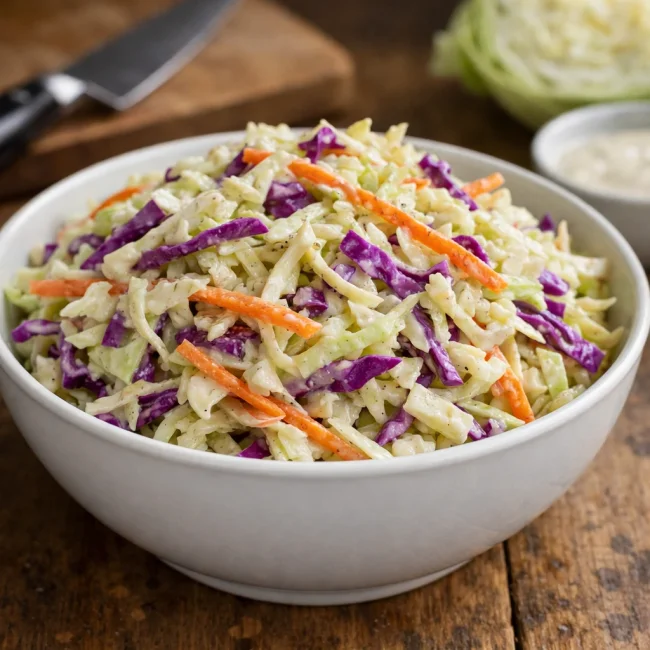
Traditional Crisp Coleslaw
A classic coleslaw recipe featuring finely shredded cabbage and carrots tossed in ...
View RecipeFrequently Asked Questions
- Can I use apple cider vinegar instead of white vinegar?
- Yes, but it may slightly alter the taste. White vinegar is best for its neutral flavor.
- What if my eggs don't look perfect?
- A little imperfection adds charm! Practice makes perfect, and they'll taste great regardless.
Serving Ideas for Traditional Poached Eggs
Poached eggs are incredibly versatile. Serve them over toasted sourdough with a smear of avocado and a sprinkle of red pepper flakes for a modern twist. They are also fantastic atop a salad with a zesty vinaigrette or on a classic Eggs Benedict with hollandaise sauce.
More Breakfast & Brunch Recipes

Traditional Quiche Lorraine
Experience the classic French Quiche Lorraine, a savory pie with a flaky crust fil...
View Recipe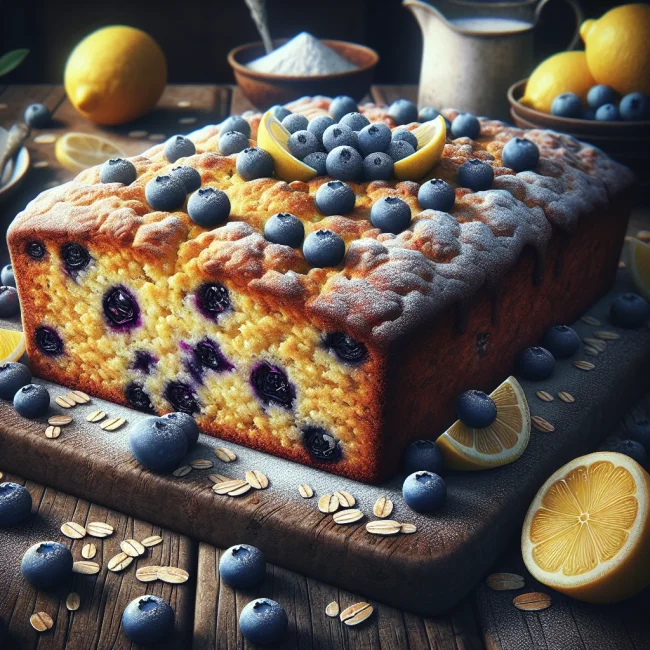
Lemon-Blueberry Oat Coffee Cake
This Lemon-Blueberry Oat Coffee Cake is a delightful twist on the traditional favo...
View Recipe
Smoked Salmon Benedict
A luxurious twist on the classic Eggs Benedict, featuring smoked salmon and a zest...
View Recipe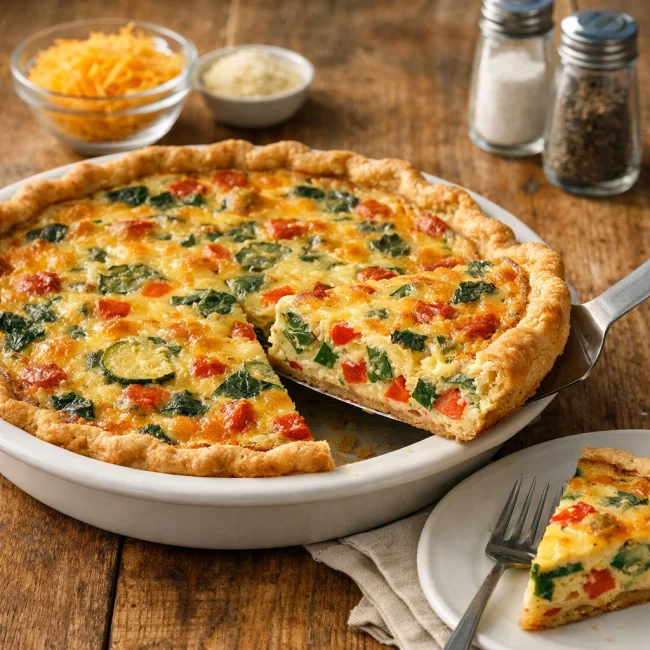
Savory Garden Veggie Quiche
A delightful and easy-to-make quiche filled with garden-fresh vegetables, perfect ...
View Recipe