
Traditional Pie Crust
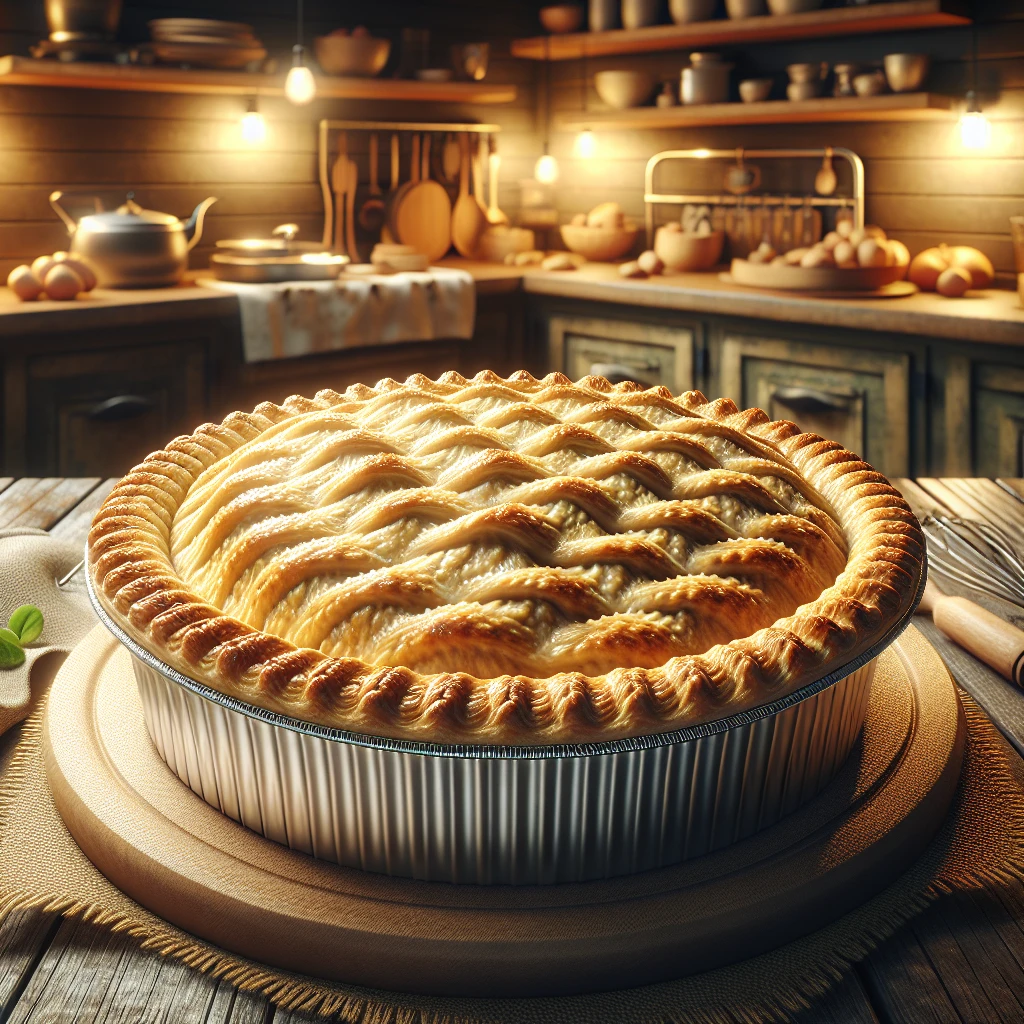
This traditional pie crust is your go-to recipe for a flaky and buttery base that pairs perfectly with any filling. It's a staple that every home baker should master, making your pies irresistible and crowd-pleasing at every gathering.
 Share
Share
This post may contain affiliate links. As an Amazon Associate, we earn from qualifying purchases.
Ingredients for Traditional Pie Crust
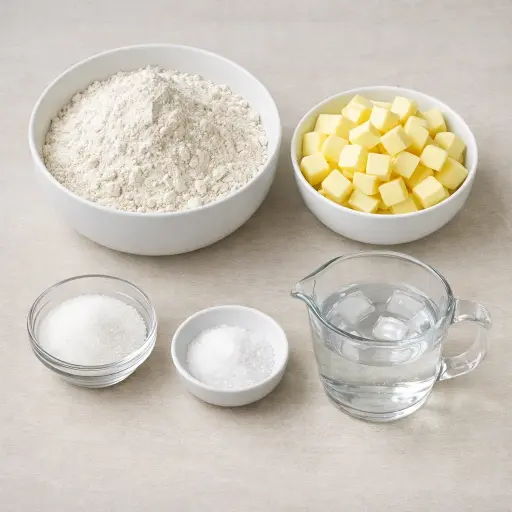
The foundation of our crust is all-purpose flour, providing the necessary structure. Butter is crucial for that flaky, tender texture — make sure it's chilled and diced to incorporate well. A touch of granulated sugar enhances the flavor without making it sweet. Salt balances the flavors, essential in all baking. Finally, ice water is added to bring everything together seamlessly.
Why This Traditional Pie Crust Works
Cold butter is doing most of the work here. When the hard butter cubes are rubbed into the flour, they break into small, flat pieces that stay separate instead of melting in. Those little bits of butter are coated in flour and spread all through the bowl, so the flour doesn’t drink up too much water later.
As the ice water goes in slowly, the flour just takes in enough moisture to stick together. The dough starts to hold as a rough ball, but the butter pieces stay solid. In the fridge, the discs firm up even more. The flour relaxes, the moisture spreads out, and the dough becomes easier to roll without cracking.
In the oven later, those cold butter pieces melt and leave tiny gaps where they were. The flour around them sets in place, so the crust bakes up flaky instead of tough. Sugar and salt are there mainly for taste, while the butter-and-flour layers are what give the crust its tender, crisp bite.
Traditional Pie Crust Tips & Tricks
- Always keep your butter cold to prevent it from melting into the flour.
- If the dough feels too sticky, add a little more flour while rolling it out.
- Chill your tools and bowl for an even more flaky crust.
Mistakes To Avoid
Using butter that’s too soft turns the mixture past “coarse crumbs” into a paste. The flour then absorbs the fat too evenly, so the dough bakes up tough and cracker-like instead of flaky, and the crust can shrink hard against the pan.
Adding all the water at once often makes the dough wet and sticky instead of just coming together. Extra flour then gets worked in while rolling, which tightens the dough and leads to a dense, chewy crust that’s hard to cut cleanly.
Skipping the chill time in the fridge means the butter stays soft and the gluten doesn’t relax. In the oven, the butter melts out too fast, the crust slumps down the sides of the pan, and the edges lose their shape instead of holding neat, defined ridges.
Rolling the dough too much or pressing hard with the rolling pin smears the butter into the flour. Those flat, greasy streaks don’t create steam pockets, so the baked crust comes out flat and bready instead of light with visible layers.
Equipment Used:
Ingredients
- 2 1/2 cups all-purpose flour
- 1 cup unsalted butter, chilled and diced
- 1/4 cup ice water
- 1 teaspoon salt
- 1 tablespoon granulated sugar
Step-by-step Instructions
- 1. In a large mixing bowl, combine the flour, sugar, and salt.
- 2. Add the chilled, diced butter to the flour mixture and use a pastry cutter or fork to blend until the mixture resembles coarse crumbs.
- 3. Gradually add the ice water, a tablespoon at a time, mixing gently until the dough begins to hold together.
- 4. Divide the dough into two equal parts, shape into discs, wrap in plastic wrap, and refrigerate for at least 1 hour before using.
- 5. When ready to use, roll out on a floured surface to the desired thickness.
Trending Now
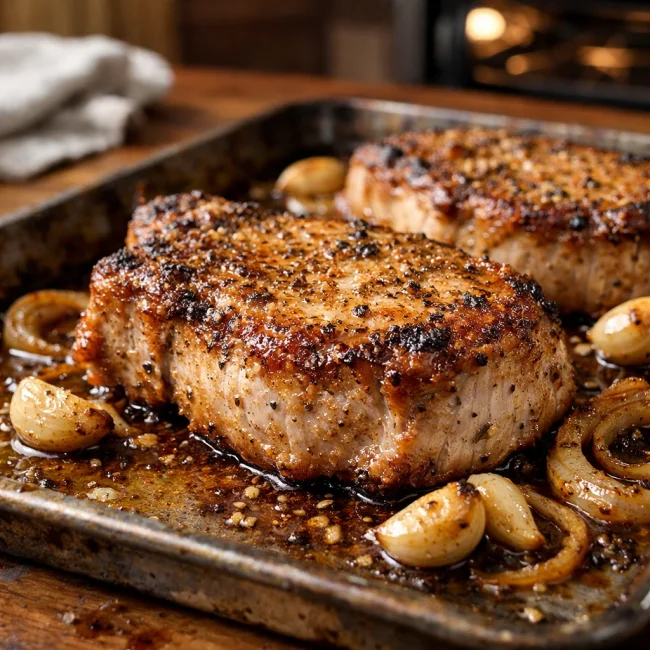
Oven-Baked Pork Chops
Enjoy a delightful dinner with these tender and juicy oven-baked pork chops, seaso...
View Recipe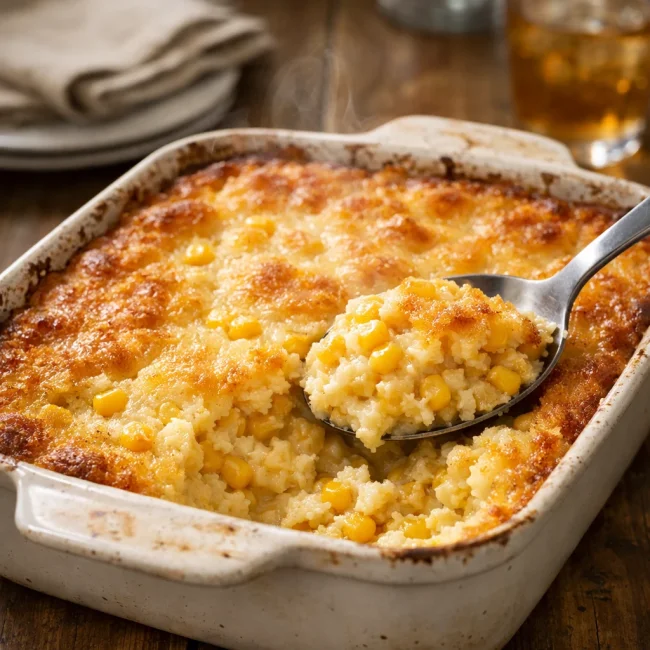
Traditional Corn Casserole
A delightful corn casserole dish that embodies the comforting flavors of sweet cor...
View Recipe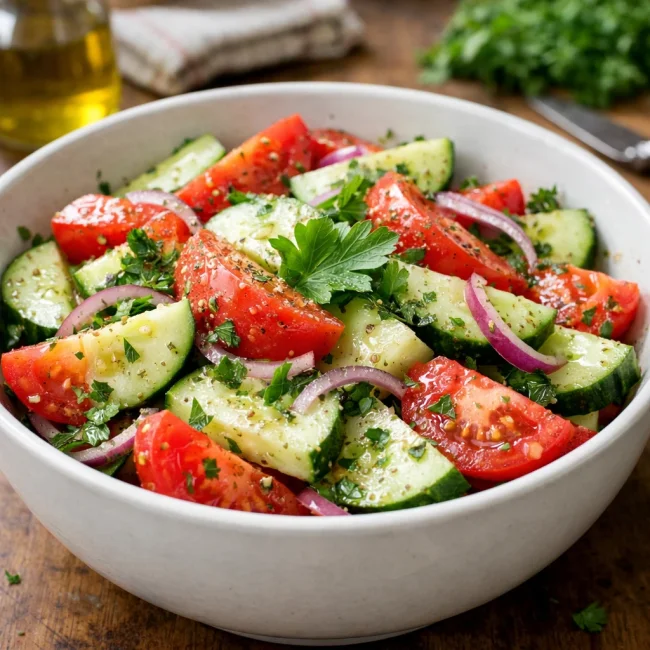
Traditional Cucumber and Tomato Salad
A refreshing and simple salad combining crisp cucumbers and juicy tomatoes, season...
View Recipe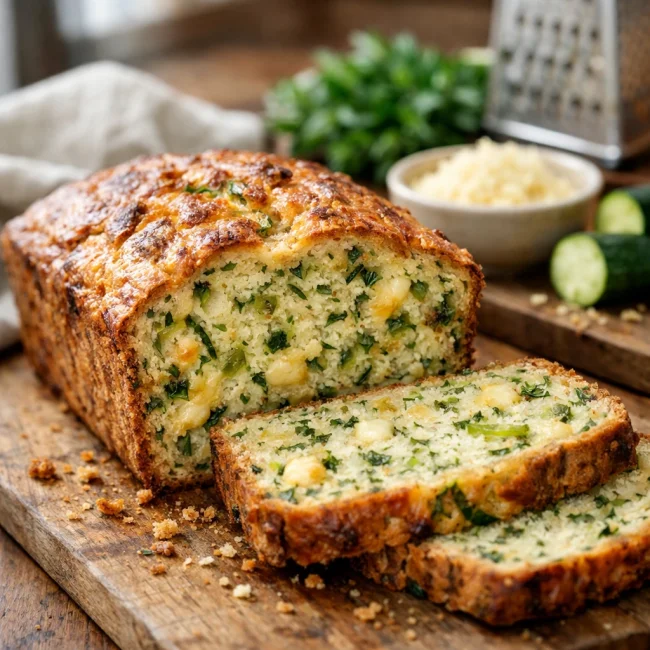
Savory Zucchini Bread
Savory Zucchini Bread is a delectable twist on traditional zucchini recipes, combi...
View RecipeFrequently Asked Questions
- Can I use salted butter?
- It's best to use unsalted butter to control the sodium content. If you only have salted butter, reduce the added salt in the recipe.
- How long can I store the dough?
- You can refrigerate it for up to 2 days or freeze it for up to 3 months. Just thaw it in the fridge before using.
Serving Ideas for Traditional Pie Crust
This crust is perfect for classic apple pie, creamy quiches, or even a savory pot pie. Try it with a warm cinnamon apple filling or a rich chocolate ganache for a delicious dessert option.
More Baking Recipes
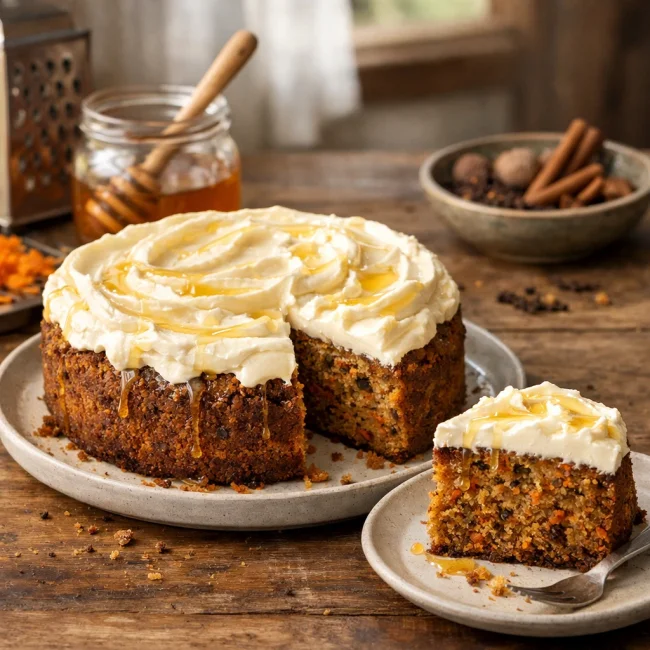
Spiced Honey Carrot Cake
Delight in the rich and moist Spiced Honey Carrot Cake that perfectly balances swe...
View Recipe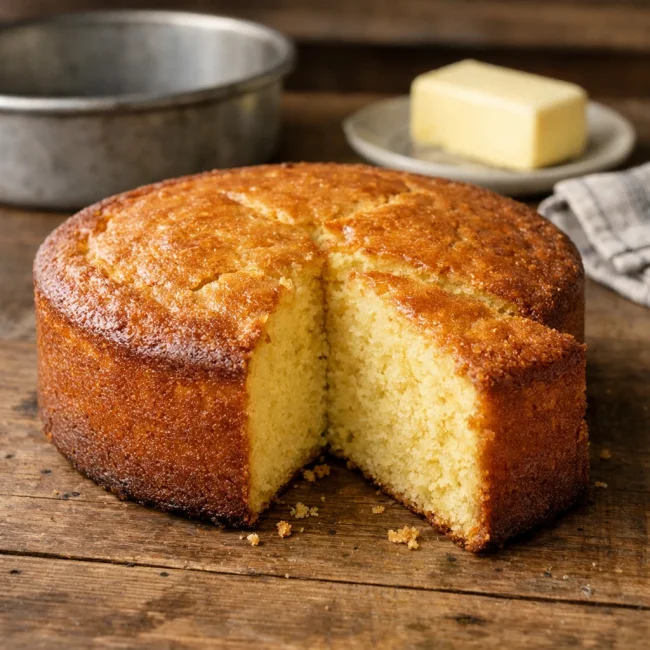
Old-Fashioned Butter Cake
A timeless classic, the Old-Fashioned Butter Cake is a rich, buttery treat perfect...
View Recipe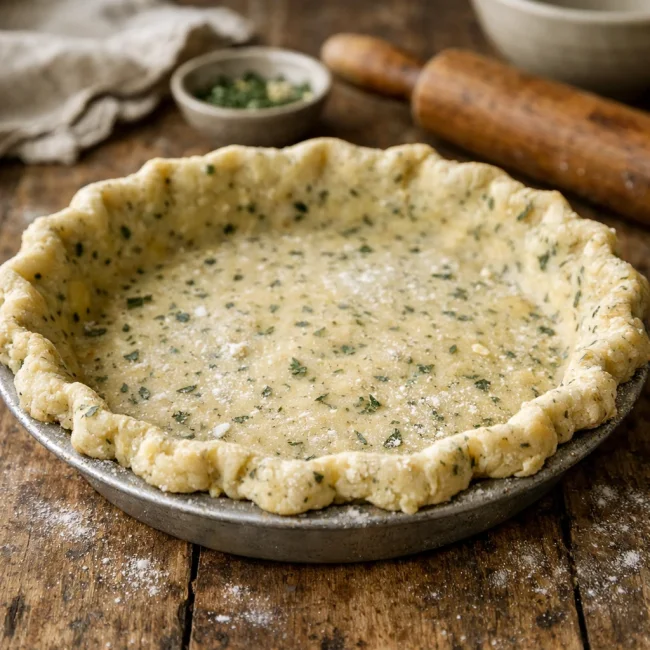
Rustic Herb Pie Crust
This Rustic Herb Pie Crust is a delightful twist on the classic pie base, infused ...
View Recipe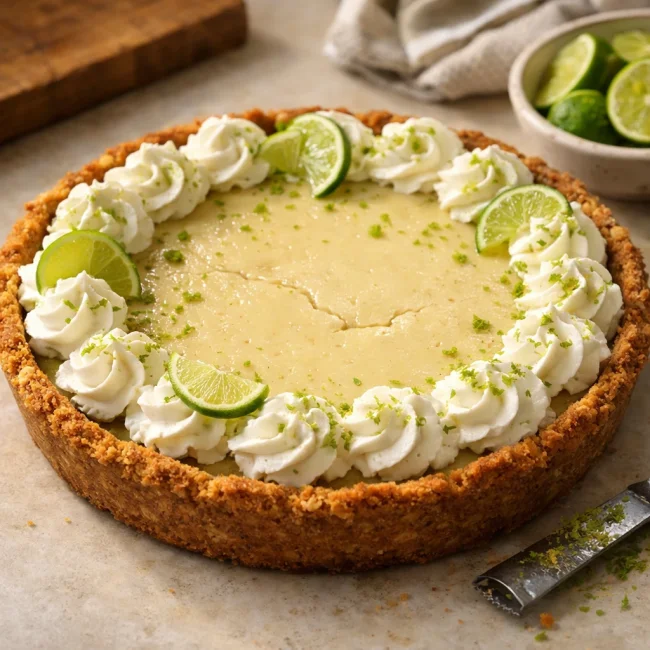
Traditional Key Lime Pie
Discover the rich and tangy taste of our Traditional Key Lime Pie, a classic desse...
View Recipe