
Traditional Pickled Eggs
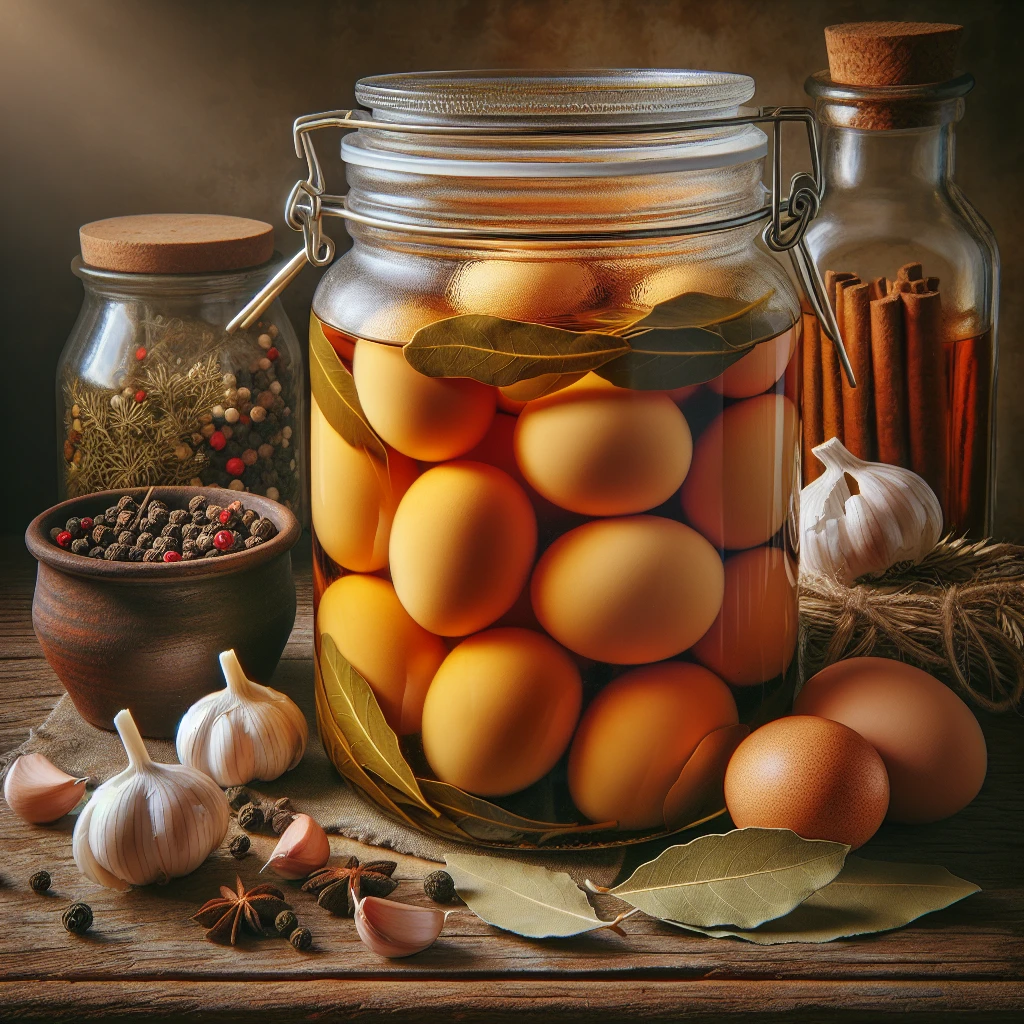
Pickled eggs are a timeless treat, perfect for adding a tangy bite to your snack repertoire. This traditional recipe is easy to follow and offers a deliciously seasoned twist to the classic boiled egg. Whether you're a pickling newbie or a seasoned pro, this recipe is a must-try.
 Share
Share
This post may contain affiliate links. As an Amazon Associate, we earn from qualifying purchases.
Ingredients for Traditional Pickled Eggs
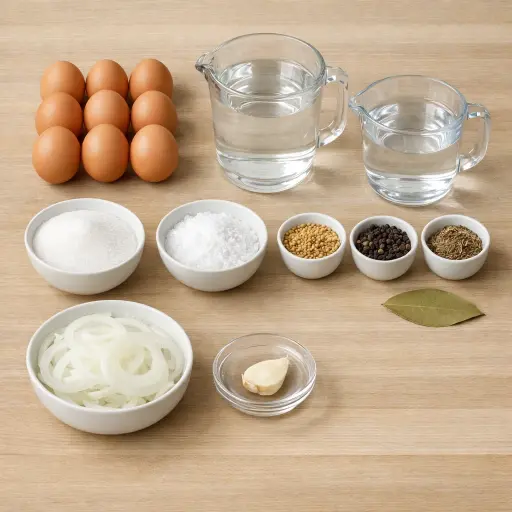
Eggs are the star of the show, providing a rich and creamy texture once pickled. Using large eggs ensures a hearty snack.
White vinegar is the main pickling agent, lending a sharp, tangy flavor that preserves the eggs.
Water is combined with vinegar to balance the acidity and prevent the brine from being too harsh.
Granulated sugar adds a touch of sweetness, mellowing out the vinegar's acidity.
Salt enhances all the flavors, ensuring the pickled eggs are savory and satisfying.
Mustard seeds contribute a subtle, earthy flavor and a bit of spice.
Peppercorns add a mild heat and complexity to the brine.
Dill seeds provide a fresh, herby flavor that complements the eggs beautifully.
Bay leaf infuses the brine with a gentle, aromatic depth.
Onion, when thinly sliced, adds a sharp, sweet note to the pickling liquid.
Garlic introduces a robust, pungent flavor, enhancing the overall taste.
Why This Traditional Pickled Eggs Works
During the first step, the eggs cook gently in hot water that is off the heat. The water stays hot enough to set the whites and yolks, but not so hot that the whites get rubbery or the yolks turn gray. The ice bath stops the cooking fast, so the centers stay tender instead of chalky. Cooling the eggs also makes the shells pull away from the whites, so peeling is easier and the eggs stay smooth.
In the pot with the vinegar, water, sugar, and salt, the liquid warms just enough for the sugar and salt to fully dissolve and spread evenly. The onion, garlic, and spices soften in the hot liquid and start to share their taste with the brine. After the peeled eggs go into the jar and the warm brine is poured over, the vinegar slowly moves into the eggs over several days. During that week in the fridge, the liquid works its way all the way to the yolks, so the eggs stay firm but take on a bright, tangy taste from edge to center.
Traditional Pickled Eggs Tips & Tricks
- For easier peeling, use eggs that are a week or two old rather than fresh ones.
- Ensure the eggs are completely submerged in the brine to prevent spoilage.
- Consider using a glass jar with a wide mouth for easy access to the eggs.
- Shake the jar gently every couple of days to ensure even pickling.
Mistakes To Avoid
Letting the eggs boil hard the whole time instead of bringing them to a boil and then turning off the heat makes the whites tough and rubbery and can leave a green ring around the yolks. In the jar, those overcooked eggs stay bouncy and squeaky instead of tender, and the yolks turn chalky instead of creamy.
Peeling the eggs while they are still warm but skipping the full ice bath often tears the whites. Once in the brine, those torn spots soak up more liquid, so some eggs turn oddly pitted and extra sharp while others stay milder, and the jar can look messy with loose bits floating around.
Pouring the brine over the eggs while it is still very hot can cause the outer layer of the whites to tighten and wrinkle. This can give the eggs a tough skin and sometimes pushes out small cracks in the surface, so the texture ends up uneven from outside to center.
Crowding too many eggs into a jar so the brine does not fully cover them leaves the top eggs partly exposed to air. Those spots dry out, discolor, and stay less pickled, so the batch ends up with some eggs firm and tangy and others pale and bland.
Equipment Used:
Ingredients
- 12 large eggs
- 1 quart white vinegar
- 1 cup water
- 1/2 cup granulated sugar
- 1 tablespoon salt
- 1 teaspoon mustard seeds
- 1 teaspoon peppercorns
- 1 teaspoon dill seeds
- 1 bay leaf
- 1 small onion, thinly sliced
- 1 clove garlic, smashed
Step-by-step Instructions
- 1. Place the eggs in a large pot and cover with cold water.
- 2. Bring to a boil over medium heat, then cover and remove from heat. Let sit for 10-12 minutes.
- 3. Drain and immediately transfer eggs to an ice bath to cool.
- 4. Peel the eggs and set aside.
- 5. In a separate saucepan, combine vinegar, water, sugar, salt, mustard seeds, peppercorns, dill seeds, bay leaf, onion, and garlic. Bring to a simmer, stirring until sugar dissolves.
- 6. Remove from heat and let brine cool slightly.
- 7. Place peeled eggs into a sterilized glass jar.
- 8. Pour the brine over the eggs, ensuring they are fully submerged.
- 9. Seal jars and refrigerate for at least 1 week before serving for best flavor.
Trending Now
Oven-Baked Pork Chops
Enjoy a delightful dinner with these tender and juicy oven-baked pork chops, seaso...
View Recipe
Traditional Corn Casserole
A delightful corn casserole dish that embodies the comforting flavors of sweet cor...
View Recipe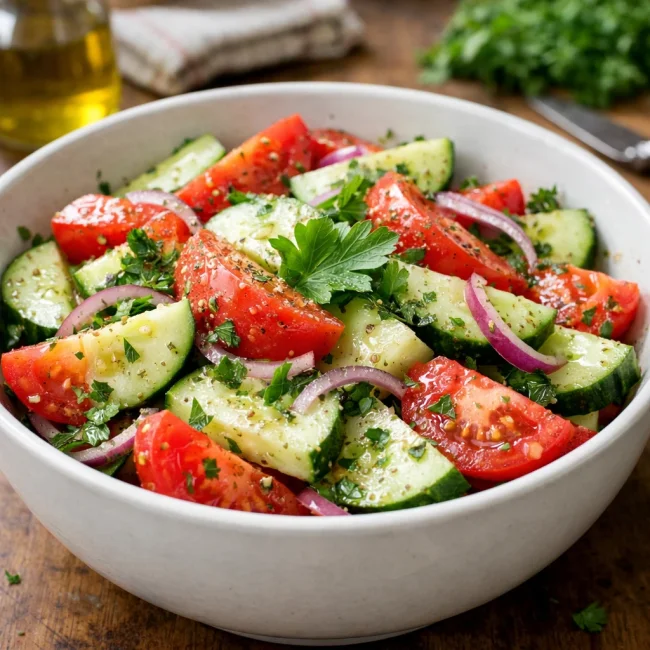
Traditional Cucumber and Tomato Salad
A refreshing and simple salad combining crisp cucumbers and juicy tomatoes, season...
View Recipe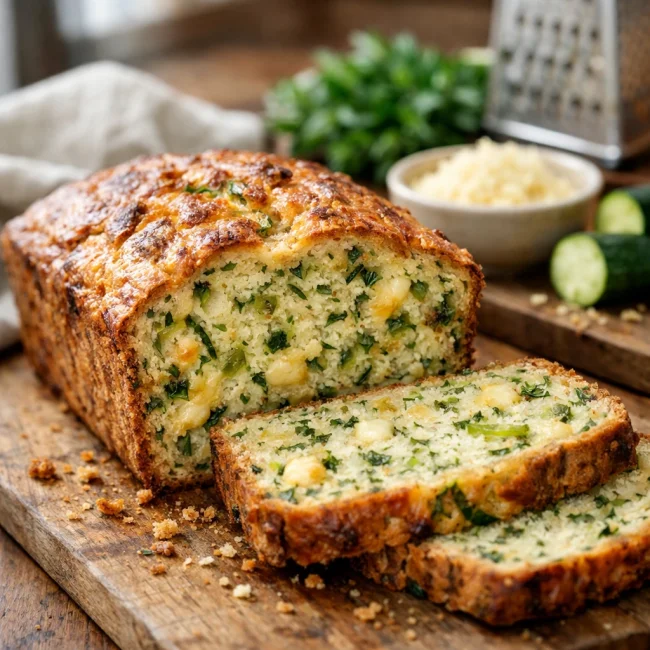
Savory Zucchini Bread
Savory Zucchini Bread is a delectable twist on traditional zucchini recipes, combi...
View RecipeFrequently Asked Questions
- How long do pickled eggs last?
- Properly stored in the refrigerator, pickled eggs can last up to 3-4 months.
- Can I use apple cider vinegar instead of white vinegar?
- Yes, apple cider vinegar can be used for a slightly different flavor profile.
- What if I don’t have all the spices?
- You can tweak the spices to your liking or based on what you have on hand. Just ensure you have the basics like vinegar and salt.
Serving Ideas for Traditional Pickled Eggs
Pickled eggs are versatile! Slice them and add to a vibrant salad for a protein boost, or include them on a charcuterie board for a tangy twist. They're also fantastic on top of avocado toast or simply enjoyed on their own with a sprinkle of salt and pepper.
More Appetizers Recipes
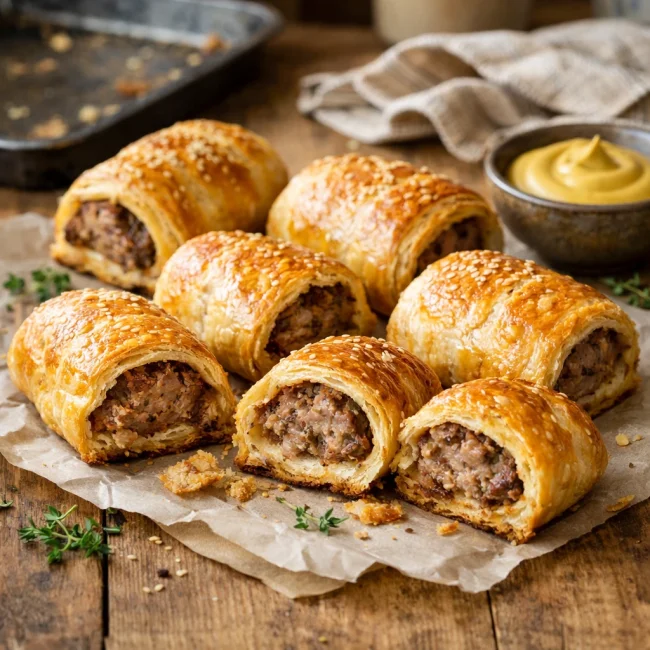
Traditional Sausage Rolls
A timeless recipe for savory sausage rolls, perfect for parties or as a hearty sna...
View Recipe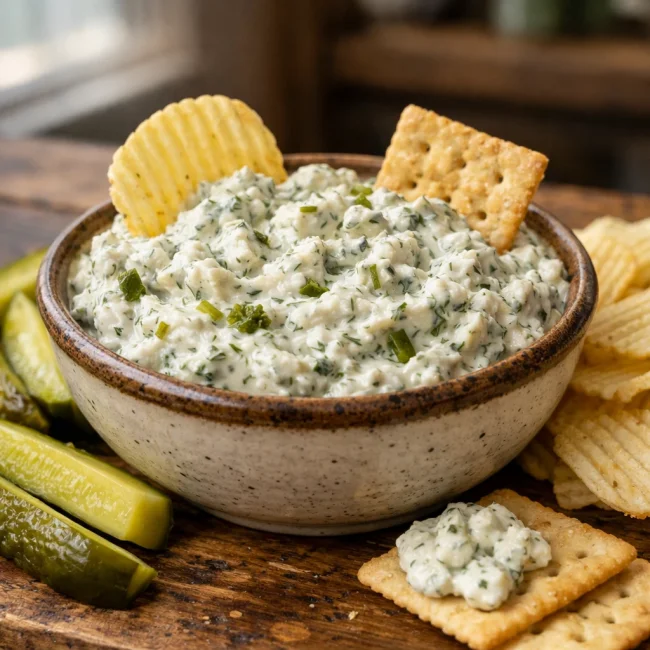
Classic Dill Pickle Dip
A refreshing dill pickle dip perfect for parties and gatherings, featuring a cream...
View Recipe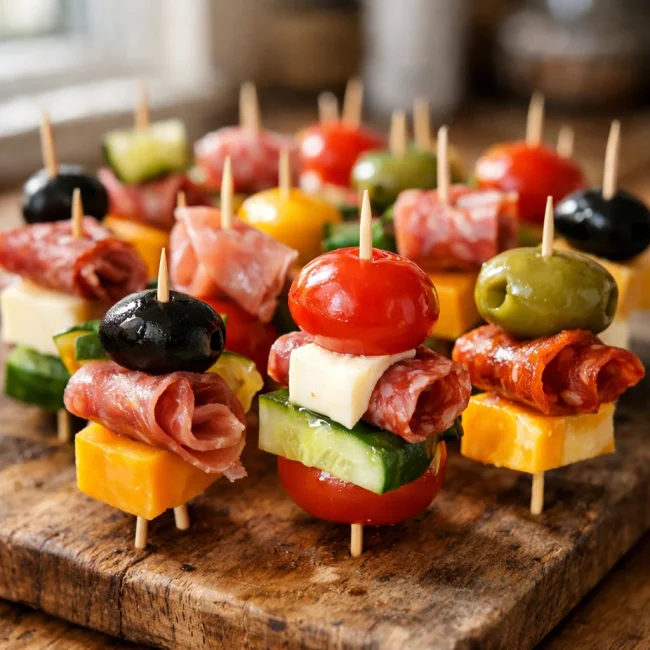
Savory Bites on Sticks
Savory Bites on Sticks are delightful and colorful appetizers perfect for any soci...
View Recipe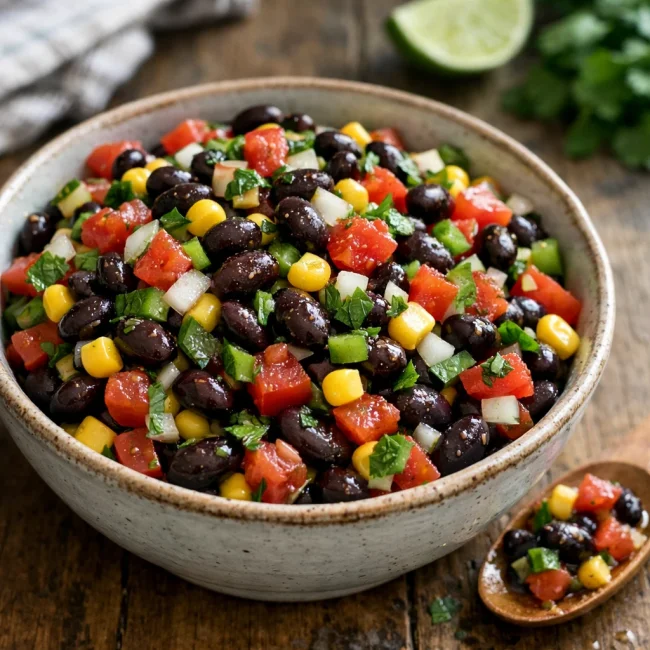
Traditional Black Bean Salsa
Experience a burst of fresh flavors with this classic Black Bean Salsa, perfect fo...
View Recipe