
Traditional Peanut Brittle
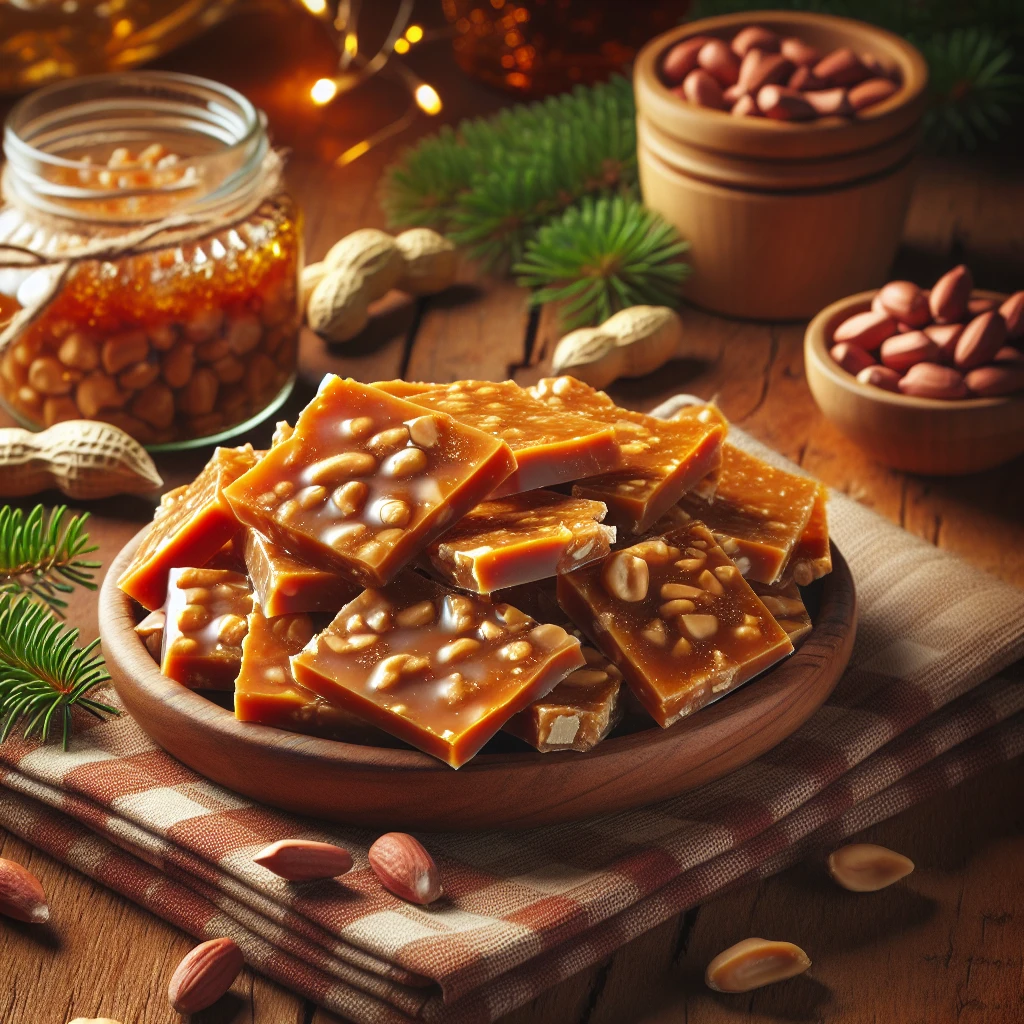
If you have a sweet tooth and a soft spot for crunchy snacks, this Traditional Peanut Brittle is about to become your new favorite treat. It's a classic candy that combines simplicity with a satisfying crunch, perfect for gifting or personal indulgence during any season.
 Share
Share
This post may contain affiliate links. As an Amazon Associate, we earn from qualifying purchases.
Ingredients for Traditional Peanut Brittle
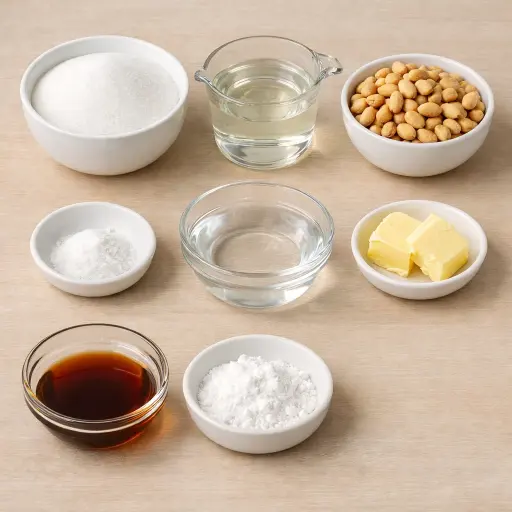
Sugar is the backbone of our brittle, providing sweetness and that beautiful golden caramel color. Light corn syrup helps prevent crystallization, ensuring a smooth texture. A pinch of salt enhances the flavor, balancing the sweetness. Water helps dissolve the sugar initially, aiding in even cooking. Unsalted peanuts add a nutty crunch, but feel free to experiment with your favorite nuts. Butter brings richness and a subtle buttery flavor. Vanilla extract adds a warm, aromatic note that rounds out the flavors. Finally, baking soda creates tiny air bubbles for that perfect brittle texture.
Why This Traditional Peanut Brittle Works
Sugar, corn syrup, water, and salt start out thin in the pan. As they heat, the water slowly boils off and the sugar melts. The syrup first looks clear and bubbly, then it thickens and darkens. By the time it reaches 300°F, it is very hot and stiff and will harden as soon as it cools. That high heat is what gives the brittle its hard, glassy snap instead of a chewy texture.
Once the peanuts go in, they cook in that hot syrup. They toast a bit and stay suspended in the thick liquid, so they end up spread all through the candy instead of sinking. When the pan comes off the heat and the butter and vanilla go in, the hot syrup loosens just enough to pour and spread.
At the end, baking soda hits the hot sugar and starts to bubble. Tiny air pockets form all through the candy. As the sheet of brittle cools, those bubbles stay trapped, so the candy sets firm but breaks easily into crisp pieces instead of forming one solid, tooth-breaking slab.
Traditional Peanut Brittle Tips & Tricks
- Use a heavy-bottomed saucepan for even heat distribution; it helps prevent the sugar from burning.
- Keep your candy thermometer handy; precise temperature is crucial for the perfect brittle texture.
- Have all your ingredients measured and ready to go before starting, as the process moves quickly once the sugar melts.
- Work quickly when adding the baking soda, as the mixture starts to set almost immediately.
Mistakes To Avoid
Letting the sugar mixture stop at a lower temperature than 300°F leaves the brittle chewy instead of snappy. The syrup doesn’t reach the hard crack stage, so it stays a little soft and bendy even after it cools, and the pieces stick to teeth and to each other.
When the pan sits on the heat past 300°F, the sugar starts to burn instead of just darken. The mixture turns too brown, smells sharp, and once it cools the brittle becomes hard in a tough, glassy way that can taste bitter and harsh.
Adding the butter and vanilla while the pan is still on the burner often causes scorching. The fat and extract hit the very hot bottom of the pan, darken in spots, and leave streaks of uneven color and little burnt specks through the brittle.
Skipping the baking soda means the candy never gets those tiny bubbles that make it easier to bite. Without that quick foaming step, the brittle sets up as a very dense, solid sheet that can be hard to break and feels overly hard on the teeth.
Equipment Used:
Ingredients
- 1 cup granulated sugar
- 1/2 cup light corn syrup
- 1/4 teaspoon salt
- 1/4 cup water
- 1 cup unsalted peanuts
- 2 tablespoons unsalted butter, softened
- 1 teaspoon vanilla extract
- 1 teaspoon baking soda
Step-by-step Instructions
- 1. Grease a baking sheet with butter and set aside.
- 2. In a heavy saucepan, combine sugar, corn syrup, salt, and water.
- 3. Cook over medium heat, stirring until sugar is dissolved.
- 4. Stir in peanuts.
- 5. Set candy thermometer in place and continue cooking, stirring frequently until temperature reaches 300°F (hard crack stage).
- 6. Remove from heat and immediately stir in butter, vanilla extract, and baking soda.
- 7. Pour mixture onto prepared baking sheet and spread evenly.
- 8. Allow to cool completely.
- 9. Break into pieces and store in an airtight container.
Trending Now
Classic Cucumber Salad
A refreshing and light cucumber salad featuring crisp cucumbers and a tangy vinaig...
View Recipe
Classic Banana Bread
Classic Banana Bread is a timeless dessert beloved for its moist texture and sweet...
View Recipe
Zesty Summer Squash Casserole
This delightful summer squash casserole combines vibrant garden-fresh vegetables w...
View Recipe
Traditional Dump Cake
Discover the timeless delight of the Traditional Dump Cake, a simple and scrumptio...
View RecipeFrequently Asked Questions
- Can I use salted peanuts?
- Yes, but consider reducing the added salt to avoid an overly salty brittle.
- How long does peanut brittle last?
- Stored in an airtight container, it can last up to two weeks at room temperature.
- Can I double the recipe?
- Absolutely! Just ensure you have a large enough saucepan and baking sheet to accommodate the increased quantity.
Serving Ideas for Traditional Peanut Brittle
Peanut brittle makes a delightful addition to a dessert platter, especially during festive occasions. Pair it with a selection of cheeses and dried fruits for an elegant snack spread. It's also a charming topper for vanilla ice cream, adding a satisfying crunch to each scoop.
More Desserts Recipes
Rustic Vanilla Peach Cobbler
This rustic vanilla peach cobbler combines a rich, buttery crust with the sweet, v...
View Recipe
Traditional Lemon Curd
A classic, tangy lemon curd that is perfect for enhancing desserts, breakfast dish...
View Recipe
Traditional Cream Cheese Pie
A delightful and timeless dessert, Traditional Cream Cheese Pie offers a rich and ...
View Recipe
Timeless Cream Puff Delight
Indulge in a delectable Timeless Cream Puff Delight, a classic dessert featuring a...
View Recipe