
Traditional Pastry Dough
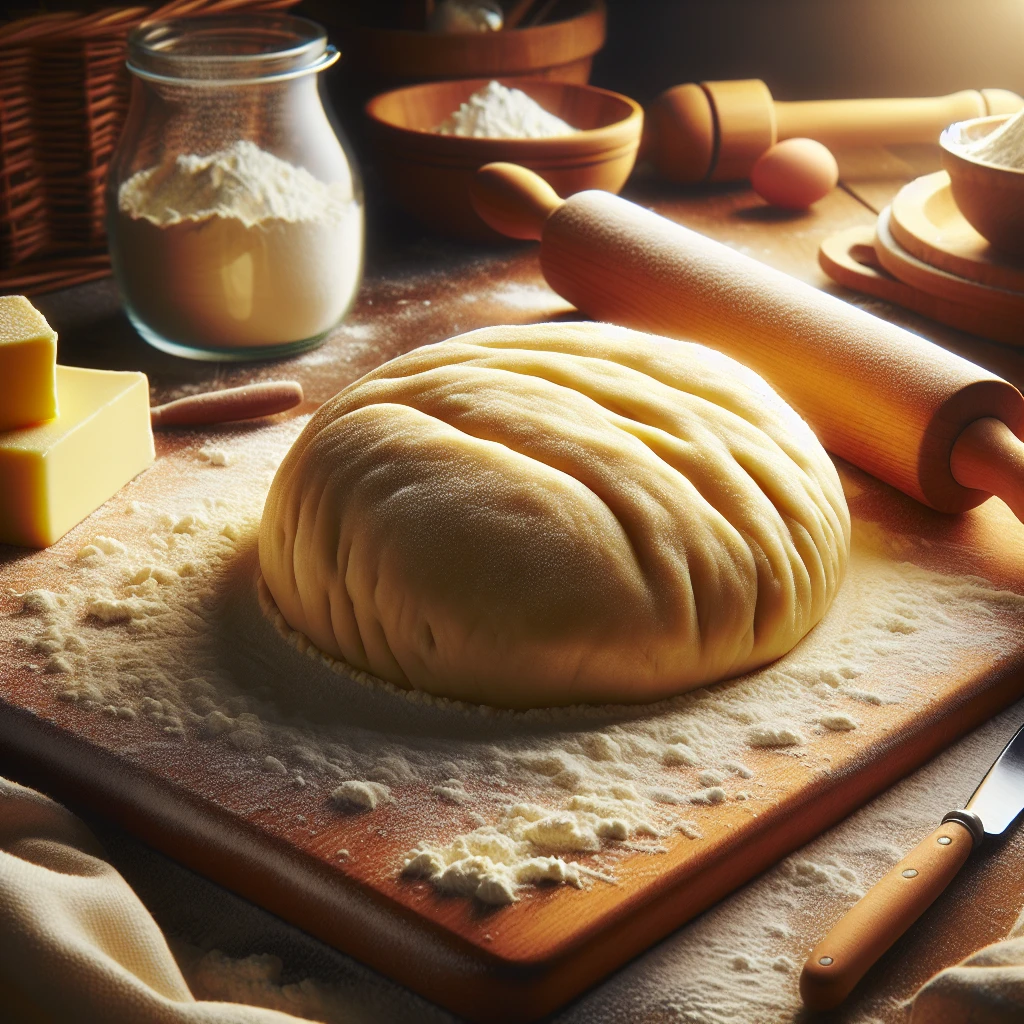
If you're looking to master the art of pastry making, this traditional pastry dough recipe is your perfect starting point. It’s a classic, versatile dough that can be used for everything from pies to tarts, making it a staple in any home baker's repertoire.
 Share
Share
This post may contain affiliate links. As an Amazon Associate, we earn from qualifying purchases.
Ingredients for Traditional Pastry Dough
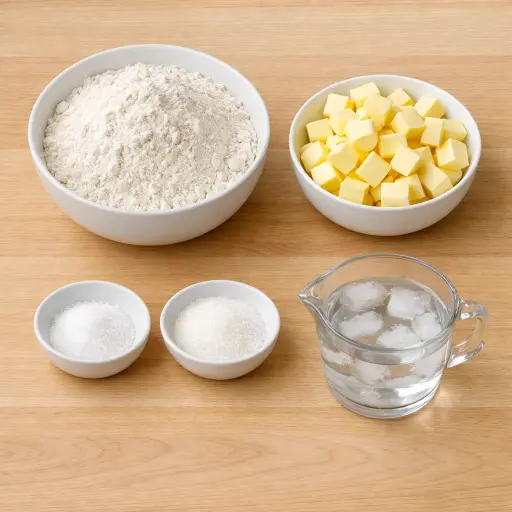
The key to this recipe lies in the quality of your ingredients. Start with all-purpose flour to give the dough structure. The unsalted butter is crucial for that buttery, flaky texture and allows you to control the saltiness. A pinch of salt enhances the flavor, while a touch of sugar adds subtle sweetness that complements both sweet and savory fillings. Lastly, ice water brings the dough together without melting the butter, which is essential for flakiness.
Why This Traditional Pastry Dough Works
Cold butter is the big thing here. When the butter goes into the flour while still firm, it doesn’t smear in completely. Instead, it breaks into lots of small, flat bits coated in flour. Those little pieces stay separate because the butter is chilled and the water is added slowly, so the flour doesn’t get soaked all at once.
As the ice water goes in, the flour just absorbs enough to stick together. The dough holds as a rough ball, but it isn’t wet or sticky. In the fridge, the butter firms back up and the flour has time to finish drinking in the water. The dough relaxes a bit, so it rolls out without snapping back.
Later, in the hot oven, the cold butter pieces melt and leave tiny gaps where steam was trapped. Those gaps turn into flaky layers. Because the flour never got flooded with water, the gluten doesn’t get too strong, so the crust stays tender instead of chewy.
Traditional Pastry Dough Tips & Tricks
- Keep everything cold: Use chilled butter and ice-cold water to ensure a flaky crust.
- Don't overwork the dough: Handle it just enough to bring it together to keep it tender.
- Resting time is key: Chilling the dough helps prevent shrinkage when baking.
Mistakes To Avoid
Using butter that is soft or starting to melt makes the dough heavy and greasy. Instead of staying in little cold pieces, the butter smears into the flour, so the dough bakes up dense and tough instead of flaky, with a more bread-like bite.
Adding too much water so the dough comes together quickly creates a wet, sticky ball that needs a lot more flour when rolling. All that extra flour on the counter gets worked in, and the crust turns out dry, stiff, and hard to roll thin.
Overworking the dough after the water goes in causes the gluten in the flour to tighten up. The dough then shrinks in the pan while baking and comes out chewy instead of tender, with a tight, rubbery texture.
Skipping the chilling time in the fridge means the butter stays soft and the gluten doesn’t relax. The dough warms up fast when rolled, tears easily, and in the oven it slumps down the sides of the pan and bakes up uneven and greasy.
Equipment Used:
Ingredients
- 2 1/2 cups all-purpose flour
- 1 cup unsalted butter, chilled and diced
- 1 tsp salt
- 1 tsp sugar
- 1/4 to 1/2 cup ice water
Step-by-step Instructions
- 1. In a large mixing bowl, combine the flour, salt, and sugar.
- 2. Add the diced butter and use a pastry cutter or your fingers to blend until the mixture resembles coarse crumbs.
- 3. Gradually add ice water, a tablespoon at a time, stirring with a fork until the dough holds together.
- 4. Gather the dough into a ball, wrap in plastic wrap, and refrigerate for at least 1 hour.
- 5. Roll out the dough on a floured surface to the desired thickness before using for pies or tarts.
Trending Now
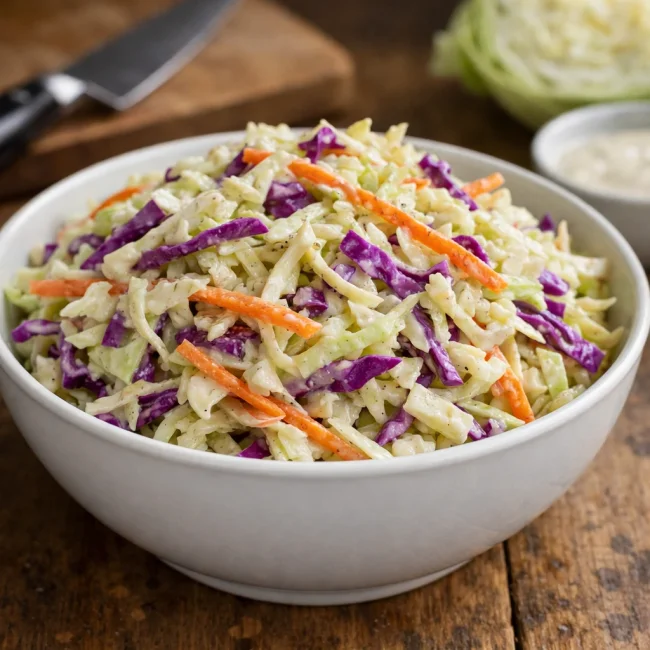
Traditional Crisp Coleslaw
A classic coleslaw recipe featuring finely shredded cabbage and carrots tossed in ...
View Recipe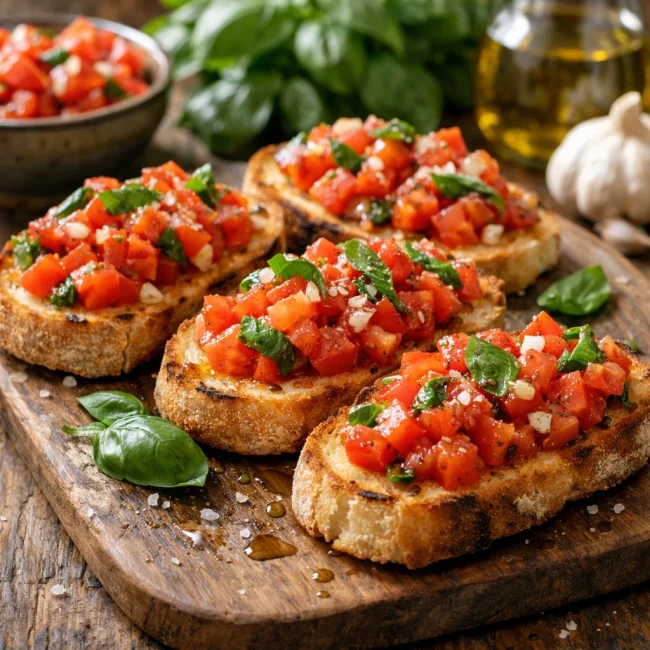
Traditional Italian Bruschetta
Experience the authentic taste of Italian bruschetta, a perfect blend of fresh tom...
View Recipe
Classic Green Beans
Discover the timeless delight of Classic Green Beans, a simple yet flavorful side ...
View Recipe
Old-Fashioned Bread Pudding
Discover the classic charm of Old-Fashioned Bread Pudding - a timeless dessert com...
View RecipeFrequently Asked Questions
- Can I make this dough ahead of time?
- Yes! You can store it in the fridge for up to 2 days or freeze it for up to 3 months.
- What if I don't have a pastry cutter?
- No worries, use your fingers or two knives to cut the butter into the flour until you get coarse crumbs.
- How do I know if I've added enough water?
- The dough should hold together when you press it but not be sticky.
Serving Ideas for Traditional Pastry Dough
This pastry dough is a fantastic base for both sweet and savory dishes. Try it with a classic apple pie, or use it for a savory quiche with spinach and feta. The buttery flavor complements rich chocolate or citrus fillings beautifully.
More Baking Recipes
Spiced Honey Carrot Cake
Delight in the rich and moist Spiced Honey Carrot Cake that perfectly balances swe...
View Recipe
Old-Fashioned Butter Cake
A timeless classic, the Old-Fashioned Butter Cake is a rich, buttery treat perfect...
View Recipe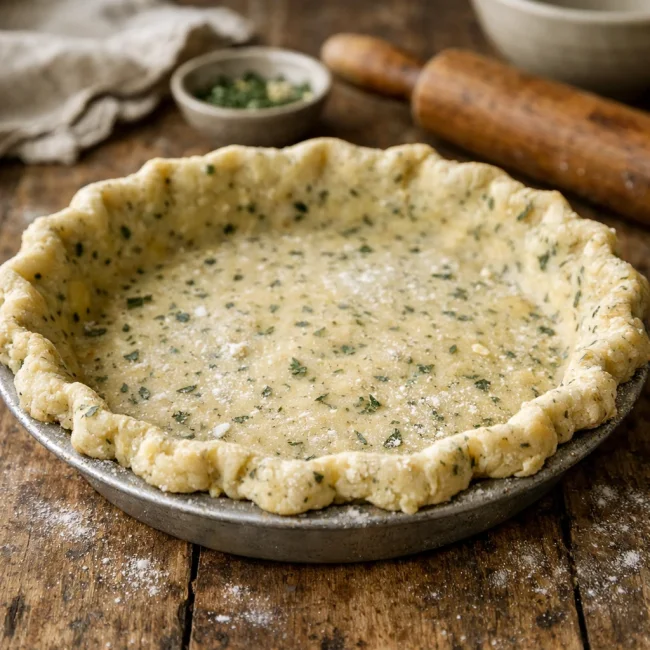
Rustic Herb Pie Crust
This Rustic Herb Pie Crust is a delightful twist on the classic pie base, infused ...
View Recipe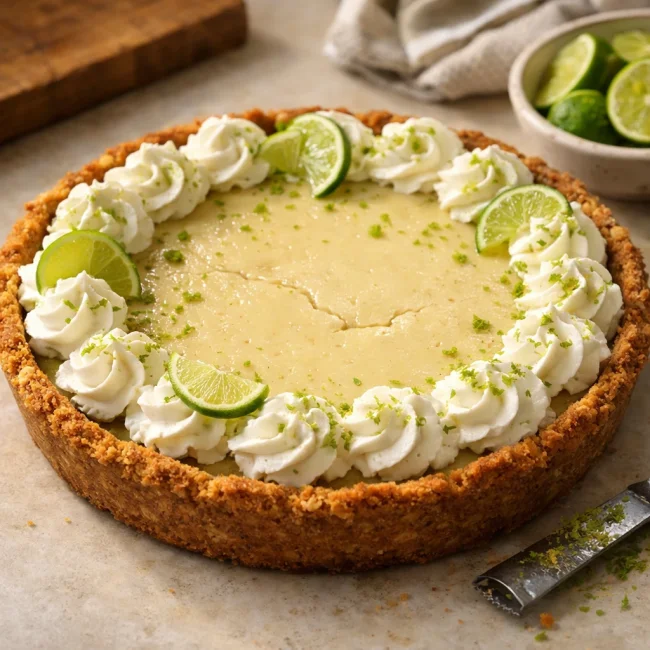
Traditional Key Lime Pie
Discover the rich and tangy taste of our Traditional Key Lime Pie, a classic desse...
View Recipe