
Traditional Pancakes
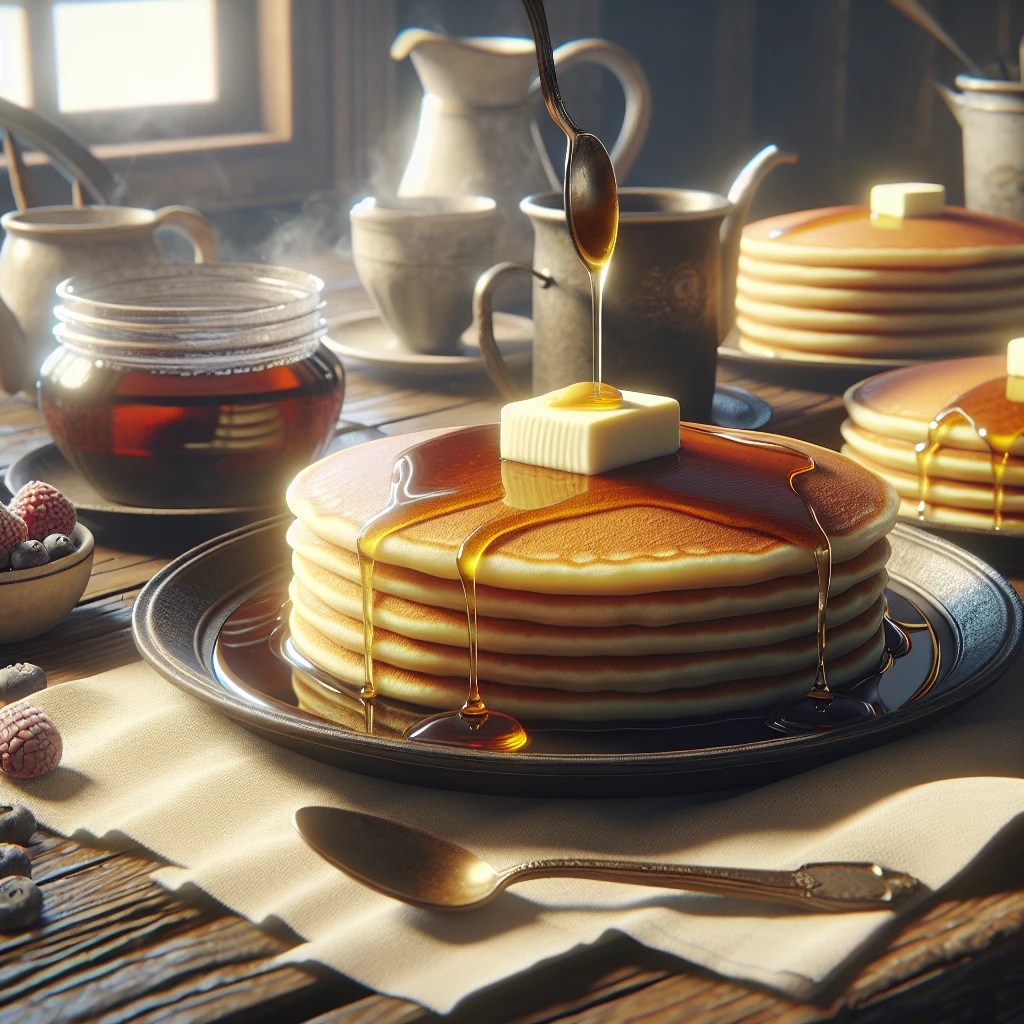
There's something magical about starting your day with a stack of fluffy, golden pancakes. This traditional pancake recipe is a go-to for cozy mornings, offering simplicity and comfort with every bite.
 Share
Share
This post may contain affiliate links. As an Amazon Associate, we earn from qualifying purchases.
Ingredients for Traditional Pancakes
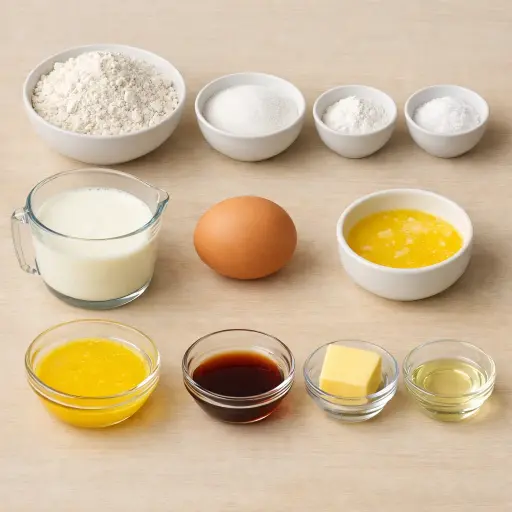
Flour is the foundation, giving structure to the pancakes. Sugar adds a touch of sweetness. Baking powder and baking soda work together to make the pancakes rise and become fluffy. A pinch of salt enhances the overall flavor. Buttermilk is key for that classic tang and tender texture. The egg binds everything together, while melted butter adds richness. Finally, vanilla extract brings a warm, aromatic note.
Why This Traditional Pancakes Works
As the dry and wet bowls come together, the flour soaks up the buttermilk and egg, but the batter is left a little lumpy on purpose. Those small lumps mean the gluten in the flour doesn’t get worked too hard, so the pancakes stay soft instead of chewy. Baking powder and baking soda start reacting with the tangy buttermilk right away, filling the batter with tiny bubbles that later puff up on the hot pan.
On the skillet, the batter spreads a bit, then starts to thicken and set as the heat moves through it. Bubbles rise to the top and stay open, which shows the inside is cooking and getting fluffy. Sugar and butter on the surface brown where they touch the pan, so the outside turns golden while the middle stays tender. By flipping only once, the pancakes keep their air pockets, so they come off the pan light, soft, and not dense.
Traditional Pancakes Tips & Tricks
- Test your baking powder and baking soda periodically to ensure they're fresh; this is crucial for fluffy pancakes.
- If your batter is too thick, add a splash of buttermilk to reach your desired consistency.
- For evenly sized pancakes, use a measuring cup to pour the batter onto the skillet.
Mistakes To Avoid
Overmixing the batter after the wet ingredients go into the dry makes the flour work too much. The batter tightens up, and instead of puffing, the pancakes cook up flat and chewy, with a tough bite instead of a soft, fluffy middle.
Pouring the pancakes into a pan that is too hot causes the outside to brown or even burn before the inside sets. The result is pancakes that look done on the surface but stay raw and pasty in the center.
Using cold buttermilk and a very hot pan right away can cause uneven cooking. The batter hits the pan, seizes up around the edges, and spreads poorly, so the pancakes cook in odd shapes with overcooked rims and undercooked centers.
Skipping the light greasing of the pan often leads to sticking. The pancakes tear when flipped, leaving bits stuck to the pan and giving ragged, broken pieces instead of whole, golden rounds.
Equipment Used:
Ingredients
- 1 cup all-purpose flour
- 2 tablespoons sugar
- 1 teaspoon baking powder
- 1/2 teaspoon baking soda
- 1/4 teaspoon salt
- 1 cup buttermilk
- 1 large egg
- 2 tablespoons unsalted butter, melted
- 1 teaspoon vanilla extract
- Butter or oil for cooking
Step-by-step Instructions
- 1. In a large bowl, whisk together the flour, sugar, baking powder, baking soda, and salt.
- 2. In another bowl, beat the buttermilk, egg, melted butter, and vanilla extract until well combined.
- 3. Pour the wet ingredients into the dry ingredients and stir until just combined. Do not overmix; the batter should be slightly lumpy.
- 4. Heat a non-stick skillet or griddle over medium heat and lightly grease with butter or oil.
- 5. Pour 1/4 cup of batter onto the skillet for each pancake. Cook until bubbles form on the surface, about 2-3 minutes.
- 6. Flip and cook the other side until golden brown, about 1-2 minutes.
- 7. Repeat with the remaining batter, adjusting the heat as necessary.
Trending Now
Classic Cucumber Salad
A refreshing and light cucumber salad featuring crisp cucumbers and a tangy vinaig...
View Recipe
Classic Banana Bread
Classic Banana Bread is a timeless dessert beloved for its moist texture and sweet...
View Recipe
Zesty Summer Squash Casserole
This delightful summer squash casserole combines vibrant garden-fresh vegetables w...
View Recipe
Traditional Dump Cake
Discover the timeless delight of the Traditional Dump Cake, a simple and scrumptio...
View RecipeFrequently Asked Questions
- Can I use regular milk instead of buttermilk?
- Yes, buttermilk adds a unique tang and tenderness that regular milk won’t replicate. You can make a substitute by adding a tablespoon of lemon juice or vinegar to a cup of milk.
- How do I store leftover pancakes?
- Keep them in an airtight container in the fridge for up to three days. Reheat in the toaster or a skillet for best results.
- Can I freeze pancakes?
- Absolutely! Let them cool completely, then freeze in a single layer on a baking sheet. Once solid, transfer to a freezer bag. They’ll keep for up to two months.
Serving Ideas for Traditional Pancakes
These pancakes are delightful on their own or with a drizzle of maple syrup. For a more indulgent breakfast, top with fresh berries and a dollop of whipped cream. Consider pairing with crispy bacon or a fruit salad for a balanced meal.
More Breakfast & Brunch Recipes
Traditional Quiche Lorraine
Experience the classic French Quiche Lorraine, a savory pie with a flaky crust fil...
View Recipe
Lemon-Blueberry Oat Coffee Cake
This Lemon-Blueberry Oat Coffee Cake is a delightful twist on the traditional favo...
View Recipe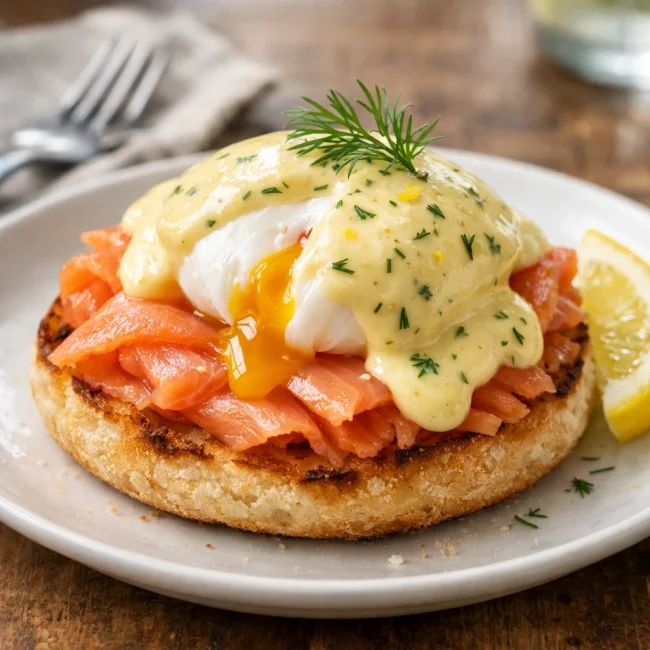
Smoked Salmon Benedict
A luxurious twist on the classic Eggs Benedict, featuring smoked salmon and a zest...
View Recipe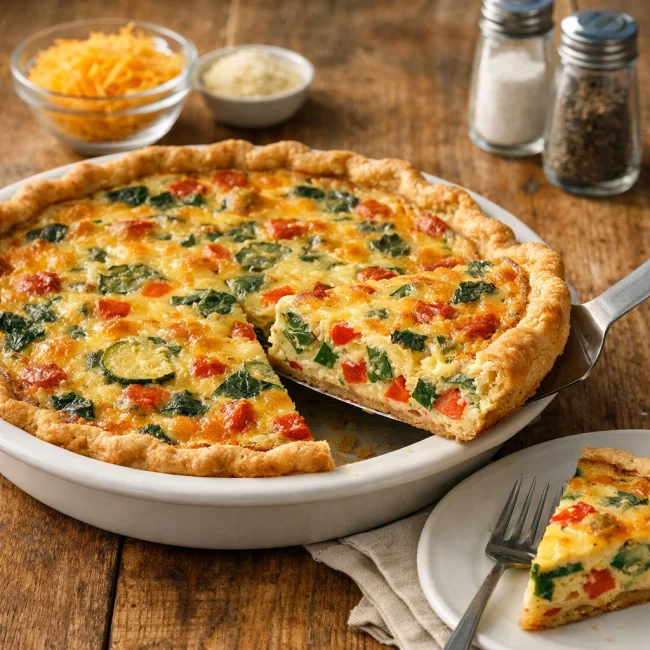
Savory Garden Veggie Quiche
A delightful and easy-to-make quiche filled with garden-fresh vegetables, perfect ...
View Recipe