
Traditional Pad Thai
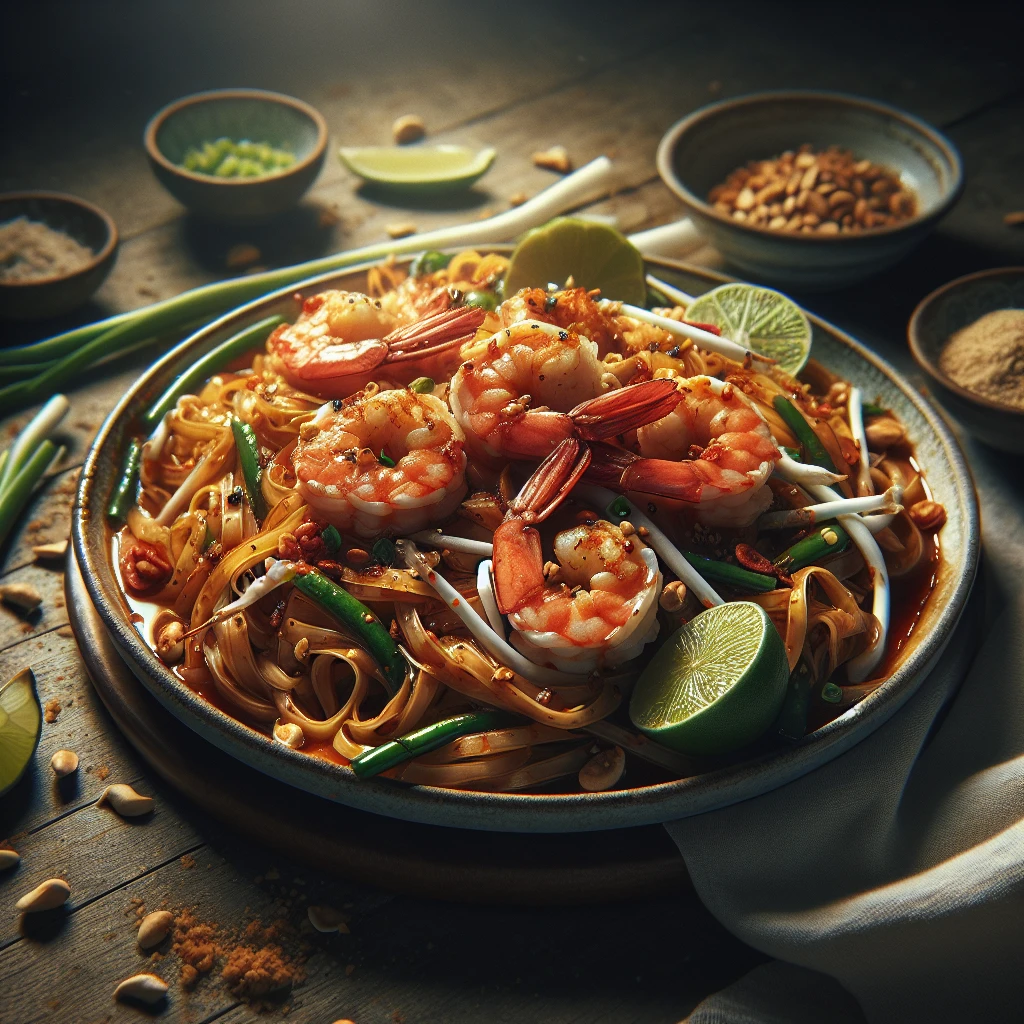
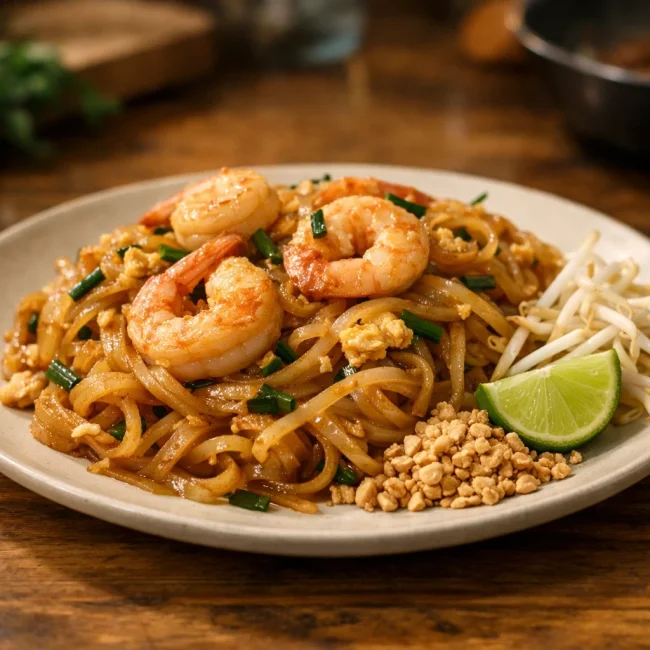
Pad Thai is one of those dishes that instantly transports you to the bustling streets of Thailand. This traditional version features shrimp and a balance of tart, sweet, and savory flavors. Perfect for a quick dinner or a cozy weekend lunch.
 Share
Share
This post may contain affiliate links. As an Amazon Associate, we earn from qualifying purchases.
Ingredients for Traditional Pad Thai
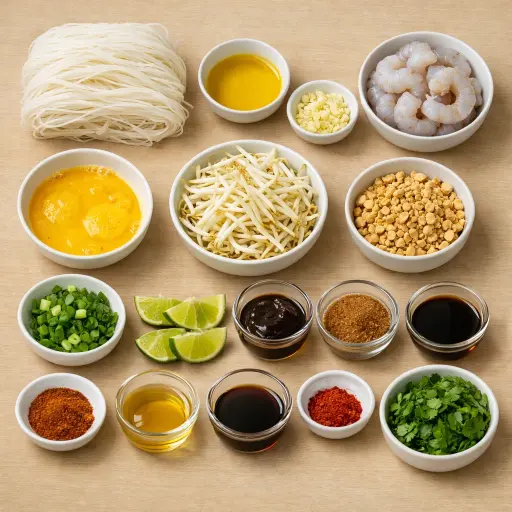
Rice noodles are the base of any Pad Thai. They soak up the flavors beautifully and offer a chewy texture. Peanut oil imparts a subtle nutty aroma that complements the peanuts in the dish. Garlic adds a fragrant depth that is essential for the sauce. Shrimp provides protein and a touch of sweetness that pairs well with the sauce. Eggs give the dish richness and help everything bind together.
Bean sprouts add a refreshing crunch. Peanuts are for garnish, providing a nutty crunch that contrasts with the soft noodles. Green onions introduce a mild, fresh flavor. Lime wedges bring acidity to balance the sweetness and saltiness of the dish.
The fish sauce, tamarind paste, brown sugar, soy sauce, and chili powder create the signature Pad Thai sauce, balancing salty, sweet, sour, and spicy notes. Finally, cilantro adds a burst of freshness at the end.
Why This Traditional Pad Thai Works
During soaking, the rice noodles slowly drink up the warm water. They soften all the way through but don’t fall apart, so later in the pan they can bend and curl around the shrimp and eggs instead of breaking into mush. By the time they hit the hot oil, they are ready to grab onto the sauce instead of just sitting in it.
As the sauce warms in the pan with the noodles, the sugar melts and the tamarind and fish sauce spread over every strand. The noodles act like little sponges, soaking in that salty-sour-sweet liquid. Stirring keeps them from clumping, and the heat dries the outside just enough so they stay a bit chewy.
Once the bean sprouts and green onions go in, they only cook for a short time. They stay crisp while the noodles stay soft and springy. Crushed peanuts on top add crunch, and the lime squeezed over at the end wakes everything up without changing the tender texture of the noodles.
Traditional Pad Thai Tips & Tricks
- Be sure to soak the rice noodles just until tender — over-soaking can make them mushy.
- Adjust the chili powder according to your spice preference; feel free to add more if you like it hot.
- If you can't find tamarind paste, a mixture of lime juice and brown sugar can work in a pinch, though it won't be exactly the same.
Mistakes To Avoid
Letting the rice noodles soak too long in the water makes them start to break down before they even hit the pan. Once they go into the wok, they clump, tear, and turn mushy instead of staying springy, so the whole dish ends up pasty and sticky.
Pouring the sauce in before the noodles are softened and hot enough often leaves the noodles tough in the center. The liquid soaks the outside, but the strands don’t loosen and bend, so the pan ends up with stiff, unevenly cooked noodles coated in a wet, thin sauce.
Cooking the shrimp for too long in the pan causes them to shrink and turn rubbery. Instead of staying plump and tender, they become chewy and dry, standing out in a bad way against the soft noodles.
Letting the eggs fully cook in a big solid layer before mixing them with the shrimp and noodles creates thick, rubbery chunks. Those chunks don’t blend into the dish and sit on top instead of weaving through the noodles in small, soft pieces.
Equipment Used:
Ingredients
- 8 oz rice noodles
- 2 tbsp peanut oil
- 3 cloves garlic, minced
- 8 oz shrimp, peeled and deveined
- 2 large eggs, beaten
- 1 cup bean sprouts
- 1/4 cup peanuts, crushed
- 2 green onions, chopped
- 1 lime, cut into wedges
- 1/4 cup fish sauce
- 2 tbsp tamarind paste
- 3 tbsp brown sugar
- 1 tbsp soy sauce
- 1/2 tsp chili powder
- 1/4 cup fresh cilantro, chopped
Step-by-step Instructions
- 1. Soak rice noodles in warm water for 30 minutes until soft, then drain.
- 2. In a small bowl, mix fish sauce, tamarind paste, brown sugar, soy sauce, and chili powder; set aside.
- 3. Heat peanut oil in a large pan over medium heat. Add garlic and sauté until fragrant.
- 4. Add shrimp to the pan and cook until pink.
- 5. Push shrimp to the side and pour in beaten eggs; scramble and mix with shrimp.
- 6. Add drained noodles and prepared sauce mix; stir well to combine.
- 7. Stir in bean sprouts and green onions; cook for an additional 2-3 minutes.
- 8. Serve hot, garnished with crushed peanuts, lime wedges, and fresh cilantro.
Trending Now
Old-Fashioned Bread Pudding
Discover the classic charm of Old-Fashioned Bread Pudding - a timeless dessert com...
View Recipe
Hearty Breakfast Casserole
This Hearty Breakfast Casserole is the quintessential morning dish, combining savo...
View Recipe
Traditional Stuffed Peppers
Explore the delightful blend of seasoned beef, rice, and tomato sauce nestled in v...
View Recipe
Traditional Lemon Pound Cake
A delightful and moist traditional lemon pound cake infused with the fresh zest an...
View RecipeFrequently Asked Questions
- Can I use chicken instead of shrimp?
- Absolutely! Just ensure the chicken is cooked through before adding the eggs.
- What if I don't have fish sauce?
- Soy sauce can be a substitute, but it will change the flavor profile slightly.
- Is this recipe gluten-free?
- Yes, as long as you use gluten-free soy sauce.
Serving Ideas for Traditional Pad Thai
Serve Pad Thai with a side of fresh Thai cucumber salad to add a cooling contrast. If you’re hosting, consider offering extra lime wedges and chili flakes on the side, so everyone can customize their plate to taste.
More Main Dishes, Stir-Fry, Southeast Asian Recipes
Traditional Pad Thai
Authentic Pad Thai recipe featuring rice noodles, shrimp, and a savory-sweet sauce...
View Recipe