
Traditional Orange Cake
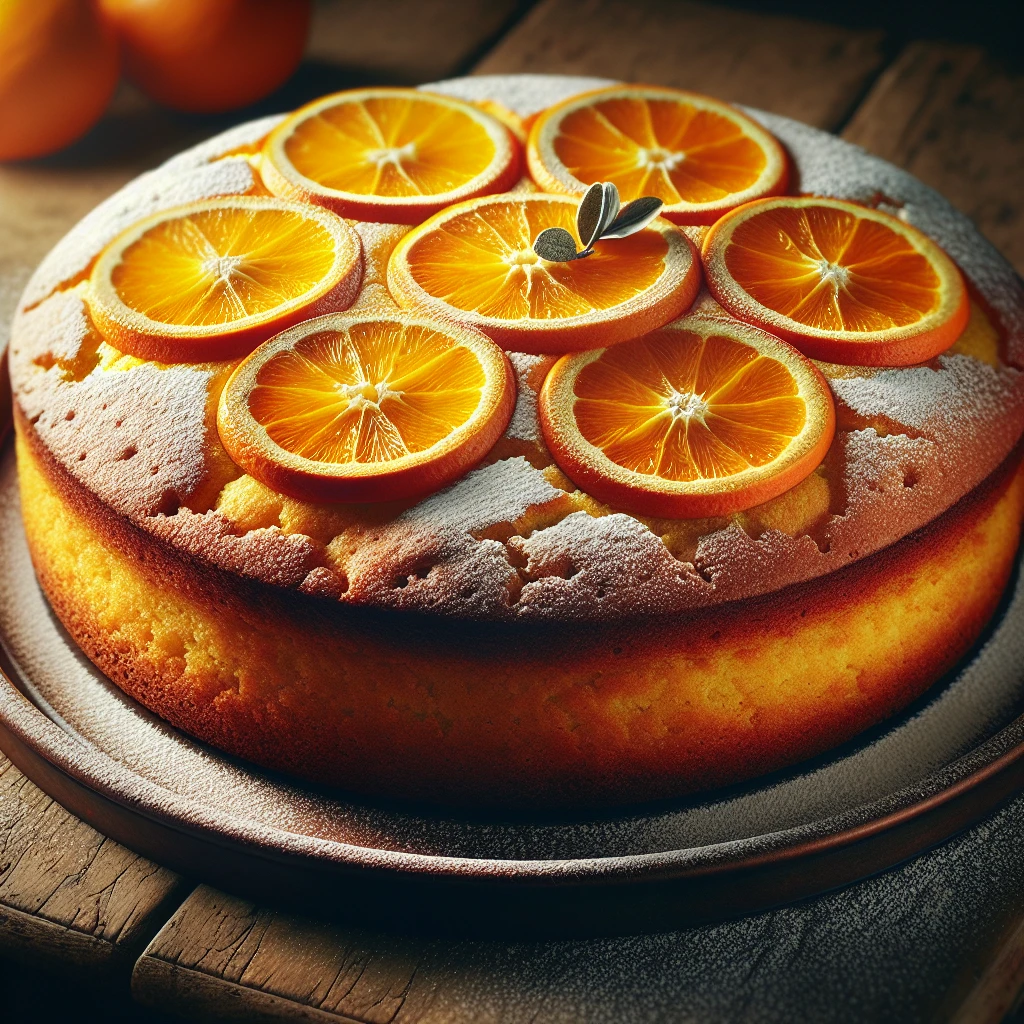
This Traditional Orange Cake is a burst of sunshine in every bite, perfect for brightening any occasion. With its vibrant citrus flavor and tender crumb, it’s sure to become a favorite in your recipe collection.
 Share
Share
This post may contain affiliate links. As an Amazon Associate, we earn from qualifying purchases.
Ingredients for Traditional Orange Cake
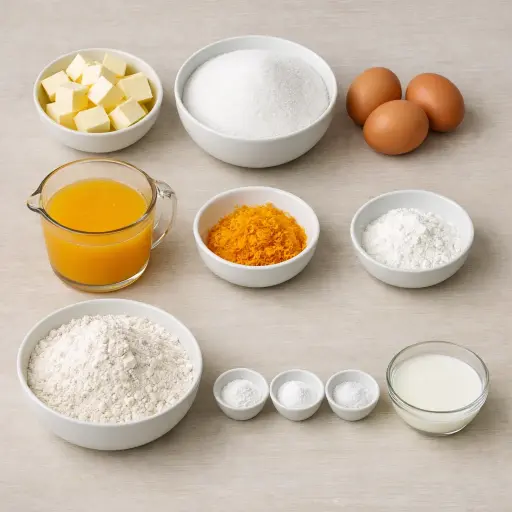
Butter provides a rich, creamy base for the cake and helps keep it moist. Make sure it's softened to blend well with the sugar.
Sugar sweetens the cake and helps achieve that light, fluffy texture when creamed with butter.
Eggs act as a binding agent and add richness. Adding them one at a time ensures they incorporate smoothly.
Orange juice and zest are the stars of the show, delivering the cake’s signature citrus punch.
Flour forms the structure of the cake. All-purpose flour is ideal for a balanced texture.
Baking powder and baking soda help the cake rise, creating a light, airy crumb.
Salt enhances the flavors, balancing the sweetness and citrus.
Milk adds moisture and helps to create a tender crumb.
Why This Traditional Orange Cake Works
During mixing, the soft butter and sugar trap a lot of tiny air pockets as they are beaten together. Those little pockets stay inside the batter when the eggs go in, so the cake rises evenly instead of baking up dense. As the orange juice and zest are stirred in, the liquid loosens the batter, and the orange oils spread through it, so every bite tastes like orange instead of just the top or edges.
In the dry bowl, the flour, baking powder, and baking soda wait to do their job in the oven. Once the batter goes into the heat, the baking powder and soda react and push against those air pockets from the creamed butter, so the cake lifts and stays light. At the same time, the butter and milk keep the crumb soft while the flour sets around them. By the time it finishes baking and cools, the cake holds together in neat slices but still feels moist, with a tight, even texture and a strong orange taste all the way through.
Traditional Orange Cake Tips & Tricks
- Use freshly squeezed orange juice for the best flavor. Bottled juice just can't compete.
- Zest the oranges before juicing them; it’s much easier that way.
- Room temperature ingredients, like eggs and butter, blend more easily and produce a better texture.
- If you don't have a wire rack, carefully invert the cake onto a plate after cooling for 10 minutes in the pan.
Mistakes To Avoid
Overbaking this cake easily turns it from soft to dry. Once it stays in the oven too long, the edges and top firm up too much while the inside loses moisture, so the crumb ends up tough and a bit crumbly instead of tender.
Adding the orange juice straight into cold, unmixed butter and sugar can cause the mixture to look curdled and broken. When that happens, the fat and liquid don’t blend well, and the baked cake can rise unevenly and have small dense patches.
Skipping the step of alternating flour and milk often leads to a lumpy or overworked batter. Dumping all the flour in at once makes it harder to mix gently, so the cake can bake up dense instead of light.
Using bottled orange juice instead of freshly squeezed can change how the batter behaves. Many bottled juices are more acidic or sweeter, which can throw off how the cake rises and can make the texture slightly gummy or uneven.
Equipment Used:
Ingredients
- 1 cup unsalted butter, softened
- 2 cups granulated sugar
- 3 large eggs
- 1 cup freshly squeezed orange juice
- 2 tablespoons orange zest
- 3 cups all-purpose flour
- 1 teaspoon baking powder
- 1/2 teaspoon baking soda
- 1/4 teaspoon salt
- 1/2 cup whole milk
Step-by-step Instructions
- 1. Preheat your oven to 350°F (175°C).
- 2. Cream the butter and sugar together in a large bowl until light and fluffy.
- 3. Beat in the eggs, one at a time, mixing well after each addition.
- 4. Stir in the orange juice and zest.
- 5. In a separate bowl, whisk together the flour, baking powder, baking soda, and salt.
- 6. Gradually add the dry ingredients to the wet ingredients, alternating with the milk, beginning and ending with the flour mixture.
- 7. Pour the batter into a greased 9x13-inch baking dish.
- 8. Bake for 45-50 minutes or until a toothpick inserted into the center comes out clean.
- 9. Allow the cake to cool in the pan for 10 minutes before transferring it to a wire rack to cool completely.
Trending Now
Oven-Baked Pork Chops
Enjoy a delightful dinner with these tender and juicy oven-baked pork chops, seaso...
View Recipe
Traditional Corn Casserole
A delightful corn casserole dish that embodies the comforting flavors of sweet cor...
View Recipe
Traditional Cucumber and Tomato Salad
A refreshing and simple salad combining crisp cucumbers and juicy tomatoes, season...
View Recipe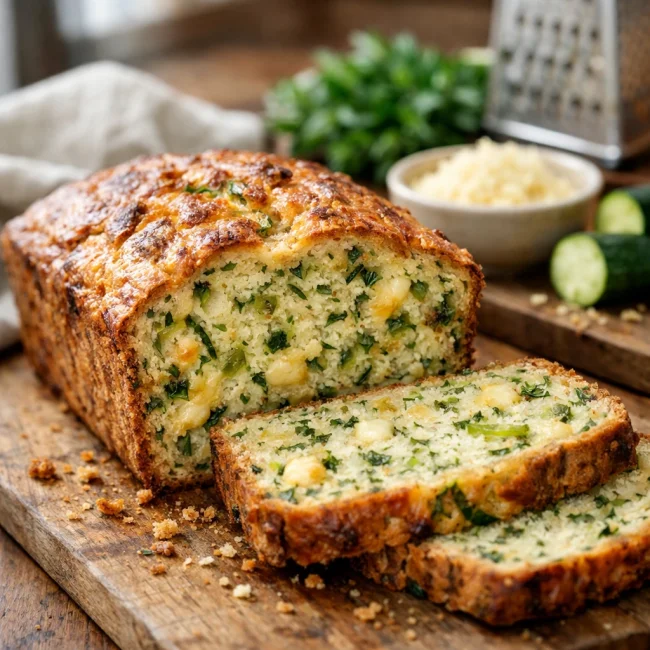
Savory Zucchini Bread
Savory Zucchini Bread is a delectable twist on traditional zucchini recipes, combi...
View RecipeFrequently Asked Questions
- Can I use a different type of flour?
- All-purpose flour works best, but you can try cake flour for a lighter texture. Avoid self-rising flour as it already contains leavening agents.
- How long will this cake stay fresh?
- Stored in an airtight container, the cake will stay fresh for up to 3 days at room temperature or up to a week in the refrigerator.
- Can I make this cake ahead of time?
- Yes, you can bake the cake a day in advance. Just keep it covered to maintain its moisture.
Serving Ideas for Traditional Orange Cake
This cake pairs wonderfully with a dollop of whipped cream or a scoop of vanilla ice cream. For a bit of extra indulgence, drizzle with a light orange glaze or serve with a side of fresh berries.
More Desserts Recipes
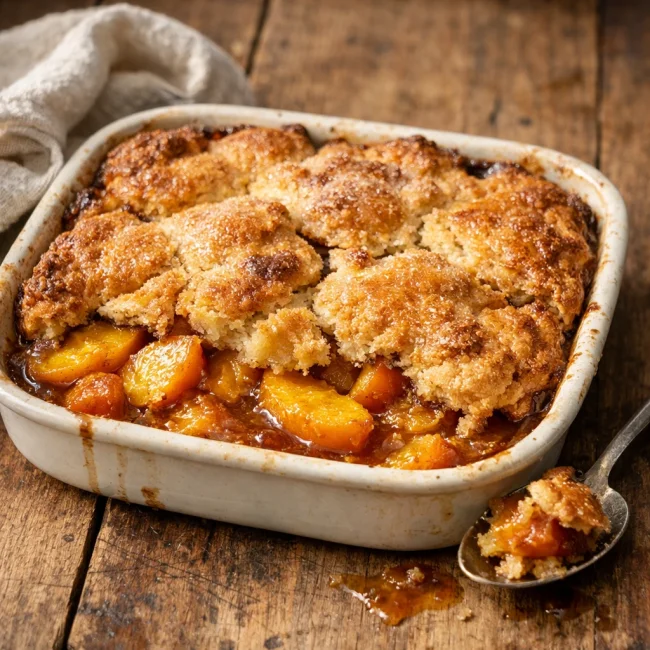
Rustic Vanilla Peach Cobbler
This rustic vanilla peach cobbler combines a rich, buttery crust with the sweet, v...
View Recipe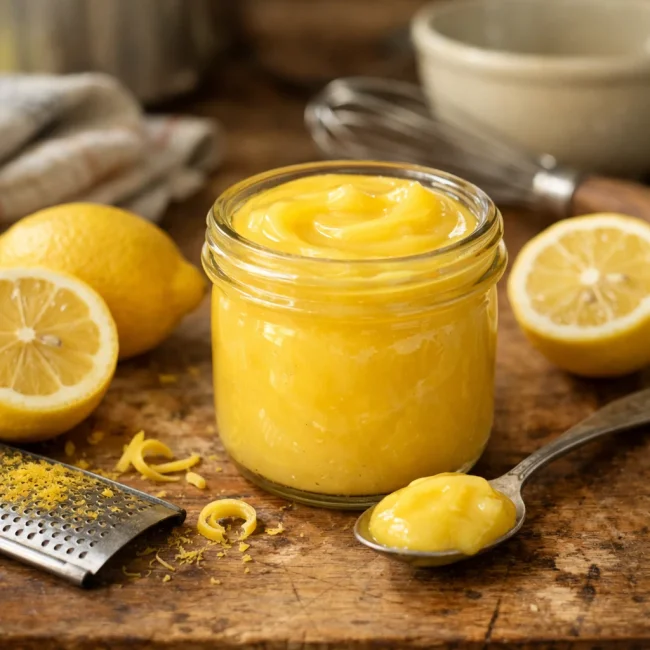
Traditional Lemon Curd
A classic, tangy lemon curd that is perfect for enhancing desserts, breakfast dish...
View Recipe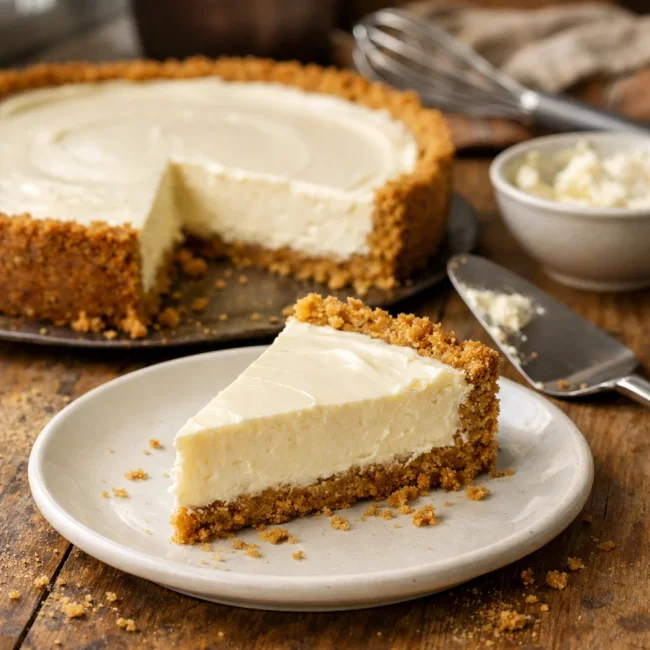
Traditional Cream Cheese Pie
A delightful and timeless dessert, Traditional Cream Cheese Pie offers a rich and ...
View Recipe
Timeless Cream Puff Delight
Indulge in a delectable Timeless Cream Puff Delight, a classic dessert featuring a...
View Recipe