
Traditional Oatmeal Cookies
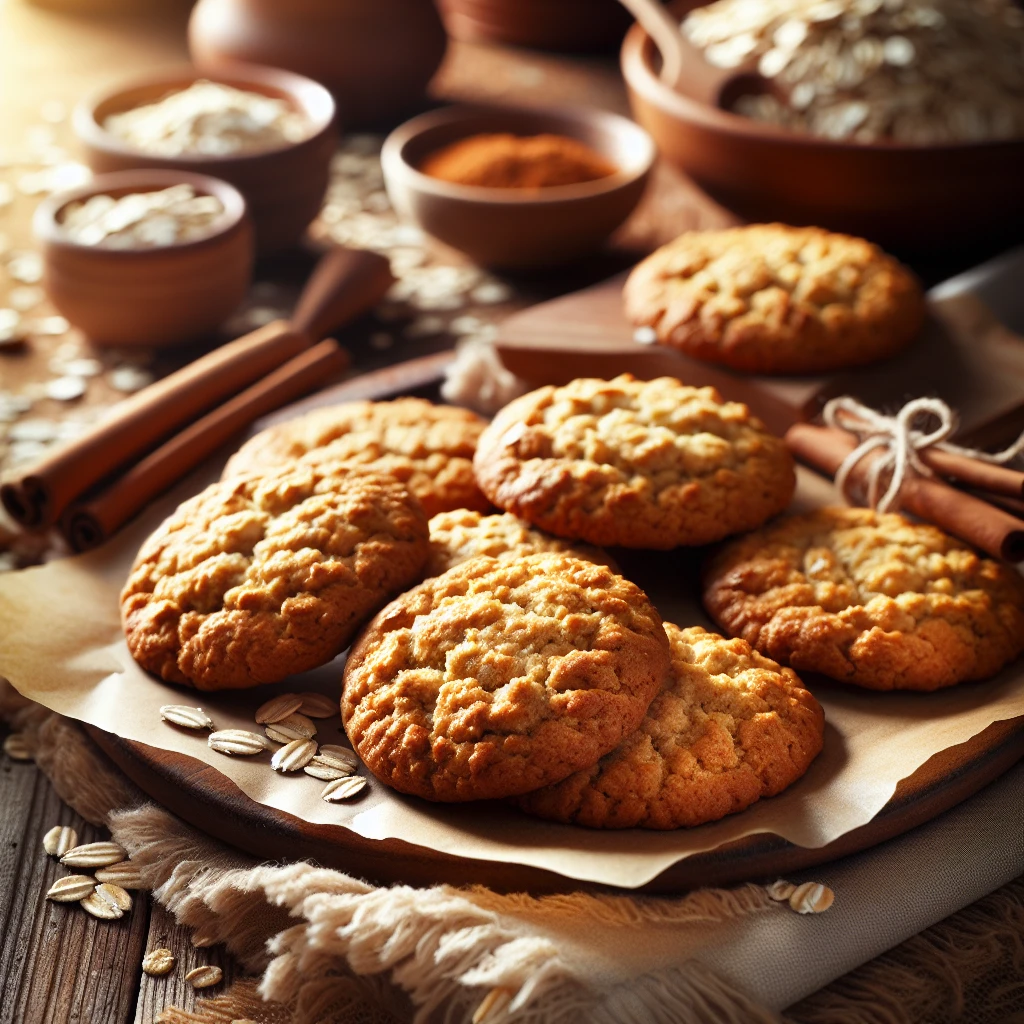
If you're craving a taste of nostalgia, these Traditional Oatmeal Cookies are your ticket to the past. With their perfect blend of sweet and chewy, they're an ideal treat any time of year. Whether you're a seasoned baker or just getting started, this recipe is both approachable and rewarding.
 Share
Share
This post may contain affiliate links. As an Amazon Associate, we earn from qualifying purchases.
Ingredients for Traditional Oatmeal Cookies
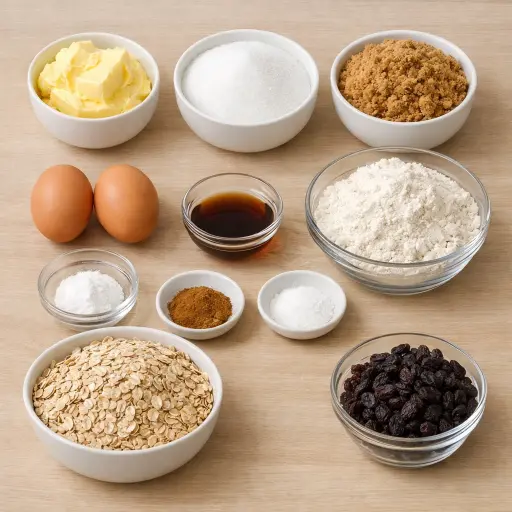
Butter: Softened butter is the backbone of these cookies, providing richness and helping to achieve that signature chewy texture.
Granulated Sugar & Brown Sugar: This duo not only sweetens the cookies but also contributes to the texture. Brown sugar, with its molasses content, adds a hint of caramel flavor.
Eggs: Eggs bind the ingredients together and add moisture, ensuring the cookies aren't too dry.
Vanilla Extract: A dash of vanilla enhances all the flavors without overwhelming them.
Flour: All-purpose flour gives the cookies structure. Too much flour can make them cakey, so measure carefully.
Baking Soda: This leavening agent helps the cookies rise and spread just the right amount.
Cinnamon: A touch of ground cinnamon adds warmth and depth, making these cookies even more comforting.
Salt: A bit of salt balances the sweetness and enhances all the other flavors.
Rolled Oats: The star of the show, oats give these cookies their hearty, chewy texture.
Raisins (optional): For those who love a bit of chewy fruitiness, raisins add a delightful contrast.
Why This Traditional Oatmeal Cookies Works
During mixing, the soft butter and two kinds of sugar trap a lot of tiny air pockets. As the cookies bake, those little pockets expand from the heat, so the cookies puff slightly instead of staying dense. The eggs then set in the oven and hold that shape, so the cookies don’t collapse into flat puddles.
In a separate step, the flour, baking soda, cinnamon, and salt are mixed together first. That spreads the baking soda and salt evenly, so each cookie rises about the same and browns at the edges instead of burning in spots. While the cookies bake, the flour and eggs firm up and give the cookies a soft, chewy center.
Once the oats go in, they soak up some of the moisture from the butter and eggs. In the oven, those oats soften but still keep a bit of bite, which gives the cookies their chewy texture. As the cookies cool on the sheet, the butter firms back up, so the edges stay crisp while the centers stay tender.
Traditional Oatmeal Cookies Tips & Tricks
- Ensure your butter is at room temperature for the best creaming results.
- Use old-fashioned rolled oats for the best texture. Quick oats can make the cookies cakey.
- If you like your cookies a bit softer, take them out of the oven when the centers still look slightly underbaked.
Mistakes To Avoid
Using butter that is still firm or half-melted throws off the dough. When it’s too cold, the sugars don’t blend in and the dough stays lumpy, so the cookies bake up uneven with dry spots. When it’s half-melted, the dough gets greasy and the cookies spread too much and turn thin and brittle.
Skipping the separate mixing of the dry ingredients often leads to pockets of baking soda or cinnamon. Those little clumps don’t dissolve in the wet dough and leave streaks and random bitter or overly spiced bites, and some cookies rise more than others.
Overmixing once the flour goes in makes the dough tough. The more it’s stirred, the tighter the structure gets, so the cookies bake up hard and chewy in a stiff way instead of soft with a bit of crumble.
Letting the cookies bake until the centers look fully firm keeps them in the oven too long. By the time the middle sets in the oven, the edges have already dried out, and the cookies cool into hard, crunchy discs instead of soft oatmeal cookies.
Equipment Used:
Mixing bowl, Electric mixer, Baking sheets, Parchment paper, Wire rack
Ingredients
- 1 cup unsalted butter (softened)
- 1 cup granulated sugar
- 1 cup packed brown sugar
- 2 large eggs
- 1 teaspoon vanilla extract
- 2 cups all-purpose flour
- 1 teaspoon baking soda
- 1 teaspoon ground cinnamon
- 1/2 teaspoon salt
- 3 cups rolled oats
- 1 cup raisins (optional)
Step-by-step Instructions
- 1. Preheat your oven to 350°F (175°C) and line baking sheets with parchment paper.
- 2. In a large bowl, cream together the butter, granulated sugar, and brown sugar until smooth and creamy.
- 3. Beat in the eggs one at a time, then stir in the vanilla extract.
- 4. In a separate bowl, whisk together the flour, baking soda, cinnamon, and salt. Gradually blend into the creamed mixture.
- 5. Stir in the oats and raisins (if using). Mix until just combined.
- 6. Drop dough by rounded tablespoonfuls onto the prepared baking sheets, leaving space between each cookie.
- 7. Bake for 10 to 12 minutes in the preheated oven, until the edges are golden brown.
- 8. Allow cookies to cool on the baking sheets for a few minutes before transferring to wire racks to cool completely.
Trending Now
Oven-Baked Pork Chops
Enjoy a delightful dinner with these tender and juicy oven-baked pork chops, seaso...
View Recipe
Traditional Corn Casserole
A delightful corn casserole dish that embodies the comforting flavors of sweet cor...
View Recipe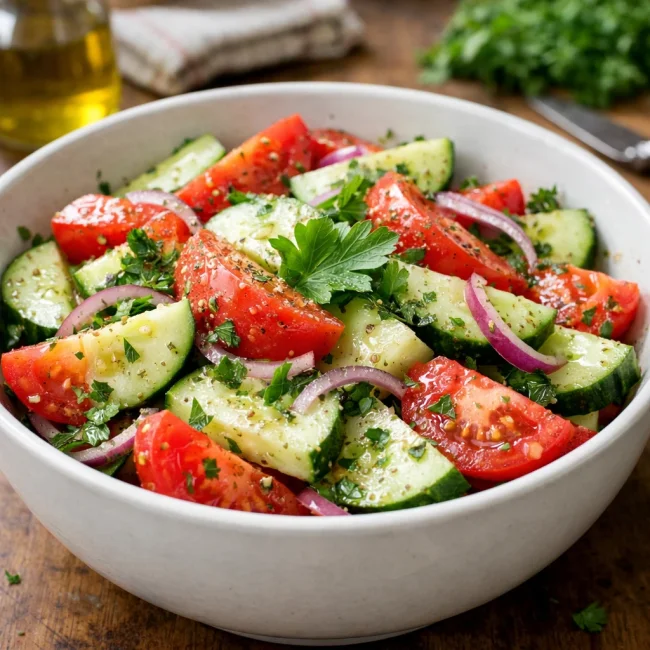
Traditional Cucumber and Tomato Salad
A refreshing and simple salad combining crisp cucumbers and juicy tomatoes, season...
View Recipe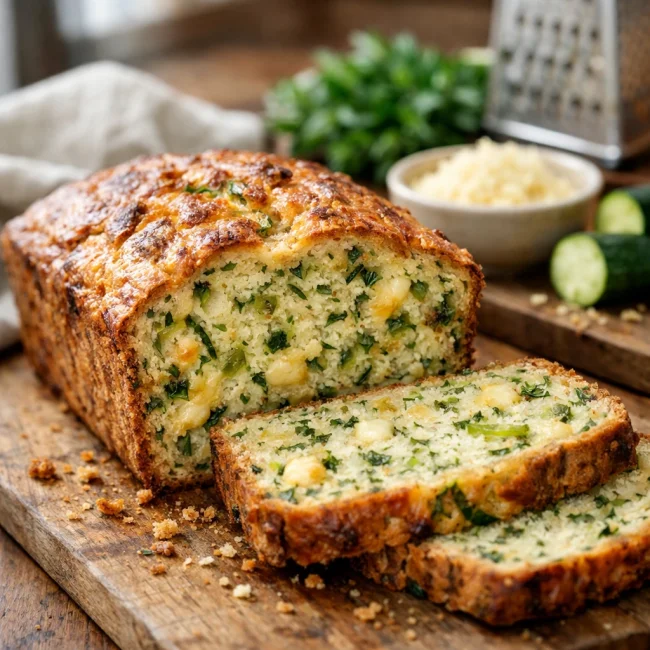
Savory Zucchini Bread
Savory Zucchini Bread is a delectable twist on traditional zucchini recipes, combi...
View RecipeFrequently Asked Questions
- Can I freeze the dough?
- Absolutely! Roll the dough into balls and freeze on a baking sheet. Once solid, transfer them to a freezer bag for easy cookie baking whenever the craving hits.
- What if I don't like raisins?
- No worries! You can leave them out or substitute with chocolate chips, nuts, or dried cranberries.
- How do I store these cookies?
- Store in an airtight container at room temperature for up to a week. For longer storage, freeze them for up to three months.
Serving Ideas for Traditional Oatmeal Cookies
These oatmeal cookies are perfect on their own, but for a delightful twist, try serving them with a scoop of vanilla ice cream or a dollop of whipped cream. If you're feeling adventurous, crumble them over a bowl of yogurt for a sweet breakfast treat.
More Desserts Recipes
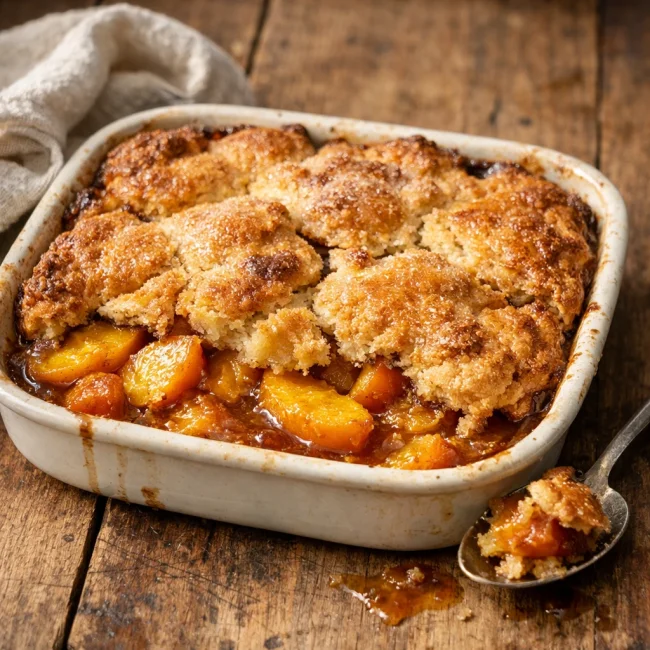
Rustic Vanilla Peach Cobbler
This rustic vanilla peach cobbler combines a rich, buttery crust with the sweet, v...
View Recipe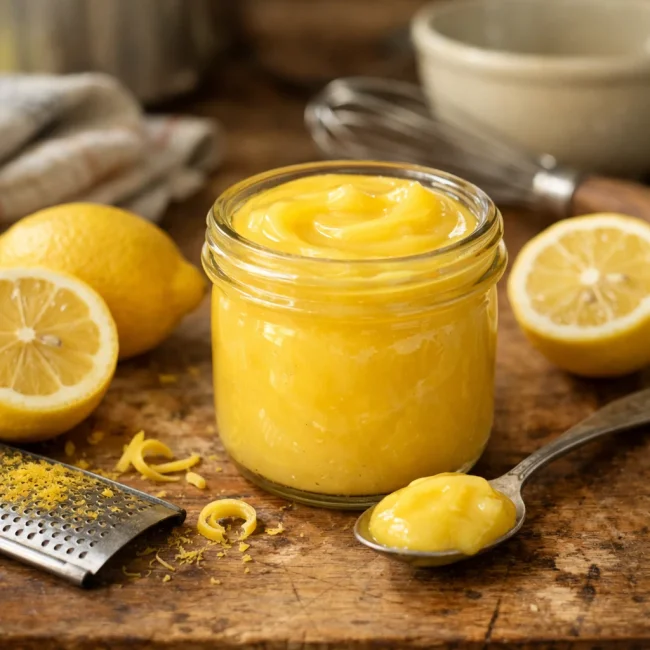
Traditional Lemon Curd
A classic, tangy lemon curd that is perfect for enhancing desserts, breakfast dish...
View Recipe
Traditional Cream Cheese Pie
A delightful and timeless dessert, Traditional Cream Cheese Pie offers a rich and ...
View Recipe
Timeless Cream Puff Delight
Indulge in a delectable Timeless Cream Puff Delight, a classic dessert featuring a...
View Recipe