
Traditional Lemon Pound Cake
If you're a fan of citrusy desserts, this Traditional Lemon Pound Cake is going to be your new favorite treat. With its moist, tender crumb and a burst of zesty lemon flavor, it's perfect for any occasion, from casual afternoon tea to special celebrations.
 Share
Share

This post may contain affiliate links. As an Amazon Associate, we earn from qualifying purchases.
Ingredients for Traditional Lemon Pound Cake
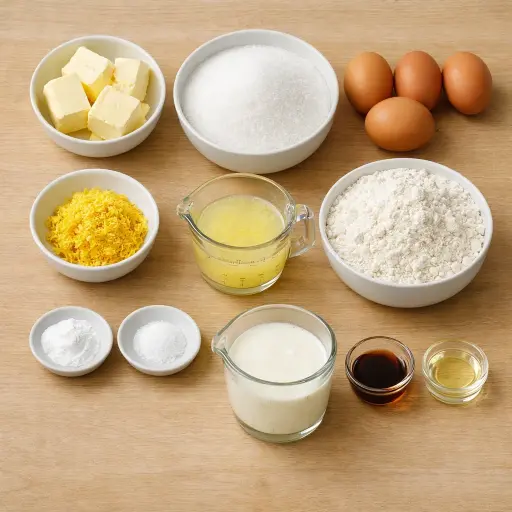
Butter: Provides the rich, creamy foundation for the cake's texture. Make sure it's at room temperature for easy creaming.
Granulated sugar: Sweetens the cake and helps achieve that light, fluffy texture when creamed with butter.
Eggs: Add structure and richness. Be sure to add them one at a time for a smooth batter.
Lemon zest and juice: These are the stars of the show, giving the cake its vibrant lemony punch.
All-purpose flour: The base of the cake, providing structure. Measure carefully to avoid a dense cake.
Baking soda: Helps the cake rise beautifully, working in tandem with the acidic lemon juice and buttermilk.
Salt: Enhances all the flavors, balancing sweetness and acidity.
Buttermilk: Keeps the cake moist and tender, adding a subtle tang that complements the lemon.
Vanilla extract: Adds depth and rounds out the lemon flavor.
Lemon extract: Intensifies the lemon flavor without adding extra acidity.
Why This Traditional Lemon Pound Cake Works
During mixing, the soft butter and sugar trap a lot of tiny air pockets as they are beaten together. Those little pockets stay inside the batter when the eggs go in one by one, so the cake doesn’t bake up dense like a brick. The lemon juice and buttermilk are both a bit sour, so they react with the baking soda and give the batter extra lift in the oven. At the same time, the flour and eggs set around all that air, so the cake holds its shape instead of collapsing.
As it bakes at a lower oven temperature, the batter has time to rise slowly before the outside firms up. The buttermilk and butter keep the crumb moist while the heat dries the surface just enough to form a thin, tender crust. By the time it cools, the structure from the eggs and flour has fully set, so the slices cut cleanly but still feel soft and tight, the way a good pound cake should.
Traditional Lemon Pound Cake Tips & Tricks
- Room temperature ingredients blend more thoroughly, ensuring a smooth batter and even baking.
- If you don't have buttermilk, make your own by adding a tablespoon of lemon juice or vinegar to a cup of milk.
- For an extra lemony kick, drizzle a simple lemon glaze over the cooled cake.
Mistakes To Avoid
Overbaking at 325°F easily dries this cake out. Once it goes past done, the sugar on the edges starts to harden and the crumb tightens, so the outside turns tough while the inside loses that moist, fine texture pound cake is known for.
Starting with cold butter or not creaming it long enough keeps enough air from getting into the batter. The sugar then doesn’t dissolve well, so the cake bakes up dense and heavy instead of rising evenly with a soft, tight crumb.
Adding the lemon juice too early with the butter and sugar can cause the mixture to look curdled and stay that way. Those little separated bits don’t smooth out fully, so the baked cake can have uneven pockets and a slightly coarse, uneven texture.
Skipping the “alternating” step with the flour and buttermilk often leads to overmixed batter. Once the flour goes in all at once and gets beaten hard, more gluten forms, and the finished cake turns out chewy and bready instead of tender.
Equipment Used:
Ingredients
- 1 cup unsalted butter, at room temperature
- 2 cups granulated sugar
- 4 large eggs
- 1 tablespoon lemon zest
- 1/4 cup fresh lemon juice
- 3 cups all-purpose flour
- 1/2 teaspoon baking soda
- 1/2 teaspoon salt
- 1 cup buttermilk
- 1 teaspoon vanilla extract
- 1 tablespoon lemon extract
Step-by-step Instructions
- 1. Preheat your oven to 325°F (163°C) and grease a 10-inch bundt pan.
- 2. In a large bowl, cream the butter and sugar until light and fluffy.
- 3. Add the eggs one at a time, beating well after each addition.
- 4. Stir in the lemon zest and lemon juice.
- 5. In another bowl, whisk together the flour, baking soda, and salt.
- 6. Add the dry ingredients to the butter mixture alternately with buttermilk, beginning and ending with the flour mixture.
- 7. Stir in vanilla and lemon extracts.
- 8. Pour the batter into the prepared pan and smooth the top.
- 9. Bake for 60 to 70 minutes or until a toothpick inserted in the center comes out clean.
- 10. Allow the cake to cool in the pan for 15 minutes before transferring to a wire rack to cool completely.
Trending Now

Classic Cucumber Salad
A refreshing and light cucumber salad featuring crisp cucumbers and a tangy vinaig...
View Recipe
Classic Banana Bread
Classic Banana Bread is a timeless dessert beloved for its moist texture and sweet...
View Recipe
Zesty Summer Squash Casserole
This delightful summer squash casserole combines vibrant garden-fresh vegetables w...
View Recipe
Traditional Dump Cake
Discover the timeless delight of the Traditional Dump Cake, a simple and scrumptio...
View RecipeFrequently Asked Questions
- Can I use a different type of pan?
- A bundt pan works best for this recipe, but you can use two loaf pans if needed. Just adjust the baking time accordingly.
- How should I store the cake?
- Keep the cake in an airtight container at room temperature for up to 4 days. For longer storage, wrap it tightly and freeze.
- Can I substitute the lemon with another citrus?
- Yes, you can try orange or lime for a different but equally delicious flavor.
Serving Ideas for Traditional Lemon Pound Cake
This lemon pound cake is delightful on its own, but for a more indulgent treat, serve it with a dollop of whipped cream or a scoop of vanilla ice cream. Pair it with a cup of Earl Grey tea for a wonderfully refreshing afternoon snack.
More Desserts Recipes

Rustic Vanilla Peach Cobbler
This rustic vanilla peach cobbler combines a rich, buttery crust with the sweet, v...
View Recipe
Traditional Lemon Curd
A classic, tangy lemon curd that is perfect for enhancing desserts, breakfast dish...
View Recipe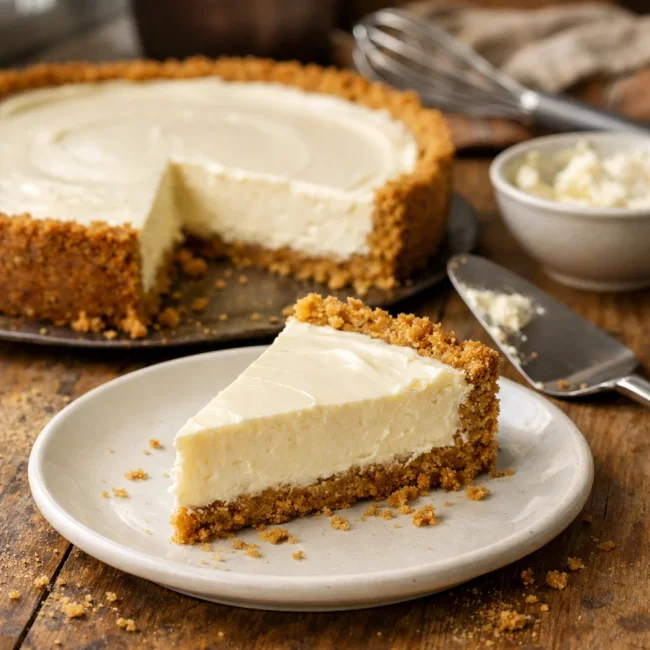
Traditional Cream Cheese Pie
A delightful and timeless dessert, Traditional Cream Cheese Pie offers a rich and ...
View Recipe
Timeless Cream Puff Delight
Indulge in a delectable Timeless Cream Puff Delight, a classic dessert featuring a...
View Recipe