
Traditional Kung Pao Chicken
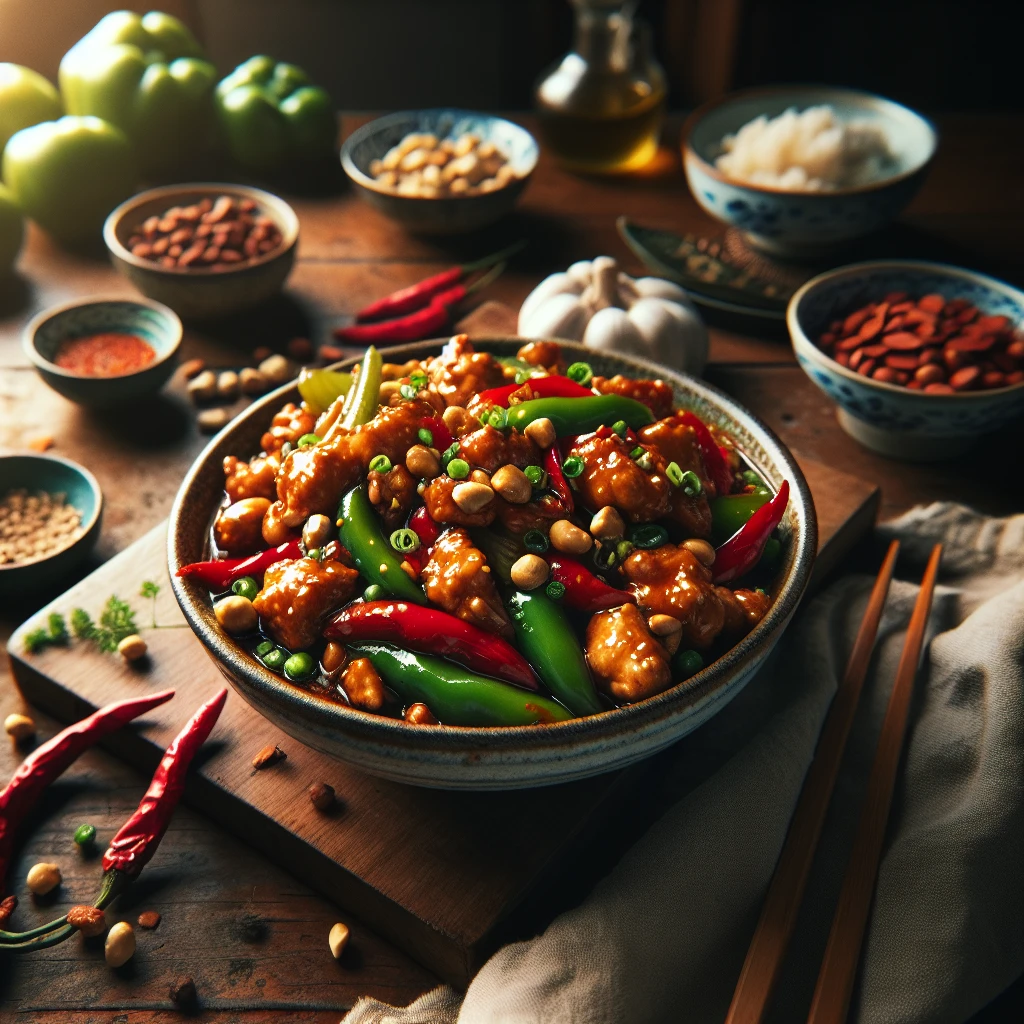
Kung Pao Chicken is a classic Chinese dish known for its bold flavors and exciting textures. This recipe brings the authentic taste of Sichuan cuisine right into your home kitchen, balancing spicy, sweet, and savory notes with a delightful crunch.
 Share
Share
This post may contain affiliate links. As an Amazon Associate, we earn from qualifying purchases.
Ingredients for Traditional Kung Pao Chicken
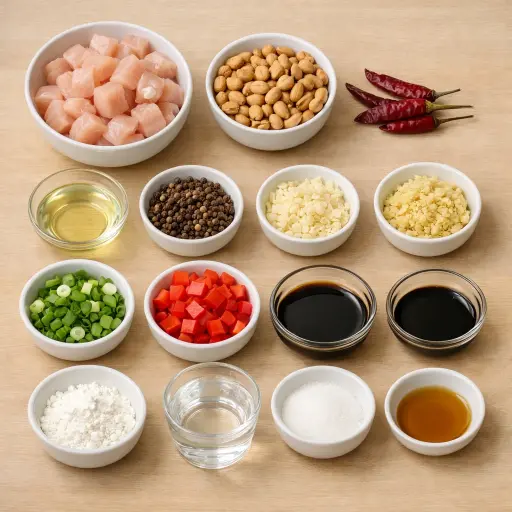
Chicken breast is the star here, offering a lean protein that soaks up the flavors of the sauce. The roasted peanuts add a satisfying crunch and nutty depth. Spice comes from dried red chilies and the unique tingle of Sichuan peppercorns. Aromatics like garlic and ginger provide a fragrant base, while green onions and red bell pepper contribute freshness and a pop of color. The sauce, made from soy sauce, Chinese black vinegar, and sugar, ties everything together with a perfect balance of salty, sour, and sweet. A touch of cornstarch thickens the sauce, while sesame oil adds a finishing note of flavor.
Why This Traditional Kung Pao Chicken Works
During cooking, the chicken goes into the hot wok after the oil has picked up the heat from the Sichuan peppercorns and dried chilies. The high heat sears the outside of the chicken cubes, so they brown and firm up on the outside while staying juicy inside. As the chicken cooks, it also starts to soak in some of the salty soy sauce and tangy vinegar from the sauce that will go in later.
Once the garlic, ginger, and bell pepper hit the pan, they soften just enough so they lose their raw bite but still keep some crunch. After a minute, the sauce mixture goes in. The cornstarch in that sauce is what changes everything: as it heats, it thickens and clings to the chicken and vegetables instead of running to the bottom of the wok. By the time the peanuts and green onions are tossed in, they get coated too, so every bite has a bit of sticky sauce, some crunch, and tender chicken.
Traditional Kung Pao Chicken Tips & Tricks
- For less heat, remove the seeds from the dried chilies before cooking.
- Use a cast-iron skillet if you don't have a wok; it retains heat well.
- Prep all your ingredients before turning on the stove — this dish cooks fast!
Mistakes To Avoid
Letting the chicken go in the pan while it’s still wet from the sauce mix or from rinsing makes it steam instead of fry. The pieces don’t get a browned surface and start to release water, so the pan fills with liquid. The final dish ends up with pale, soft chicken and a watery sauce that never really clings.
Starting with low heat when frying the Sichuan peppercorns and dried chilies often leads to them sitting too long and burning. Once they turn very dark, they give the whole dish a harsh, bitter bite and the oil itself tastes off. Everything cooked in that oil picks up that bitterness.
Pouring in the sauce too early, before the chicken is cooked through, causes trouble with both texture and doneness. The cornstarch thickens fast, so the sauce turns sticky and heavy while the chicken inside is still slightly raw. By the time the meat is safe to eat, the coating can feel gluey and over-reduced.
Adding the peanuts at the very beginning instead of near the end makes them sit in hot oil and sauce for too long. They soften and lose their crunch, and some can even scorch. The finished dish then has greasy, chewy nuts instead of a crisp contrast.
Equipment Used:
Ingredients
- 1 lb boneless skinless chicken breast, cubed
- 1/2 cup roasted peanuts
- 3 dried red chilies
- 3 tbsp vegetable oil
- 1 tbsp Sichuan peppercorns
- 3 cloves garlic, minced
- 1 inch ginger, minced
- 4 green onions, chopped
- 1 red bell pepper, diced
- 1/4 cup soy sauce
- 1 tbsp Chinese black vinegar
- 1 tbsp sugar
- 1 tbsp cornstarch
- 3 tbsp water
- 1 tsp sesame oil
Step-by-step Instructions
- 1. In a bowl, mix soy sauce, Chinese black vinegar, sugar, and cornstarch with water to create the sauce.
- 2. Heat oil in a wok over medium-high heat. Add Sichuan peppercorns and dried red chilies, stirring until fragrant.
- 3. Add chicken cubes and stir-fry until golden brown and cooked through.
- 4. Add garlic, ginger, and bell pepper, continuing to stir-fry for another 2-3 minutes.
- 5. Pour in the sauce, stirring until it thickens and coats the chicken evenly.
- 6. Add roasted peanuts and green onions, tossing to combine.
- 7. Drizzle with sesame oil and serve immediately.
Trending Now
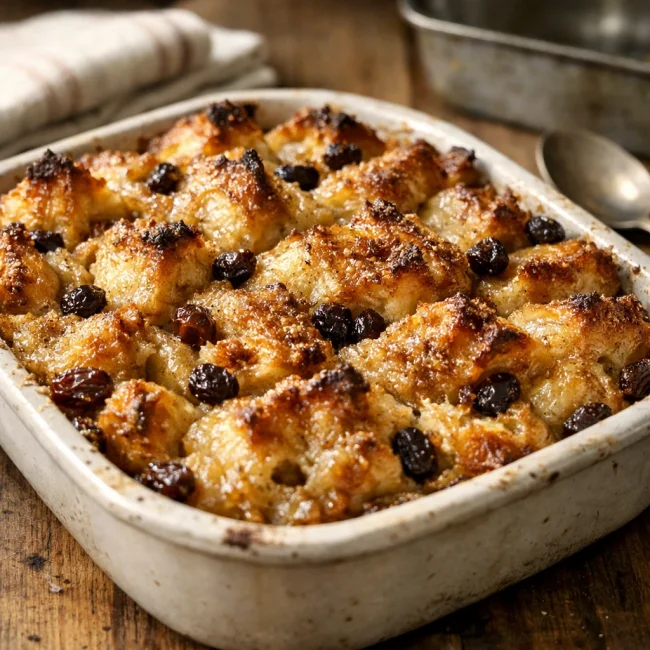
Old-Fashioned Bread Pudding
Discover the classic charm of Old-Fashioned Bread Pudding - a timeless dessert com...
View Recipe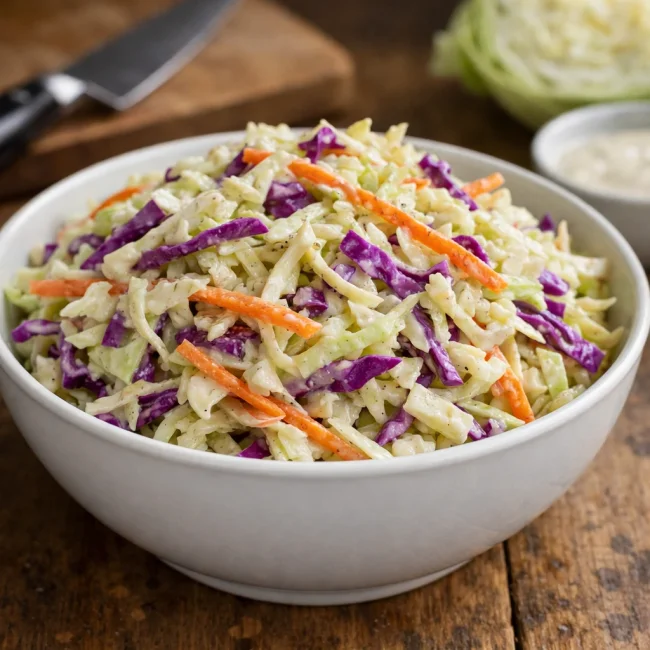
Traditional Crisp Coleslaw
A classic coleslaw recipe featuring finely shredded cabbage and carrots tossed in ...
View Recipe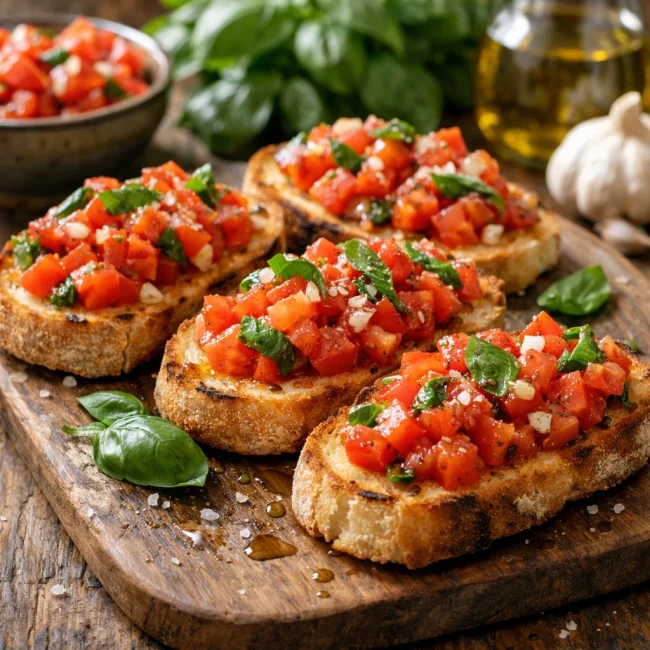
Traditional Italian Bruschetta
Experience the authentic taste of Italian bruschetta, a perfect blend of fresh tom...
View Recipe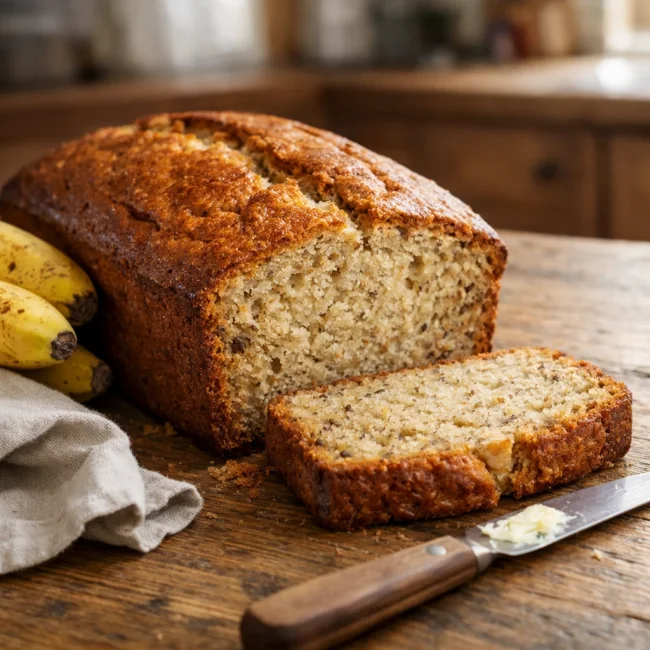
Classic Banana Bread
Classic Banana Bread is a timeless dessert beloved for its moist texture and sweet...
View RecipeFrequently Asked Questions
- Can I use chicken thighs instead of breast?
- Absolutely! Thighs will give you a juicier result, just adjust the cooking time so they are cooked through.
- How can I make it vegetarian?
- Swap the chicken with firm tofu or tempeh for a vegetarian-friendly version.
- What if I can't find Sichuan peppercorns?
- You can substitute with a mix of black pepper and coriander seeds, but the unique numbing heat of Sichuan peppercorns might be missed.
Serving Ideas for Traditional Kung Pao Chicken
This Kung Pao Chicken pairs wonderfully with steamed jasmine rice to soak up the flavorful sauce. Add a side of stir-fried greens like bok choy or broccoli for a complete meal. For a festive touch, serve with a chilled glass of light-bodied white wine or a refreshing iced tea.
More Main Dishes Recipes
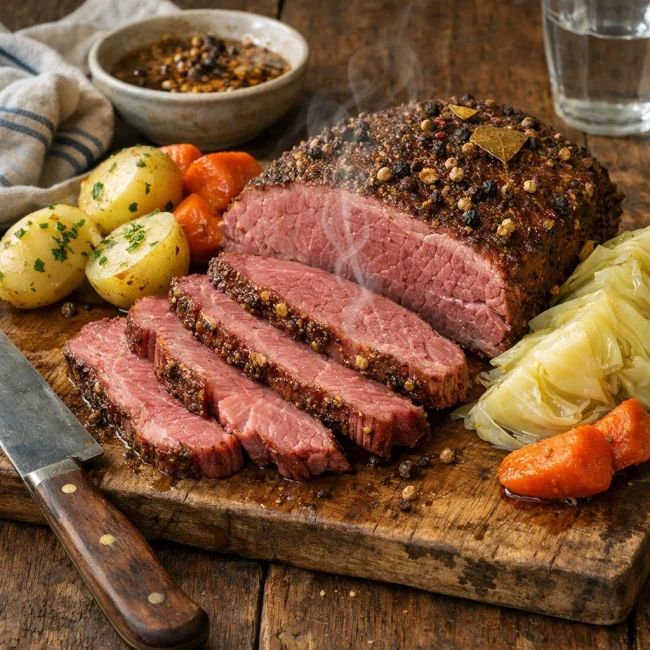
Unique Homemade Corned Beef
Discover the ultimate homemade corned beef recipe that balances rich flavors and t...
View Recipe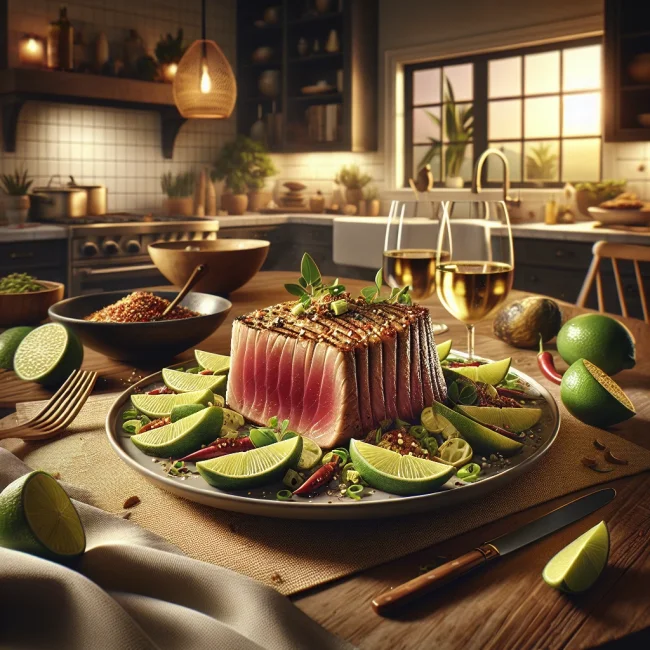
Spicy Lime Seared Ahi Tuna
Experience a burst of flavor with our Spicy Lime Seared Ahi Tuna, a perfect fusion...
View Recipe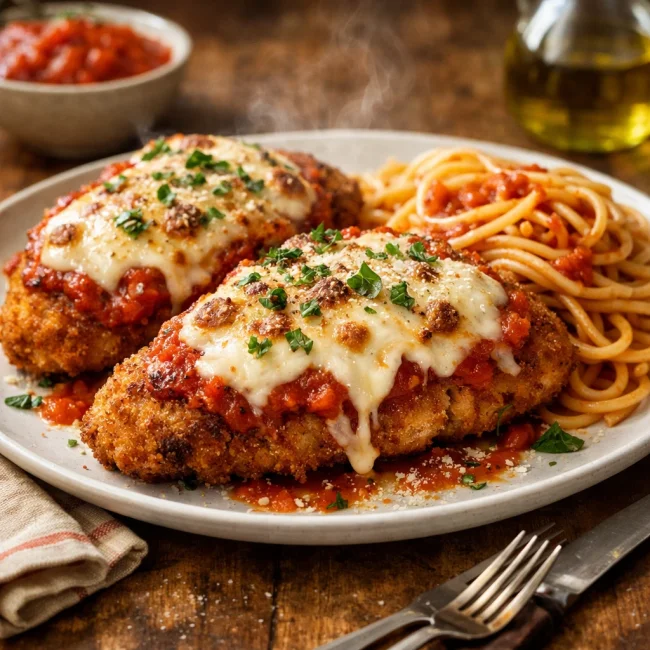
Traditional Chicken Parmesan
Savor the authentic taste of Italian cuisine with our Traditional Chicken Parmesan...
View Recipe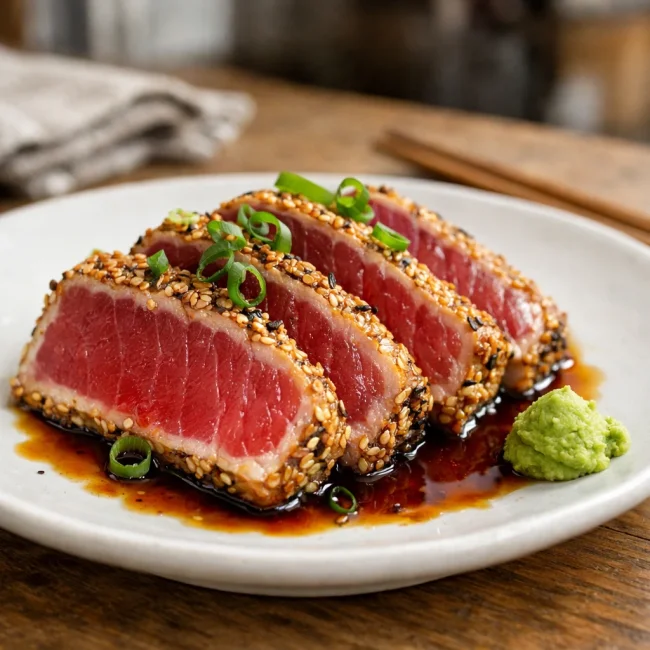
Seared Ahi Tuna
Experience the sublime taste of seared Ahi tuna, a Japanese-inspired dish that hig...
View Recipe