
Traditional Japanese Ramen Soup
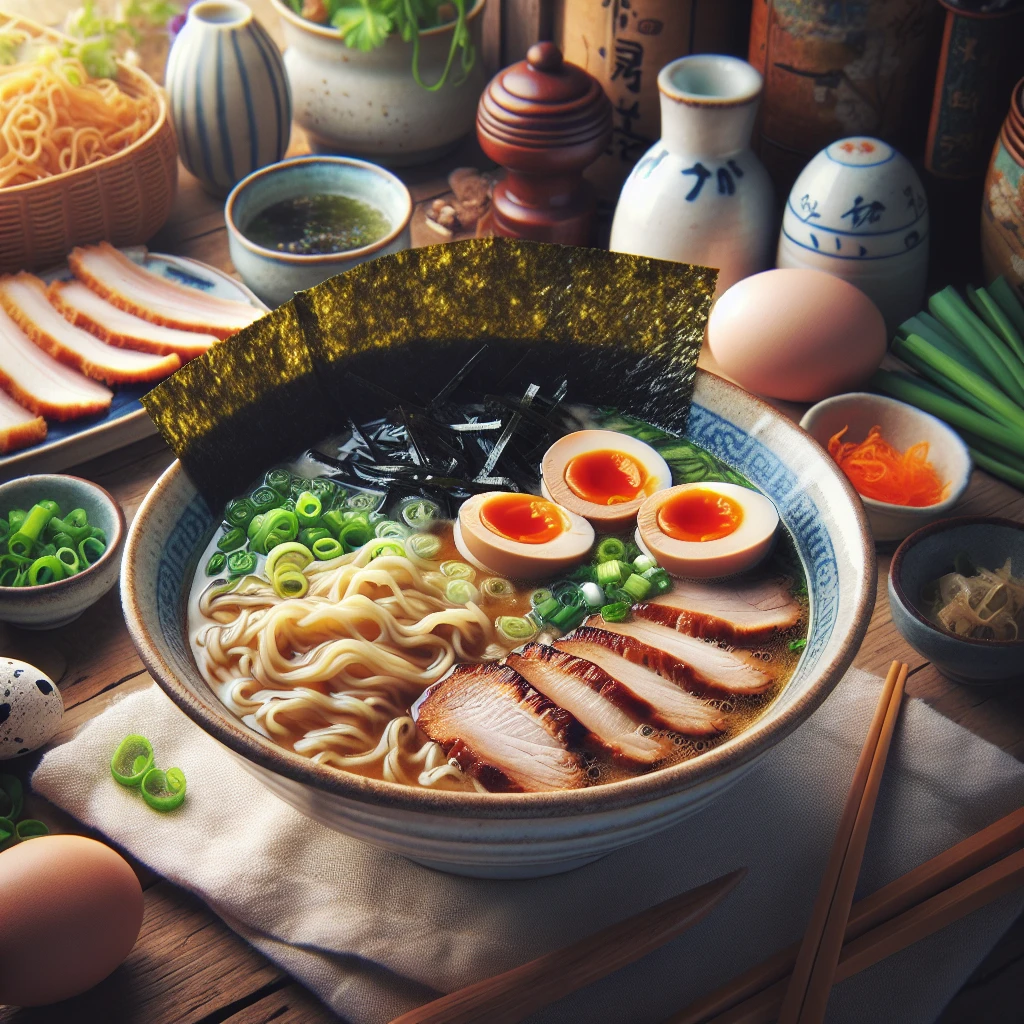
If you're craving a bowl of heartwarming comfort, look no further than this Traditional Japanese Ramen Soup. With its rich, savory broth and perfectly tender pork, this dish is a satisfying meal that's perfect for any season.
 Share
Share
This post may contain affiliate links. As an Amazon Associate, we earn from qualifying purchases.
Ingredients for Traditional Japanese Ramen Soup
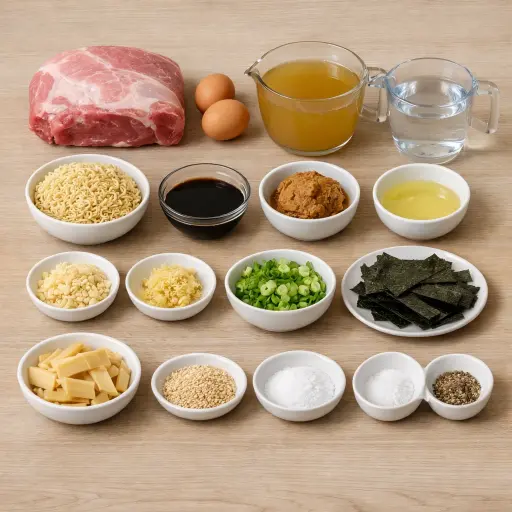
Pork shoulder is the star of your ramen, providing a rich, hearty flavor and tender texture after slow cooking. The chicken broth and water serve as the base for your soup, creating a flavorful canvas for other ingredients. Soy sauce adds depth and a salty, umami kick, while miso paste contributes a uniquely savory taste. The combination of garlic and ginger infuses the soup with aromatic warmth.
Your dried ramen noodles are the foundation of the dish, providing a satisfying bite. Green onions, bean sprouts, nori, and bamboo shoots add freshness and texture. Sesame seeds add a nutty finish, while boiled eggs enrich the soup with creaminess. Finally, season with salt and pepper to taste to enhance all the flavors.
Why This Traditional Japanese Ramen Soup Works
At the start, the pork shoulder hits the hot oil and browns on the outside. That browned layer keeps the juices inside while the meat sits in the broth later. Once the broth, soy sauce, and miso go in and start to simmer, the pork slowly softens. Over the 1.5 hours, the tough parts of the pork break down, so it becomes tender enough to slice, and some of its fat and juices drift into the broth and make it taste richer and feel a little thicker.
While the broth simmers, the garlic and ginger sit in the hot liquid and spread their taste through every part of the pot. The miso paste melts into the broth and gives it a slightly fuller, almost creamy feel without any cream. When the ramen noodles cook, they soften but stay springy because they are boiled on their own and not overcooked in the soup. Right at the end, the eggs, vegetables, and nori go on top, so they stay fresh and crisp against the hot, deep-tasting broth and tender pork.
Traditional Japanese Ramen Soup Tips & Tricks
- Use a meat thermometer to ensure your pork is perfectly cooked and tender.
- Prepare your toppings while the pork is simmering to save time.
- Rinse the noodles in cold water after cooking to prevent them from sticking together.
- If you like a bit of heat, add some chili oil or sriracha to your bowl before serving.
Mistakes To Avoid
Letting the pork shoulder cook for less than the full 1.5 hours leaves it tough and chewy. The connective tissue doesn’t have time to soften, so the slices stay firm and hard to bite. In the bowl, the meat feels dry and stringy instead of tender pieces that break apart easily.
Boiling the eggs much longer than 7 minutes turns the yolks chalky and gray around the edges. The whites get rubbery instead of soft. On top of the ramen, the eggs feel dry and firm instead of having a creamy center that mixes nicely into the broth.
Adding the miso paste while the broth is at a hard boil can make it taste harsh and slightly bitter, and some of the paste may stick in clumps. The soup ends up with uneven cloudy spots and a rough, muddy feel instead of a smooth, rounded broth.
Cooking the ramen noodles too early and letting them sit in a colander causes them to stick together and keep softening. When the hot broth is poured over, the clumps stay gummy in the middle, and the noodles lose their springy bite.
Equipment Used:
Ingredients
- 1 lb pork shoulder
- 2 eggs
- 4 cups chicken broth
- 2 cups water
- 3 oz dried ramen noodles
- 1/4 cup soy sauce
- 2 tbsp miso paste
- 2 tbsp vegetable oil
- 4 cloves garlic, minced
- 1 inch ginger, grated
- 2 green onions, sliced
- 1 cup bean sprouts
- 1 sheet nori, cut into strips
- 1/2 cup bamboo shoots
- 1 tbsp sesame seeds
- Salt to taste
- Pepper to taste
Step-by-step Instructions
- 1. Heat vegetable oil in a large pot over medium heat. Add pork shoulder and sear until browned on all sides.
- 2. Remove pork and set aside. In the same pot, add garlic and ginger, sauté until fragrant.
- 3. Pour in chicken broth and water, and stir in soy sauce and miso paste. Bring to a simmer.
- 4. Return pork to the pot, cover, and cook for 1.5 hours until tender.
- 5. In a separate pot, boil eggs for 7 minutes, then transfer to an ice bath. Peel and slice in half.
- 6. Cook ramen noodles according to package instructions. Drain and set aside.
- 7. Remove pork from the broth and slice thinly.
- 8. To assemble, divide noodles among bowls, ladle hot broth over, and top with sliced pork, eggs, bean sprouts, bamboo shoots, green onions, nori strips, and sesame seeds.
- 9. Season with salt and pepper to taste.
Trending Now

Oven-Baked Pork Chops
Enjoy a delightful dinner with these tender and juicy oven-baked pork chops, seaso...
View Recipe
Traditional Corn Casserole
A delightful corn casserole dish that embodies the comforting flavors of sweet cor...
View Recipe
Traditional Cucumber and Tomato Salad
A refreshing and simple salad combining crisp cucumbers and juicy tomatoes, season...
View Recipe
Savory Zucchini Bread
Savory Zucchini Bread is a delectable twist on traditional zucchini recipes, combi...
View RecipeFrequently Asked Questions
- Can I use a different type of meat?
- Absolutely! Chicken thighs or beef brisket work well as substitutes for pork.
- How can I make this vegetarian?
- Swap the pork for tofu and use vegetable broth instead of chicken broth.
- Can I make this ahead of time?
- The broth can be made in advance and stored in the fridge for up to 3 days. Assemble the bowls fresh for the best texture.
Serving Ideas for Traditional Japanese Ramen Soup
This ramen pairs well with a light cucumber salad dressed in sesame oil and rice vinegar. For something extra, serve with a side of gyoza or edamame. A cup of green tea complements the flavors beautifully.
More Soups & Stews Recipes

Classic Clam Chowder
Indulge in a timeless seaside staple with our Classic Clam Chowder recipe, a rich ...
View Recipe
Traditional Beef Stew
A heartwarming traditional beef stew that combines tender beef chunks with classic...
View Recipe
Southwestern Chipotle Taco Soup
Explore the bold flavors of the Southwest with this unique variation of taco soup,...
View Recipe
Southwest Fiesta Taco Soup
Discover the vibrant flavors of our Southwest Fiesta Taco Soup, a quick and hearty...
View Recipe