
Traditional Italian Pasta
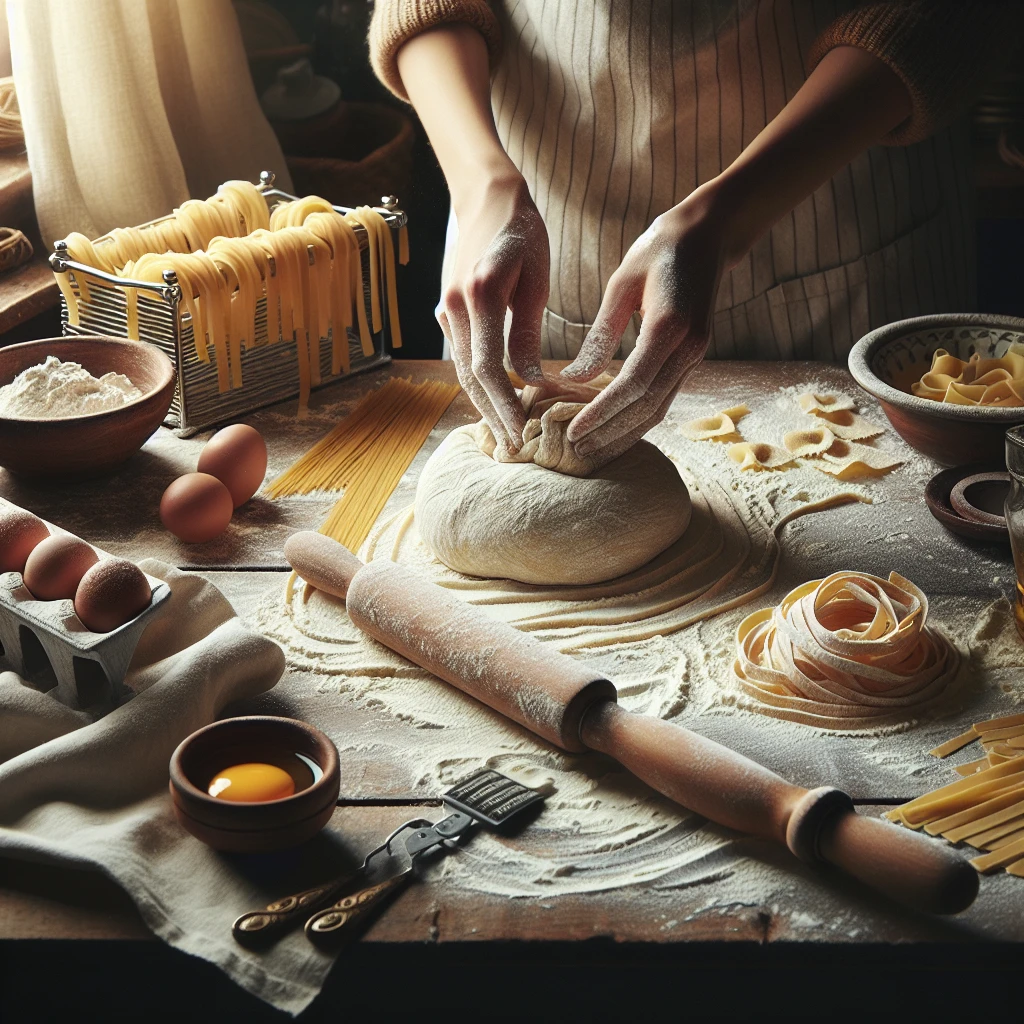
This Traditional Italian Pasta recipe is all about creating an authentic, homemade pasta experience right in your kitchen. It's simple, rewarding, and brings the classic taste of Italy to your dinner table. Perfect for any occasion, this pasta is sure to impress with its freshness and flavor.
 Share
Share
This post may contain affiliate links. As an Amazon Associate, we earn from qualifying purchases.
Ingredients for Traditional Italian Pasta
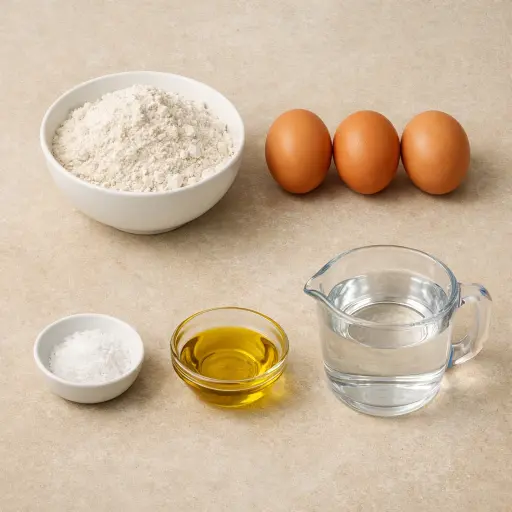
Flour: The backbone of your pasta, providing structure and texture. Use all-purpose flour for a reliable, easy-to-handle dough.
Eggs: They enrich the dough, adding flavor and color. Make sure they're at room temperature for easier mixing.
Salt: Enhances the flavor of the pasta. A little goes a long way.
Olive oil: Adds a subtle richness and helps the dough come together smoothly.
Water: Used sparingly to adjust the dough's consistency, ensuring it's not too dry or sticky.
Why This Traditional Italian Pasta Works
When the eggs hit the flour and start to pull it in, the dry flour slowly drinks up the moisture. At first it feels rough and shaggy, but as kneading goes on, the flour and eggs form long stretchy strands. Salt tightens this structure a bit, and the olive oil slides between the strands so the dough stays smooth instead of cracking. After a few minutes of kneading, the dough becomes elastic and springs back when pressed, which is what lets it roll out thin without tearing.
During the rest time, those strands relax. The dough softens, spreads more easily, and doesn’t fight back when rolled. Once the sheets are cut and dropped into boiling salted water, the outside of the pasta cooks fast and firms up, while the inside stays a little tender. Starch on the surface swells and sets, so the pieces hold their shape and don’t fall apart. With only a few minutes in the pot, the pasta stays chewy in the center instead of turning mushy.
Traditional Italian Pasta Tips & Tricks
- Use room temperature eggs for easier mixing and smoother dough.
- Keep your work surface lightly floured to prevent sticking while rolling and cutting.
- If the dough feels too sticky, sprinkle in a little extra flour as needed.
- Invest in a pasta drying rack if you plan to make pasta frequently—it makes the process much easier!
Mistakes To Avoid
Letting the dough stay too dry at the start makes it almost impossible to knead properly. The flour never fully hydrates, so the dough tears, crumbles, and won’t stretch. In the pot, this kind of pasta breaks easily and cooks unevenly, with some parts turning mushy while thicker bits stay firm and chalky in the center.
Adding too much water to “fix” the dough creates the opposite problem. The dough turns sticky and soft, needs a lot more flour on the counter, and becomes heavy from all the extra flour worked in later. Rolled pasta from this dough tends to be thick, gummy, and takes longer to cook, often ending up dense instead of springy.
Skipping or cutting short the resting time means the gluten doesn’t relax. The dough fights back while rolling, shrinks as it’s cut, and is hard to get thin. In boiling water, this pasta stays thick and chewy instead of tender with a slight bite.
Rolling the dough too thick causes trouble in the pot. The outside softens fast while the inside stays firm, so it seems done but the center is still tough and doughy. Sauce then slides off the heavy noodles instead of coating them evenly.
Equipment Used:
Ingredients
- 2 cups all-purpose flour
- 3 large eggs
- 1/2 tsp salt
- 1 tbsp olive oil
- Water, as needed
Step-by-step Instructions
- 1. On a clean surface, shape the flour into a mound and create a well in the center.
- 2. Crack the eggs into the well, add the salt and olive oil, then use a fork to whisk the eggs gently, gradually incorporating the flour starting from the inner rim of the well.
- 3. Continue mixing until a dough forms, adding water a teaspoon at a time if necessary.
- 4. Knead the dough for about 8-10 minutes until smooth and elastic.
- 5. Wrap the dough in plastic wrap and let it rest at room temperature for at least 30 minutes.
- 6. Divide the dough into four pieces and roll each piece out using a pasta maker or rolling pin to your desired thickness.
- 7. Cut the rolled dough into your preferred shape (fettuccine, spaghetti, etc.).
- 8. Bring a large pot of salted water to a boil and cook the pasta for 2-4 minutes or until al dente.
- 9. Drain the pasta and serve with your favorite sauce.
Trending Now
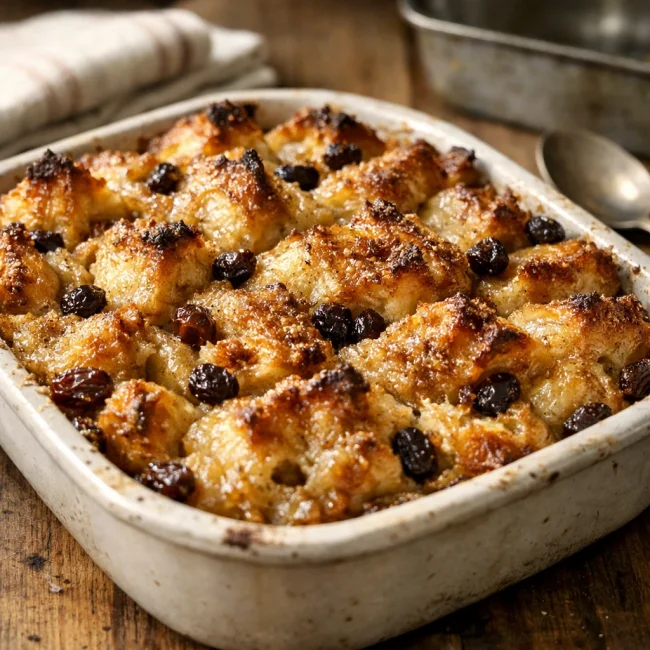
Old-Fashioned Bread Pudding
Discover the classic charm of Old-Fashioned Bread Pudding - a timeless dessert com...
View Recipe
Traditional Italian Bruschetta
Experience the authentic taste of Italian bruschetta, a perfect blend of fresh tom...
View Recipe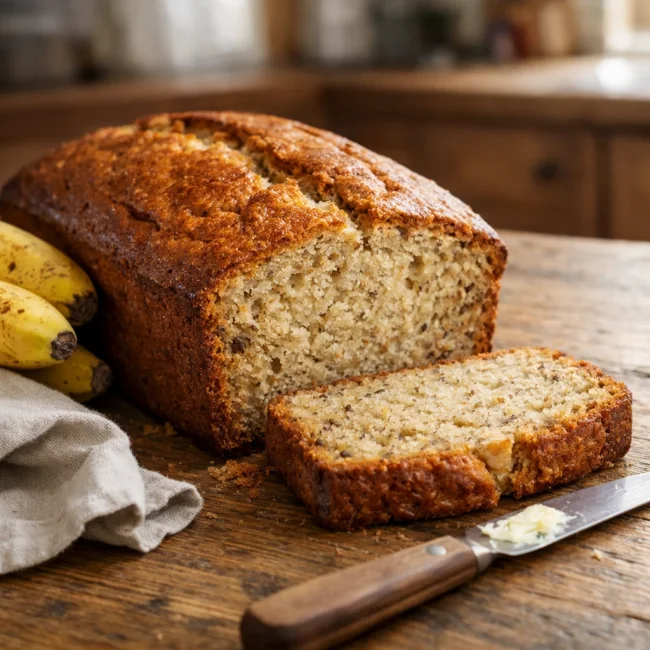
Classic Banana Bread
Classic Banana Bread is a timeless dessert beloved for its moist texture and sweet...
View Recipe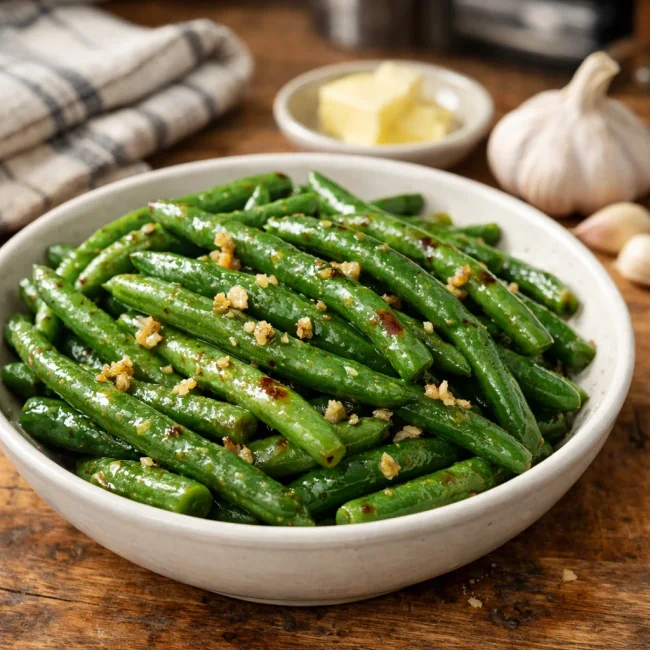
Classic Green Beans
Discover the timeless delight of Classic Green Beans, a simple yet flavorful side ...
View RecipeFrequently Asked Questions
- Can I use whole wheat flour instead of all-purpose flour?
- Yes, but keep in mind that whole wheat flour will result in a denser pasta. You may need to adjust the liquid content slightly.
- How can I store leftover pasta?
- Fresh pasta can be refrigerated for up to two days or frozen for up to a month. Make sure it's well-floured and stored in an airtight container.
- What's the best way to reheat fresh pasta?
- Briefly reheat fresh pasta in a pot of boiling water for about a minute, just until warmed through.
Serving Ideas for Traditional Italian Pasta
Pair this fresh pasta with a simple tomato basil sauce to let its flavor shine. For something more indulgent, try a rich Alfredo or a classic Bolognese. A sprinkle of freshly grated Parmesan and a side of garlic bread can complete the meal beautifully. A fresh green salad also works wonders to balance the richness of the pasta.
More Pasta Recipes
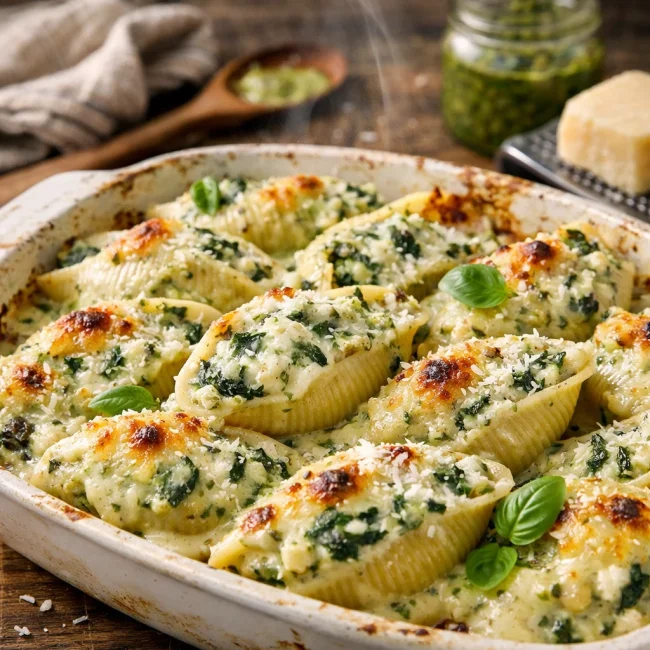
Spinach and Ricotta Stuffed Shells with Pesto Alfredo
Try this delicious twist on classic stuffed shells with a creamy pesto Alfredo sau...
View Recipe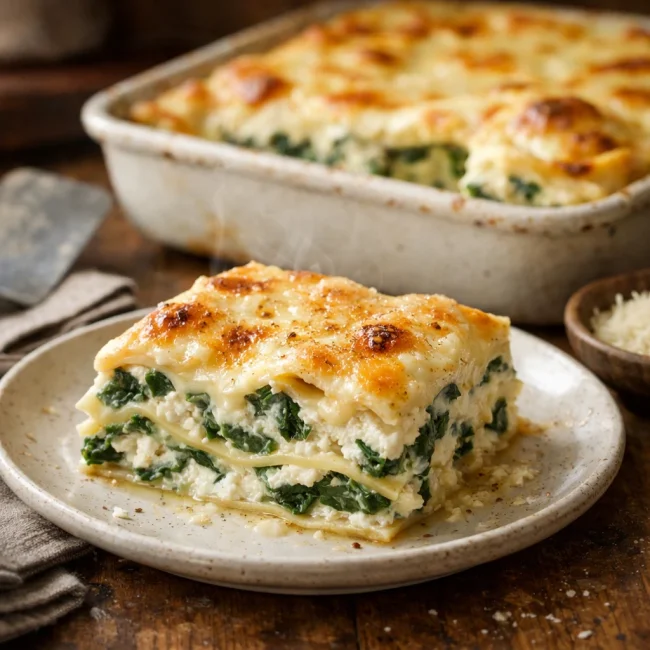
Spinach and Ricotta White Lasagna
A unique twist on the classic lasagna, this white lasagna combines creamy ricotta,...
View Recipe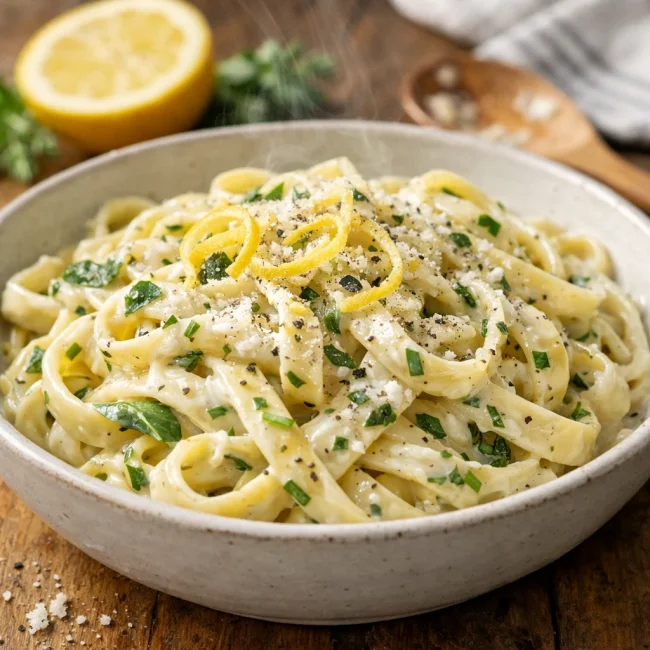
Lemon Herb Fettuccine Alfredo
Lemon Herb Fettuccine Alfredo is a refreshing twist on the classic dish, combining...
View Recipe
Truffle Mac and Cheese
Experience the ultimate comfort food with a gourmet twist in this Truffle Mac and ...
View Recipe