
Traditional Italian Frittata
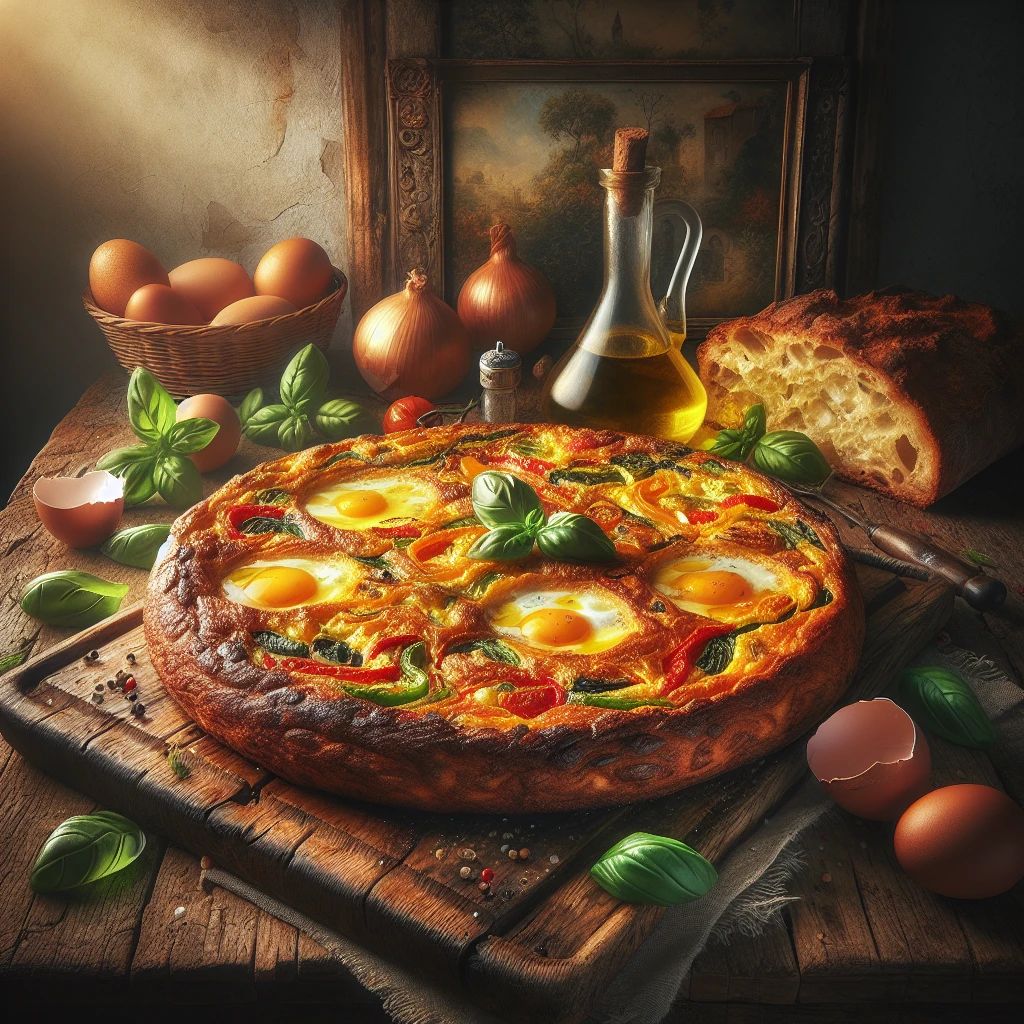
A traditional Italian frittata is the perfect dish that effortlessly combines simplicity with flavor. This recipe delivers a delightful blend of fresh vegetables and savory Parmesan, all bound together by the creamy richness of eggs. Whether you’re feeding a family or hosting brunch, this frittata is a guaranteed crowd-pleaser.
 Share
Share
This post may contain affiliate links. As an Amazon Associate, we earn from qualifying purchases.
Ingredients for Traditional Italian Frittata
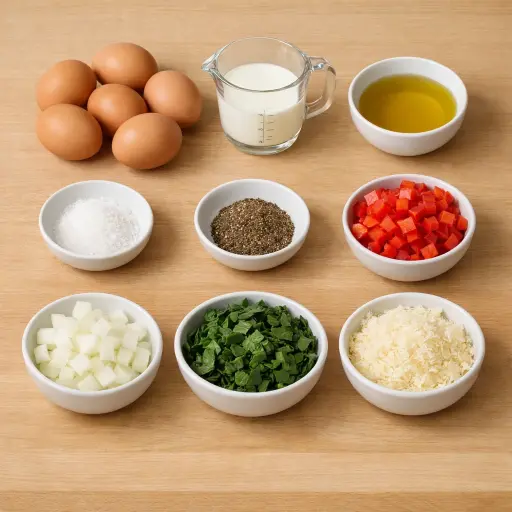
Eggs are the star of the show, providing structure and a rich, creamy base for the frittata. They bind everything together and make the dish wonderfully fluffy. Adding whole milk enhances this creaminess without overpowering the eggs.
Salt and black pepper are essential for seasoning. They highlight the natural flavors of the vegetables and cheese.
Olive oil is used to sauté the vegetables and adds a subtle richness to the dish. It also helps the frittata cook evenly without sticking.
Red bell pepper introduces a sweet, slightly tangy flavor, while onion adds a savory depth. Together, they create a flavorful base for the frittata.
Spinach offers a pop of color and nutrients, wilting down to meld beautifully into the dish.
Parmesan cheese lends a salty, nutty finish that complements the eggs perfectly. Grating it finely ensures even distribution.
Finally, fresh basil adds a bright, aromatic note that ties all the flavors together when sprinkled on top.
Why This Traditional Italian Frittata Works
As the eggs and milk are whisked together, they trap a bit of air and loosen up, so the mixture pours easily and bakes into something light instead of rubbery. Once the egg mixture hits the warm pan with the cooked vegetables, it starts to thicken from the bottom and edges first. The eggs slowly firm up and grab onto the peppers, onions, and spinach so everything stays in place instead of sliding around.
During baking, gentle oven heat finishes the job. The eggs set all the way through, but because of the milk and olive oil, they stay moist and tender instead of drying out. Parmesan on top melts and sinks slightly into the surface, giving a thin, salty layer that clings to the eggs. After it comes out of the oven and sits for a few minutes, the frittata settles and tightens just enough so slices hold together cleanly, and the basil on top stays fresh and bright.
Traditional Italian Frittata Tips & Tricks
- If you don’t have an oven-safe skillet, transfer the mixture to a baking dish after sautéing the veggies.
- For a fluffier texture, beat the eggs vigorously to incorporate more air.
- Use a non-stick skillet to make the frittata easier to remove and serve.
Mistakes To Avoid
Letting the frittata bake too long in the oven makes the eggs puff up, then collapse and turn rubbery as they cool. Instead of soft slices, the texture becomes dry and spongy, and the edges can get tough and chewy.
When the skillet is too hot on the stove before the eggs go in, the bottom layer of egg sets almost instantly while the top is still liquid. This creates a thick, browned crust underneath and a pale, uneven middle that never bakes evenly in the oven.
Skipping the short rest after baking means cutting into the frittata while the center is still very loose. The slices then slump apart, and liquid egg can run out, so the pieces don’t hold their shape on the plate.
Pouring the eggs over vegetables that are still wet or undercooked causes water to leak out as it bakes. The frittata then steams instead of setting cleanly, giving a soggy bottom and a slightly rubbery top.
Equipment Used:
Ingredients
- 6 large eggs
- 1/4 cup whole milk
- 1/2 teaspoon salt
- 1/4 teaspoon black pepper
- 2 tablespoons olive oil
- 1 cup diced red bell pepper
- 1/2 cup diced onion
- 1 cup chopped spinach
- 1/2 cup grated Parmesan cheese
- 1/4 cup chopped fresh basil
Step-by-step Instructions
- 1. Preheat the oven to 350°F.
- 2. In a large bowl, whisk together eggs, milk, salt, and pepper.
- 3. Heat olive oil in an oven-safe skillet over medium heat.
- 4. Add red bell pepper and onion; sauté until softened, about 5 minutes.
- 5. Stir in spinach and cook until wilted, about 2 minutes.
- 6. Pour the egg mixture into the skillet, stirring gently to combine with vegetables.
- 7. Sprinkle Parmesan cheese evenly over the top.
- 8. Transfer the skillet to the preheated oven.
- 9. Bake until the frittata is set and slightly golden on top, about 15 minutes.
- 10. Remove from oven and let cool for a few minutes before slicing.
- 11. Garnish with fresh basil and serve warm.
Trending Now
Old-Fashioned Bread Pudding
Discover the classic charm of Old-Fashioned Bread Pudding - a timeless dessert com...
View Recipe
Traditional Crisp Coleslaw
A classic coleslaw recipe featuring finely shredded cabbage and carrots tossed in ...
View Recipe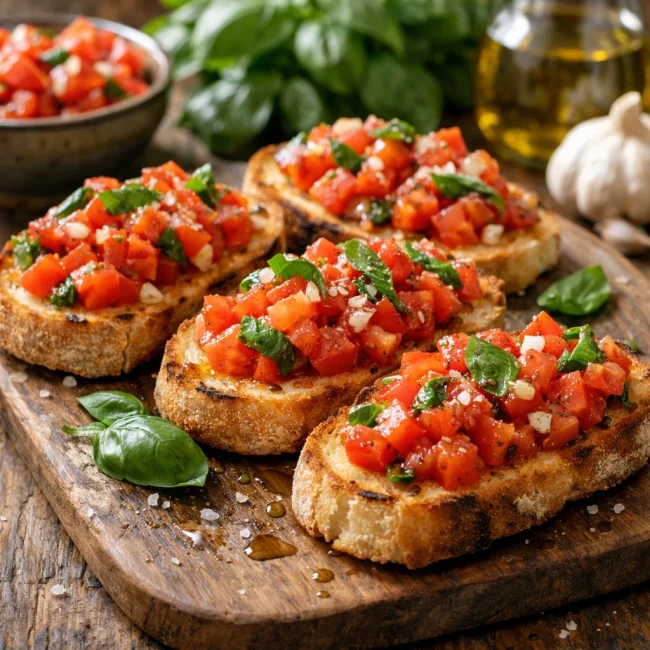
Traditional Italian Bruschetta
Experience the authentic taste of Italian bruschetta, a perfect blend of fresh tom...
View Recipe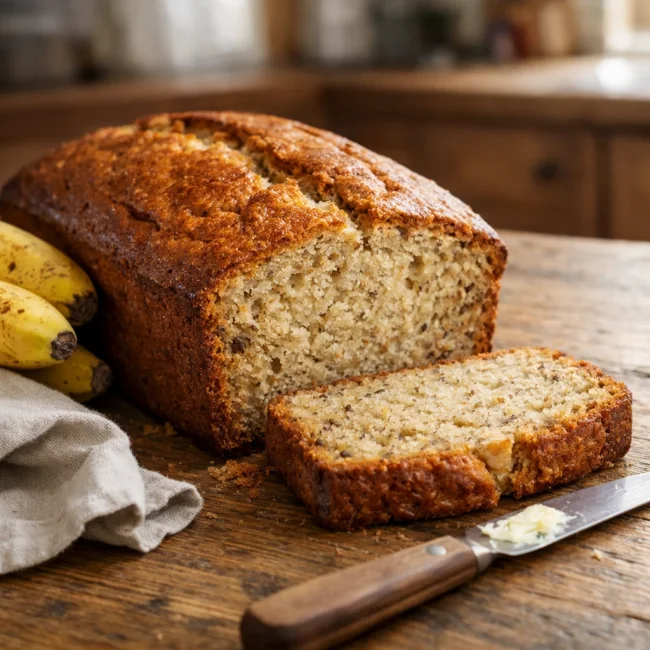
Classic Banana Bread
Classic Banana Bread is a timeless dessert beloved for its moist texture and sweet...
View RecipeFrequently Asked Questions
- Can I use other vegetables in this frittata?
- Absolutely! Feel free to use whatever vegetables you have on hand. Mushrooms, zucchini, or asparagus would be great additions.
- How can I store leftovers?
- Store any leftovers in an airtight container in the refrigerator for up to 3 days. Reheat gently in the oven or microwave before serving.
- Is there a way to make this dish dairy-free?
- Yes, you can use a dairy-free milk alternative and omit the cheese, or use a dairy-free cheese substitute.
Serving Ideas for Traditional Italian Frittata
This frittata pairs beautifully with a simple green salad tossed in a light vinaigrette. For a heartier meal, serve it alongside crusty bread or roasted potatoes. A glass of crisp white wine or a refreshing iced tea complements the flavors nicely.
More Breakfast & Brunch Recipes
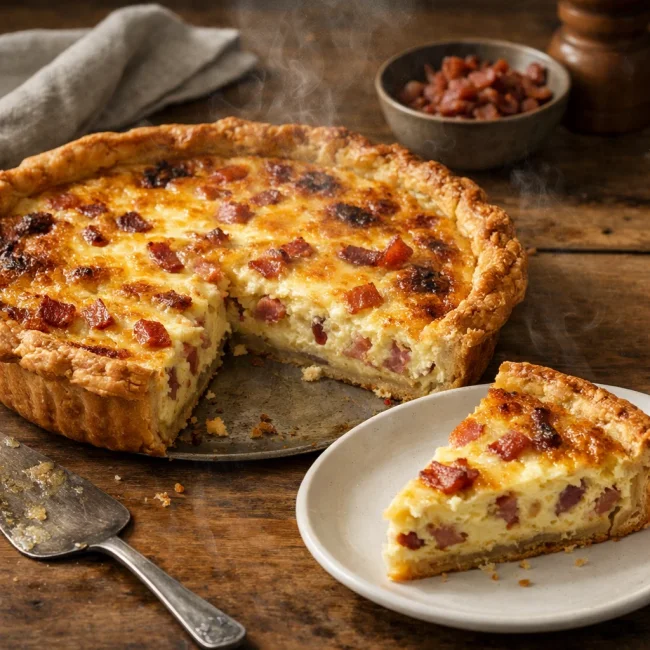
Traditional Quiche Lorraine
Experience the classic French Quiche Lorraine, a savory pie with a flaky crust fil...
View Recipe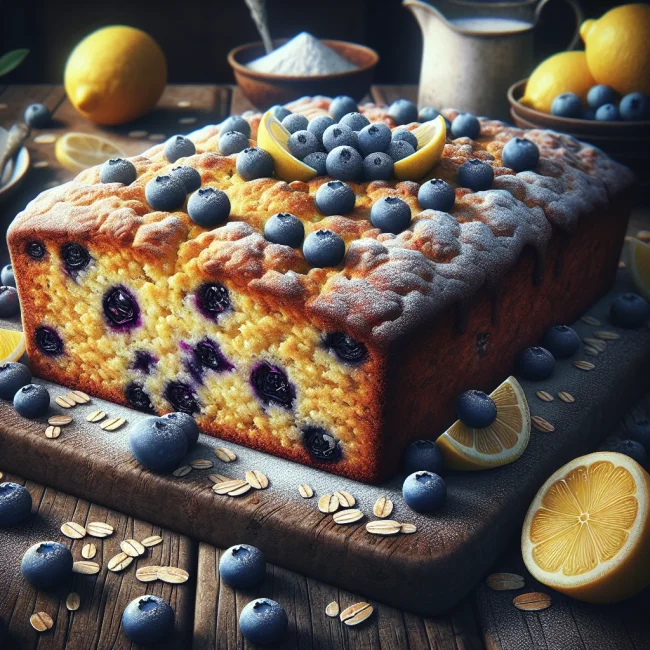
Lemon-Blueberry Oat Coffee Cake
This Lemon-Blueberry Oat Coffee Cake is a delightful twist on the traditional favo...
View Recipe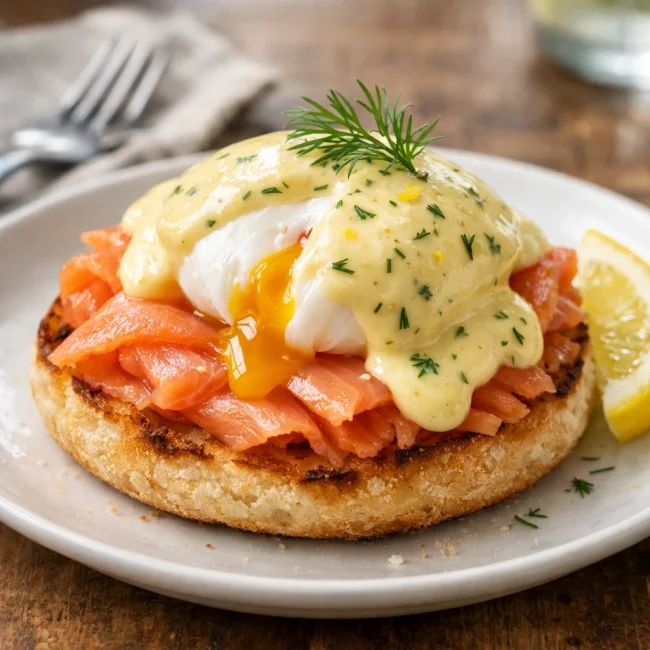
Smoked Salmon Benedict
A luxurious twist on the classic Eggs Benedict, featuring smoked salmon and a zest...
View Recipe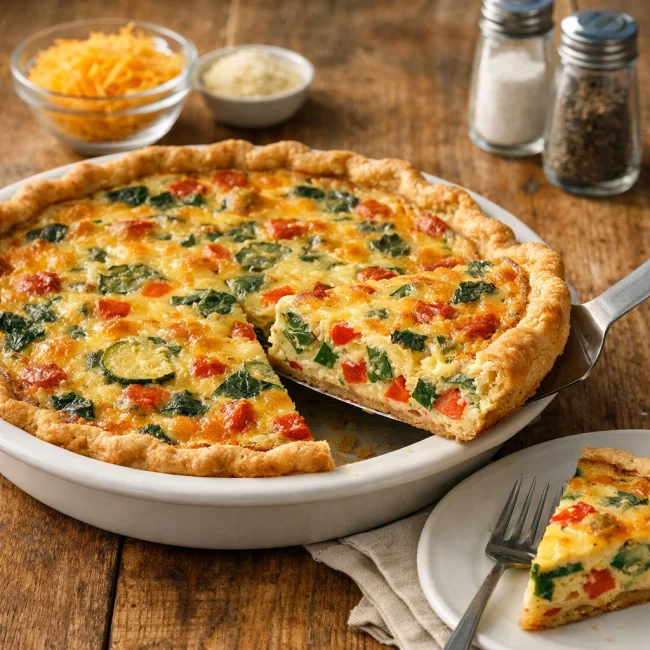
Savory Garden Veggie Quiche
A delightful and easy-to-make quiche filled with garden-fresh vegetables, perfect ...
View Recipe