
Traditional Italian Focaccia
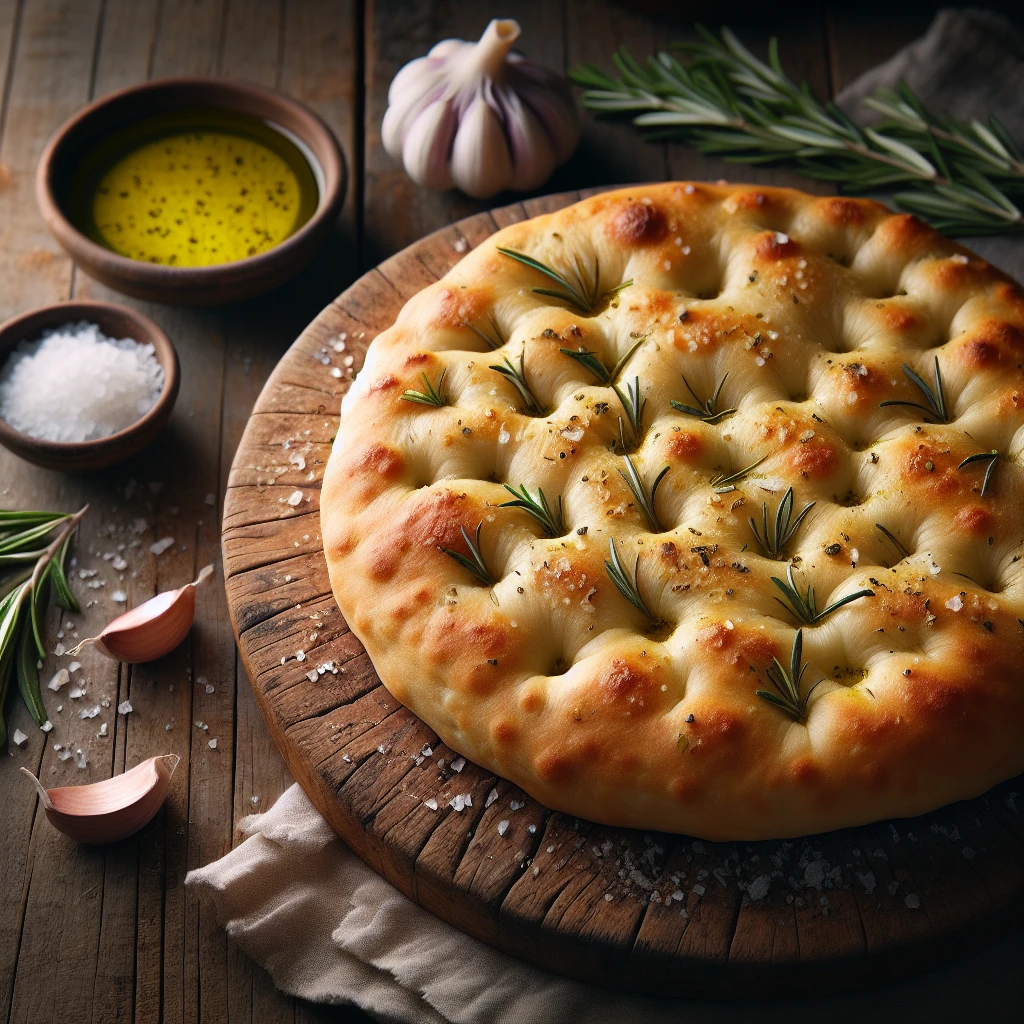
Traditional Italian Focaccia is a classic bread that combines the simplicity of a few ingredients with the rich flavor of olive oil and rosemary. It's perfect for any occasion—from a casual dinner to a festive gathering. This recipe will guide you through crafting a delightful homemade focaccia, bringing a taste of Italy to your table.
 Share
Share
This post may contain affiliate links. As an Amazon Associate, we earn from qualifying purchases.
Ingredients for Traditional Italian Focaccia
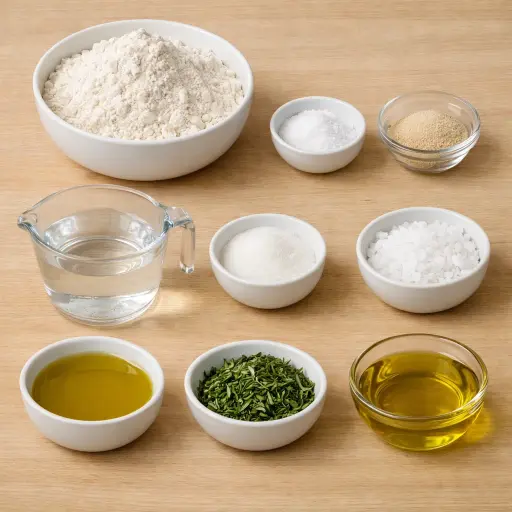
All-purpose flour is the base of our dough, providing structure and chewiness. Salt balances the flavors and enhances the taste of the bread. The active dry yeast ensures our bread rises beautifully, creating that light, airy texture we love. Warm water activates the yeast, while the olive oil adds richness and moisture to the dough. Sugar feeds the yeast to kick off the fermentation process. For the topping, coarse sea salt adds a delightful crunch, and fresh rosemary infuses the bread with its signature aroma. Finally, more olive oil is used to coat the dough, adding flavor and helping achieve a crispy crust.
Why This Traditional Italian Focaccia Works
When the warm water, sugar, and yeast sit together, the yeast wakes up and starts to bubble. As soon as that foamy liquid goes into the flour and salt, the flour soaks up the water and oil and starts to form long stretchy strands. During kneading, those strands line up and get stronger, so the dough can trap little pockets of air instead of tearing. That’s why the dough feels smoother and more elastic after a few minutes of work.
While the dough rises, the yeast keeps eating the sugar and some of the flour and fills the dough with gas. Over time, those gas pockets grow and the dough puffs up and feels lighter. In the oven, the high heat makes those air pockets expand fast, then the dough sets around them, so the focaccia stays airy inside. The olive oil on top sinks into the dimples and around the edges, so the crust stays tender underneath but turns golden and a little crisp on top, with the rosemary and salt clinging to the surface.
Traditional Italian Focaccia Tips & Tricks
- If your kitchen is cool, let the dough rise in an off oven with just the light on for a warmer environment.
- For extra flavor, infuse the olive oil with garlic by gently warming it with a few cloves before using.
Mistakes To Avoid
Letting the water get too hot when blooming the yeast can kill it. The mixture then never gets foamy, the dough barely rises, and the focaccia bakes up flat and tough instead of airy with visible bubbles inside.
Skipping a proper knead or stopping too early leaves the dough uneven and weak. The gluten doesn’t form well, so the bread tears easily, rises unevenly, and comes out dense instead of stretchy and soft.
Rushing the rise in a cold kitchen often means the dough never really doubles. It goes into the oven still tight and compact, so the focaccia stays low, with a tight crumb and a heavy, bread-like bite instead of that light, pillowy feel.
Pressing the dough too thin on the baking sheet makes the edges dry out before the center finishes baking. The result is a focaccia that’s crisp and almost cracker-like on the outside but not as soft and springy in the middle.
Baking at a lower temperature than 475°F causes the top to pale and the inside to dry slowly. Instead of a golden, slightly crisp crust with a moist interior, the bread can end up rubbery and dull-looking.
Equipment Used:
Ingredients
- 4 cups all-purpose flour
- 1 tsp salt
- 1 packet (2 1/4 tsp) active dry yeast
- 1 1/2 cups warm water (110°F)
- 1/4 cup olive oil
- 2 tsp sugar
- 1 tbsp coarse sea salt
- 2 tbsp fresh rosemary, chopped
- 1/4 cup olive oil for topping
Step-by-step Instructions
- Step 1: In a small bowl, dissolve sugar and yeast in warm water. Let stand until foamy, about 5 minutes.
- Step 2: In a large bowl, combine flour and salt. Mix in the yeast mixture and 1/4 cup olive oil until dough forms.
- Step 3: Knead the dough on a lightly floured surface until smooth and elastic, about 8-10 minutes.
- Step 4: Place dough in a greased bowl, cover with a damp cloth, and let rise in a warm place until doubled in size, about 1 hour.
- Step 5: Preheat oven to 475°F (245°C).
- Step 6: Punch down the dough and transfer to a greased baking sheet. Flatten into a rectangle about 1/2 inch thick.
- Step 7: Dimple the surface with your fingers, drizzle with olive oil, and sprinkle with rosemary and coarse sea salt.
- Step 8: Bake in preheated oven for 15-20 minutes or until golden brown.
- Step 9: Let cool slightly before serving.
Trending Now
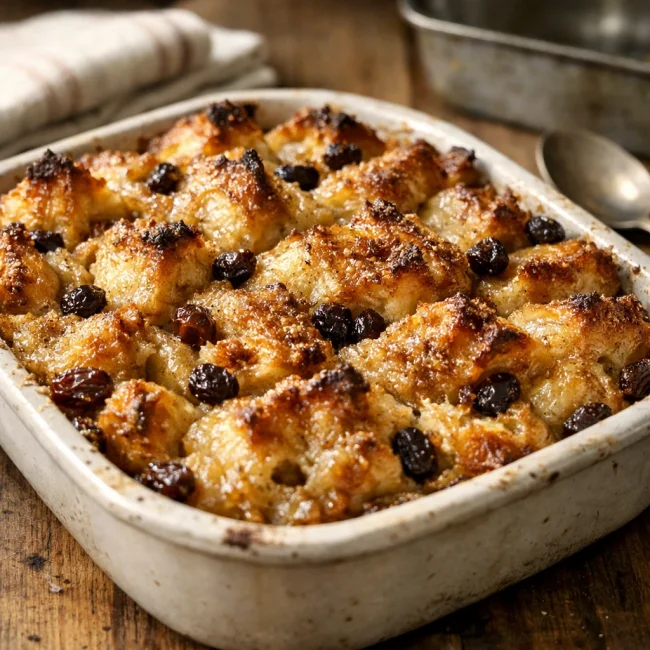
Old-Fashioned Bread Pudding
Discover the classic charm of Old-Fashioned Bread Pudding - a timeless dessert com...
View Recipe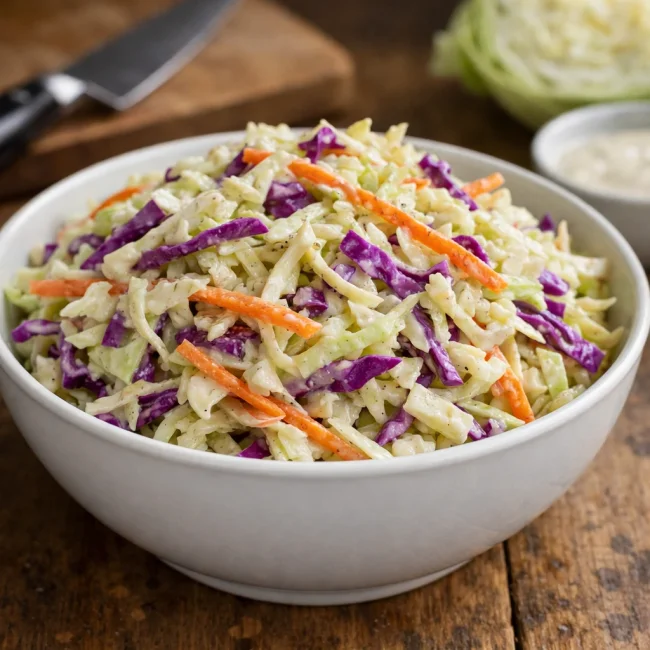
Traditional Crisp Coleslaw
A classic coleslaw recipe featuring finely shredded cabbage and carrots tossed in ...
View Recipe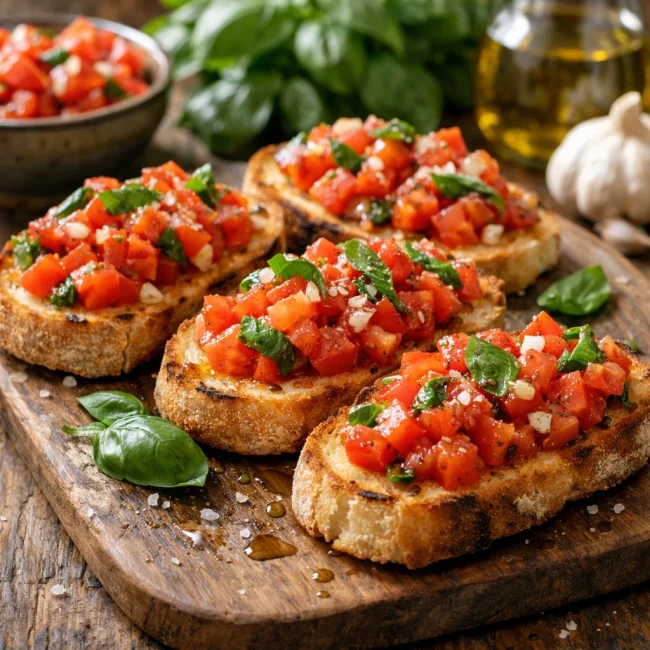
Traditional Italian Bruschetta
Experience the authentic taste of Italian bruschetta, a perfect blend of fresh tom...
View Recipe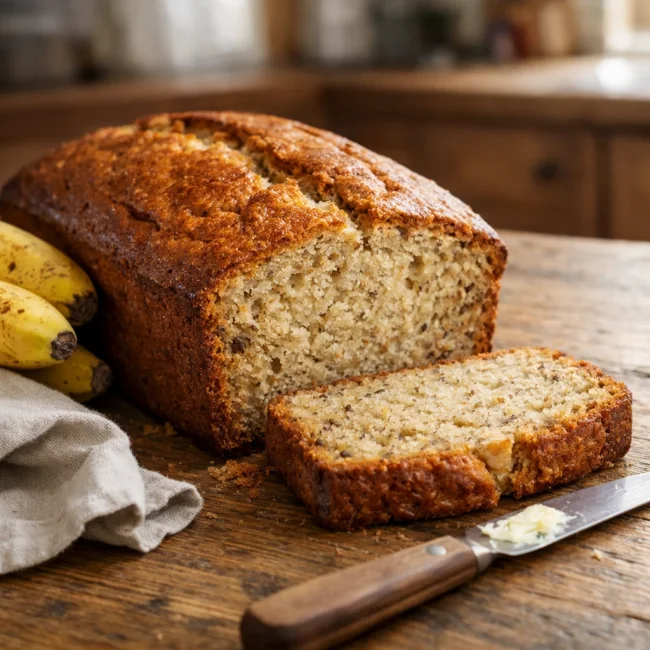
Classic Banana Bread
Classic Banana Bread is a timeless dessert beloved for its moist texture and sweet...
View RecipeFrequently Asked Questions
- Can I make the dough ahead of time?
- Yes, you can refrigerate the dough after kneading it. Bring it back to room temperature and allow it to rise before proceeding with the recipe.
- What if my dough doesn't rise?
- Check the expiration date on your yeast and ensure your water wasn't too hot or too cold. If needed, try proofing in a warmer spot.
Serving Ideas for Traditional Italian Focaccia
This focaccia pairs wonderfully with a variety of dishes. Try serving it alongside a hearty soup or a fresh salad. It's also fantastic as a sandwich base—just slice it horizontally and fill with your favorite ingredients like mozzarella, tomatoes, and basil for a delicious Italian twist.
More Breads & Baked Goods Recipes

Traditional Italian Easter Bread
Savor the delightful taste of a classic Italian Easter bread, a sweet, soft, and s...
View Recipe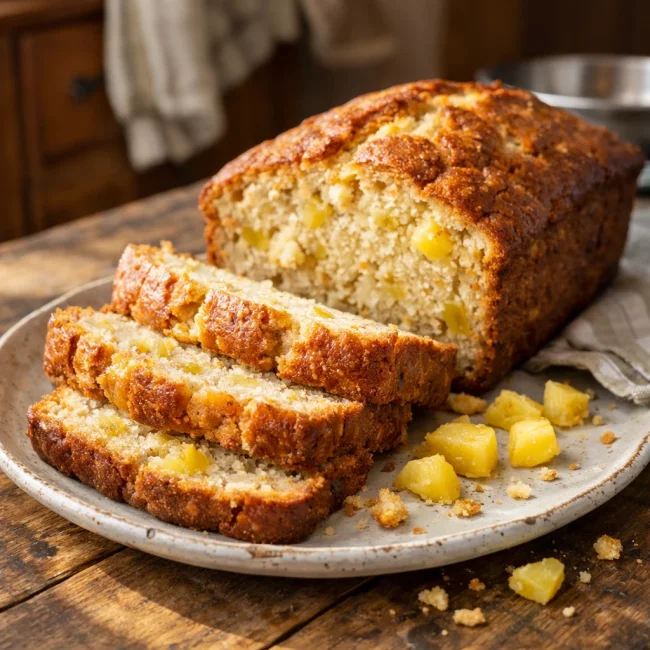
Old-Fashioned Pineapple Bread
A delightful and flavorful bread infused with juicy pineapple, perfect for breakfa...
View Recipe
Old-Fashioned Blueberry Muffins
Transport yourself to simpler times with these delightful old-fashioned blueberry ...
View Recipe
Strawberry Basil Scones
These tender scones combine the sweetness of fresh strawberries with a hint of pep...
View Recipe