
Traditional Iced Coffee
There's something about a chilled, refreshing glass of traditional iced coffee that just hits the spot, especially when the weather warms up. This method uses cold brewing, which brings out the smooth, rich flavors of your favorite coffee beans without any bitterness.
 Share
Share

This post may contain affiliate links. As an Amazon Associate, we earn from qualifying purchases.
Ingredients for Traditional Iced Coffee
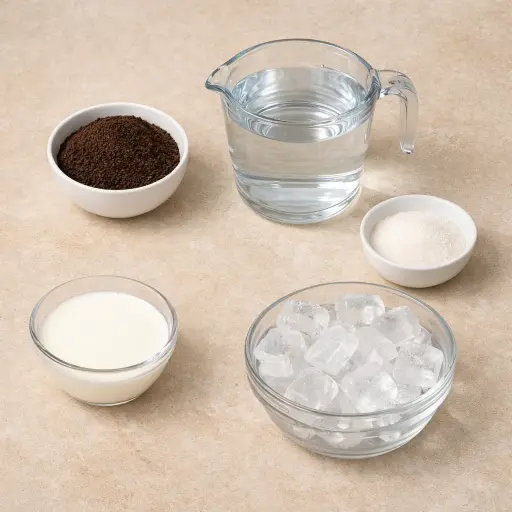
The heart of this recipe is, of course, the coffee grounds. Opt for a coarser grind to prevent over-extraction, which can make the coffee bitter. The cold water acts as a gentle solvent to extract all the nuanced flavors from the coffee over time. Adding sugar is optional, but a touch can balance the natural bitterness of the coffee. The whole milk or cream lends a richness and depth, creating a smooth and satisfying drink. And finally, ice cubes are essential for keeping your drink perfectly chilled.
Why This Traditional Iced Coffee Works
Cold water and time do most of the work here. When coffee grounds sit in cold water for many hours, the water slowly pulls out the coffee taste without using heat. Because there is no hot water, the harsh, bitter parts of the coffee do not come out as much. The coffee ends up strong but smooth, so it can handle ice and milk without tasting weak or sharp.
During the long steep in the fridge, the coffee and water mix evenly. By the time it is strained, the liquid is steady in strength from top to bottom. Sugar goes in after straining, so it dissolves straight into the clean coffee instead of sticking to the grounds. Once the cold coffee hits the ice, it stays chilled instead of getting watered down right away. Milk or cream then blends into a cold drink that stays smooth, not curdled or grainy, because everything is already cool and settled.
Traditional Iced Coffee Tips & Tricks
- Use filtered water for the best-tasting brew, as impurities in tap water can affect the flavor.
- If you're grinding your own beans, aim for a consistency similar to breadcrumbs.
- For a stronger coffee flavor, increase the coffee grounds slightly or decrease the steeping time for a lighter brew.
- Store any leftover coffee in the fridge for up to a week, but remember, it might not last that long once you taste it!
Mistakes To Avoid
Using hot or even warm water with the grounds makes the coffee extract too fast, pulling out harsh, bitter compounds. The liquid ends up sharp and rough instead of smooth, and once it’s chilled and poured over ice, it can taste thin and harsh at the same time.
Letting the coffee steep for only a few hours leaves a weak concentrate. The grounds haven’t had enough time in the cold water, so the final drink tastes watery, and adding ice and milk just dilutes it even more until it feels like flavored water.
On the other hand, leaving the grounds in the water for days instead of the 12–24 hours can make the coffee overly strong and muddy. The longer soak pulls out more bitter solids, so the drink can feel heavy and harsh, even after adding milk.
Straining with a colander or a very loose strainer leaves fine grounds in the liquid. Those tiny bits keep steeping in the pitcher and in the glass, so the coffee gets more bitter as it sits and can feel gritty at the bottom.
Equipment Used:
Ingredients
- 1/2 cup coffee grounds
- 4 cups cold water
- 1/4 cup sugar (optional)
- 1/2 cup whole milk or cream
- Ice cubes
Step-by-step Instructions
- 1. Combine coffee grounds and cold water in a large pitcher.
- 2. Stir well and cover, allowing it to steep in the refrigerator for 12-24 hours.
- 3. Strain the coffee using a fine-mesh sieve or cheesecloth into another pitcher, discarding the grounds.
- 4. Sweeten with sugar if desired and stir until dissolved.
- 5. Fill a glass with ice cubes and pour the coffee over the top.
- 6. Add milk or cream to taste and stir gently before serving.
Trending Now
Classic Banana Bread
Classic Banana Bread is a timeless dessert beloved for its moist texture and sweet...
View Recipe
Classic Cucumber Salad
A refreshing and light cucumber salad featuring crisp cucumbers and a tangy vinaig...
View Recipe
Zesty Summer Squash Casserole
This delightful summer squash casserole combines vibrant garden-fresh vegetables w...
View Recipe
Traditional Dump Cake
Discover the timeless delight of the Traditional Dump Cake, a simple and scrumptio...
View RecipeFrequently Asked Questions
- Can I use decaf coffee?
- Absolutely! Decaf coffee works just as well for a caffeine-free version.
- What if I don't have a fine-mesh sieve?
- You can use a regular strainer lined with a paper towel or a clean dishcloth.
- How can I make it dairy-free?
- Swap the milk or cream for your favorite dairy-free alternative, like almond or oat milk.
Serving Ideas for Traditional Iced Coffee
Pair your iced coffee with a light breakfast like a croissant or fresh fruit for a refreshing start to the day. It also complements a sweet treat like a chocolate chip cookie or a slice of cake in the afternoon.
More Beverages Recipes

Tangy Lemon Buttermilk
Discover the unique twist of homemade buttermilk with a zesty lemon infusion. Perf...
View Recipe
Timeless Bloody Mary
Discover the classic Timeless Bloody Mary, a zesty and savory cocktail perfect for...
View Recipe
Traditional Martini
A timeless cocktail that exemplifies elegance and simplicity, combining gin with a...
View Recipe
Island Breeze Smoothie
Delight in the refreshing taste of the Island Breeze Smoothie, a vibrant blend of ...
View Recipe