
Traditional Homemade Sausage
If you're craving the rich, savory taste of homemade sausage, this Traditional Homemade Sausage recipe is your go-to guide. It's ideal for those who love crafting their own flavors and textures right from their kitchen.
 Share
Share

This post may contain affiliate links. As an Amazon Associate, we earn from qualifying purchases.
Ingredients for Traditional Homemade Sausage
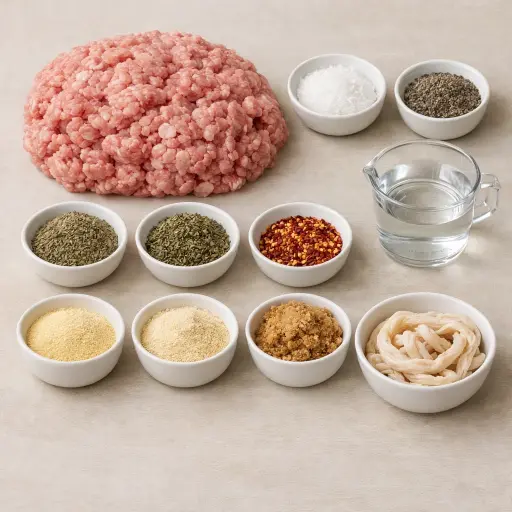
Ground pork is the star here, providing the essential fatty, juicy base. The kosher salt enhances flavor, while black pepper adds a gentle heat. Dried sage and dried thyme give the sausage its classic earthy aroma. The red pepper flakes offer a slight kick, perfectly balanced by garlic powder and onion powder for depth. The brown sugar adds a subtle sweetness, and natural hog casings are used to encase the sausage, giving it that authentic look and texture. Cold water helps in binding the mixture together, ensuring a consistent texture.
Why This Traditional Homemade Sausage Works
All the seasoning gets worked right into the ground pork first, so the salt has time to sink into the meat. As the salt soaks in, the pork firms up a bit and starts to stick to itself. While the cook mixes and squeezes the meat, the pork proteins smear and grab onto each other. That sticky texture is what lets the sausage hold together in the casing instead of crumbling when it cooks.
When the cold water goes in, it doesn’t just make the mix wetter. The water spreads the salt, sugar, and spices through the pork and lets the meat absorb some moisture. Because the water is cold, the fat in the pork stays solid while everything is mixed and stuffed, so the fat doesn’t smear too much or leak out early.
Inside the hog casings, the tight but not overstuffed filling has room to expand a little as it cooks. Any air bubbles are pricked out, so there are no weak spots. During cooking, the meat sets into a firm, juicy link, and the casing holds it in a neat shape without bursting.
Traditional Homemade Sausage Tips & Tricks
- Always keep your meat and equipment cold to prevent the fat from melting.
- If you’re new to using casings, practice with a small portion first.
- Use a toothpick to prick air bubbles instead of a needle if you find it easier to handle.
- Experiment with different spice levels to suit your taste — this recipe is very adaptable.
Mistakes To Avoid
Overstuffing the casings makes the sausages burst as they cook. The meat has nowhere to expand, so the casing splits, fat leaks out, and the links end up dry and ragged instead of plump and juicy.
Skipping the mixing until the meat turns sticky leaves the filling loose. The fat and water don’t bind with the meat, so the sausages can feel crumbly, with gaps and pockets instead of a smooth, even texture inside.
Using warm meat or water in the mix causes the fat to smear instead of staying in tiny pieces. During cooking, that smeared fat melts out quickly, leaving the sausage dense, dry, and a bit rubbery instead of springy.
Not soaking and rinsing the casings long enough often leads to tough, chewy skins. Salt and packing residue stay on the casing, so it doesn’t soften properly and can feel thick and hard to bite through.
Skipping the step of pricking air bubbles leaves big pockets of air under the casing. Those bubbles expand with heat, so the sausage can cook unevenly and the casing may pop in random spots.
Equipment Used:
Ingredients
- 2 lb ground pork
- 1 tbsp kosher salt
- 1 tsp black pepper
- 1 tbsp dried sage
- 1 tsp dried thyme
- 1/2 tsp red pepper flakes
- 1/4 cup cold water
- 1 tbsp garlic powder
- 1 tbsp onion powder
- 1 tbsp brown sugar
- Natural hog casings, soaked and rinsed
Step-by-step Instructions
- 1. In a large bowl, combine the ground pork, kosher salt, black pepper, dried sage, dried thyme, red pepper flakes, garlic powder, onion powder, and brown sugar. Mix thoroughly with your hands until the spices are evenly distributed.
- 2. Gradually add the cold water to the meat mixture, mixing until the water is fully incorporated and the mixture is sticky.
- 3. Rinse the natural hog casings thoroughly under cold water and soak them for at least 30 minutes.
- 4. Attach a sausage stuffer to your meat grinder, lubricate the nozzle with a bit of oil, and slide the casing onto the nozzle, leaving a small overhang.
- 5. Carefully fill the casing with the seasoned meat mixture, being careful not to overstuff. Twist the sausage at regular intervals to form links.
- 6. Prick any air bubbles with a needle to remove excess air.
- 7. Refrigerate the sausages for at least 1 hour before cooking or store them as per the instructions.
Trending Now
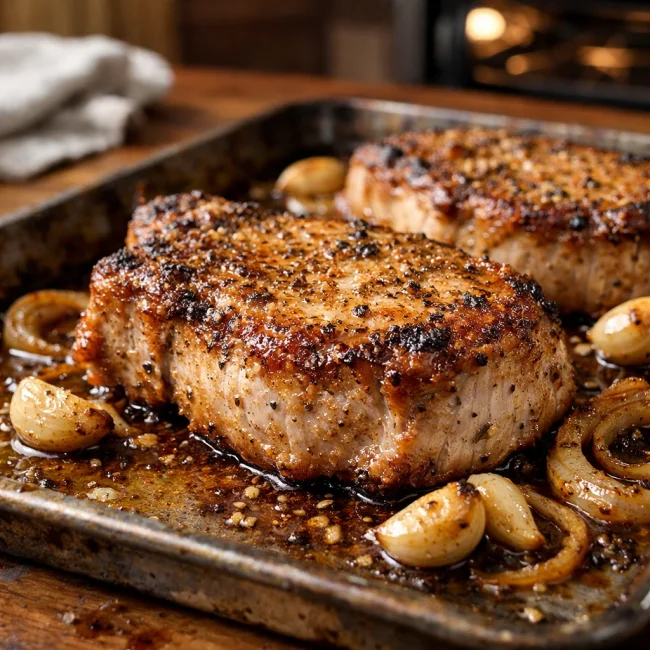
Oven-Baked Pork Chops
Enjoy a delightful dinner with these tender and juicy oven-baked pork chops, seaso...
View Recipe
Traditional Corn Casserole
A delightful corn casserole dish that embodies the comforting flavors of sweet cor...
View Recipe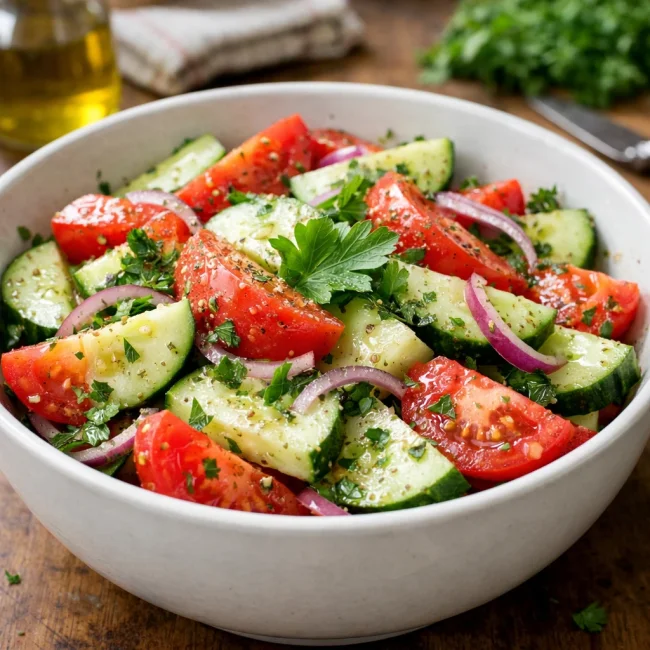
Traditional Cucumber and Tomato Salad
A refreshing and simple salad combining crisp cucumbers and juicy tomatoes, season...
View Recipe
Savory Zucchini Bread
Savory Zucchini Bread is a delectable twist on traditional zucchini recipes, combi...
View RecipeFrequently Asked Questions
- Can I use a different type of meat?
- Absolutely! You can try beef, chicken, or turkey, but the flavor and texture will differ.
- How do I store leftover sausages?
- Wrap them tightly in plastic wrap and store in the refrigerator for up to 3 days or freeze for up to 3 months.
- What if I don't have a sausage stuffer?
- You can form patties instead and cook them like burgers.
Serving Ideas for Traditional Homemade Sausage
This sausage pairs beautifully with creamy mashed potatoes and sautéed greens like kale or spinach. For a breakfast twist, serve it alongside scrambled eggs and toast. It's also fantastic grilled and served in a bun with mustard and sauerkraut.
More Main Dishes Recipes
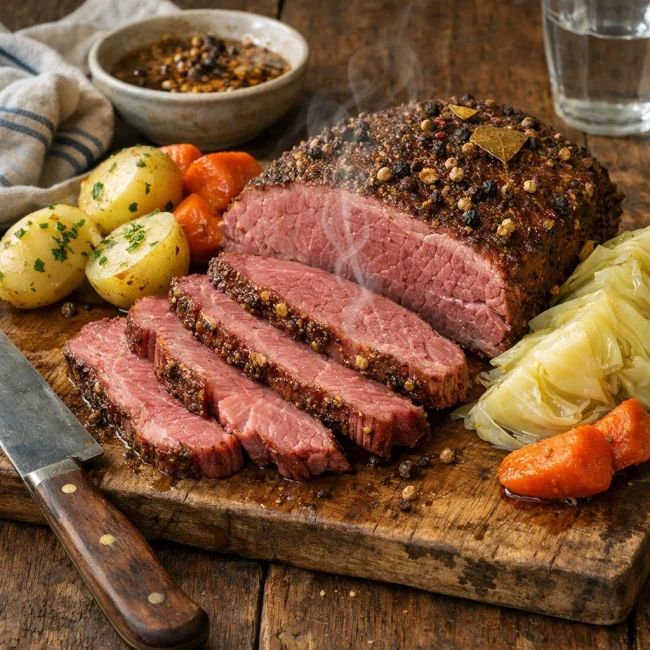
Unique Homemade Corned Beef
Discover the ultimate homemade corned beef recipe that balances rich flavors and t...
View Recipe
Spicy Lime Seared Ahi Tuna
Experience a burst of flavor with our Spicy Lime Seared Ahi Tuna, a perfect fusion...
View Recipe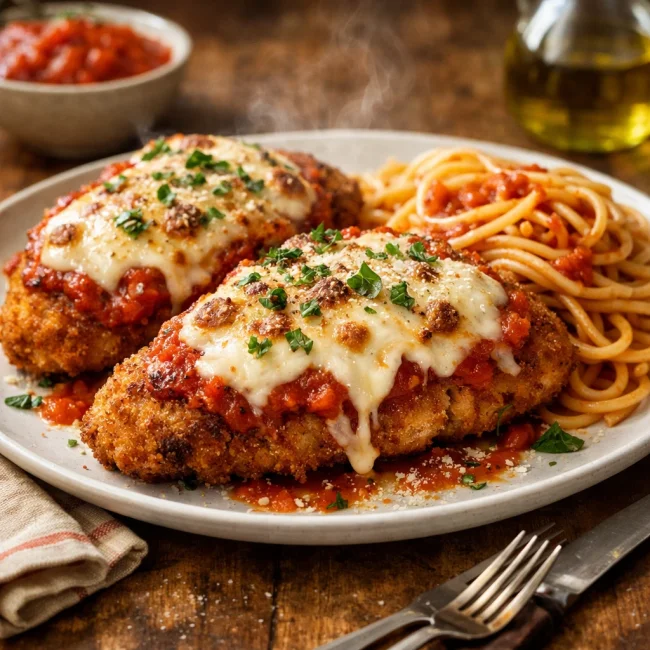
Traditional Chicken Parmesan
Savor the authentic taste of Italian cuisine with our Traditional Chicken Parmesan...
View Recipe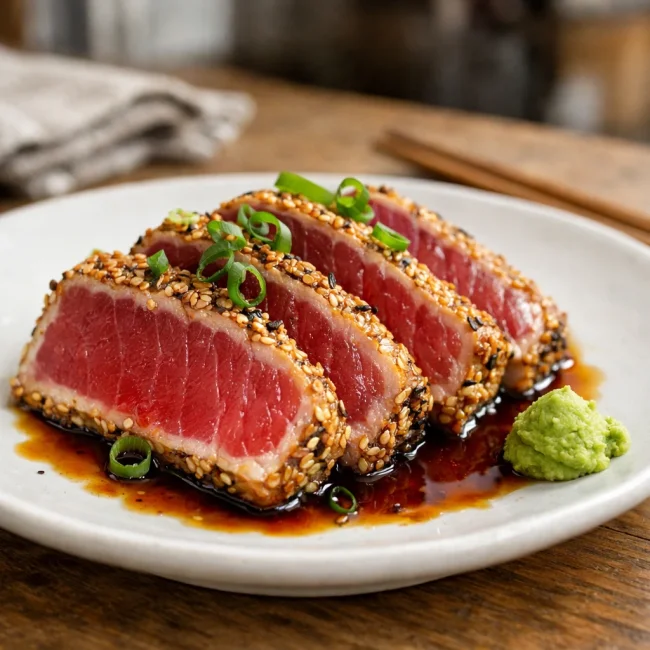
Seared Ahi Tuna
Experience the sublime taste of seared Ahi tuna, a Japanese-inspired dish that hig...
View Recipe