
Traditional Homemade Pasta
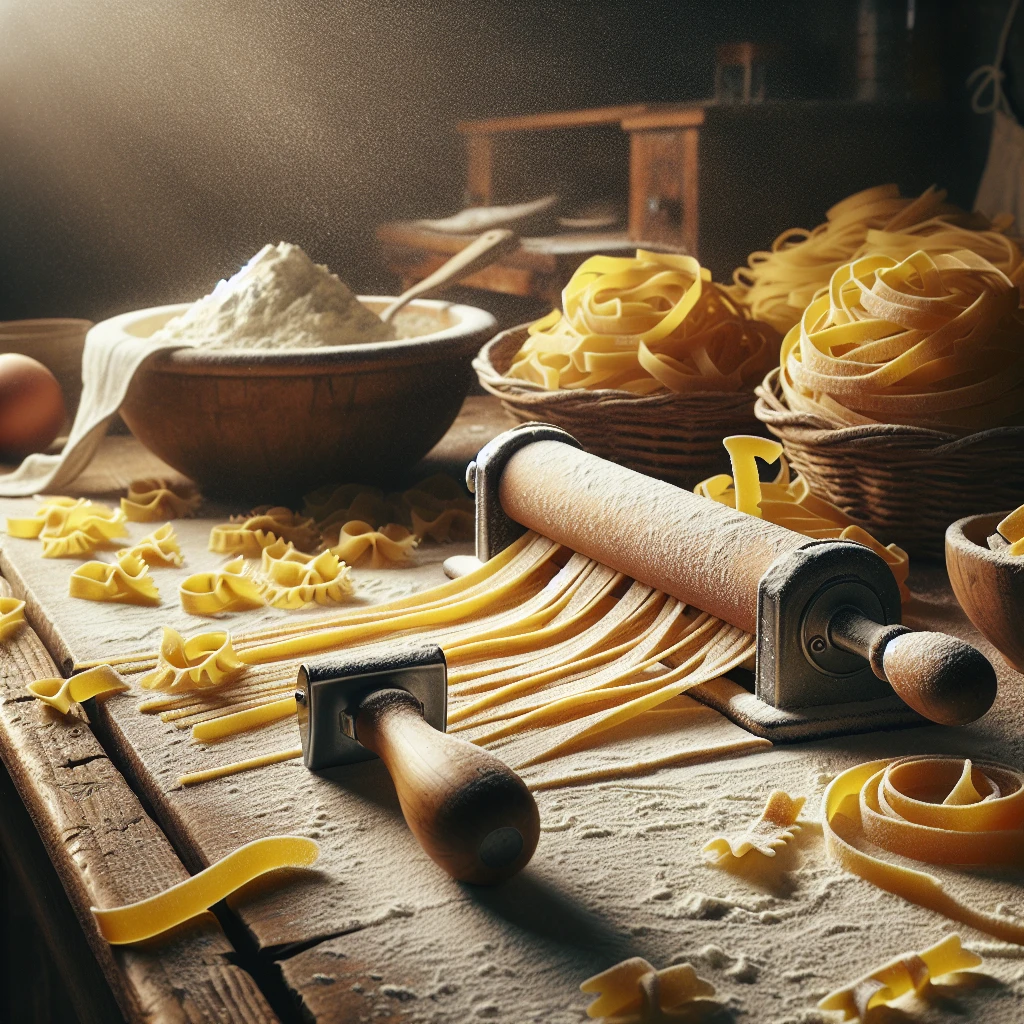
Welcome to the world of homemade pasta! With just a few simple ingredients, you can create a pasta that's fresh, flavorful, and miles above the store-bought variety. It's the perfect recipe for any pasta lover looking to elevate their culinary skills.
 Share
Share
This post may contain affiliate links. As an Amazon Associate, we earn from qualifying purchases.
Ingredients for Traditional Homemade Pasta
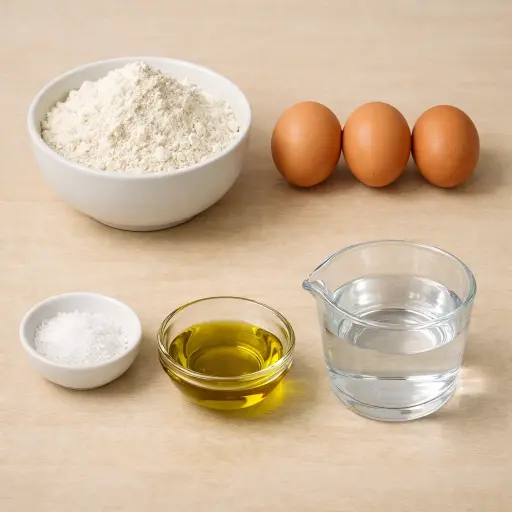
Flour: The backbone of your pasta, offering structure and texture. All-purpose flour is versatile and easy to work with, making it a great choice for beginners.
Eggs: Acting as a binder, they bring richness and flavor, giving your pasta that lovely yellow hue and silky texture.
Salt: Enhances the flavor, making sure your pasta is well-seasoned from the start.
Olive Oil: Adds a touch of richness and helps in achieving a smooth, elastic dough.
Water: Used sparingly, only if the dough feels too dry. It helps in achieving the right consistency.
Why This Traditional Homemade Pasta Works
At the start, the flour and eggs seem dry and messy, but as the fork pulls more flour into the eggs, the dough starts to come together and feel sticky. Kneading keeps pushing the flour and eggs into each other, so the flour soaks up the liquid and the dough becomes smooth instead of crumbly. Salt and olive oil spread through the dough during this time, so the dough stays a little softer and easier to stretch instead of tearing.
During the rest time, nothing looks like it is happening, but the dough changes a lot. The flour keeps soaking in moisture from the eggs and oil, and the tight, stretchy dough slowly relaxes. After resting, the dough rolls out much thinner without springing back. When the sheets are cut into noodles and left to dry a bit, the surface firms up just enough so the pasta holds its shape in boiling water and cooks up tender but not mushy.
Traditional Homemade Pasta Tips & Tricks
- If the dough is too sticky, add a little more flour while kneading.
- For a richer dough, try using only egg yolks instead of whole eggs.
- Use semolina flour instead of all-purpose for a more traditional texture.
- Roll the dough as thin as possible for delicate pasta.
- Always cook pasta in a generous amount of salted boiling water.
Mistakes To Avoid
Adding all the flour into the eggs too fast often leaves dry pockets of flour and wet streaks of egg that never really blend. The dough ends up lumpy, with hard bits that don’t roll out evenly and soft spots that tear, so the pasta cooks unevenly and some pieces turn mushy while others stay tough.
Kneading for only a few minutes leaves the dough weak and rough. The gluten doesn’t build up, so when it’s rolled thin, the sheets crack and tear, and in boiling water the pasta can break apart instead of holding its shape with a nice bite.
Skipping the resting time, or cutting it very short, keeps the dough tight and springy. As it’s rolled, it keeps shrinking back, so it has to be rolled again and again, which makes it dense, and the cooked pasta feels heavy and chewy instead of light.
Rolling the dough too thick because it feels easier to handle leads to heavy, doughy noodles. In the pot, the outside softens while the center stays a bit firm and bready, so the pasta never gets that even, tender texture.
Equipment Used:
Ingredients
- 2 cups all-purpose flour
- 3 large eggs
- 1/2 tsp salt
- 1 tbsp olive oil
- Water as needed
Step-by-step Instructions
- 1. Place the flour on a clean surface and make a well in the center.
- 2. Crack the eggs into the well, add salt, and olive oil.
- 3. Gradually mix the flour into the eggs with a fork, then knead the dough by hand until smooth and elastic, about 10 minutes.
- 4. Wrap the dough in plastic wrap and let it rest for 30 minutes.
- 5. Roll out the dough using a pasta machine or rolling pin to your desired thickness.
- 6. Cut the pasta into your preferred shape and let it dry slightly before cooking.
Trending Now
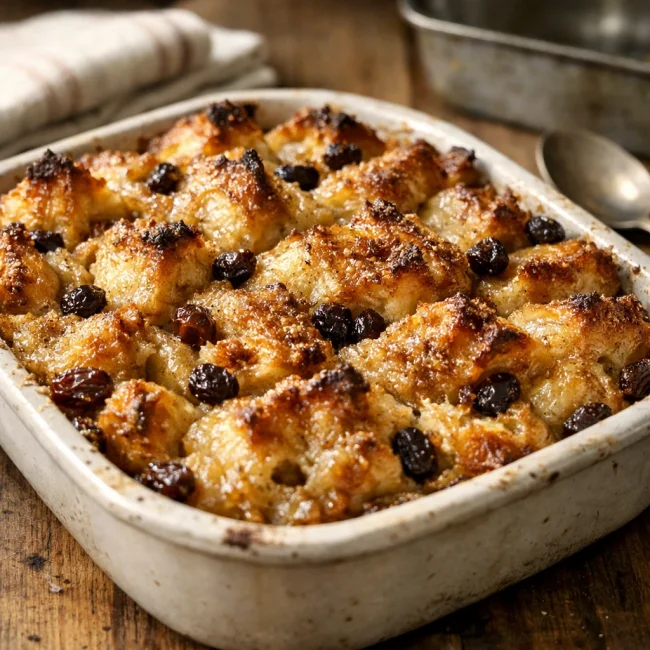
Old-Fashioned Bread Pudding
Discover the classic charm of Old-Fashioned Bread Pudding - a timeless dessert com...
View Recipe
Traditional Italian Bruschetta
Experience the authentic taste of Italian bruschetta, a perfect blend of fresh tom...
View Recipe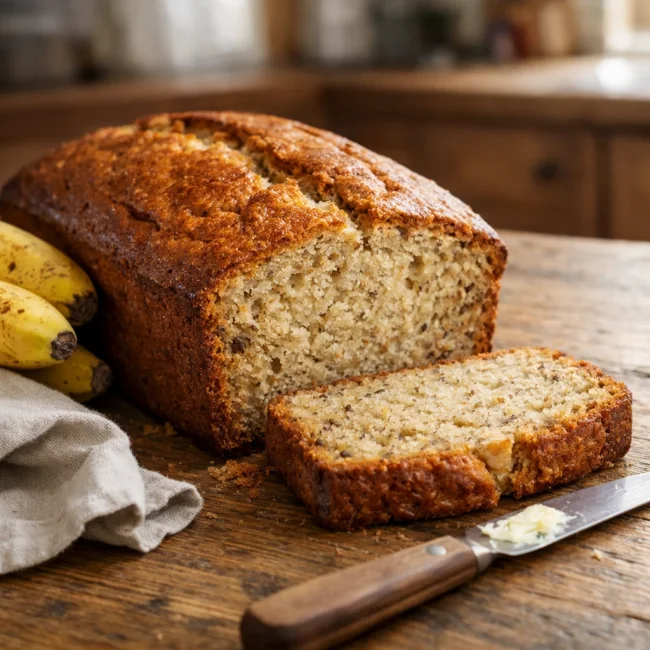
Classic Banana Bread
Classic Banana Bread is a timeless dessert beloved for its moist texture and sweet...
View Recipe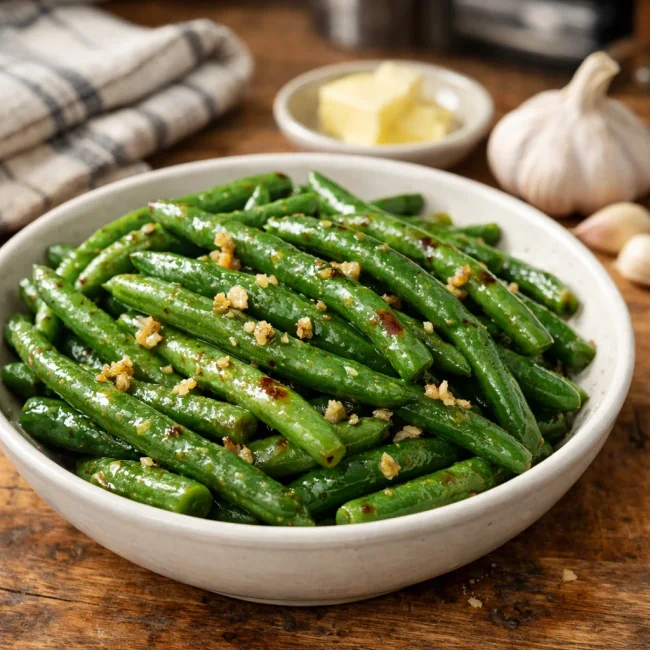
Classic Green Beans
Discover the timeless delight of Classic Green Beans, a simple yet flavorful side ...
View RecipeFrequently Asked Questions
- Can I use whole wheat flour instead of all-purpose flour?
- Yes, but the texture will be denser. You might need a bit more water.
- How do I store leftover pasta dough?
- Wrap it tightly in plastic wrap and refrigerate for up to 2 days.
- Can I freeze homemade pasta?
- Absolutely! Freeze in small nests on a baking sheet, then transfer to a bag once solid.
Serving Ideas for Traditional Homemade Pasta
Pair your fresh pasta with a simple olive oil and garlic sauce, or a classic tomato basil sauce. Fresh pasta also shines in cream-based sauces or simply tossed with butter and Parmesan. For a heartier meal, consider a Bolognese sauce or a rich mushroom sauce.
More Pasta Recipes
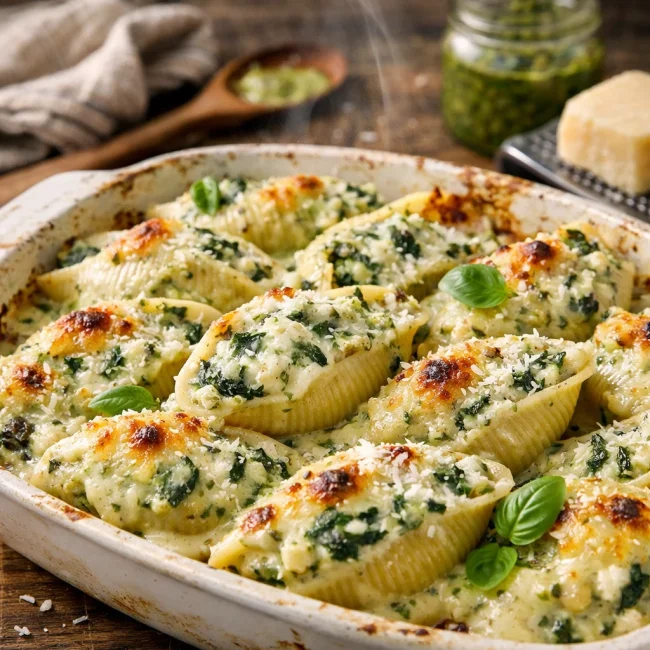
Spinach and Ricotta Stuffed Shells with Pesto Alfredo
Try this delicious twist on classic stuffed shells with a creamy pesto Alfredo sau...
View Recipe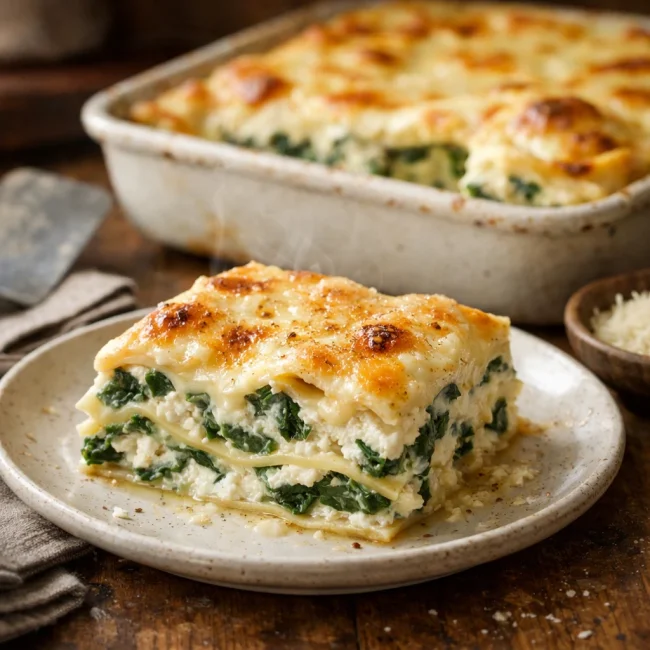
Spinach and Ricotta White Lasagna
A unique twist on the classic lasagna, this white lasagna combines creamy ricotta,...
View Recipe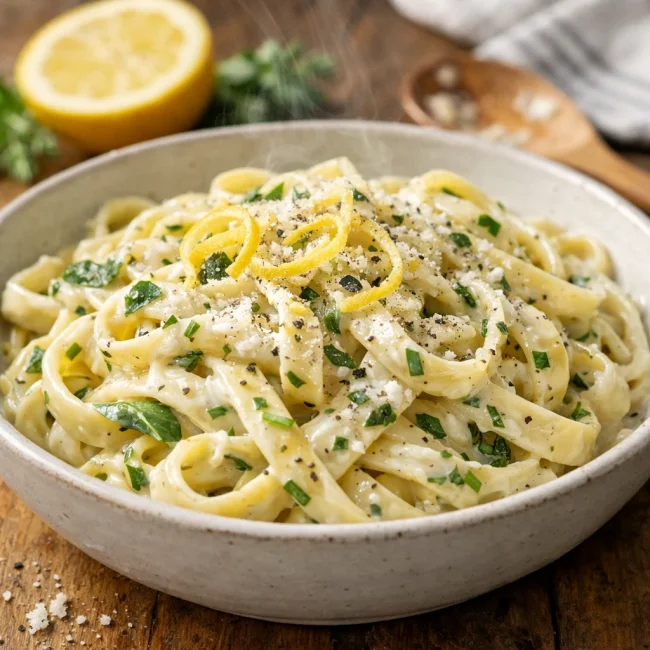
Lemon Herb Fettuccine Alfredo
Lemon Herb Fettuccine Alfredo is a refreshing twist on the classic dish, combining...
View Recipe
Truffle Mac and Cheese
Experience the ultimate comfort food with a gourmet twist in this Truffle Mac and ...
View Recipe