
Traditional Homemade Buttermilk
Making your own buttermilk at home is a cinch and adds a fresh, tangy touch to your baking. With just two simple ingredients, you can whip up this kitchen staple in no time. It's perfect for when you're in a pinch and need buttermilk on the spot.
 Share
Share
This post may contain affiliate links. As an Amazon Associate, we earn from qualifying purchases.
Ingredients for Traditional Homemade Buttermilk
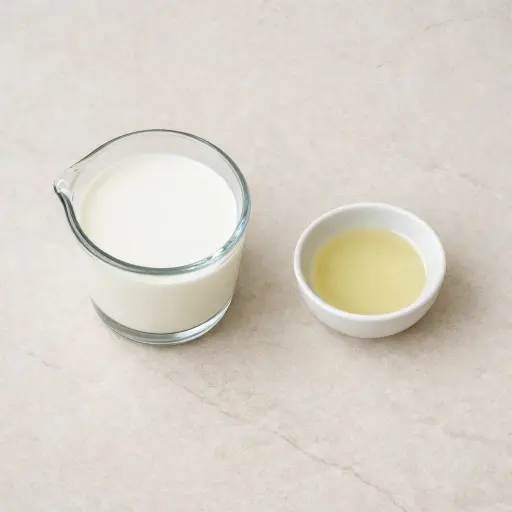
Whole milk is the base of this recipe, providing the creaminess and body that makes buttermilk rich. Opt for whole milk for the best results, as it curdles nicely and gives you that classic buttermilk texture. Lemon juice or white vinegar acts as the acid that curdles the milk, giving it that essential tangy flavor. Both options work well, so choose based on the flavor profile you prefer or what you have on hand.
Why This Traditional Homemade Buttermilk Works
Once the lemon juice or vinegar hits the whole milk, the milk starts to change almost right away. The acid in the juice bumps into the proteins in the milk and they loosen up and grab onto each other in a new way. At first it still looks like plain milk, but it is already starting to thicken a bit.
As the milk sits on the counter for those 10–15 minutes, the change keeps going. The milk slowly starts to look a little lumpy around the edges and slightly grainy. It may not look pretty, but that slight curdling is exactly what gives it that buttermilk-style tang and thickness. The milk doesn’t turn into cheese; it just gets a bit thicker and less smooth.
By the time it rests, the milk is no longer thin and flat-tasting. It has a light sour taste and a thicker body, so it clings better to flour in baking and gives batters and doughs a softer, more tender texture.
Traditional Homemade Buttermilk Tips & Tricks
- If you prefer a thicker buttermilk, let it sit for a little longer until it reaches your desired consistency.
- Always use fresh lemon juice for the best flavor, but bottled works in a pinch.
- If you're out of whole milk, 2% milk can work, but the results might be slightly less creamy.
Mistakes To Avoid
Using cold milk straight from the fridge can slow everything down. The acid doesn’t spread through the milk as well, so the mixture may stay thin and smooth instead of thickening slightly. The final “buttermilk” then pours like plain milk and doesn’t give batters that gentle tang or softness it’s meant to.
Pouring in less acid than needed leaves the milk almost unchanged. The milk might look fine, but it won’t thicken or get those tiny curdled bits, so pancakes or biscuits made with it can turn out flatter and a bit tougher than expected.
Letting the mixture sit for only a couple of minutes often means it hasn’t had time to react. The milk stays too smooth and doesn’t get that light, clumpy texture. Any recipe that depends on that slight thickness will feel off, with doughs that are stiffer and harder to mix.
Leaving the milk–acid mix out for a very long time at warm room temperature can cause it to sour too much. Instead of a mild tang and soft texture, it can start to smell sharp and turn unpleasantly chunky, making anything made with it taste harsh and feel grainy.
Equipment Used:
Ingredients
- 1 cup whole milk
- 1 tablespoon lemon juice or white vinegar
Step-by-step Instructions
- 1. Measure 1 cup of whole milk and pour it into a glass measuring cup.
- 2. Add 1 tablespoon of lemon juice or white vinegar to the milk.
- 3. Stir the mixture gently to combine.
- 4. Let the mixture sit at room temperature for 10-15 minutes until it curdles slightly.
- 5. Use immediately, or store as needed.
Trending Now
Oven-Baked Pork Chops
Enjoy a delightful dinner with these tender and juicy oven-baked pork chops, seaso...
View Recipe
Traditional Corn Casserole
A delightful corn casserole dish that embodies the comforting flavors of sweet cor...
View Recipe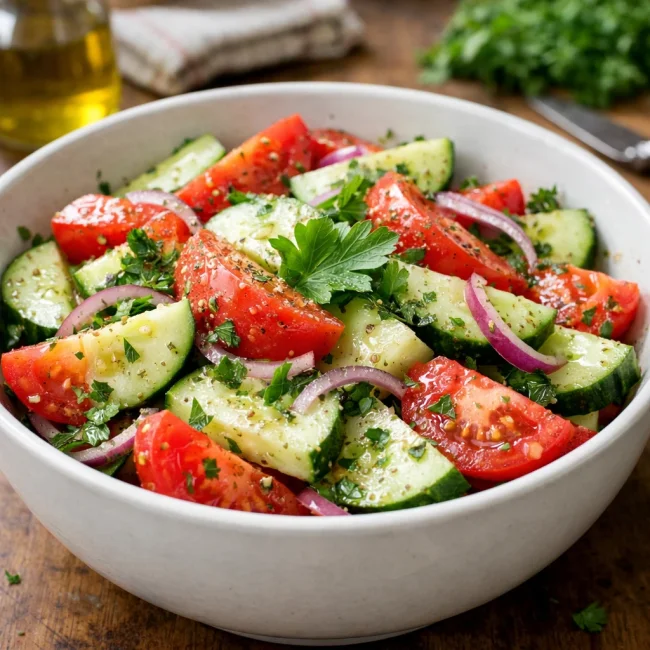
Traditional Cucumber and Tomato Salad
A refreshing and simple salad combining crisp cucumbers and juicy tomatoes, season...
View Recipe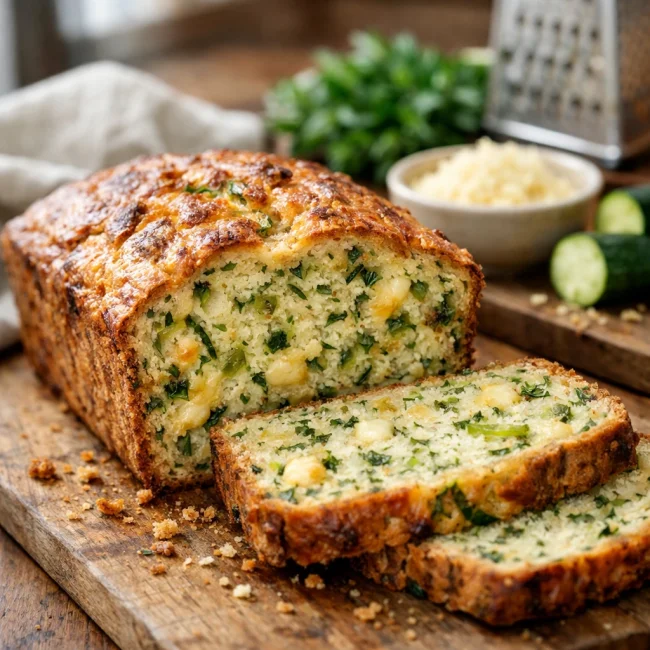
Savory Zucchini Bread
Savory Zucchini Bread is a delectable twist on traditional zucchini recipes, combi...
View RecipeFrequently Asked Questions
- Can I use non-dairy milk to make buttermilk?
- Yes, you can use non-dairy milk like soy or almond, but the curdling might be less pronounced.
- How long does homemade buttermilk last?
- It will last in the fridge for about 3-5 days in an airtight container.
- Can I freeze homemade buttermilk?
- Freezing is not recommended as it may alter the texture when thawed.
Serving Ideas for Traditional Homemade Buttermilk
This homemade buttermilk is perfect for pancakes, biscuits, or even marinating chicken for a tender, juicy result. Use it in your favorite baking recipes to add a subtle tang and help your baked goods rise beautifully.
More Baking Recipes
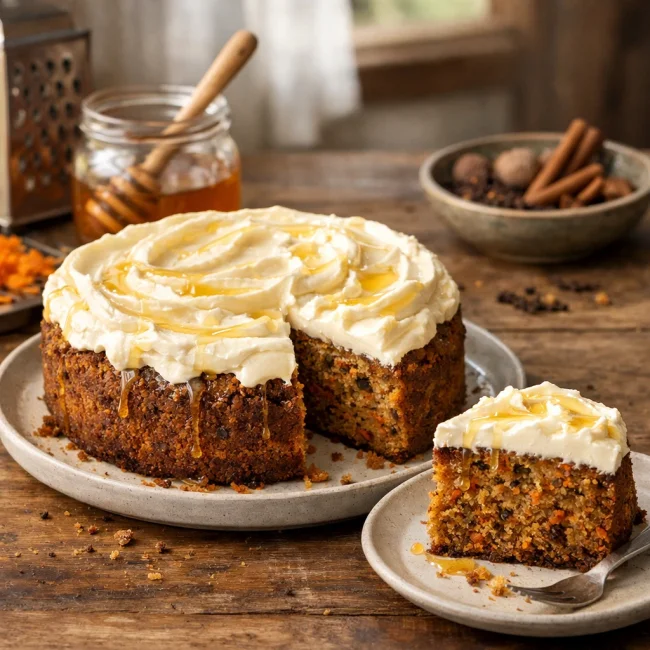
Spiced Honey Carrot Cake
Delight in the rich and moist Spiced Honey Carrot Cake that perfectly balances swe...
View Recipe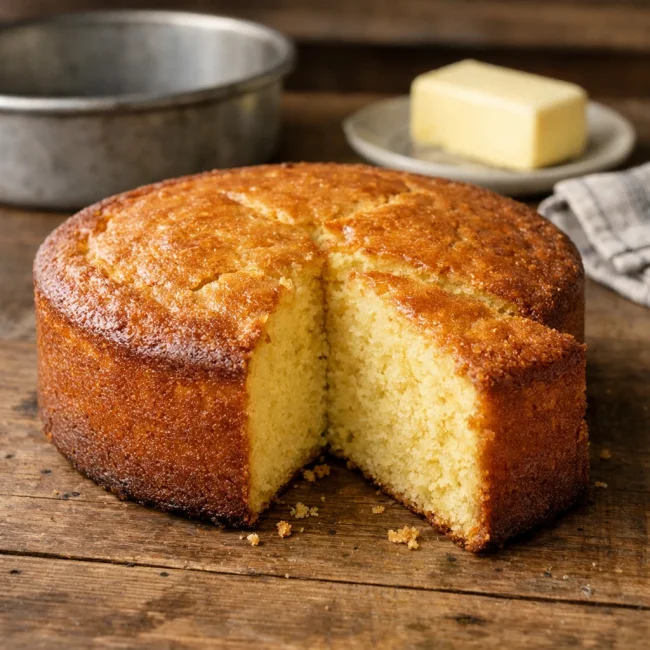
Old-Fashioned Butter Cake
A timeless classic, the Old-Fashioned Butter Cake is a rich, buttery treat perfect...
View Recipe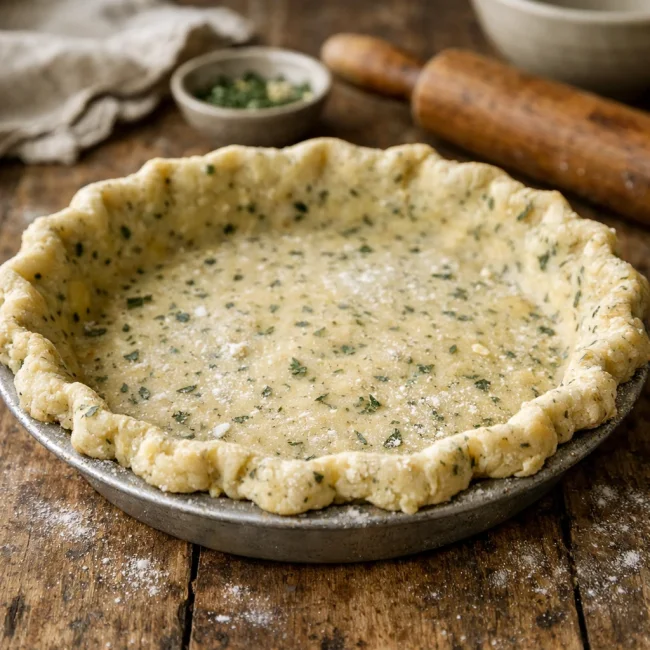
Rustic Herb Pie Crust
This Rustic Herb Pie Crust is a delightful twist on the classic pie base, infused ...
View Recipe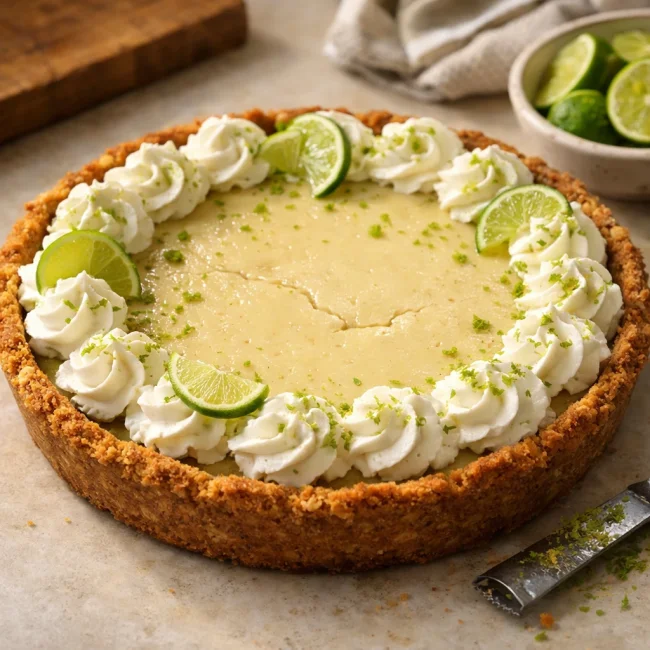
Traditional Key Lime Pie
Discover the rich and tangy taste of our Traditional Key Lime Pie, a classic desse...
View Recipe