
Traditional Homemade Biscuits
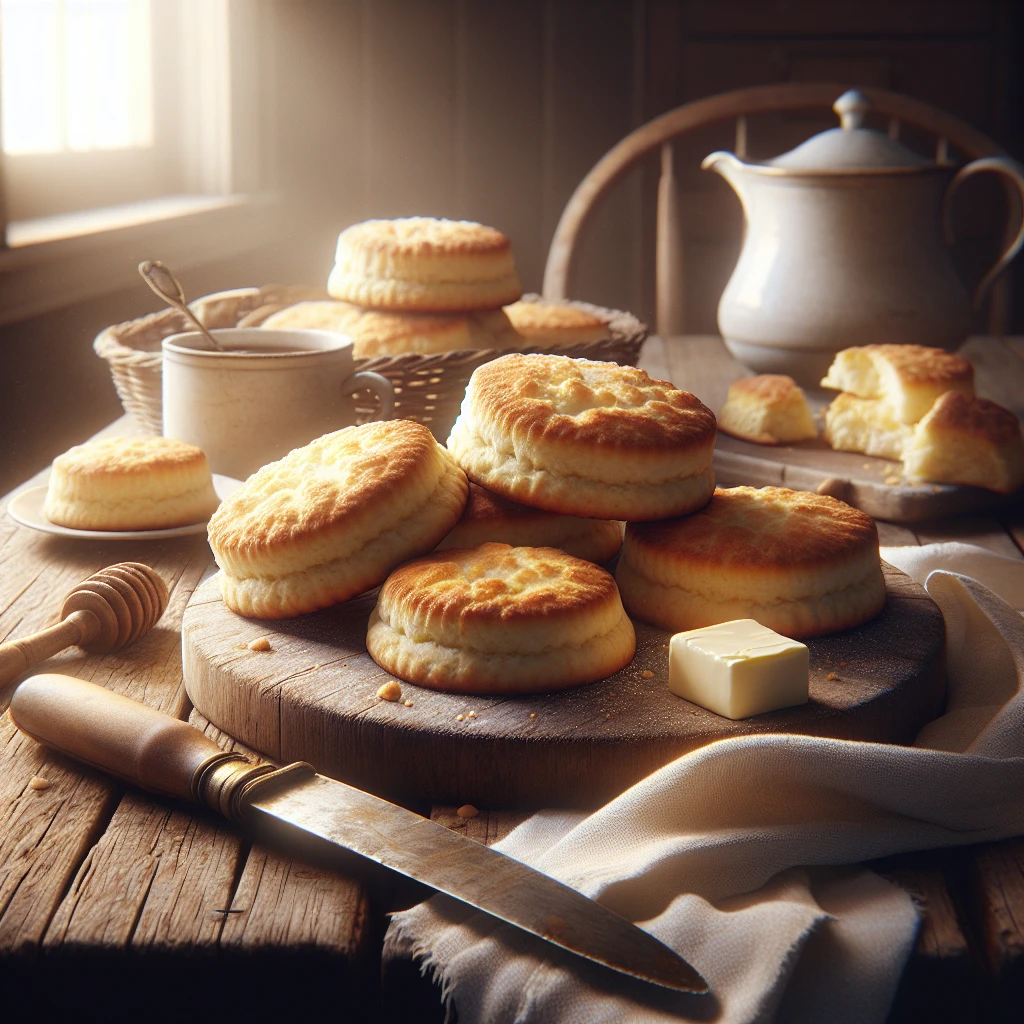
There's something wonderfully comforting about the aroma of homemade biscuits wafting through the house. With this traditional recipe, you'll be baking fluffy, golden biscuits that have been a staple in many kitchens for generations. Perfect for breakfast, dinner, or a snack anytime!
 Share
Share
This post may contain affiliate links. As an Amazon Associate, we earn from qualifying purchases.
Ingredients for Traditional Homemade Biscuits
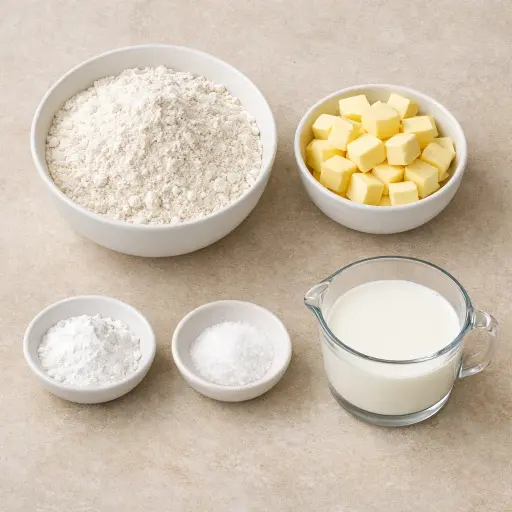
All-purpose flour is the backbone of our biscuit, providing the structure. Baking powder is your leavening agent, giving the biscuits their rise and fluffiness. A little bit of salt enhances flavor without overpowering. Unsalted butter is key for that rich, flaky texture — using it cold is crucial. Finally, whole milk brings everything together with a bit of richness and the right amount of moisture.
Why This Traditional Homemade Biscuits Works
Cold butter is what gives these biscuits their soft, flaky inside. When the small chunks of butter are rubbed into the flour, they stay in little pieces instead of melting. In the hot oven, those bits of butter melt fast and leave tiny gaps where they were. The flour and baking powder around them set in place, so each gap turns into a light layer instead of a dense, heavy bite.
As the biscuits bake, baking powder starts to puff the dough up. The milk in the dough turns to steam and pushes against those layers made by the butter. Because the dough was only kneaded a few times, the flour doesn’t get tough, so the biscuits stay tender instead of chewy.
With the oven so hot, the outside browns before the inside dries out. The butter near the surface melts and browns a little, so the tops come out golden while the centers stay soft and moist.
Traditional Homemade Biscuits Tips & Tricks
- For extra flaky biscuits, refrigerate the cut-out dough for 10 minutes before baking.
- If you don't have a round cutter, a drinking glass works in a pinch!
- Don't skip the parchment paper; it helps prevent the bottoms from browning too quickly.
Mistakes To Avoid
Letting the butter warm up too much before it goes into the flour makes the dough greasy instead of crumbly. The butter then melts too fast in the oven instead of creating little steam pockets. The biscuits come out flat and heavy instead of tall and flaky.
Overmixing the dough after the milk goes in quickly turns the texture tough. The flour soaks up more liquid and the gluten tightens, so the dough feels stretchy instead of soft. The baked biscuits end up chewy and dense instead of tender.
Rolling the dough too thin means the biscuits don’t have enough height to puff properly. In the oven they brown fast but don’t get a soft middle. The result is dry, almost cracker-like biscuits with hard edges.
Starting with a cooler oven than 450°F keeps the biscuits from rising fast. The butter melts slowly and runs out instead of puffing the layers. The biscuits spread, bake unevenly, and stay pale with a slightly doughy center.
Equipment Used:
Ingredients
- 2 cups all-purpose flour
- 1 tablespoon baking powder
- 1/2 teaspoon salt
- 1/2 cup unsalted butter (cold, diced)
- 3/4 cup whole milk
Step-by-step Instructions
- 1. Preheat your oven to 450°F (232°C).
- 2. In a large mixing bowl, whisk together the flour, baking powder, and salt.
- 3. Add the cold, diced butter into the flour mixture, using a pastry cutter or your fingertips to work the butter into the flour until the mixture resembles coarse crumbs.
- 4. Gradually stir in the milk, mixing just until the dough comes together.
- 5. Turn the dough out onto a lightly floured surface and gently knead it 3-4 times until smooth.
- 6. Roll out the dough to a 1-inch thickness and cut out biscuits with a 2.5-inch round cutter.
- 7. Place the biscuits onto a baking sheet lined with parchment paper.
- 8. Bake in the preheated oven for 12-15 minutes or until golden brown on top.
- 9. Remove from the oven and let cool slightly before serving.
Trending Now
Old-Fashioned Bread Pudding
Discover the classic charm of Old-Fashioned Bread Pudding - a timeless dessert com...
View Recipe
Traditional Italian Bruschetta
Experience the authentic taste of Italian bruschetta, a perfect blend of fresh tom...
View Recipe
Classic Green Beans
Discover the timeless delight of Classic Green Beans, a simple yet flavorful side ...
View Recipe
Classic Banana Bread
Classic Banana Bread is a timeless dessert beloved for its moist texture and sweet...
View RecipeFrequently Asked Questions
- Can I use salted butter instead?
- Yes, but reduce the added salt in the recipe to balance the flavors.
- What if I don't have whole milk?
- 2% milk can be used as a substitute, though the biscuits might be slightly less rich.
- How do I store leftovers?
- Keep them in an airtight container at room temperature for up to 2 days, or freeze for longer storage.
Serving Ideas for Traditional Homemade Biscuits
Pair these biscuits with a hearty sausage gravy for a classic Southern breakfast. For a lighter option, enjoy them with clotted cream and a dollop of strawberry preserves. They’re also wonderful as a side with a steaming bowl of soup or stew.
More Breads & Baked Goods Recipes

Traditional Italian Easter Bread
Savor the delightful taste of a classic Italian Easter bread, a sweet, soft, and s...
View Recipe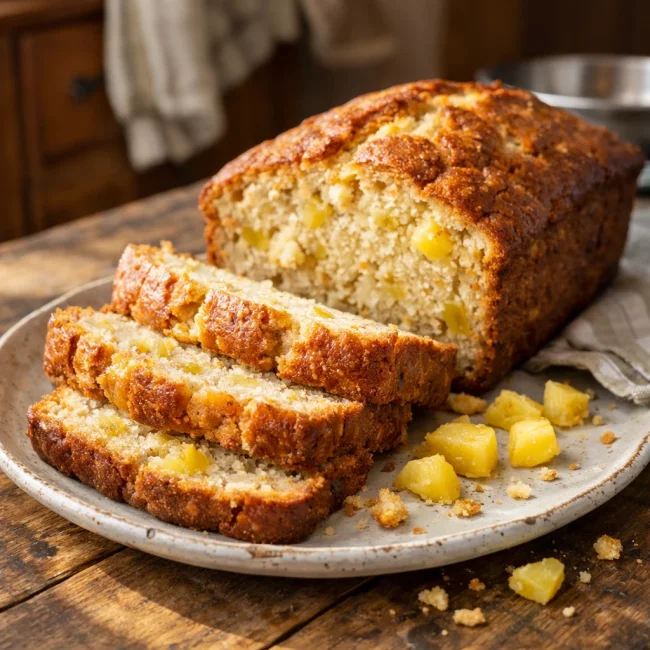
Old-Fashioned Pineapple Bread
A delightful and flavorful bread infused with juicy pineapple, perfect for breakfa...
View Recipe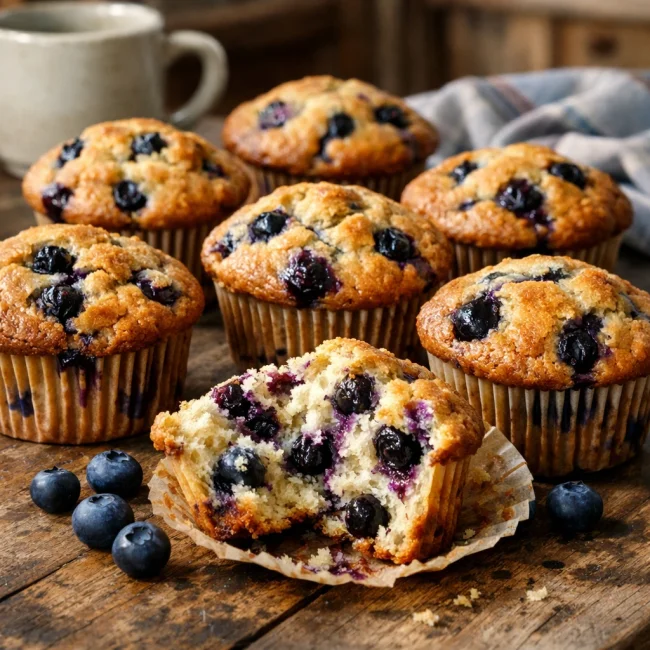
Old-Fashioned Blueberry Muffins
Transport yourself to simpler times with these delightful old-fashioned blueberry ...
View Recipe
Strawberry Basil Scones
These tender scones combine the sweetness of fresh strawberries with a hint of pep...
View Recipe