
Traditional Home-Fresh Bread
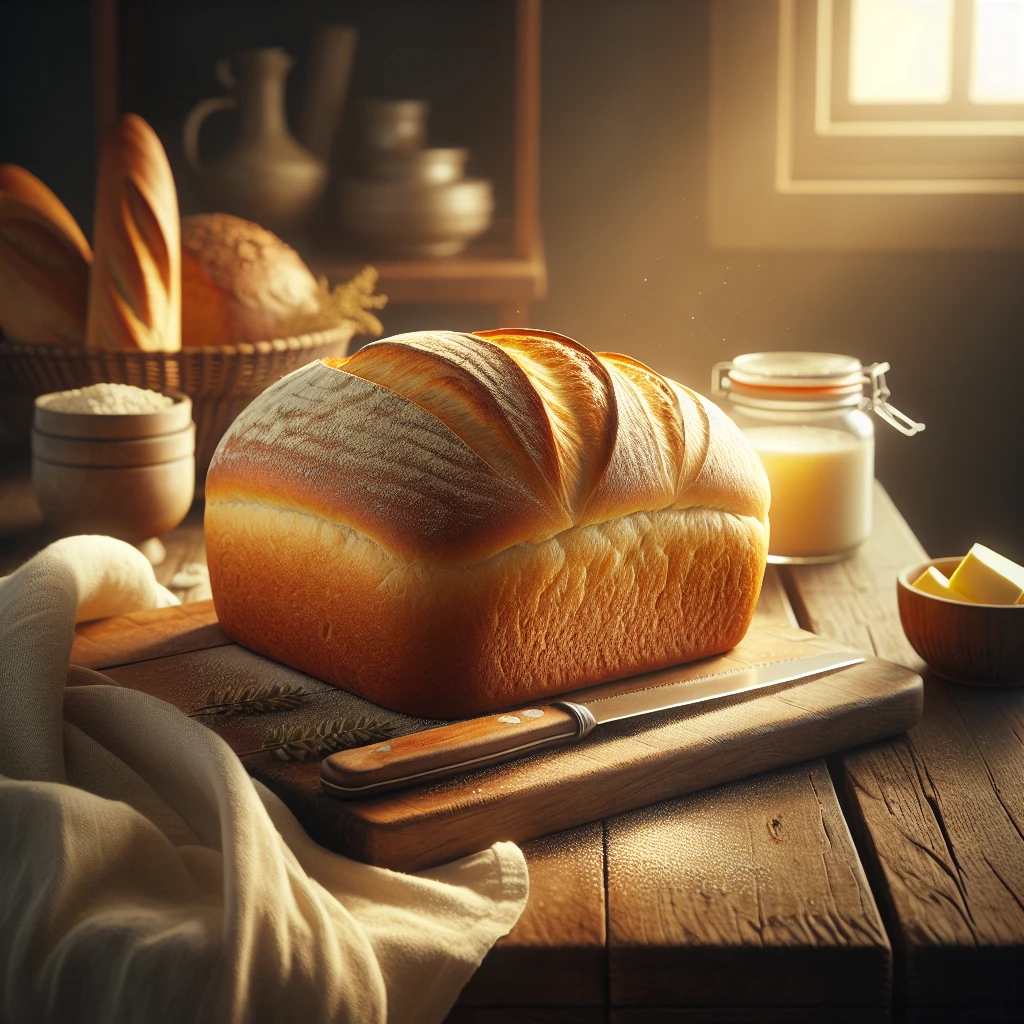
There's something uniquely comforting about the aroma of freshly baked bread wafting through your home. This Traditional Home-Fresh Bread recipe is straightforward and rewarding, offering a warm, golden loaf perfect for any occasion.
 Share
Share
This post may contain affiliate links. As an Amazon Associate, we earn from qualifying purchases.
Ingredients for Traditional Home-Fresh Bread
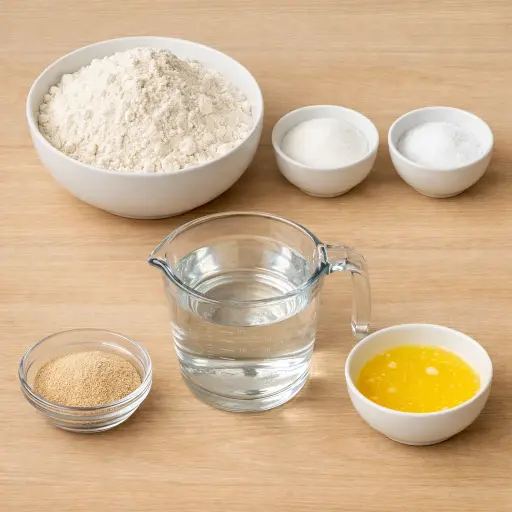
Flour is the backbone of our bread. All-purpose flour gives the bread a balanced texture, making it soft yet sturdy enough to hold up as a sandwich base.
The sugar isn't just for sweetness; it helps activate the yeast by providing the necessary food to kickstart the fermentation process.
Salt enhances the flavor of the bread and strengthens the gluten network, giving it structure.
Yeast is our leavening agent, making the bread rise and giving it that airy, fluffy texture.
Warm water is crucial as it activates the yeast. It should be just warm to the touch, like a soothing bath.
Butter adds richness and a subtle buttery flavor, making every slice a little more indulgent.
Why This Traditional Home-Fresh Bread Works
Warm water, sugar, and yeast sit together first so the yeast can wake up and start bubbling. As it foams, tiny gas bubbles form, and those are what later puff up the bread. When melted butter, salt, and flour go in, the flour soaks up the water and fat and starts to form a soft, sticky dough. During kneading, the dough stretches over and over, and the flour’s gluten lines up into long strands. Those strands act like a net that can trap the yeast’s gas.
As the dough rests in the bowl, the yeast keeps eating the sugar and starch in the flour and fills that gluten net with more gas. The dough slowly swells and feels lighter. In the oven, heat sets those stretched strands in place, so the loaf keeps its shape instead of collapsing. At the same time, water inside the dough turns to steam and pushes the bread up a bit more, while the outside dries and browns into a firm crust that holds the soft middle.
Traditional Home-Fresh Bread Tips & Tricks
- If your dough is too sticky, add a little more flour, a tablespoon at a time, until manageable.
- For a chewier texture, use bread flour instead of all-purpose flour.
- To check if your bread is done without tapping, you can use a thermometer. The internal temperature should be around 190°F (88°C).
- Use a serrated knife for cleaner slices.
Mistakes To Avoid
Using water that is too hot kills the yeast before the dough even forms. The mixture in the first step then stays flat and thin instead of turning frothy, and the loaf bakes up dense and low instead of rising into a soft, tall bread.
Skipping or rushing the kneading leaves the dough rough and uneven. The gluten never stretches out properly, so the bread comes out crumbly with tight, heavy patches instead of an even, springy crumb.
Letting the dough rise in a cold spot often means it barely puffs up. The yeast works very slowly, the dough stays compact, and the baked loaf turns out short and firm instead of light and airy.
Putting the loaf into an oven that is not fully preheated causes weak oven spring. The dough warms up too slowly, spreads instead of lifting, and the crust sets pale and tough while the inside feels a bit gummy.
Slicing the bread while it is still hot squeezes out steam too fast. The crumb gets squashed and sticky, and the slices tear and mash instead of cutting into neat, soft pieces.
Equipment Used:
Ingredients
- 4 cups all-purpose flour
- 1 tablespoon sugar
- 1 teaspoon salt
- 1 packet (2 1/4 teaspoons) active dry yeast
- 1 1/2 cups warm water (110°F)
- 2 tablespoons unsalted butter, melted
Step-by-step Instructions
- 1. In a large bowl, combine the warm water, sugar, and yeast. Let it sit for about 5 minutes until frothy.
- 2. Add the melted butter, salt, and 2 cups of flour into the yeast mixture. Stir until combined.
- 3. Gradually add the remaining flour, 1/2 cup at a time, mixing well after each addition.
- 4. Once the dough comes together, turn it out onto a floured surface and knead for about 8-10 minutes until smooth and elastic.
- 5. Place the dough in a greased bowl, cover with a damp cloth, and let it rise in a warm place for about 1 hour or until doubled in size.
- 6. Punch down the dough and shape it into a loaf. Place it in a greased loaf pan.
- 7. Cover and let rise for another 30 minutes.
- 8. Preheat your oven to 375°F (190°C).
- 9. Bake the bread for 30-35 minutes, or until golden brown and the loaf sounds hollow when tapped.
- 10. Remove from the oven and let cool on a wire rack before slicing.
Trending Now

Classic Cucumber Salad
A refreshing and light cucumber salad featuring crisp cucumbers and a tangy vinaig...
View Recipe
Classic Banana Bread
Classic Banana Bread is a timeless dessert beloved for its moist texture and sweet...
View Recipe
Zesty Summer Squash Casserole
This delightful summer squash casserole combines vibrant garden-fresh vegetables w...
View Recipe
Traditional Dump Cake
Discover the timeless delight of the Traditional Dump Cake, a simple and scrumptio...
View RecipeFrequently Asked Questions
- Can I use instant yeast instead of active dry yeast?
- Yes, you can. Use the same amount, but you can skip the proofing step and mix it directly with the dry ingredients.
- How do I store leftover bread?
- Wrap it in a clean kitchen towel and store it at room temperature for up to 3 days. For longer storage, slice and freeze it.
Serving Ideas for Traditional Home-Fresh Bread
This bread is a versatile staple. Serve it warm with a smear of butter or your favorite jam for breakfast. It's also fantastic as the base for sandwiches or to accompany a hearty soup or stew. For a gourmet touch, brush slices with olive oil, sprinkle with garlic, and toast them for a homemade garlic bread.
More Breads & Baked Goods Recipes

Traditional Italian Easter Bread
Savor the delightful taste of a classic Italian Easter bread, a sweet, soft, and s...
View Recipe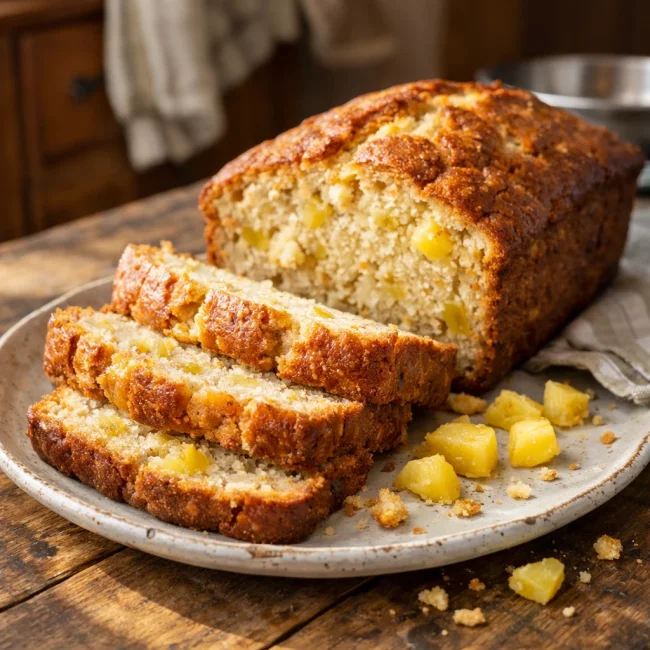
Old-Fashioned Pineapple Bread
A delightful and flavorful bread infused with juicy pineapple, perfect for breakfa...
View Recipe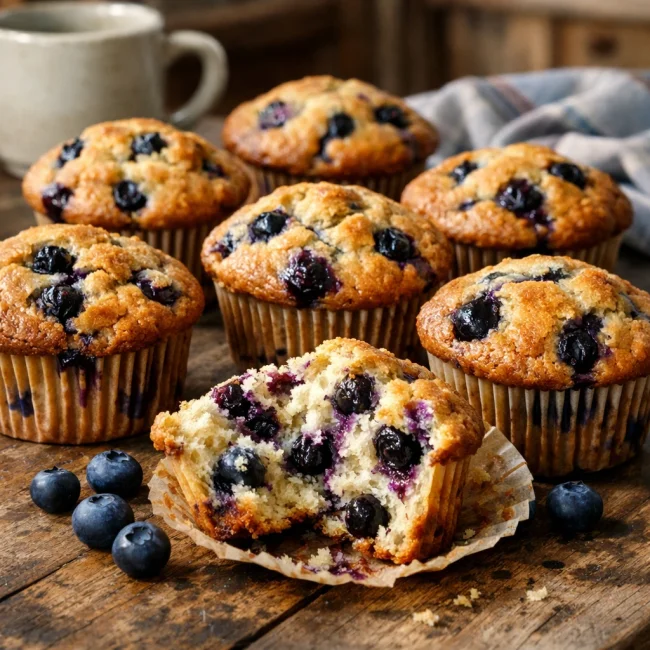
Old-Fashioned Blueberry Muffins
Transport yourself to simpler times with these delightful old-fashioned blueberry ...
View Recipe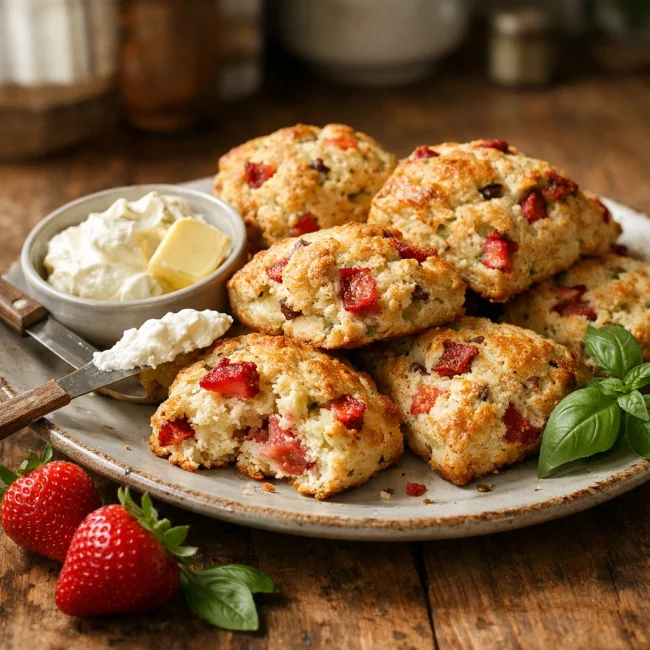
Strawberry Basil Scones
These tender scones combine the sweetness of fresh strawberries with a hint of pep...
View Recipe