
Traditional Home-Baked White Bread
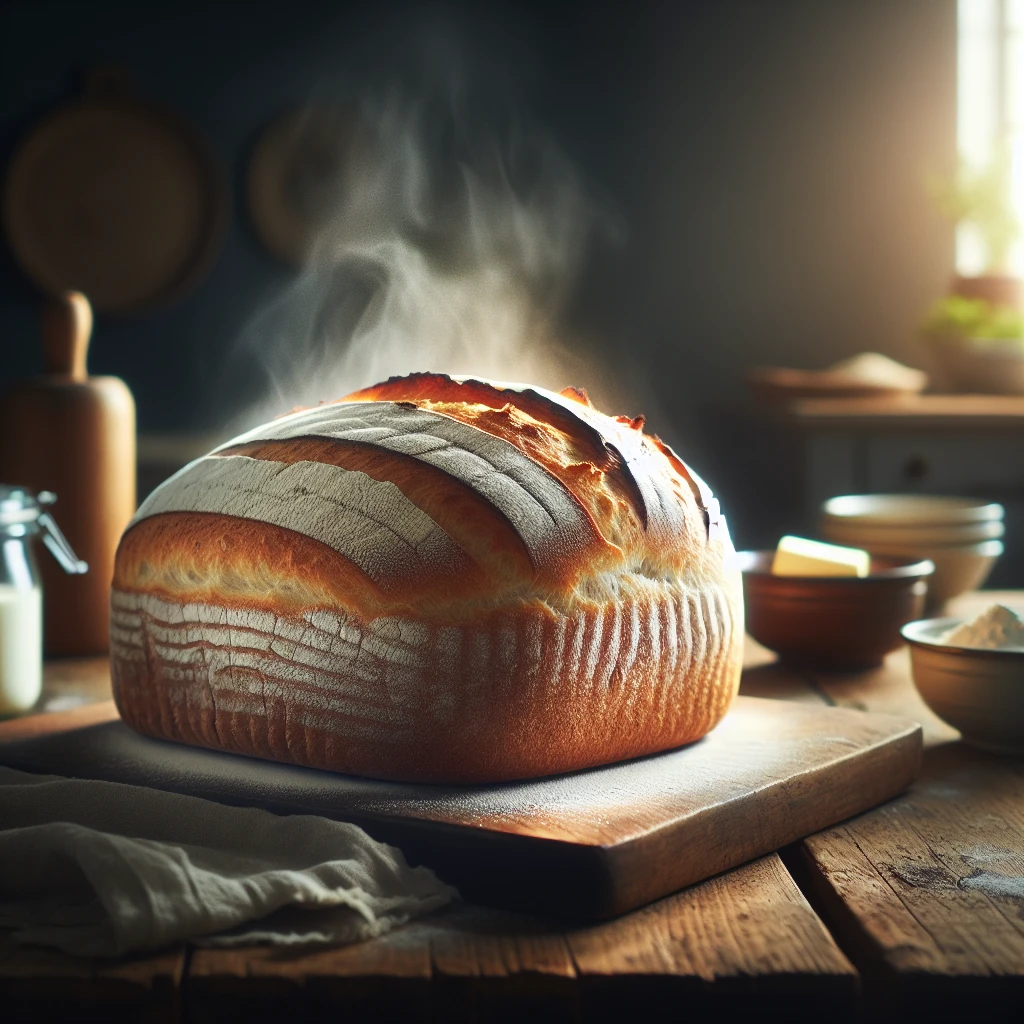
This traditional home-baked white bread is the epitome of comfort and simplicity. It's the kind of recipe that makes your house smell like a cozy bakery and rewards you with soft, fluffy loaves that are perfect for any occasion.
 Share
Share
This post may contain affiliate links. As an Amazon Associate, we earn from qualifying purchases.
Ingredients for Traditional Home-Baked White Bread
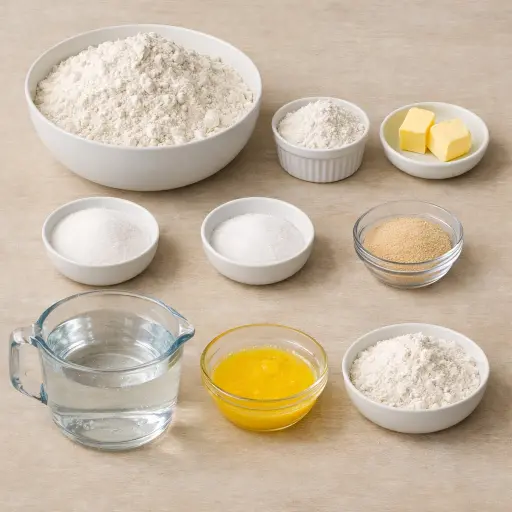
Flour is the base of your bread, providing structure. All-purpose flour works perfectly here for a soft crumb. Sugar feeds the yeast, helping the dough rise with a hint of sweetness. Salt enhances the flavor, balancing the sweetness and providing depth. Active dry yeast is the rising agent that gives the bread its airy texture. Warm water activates the yeast; ensure it's not too hot to avoid killing the yeast. Unsalted butter adds richness and tenderness to the bread.
Why This Traditional Home-Baked White Bread Works
When the warm water, sugar, and yeast sit together, the yeast wakes up and starts to bubble. As it wakes up, it feeds on the sugar and gives off tiny gas bubbles. Those bubbles are what later make the bread rise and stay light instead of dense.
Once the flour, salt, and butter go in, the flour soaks up the water and starts to form stretchy strands. During kneading, those strands get stronger and more organized. The dough changes from sticky and rough to smooth and elastic, which means it can trap the gas from the yeast without tearing. The butter coats some of the flour and keeps the bread softer and less chewy.
During both rises, the yeast slowly fills the dough with more gas, so the loaves puff up and feel airy. In the oven, the heat makes the gas expand fast, then the dough sets in place. The crust turns golden and firm, while the inside stays soft and even, with small holes spread through the bread.
Traditional Home-Baked White Bread Tips & Tricks
- If your kitchen is cool, let the dough rise in an oven that's been slightly warmed and then turned off.
- For an extra-crispy crust, brush the loaves with water before popping them in the oven.
- To check if the bread is done, use an instant-read thermometer. It should register between 190°F and 210°F internally.
Mistakes To Avoid
Using water that is too hot kills the yeast before the dough even forms. The mixture may never get foamy, and the dough will stay dense and heavy in the oven instead of rising into soft loaves.
Adding the salt directly onto the yeast mixture and letting it sit there can weaken the yeast. The dough might rise very slowly or only a little, so the baked bread comes out short, tight, and chewy instead of light.
Cutting the kneading time short leaves the dough weak and uneven. In the oven, this kind of dough often rises in odd shapes, tears on top, and bakes up with a coarse, crumbly texture instead of a smooth, stretchy crumb.
Letting the dough rise far past “doubled” in either rise makes it collapse later. The loaves can sink in the center while baking and come out flat with a gummy, wet interior.
Slicing the bread while it is still hot traps steam inside. The slices squash easily, the crumb turns pasty, and the texture never sets into firm, even pieces.
Equipment Used:
Large mixing bowl, Loaf pans, Measuring cups and spoons, Oven, Wire rack
Ingredients
- 5 cups all-purpose flour
- 2 tablespoons sugar
- 1 tablespoon salt
- 1 packet (2 1/4 teaspoons) active dry yeast
- 2 cups warm water (110°F)
- 2 tablespoons unsalted butter, melted
- Additional flour for kneading
- Butter for greasing
Step-by-step Instructions
- 1. In a large bowl, combine warm water, sugar, and yeast. Let sit for 5-10 minutes until foamy.
- 2. Add flour, salt, and melted butter to the yeast mixture. Mix until a dough begins to form.
- 3. Turn the dough onto a floured surface and knead for about 8-10 minutes until smooth and elastic.
- 4. Place the dough in a greased bowl, cover with a damp cloth, and let rise in a warm place for about 1 hour or until doubled in size.
- 5. Punch down the dough, divide it into two equal parts, and shape each into a loaf.
- 6. Place the loaves in greased 9x5 inch loaf pans, cover, and let rise again for 30-40 minutes until doubled.
- 7. Preheat the oven to 375°F (190°C).
- 8. Bake the loaves for 25-30 minutes or until the tops are golden brown and the bread sounds hollow when tapped.
- 9. Remove from the oven and let cool slightly before removing from the pans. Cool completely on a wire rack.
Trending Now

Oven-Baked Pork Chops
Enjoy a delightful dinner with these tender and juicy oven-baked pork chops, seaso...
View Recipe
Traditional Corn Casserole
A delightful corn casserole dish that embodies the comforting flavors of sweet cor...
View Recipe
Traditional Cucumber and Tomato Salad
A refreshing and simple salad combining crisp cucumbers and juicy tomatoes, season...
View Recipe
Savory Zucchini Bread
Savory Zucchini Bread is a delectable twist on traditional zucchini recipes, combi...
View RecipeFrequently Asked Questions
- Can I use instant yeast instead of active dry yeast?
- Yes, you can substitute instant yeast, but you can skip the initial proofing step.
- How do I store the bread?
- Once completely cool, store the bread in a plastic bag or bread box to maintain moisture.
- Can I freeze the bread?
- Absolutely! Wrap the loaves in plastic wrap and then in foil before freezing. Thaw at room temperature when ready to enjoy.
Serving Ideas for Traditional Home-Baked White Bread
This bread is perfect for sandwiches, slathered with butter and jam, or served alongside hearty soups and stews. For a delightful breakfast, try toasting slices and topping them with avocado and a poached egg.
More Breads & Baked Goods Recipes

Traditional Italian Easter Bread
Savor the delightful taste of a classic Italian Easter bread, a sweet, soft, and s...
View Recipe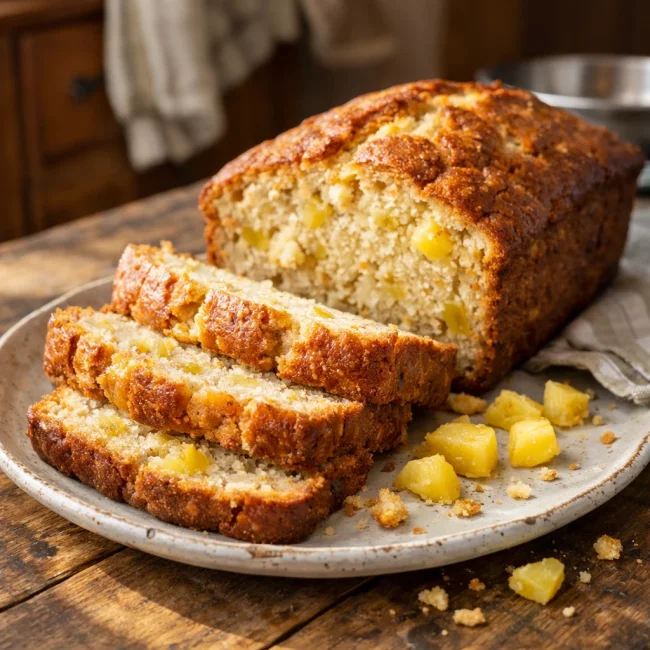
Old-Fashioned Pineapple Bread
A delightful and flavorful bread infused with juicy pineapple, perfect for breakfa...
View Recipe
Old-Fashioned Blueberry Muffins
Transport yourself to simpler times with these delightful old-fashioned blueberry ...
View Recipe
Strawberry Basil Scones
These tender scones combine the sweetness of fresh strawberries with a hint of pep...
View Recipe