
Traditional Handmade Pasta
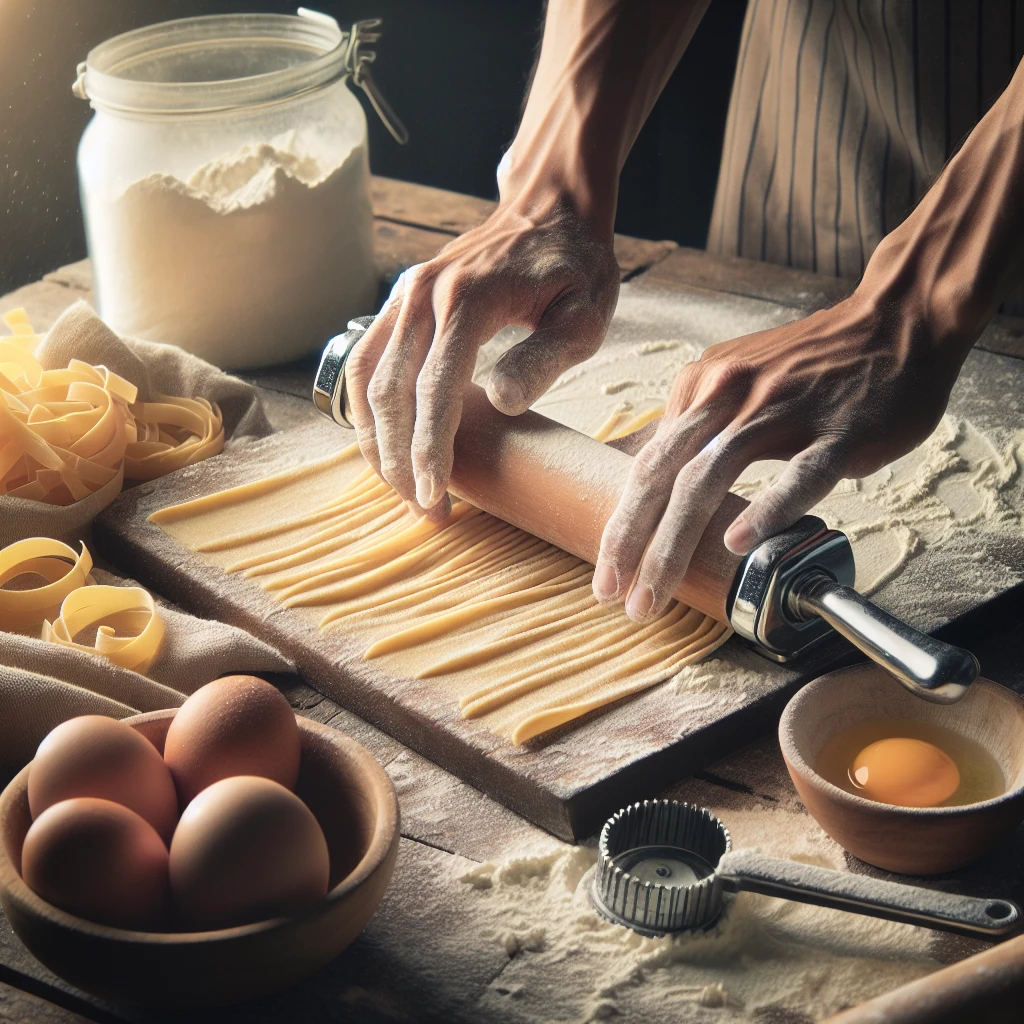
There's something truly satisfying about making pasta by hand. This traditional handmade pasta recipe is simple, yet it brings a rustic, authentic touch to your table that store-bought pasta just can't compete with. Perfect for a cozy weekday dinner or an impressive weekend feast.
 Share
Share
This post may contain affiliate links. As an Amazon Associate, we earn from qualifying purchases.
Ingredients for Traditional Handmade Pasta
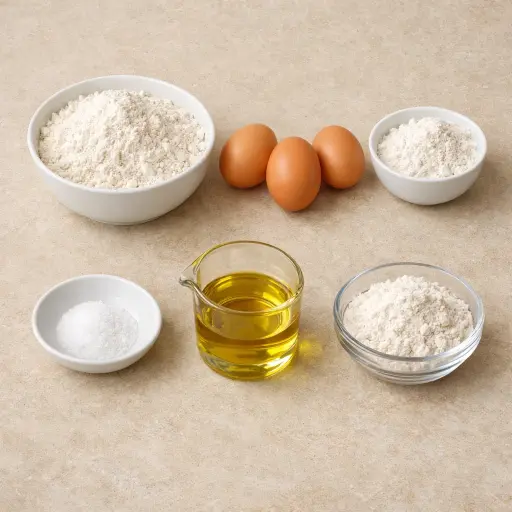
Flour: The backbone of our pasta, providing structure and chewiness. Opt for all-purpose flour for a balanced texture, but if you’re feeling adventurous, try mixing in some semolina for a firmer bite.
Eggs: These are the glue that binds your dough together, adding richness and color to your pasta. Fresh eggs can enhance the flavor and texture, so use them if you can.
Salt: Just a pinch brings out the natural flavors of your ingredients. It's subtle but essential.
Olive Oil: Adds a hint of flavor and helps make the dough more pliable and easy to work with.
Why This Traditional Handmade Pasta Works
When the eggs, flour, salt, and olive oil first meet, everything feels rough and shaggy. As the fork pulls more flour into the eggs, the dough starts to come together and lose that sticky, wet feel. During the long knead, the flour and eggs really lock in with each other. The dough goes from lumpy and streaky to smooth and stretchy. It starts to spring back a little when pressed, which means it can hold its shape when rolled and cut.
While the dough rests, the flour has time to fully soak up the moisture from the eggs and oil. The tight, worked-up dough relaxes, so it rolls out easier and doesn’t snap back. Once the pasta hits the boiling salted water, the outside cooks fast and firms up, while the inside stays a bit tender. In just a few minutes, the strands or shapes hold together but still have a slight chew, giving that classic al dente bite instead of turning soft and mushy.
Traditional Handmade Pasta Tips & Tricks
- If your dough is too sticky, sprinkle a bit more flour. If it's too dry, wet your hands and knead again.
- Use a bench scraper to help fold in the flour when mixing the dough, minimizing mess.
- When cutting pasta, dust the sheets lightly with flour to prevent sticking.
- If you don't have a pasta machine, roll the dough as thinly as possible with a rolling pin for best results.
Mistakes To Avoid
Rolling the dough too thick leads to pasta that takes longer to cook on the outside while the center stays tough and chewy. The water softens only the outer layer, so the middle never really loosens up and the pieces feel heavy and doughy instead of springy.
Skipping the resting time after kneading keeps the gluten tight and tense. When the dough is rolled right away, it keeps shrinking back, so it ends up uneven in thickness and the pasta cooks at different speeds, with some pieces turning mushy while others stay firm.
Adding too much extra flour while kneading or rolling makes the dough stiff and dry. In the pot, this kind of dough doesn’t relax in the water and the pasta stays hard and chalky instead of tender.
Boiling the pasta for too long turns it soft and swollen. The pieces soak up too much water, lose their shape, and can break apart when tossed with sauce instead of holding a nice bite.
Equipment Used:
Ingredients
- 2 cups all-purpose flour
- 3 large eggs
- 1/2 tsp salt
- 1 tbsp olive oil
- Extra flour for dusting
Step-by-step Instructions
- 1. On a clean surface, mound the flour and create a well in the center.
- 2. Crack the eggs into the well, add salt and olive oil.
- 3. Slowly incorporate the flour into the eggs, using a fork.
- 4. Knead the dough for about 10 minutes until smooth.
- 5. Wrap the dough in plastic wrap and let it rest for 30 minutes.
- 6. Roll out the dough to desired thickness and cut into preferred pasta shapes.
- 7. Boil in salted water for 2-4 minutes until al dente.
- 8. Drain and serve with your favorite sauce.
Trending Now
Old-Fashioned Bread Pudding
Discover the classic charm of Old-Fashioned Bread Pudding - a timeless dessert com...
View Recipe
Traditional Italian Bruschetta
Experience the authentic taste of Italian bruschetta, a perfect blend of fresh tom...
View Recipe
Classic Green Beans
Discover the timeless delight of Classic Green Beans, a simple yet flavorful side ...
View Recipe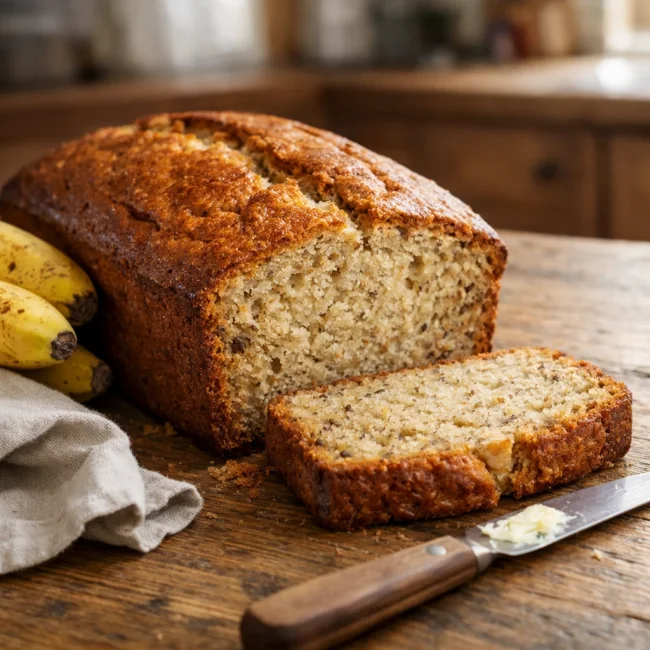
Classic Banana Bread
Classic Banana Bread is a timeless dessert beloved for its moist texture and sweet...
View RecipeFrequently Asked Questions
- Can I make the dough in advance?
- Yes, you can prepare the dough up to a day ahead. Keep it wrapped in plastic wrap in the fridge and allow it to come to room temperature before rolling.
- Can I freeze the pasta?
- Yes, lay the cut pasta on a baking sheet, freeze until solid, then transfer to a freezer bag. Cook directly from frozen, adding an extra minute or two to the cooking time.
- What if I don't have a pasta machine?
- No worries! A rolling pin works fine. Just aim for an even, thin sheet and use a knife to cut your pasta shapes.
Serving Ideas for Traditional Handmade Pasta
This pasta pairs wonderfully with a homemade tomato sauce or a creamy Alfredo. For a lighter option, toss with olive oil, garlic, and a sprinkle of Parmesan. A side of garlic bread and a simple green salad make for a complete meal.
More Pasta Recipes
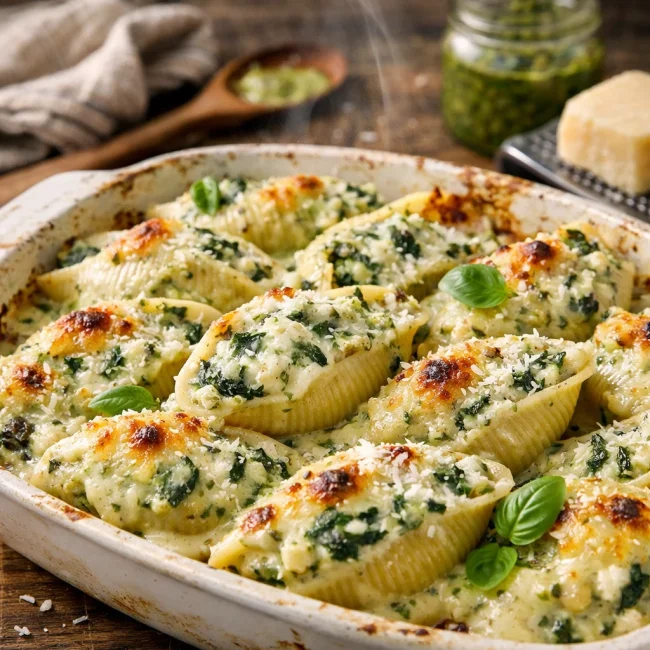
Spinach and Ricotta Stuffed Shells with Pesto Alfredo
Try this delicious twist on classic stuffed shells with a creamy pesto Alfredo sau...
View Recipe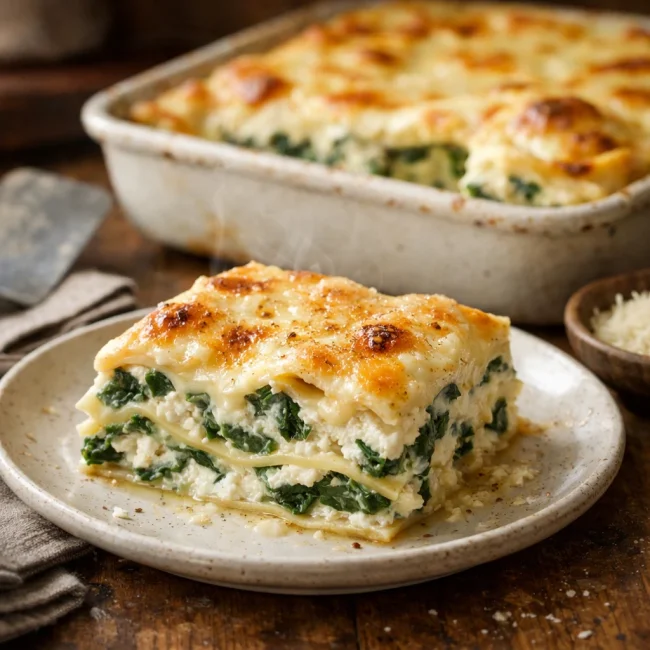
Spinach and Ricotta White Lasagna
A unique twist on the classic lasagna, this white lasagna combines creamy ricotta,...
View Recipe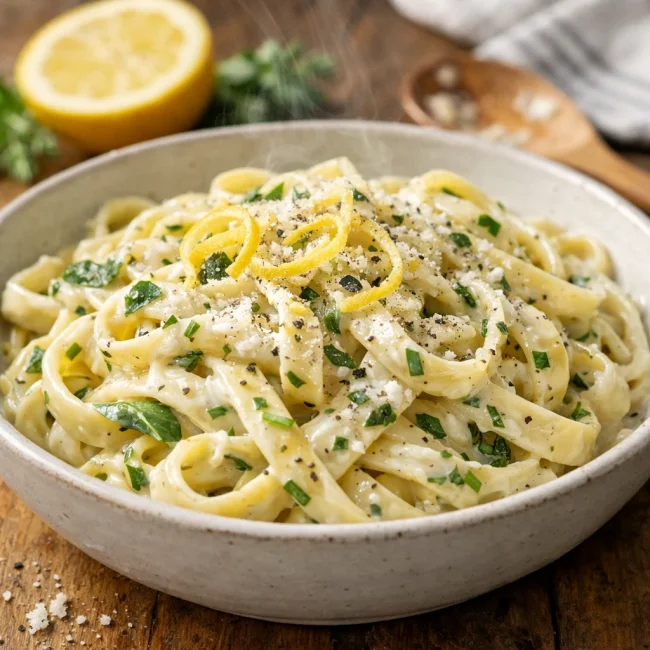
Lemon Herb Fettuccine Alfredo
Lemon Herb Fettuccine Alfredo is a refreshing twist on the classic dish, combining...
View Recipe
Truffle Mac and Cheese
Experience the ultimate comfort food with a gourmet twist in this Truffle Mac and ...
View Recipe