
Traditional Handmade Egg Noodles
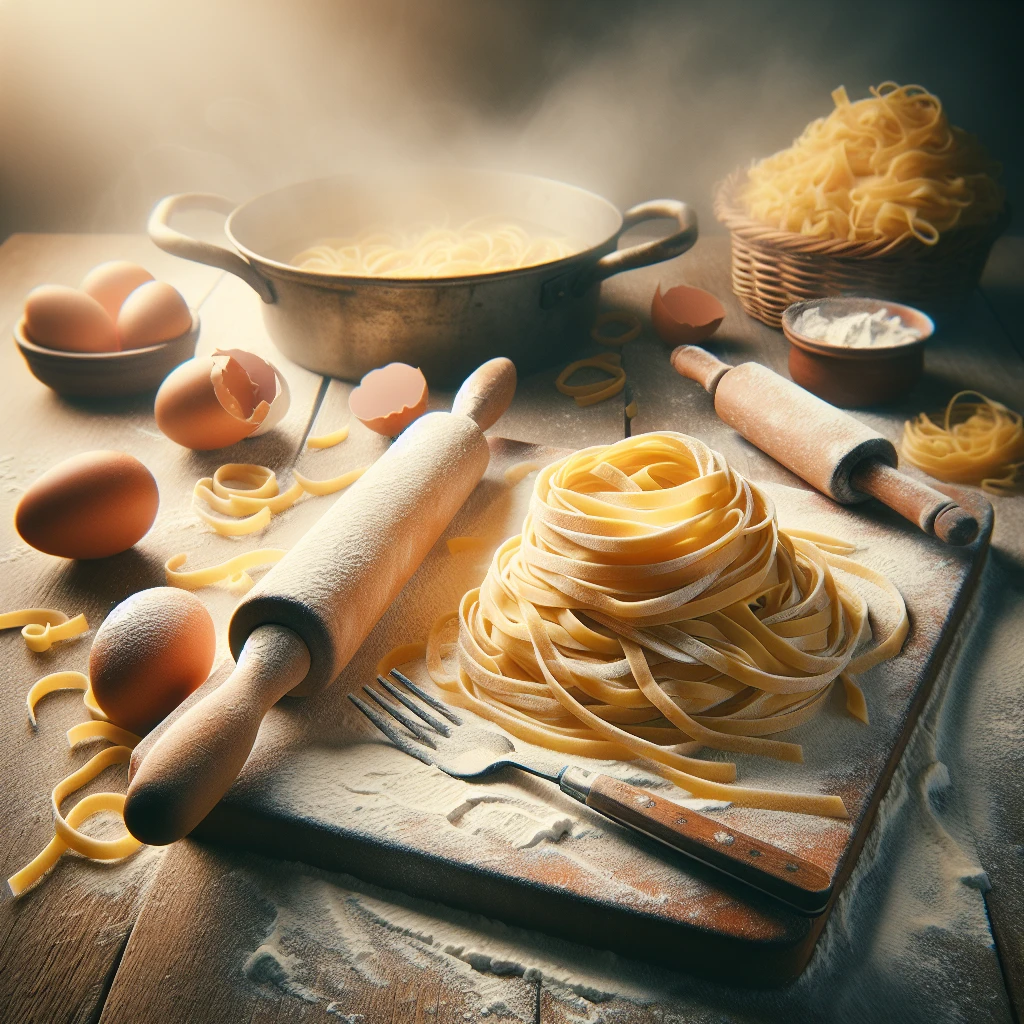
There's something undeniably satisfying about making your own pasta, and these Traditional Handmade Egg Noodles are no exception. With just a few simple ingredients, you can create a dish that's both humble and heartwarming, perfect for any meal.
 Share
Share
This post may contain affiliate links. As an Amazon Associate, we earn from qualifying purchases.
Ingredients for Traditional Handmade Egg Noodles
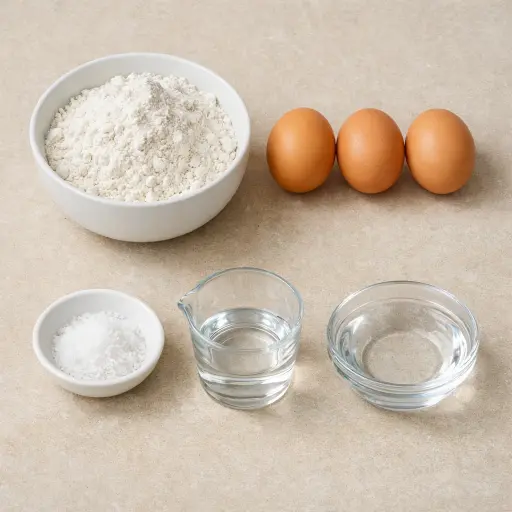
All-purpose flour is the backbone of this recipe, providing structure and texture to the noodles. It's versatile and available in most kitchens. Eggs bring richness and color to the dough, helping to bind it all together. The salt enhances the flavor, making the noodles stand alone even in simple dishes. Finally, a touch of water may be needed to achieve the perfect dough consistency, ensuring it holds together without being sticky.
Why This Traditional Handmade Egg Noodles Works
At the start, the flour and eggs look separate, but as the eggs are beaten into the flour, the liquid from the eggs soaks into the flour. The flour drinks up that moisture and starts to form a rough, shaggy dough. Salt is mixed in right away so it spreads through the dough instead of sitting on the outside. A tiny bit of water is only added if needed, so the dough stays firm instead of sticky.
During kneading, the dough changes from rough and lumpy to smooth and stretchy. Pushing and folding the dough again and again lines up the proteins in the flour, so the dough can stretch without tearing. That strong, elastic dough is what lets the noodles hold their shape in boiling water instead of falling apart.
Once the dough rests, it relaxes and softens a bit, so it rolls out thinner without springing back. Thin sheets dry slightly on the surface as they sit, which keeps the cut noodles from sticking together. In the pot, the hot water cooks the egg and sets the flour structure. After just a few minutes, the noodles stay firm in the center but tender on the outside, giving that chewy, “al dente” bite.
Traditional Handmade Egg Noodles Tips & Tricks
- Use a pasta machine if you have one, for perfectly even noodles.
- If the dough is too sticky, sprinkle a bit more flour on your work surface.
- Let the dough rest covered to prevent it from drying out.
Mistakes To Avoid
Adding too much water at the start turns the dough sticky and soft instead of firm. Once it’s like this, extra flour has to be worked in, and that long extra kneading makes the noodles tough and chewy instead of springy.
Skipping or shortening the kneading time leaves the dough streaky and uneven. Parts of the dough stay weak and tear when rolled, and those thin weak spots overcook fast in the pot while thicker parts stay a bit doughy.
Rolling the dough too thick means the noodles need longer in the water to cook through. By the time the center is done, the outside turns heavy and gummy instead of having a slight bite.
Cutting the noodles very unevenly causes some pieces to cook much faster than others. Thin strands go soft and start to fall apart while the thicker ones still have a raw, floury center.
Boiling the noodles for too long makes them swell and lose their shape. They come out bloated and mushy, and once drained they stick together in a clump instead of staying separate.
Equipment Used:
Ingredients
- 2 cups all-purpose flour
- 3 large eggs
- 1 teaspoon salt
- 1 tablespoon water (as needed)
Step-by-step Instructions
- 1. In a large bowl, combine the flour and salt. Make a well in the center and crack the eggs into this well.
- 2. Using a fork, gently beat the eggs, gradually incorporating the flour until a dough forms.
- 3. If the dough is too dry, add water, a teaspoon at a time, until the dough comes together.
- 4. Knead the dough on a lightly floured surface for about 10 minutes, or until smooth and elastic.
- 5. Wrap the dough in plastic wrap and let it rest for 30 minutes.
- 6. Roll out the dough into a thin sheet and cut into desired noodle shapes.
- 7. Boil in salted water for 2-4 minutes, until al dente. Drain and serve immediately.
Trending Now
Old-Fashioned Bread Pudding
Discover the classic charm of Old-Fashioned Bread Pudding - a timeless dessert com...
View Recipe
Traditional Italian Bruschetta
Experience the authentic taste of Italian bruschetta, a perfect blend of fresh tom...
View Recipe
Classic Green Beans
Discover the timeless delight of Classic Green Beans, a simple yet flavorful side ...
View Recipe
Classic Banana Bread
Classic Banana Bread is a timeless dessert beloved for its moist texture and sweet...
View RecipeFrequently Asked Questions
- Can I make the dough ahead of time?
- Yes, you can refrigerate the dough wrapped in plastic for up to 24 hours.
- Can these noodles be frozen?
- Definitely! Freeze the cut noodles on a baking sheet, then transfer to a freezer bag once solid.
- What if I don't have a rolling pin?
- A wine bottle or similar cylindrical object can be a good substitute.
Serving Ideas for Traditional Handmade Egg Noodles
These noodles are incredibly versatile. Serve them with a rich, hearty meat sauce or keep it simple with olive oil, garlic, and freshly grated Parmesan. They also work beautifully in a stir-fry or as a base for a creamy Alfredo.
More Pasta Recipes
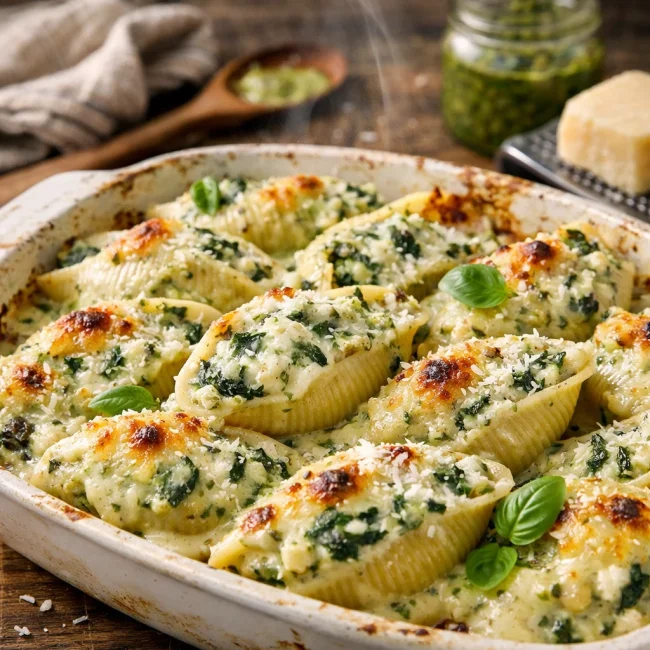
Spinach and Ricotta Stuffed Shells with Pesto Alfredo
Try this delicious twist on classic stuffed shells with a creamy pesto Alfredo sau...
View Recipe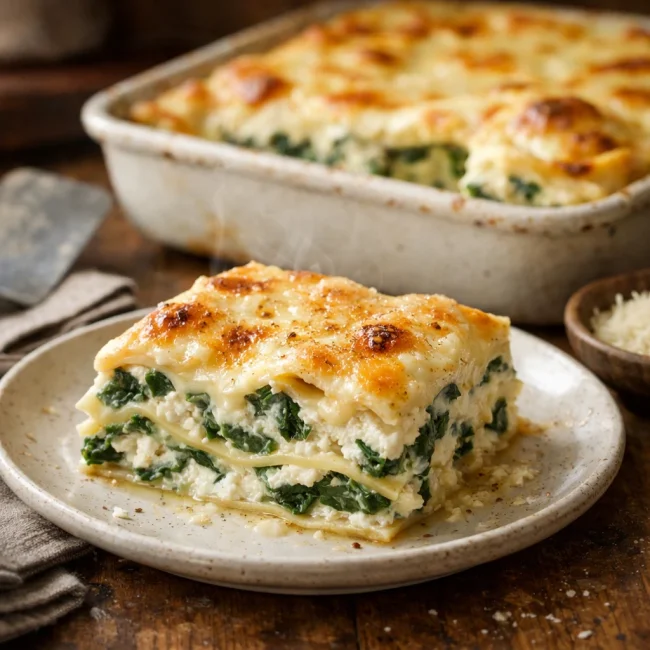
Spinach and Ricotta White Lasagna
A unique twist on the classic lasagna, this white lasagna combines creamy ricotta,...
View Recipe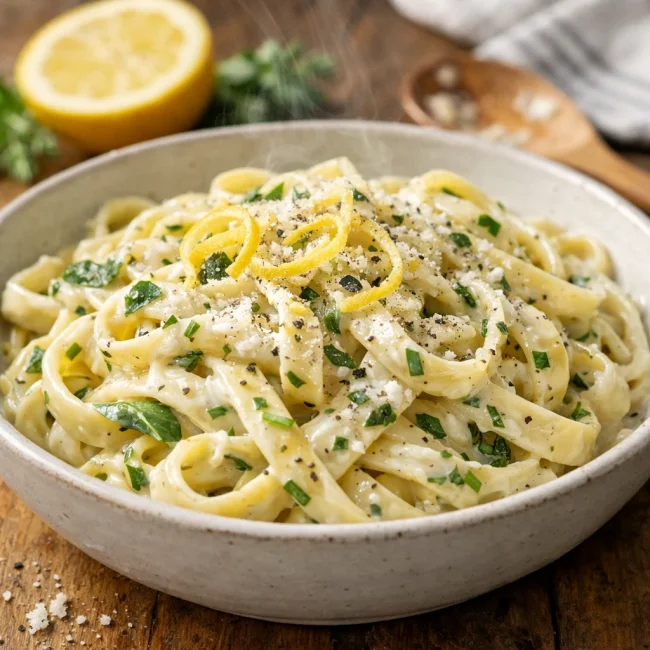
Lemon Herb Fettuccine Alfredo
Lemon Herb Fettuccine Alfredo is a refreshing twist on the classic dish, combining...
View Recipe
Truffle Mac and Cheese
Experience the ultimate comfort food with a gourmet twist in this Truffle Mac and ...
View Recipe