
Traditional Glazed Ham
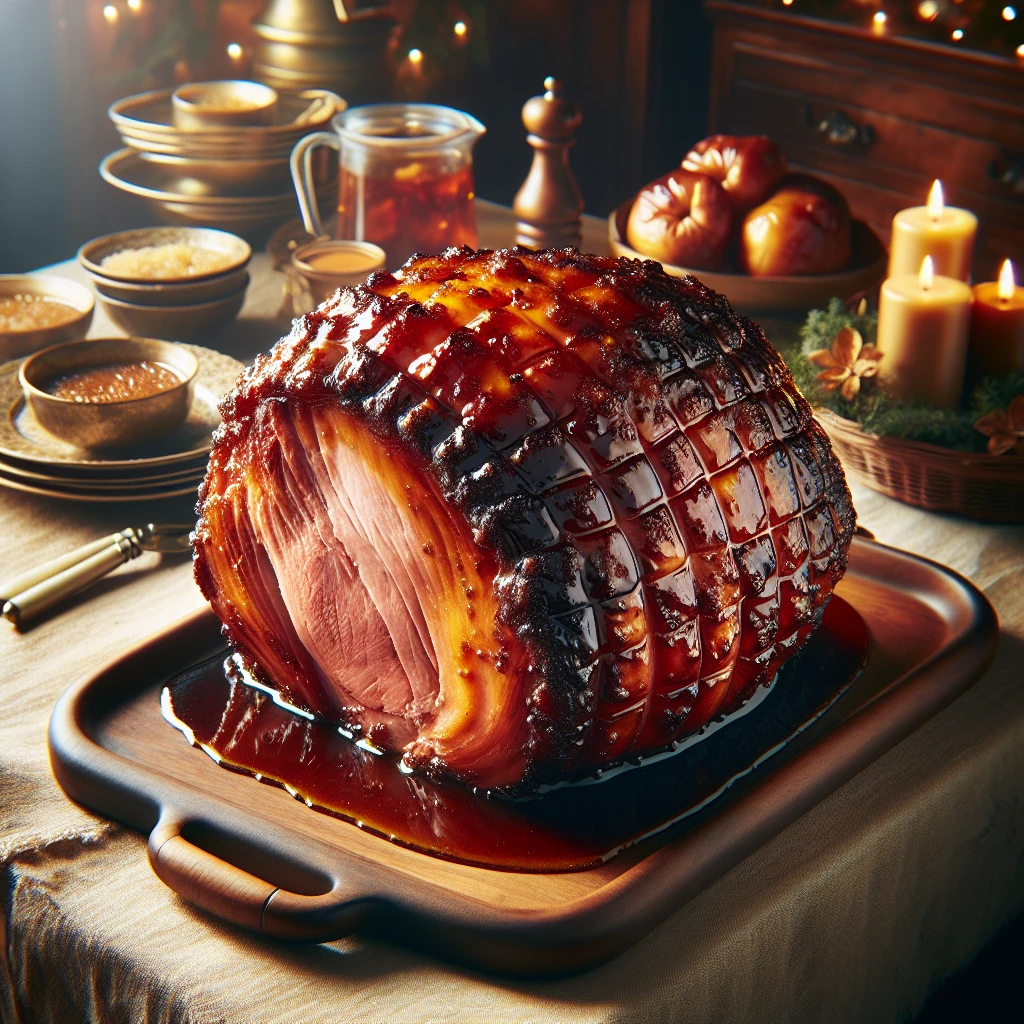
Traditional Glazed Ham is a showstopper at any gathering, offering a perfect blend of savory and sweet flavors. This classic dish is ideal for holidays or any special occasion where you want to impress without stress.
 Share
Share
This post may contain affiliate links. As an Amazon Associate, we earn from qualifying purchases.
Ingredients for Traditional Glazed Ham
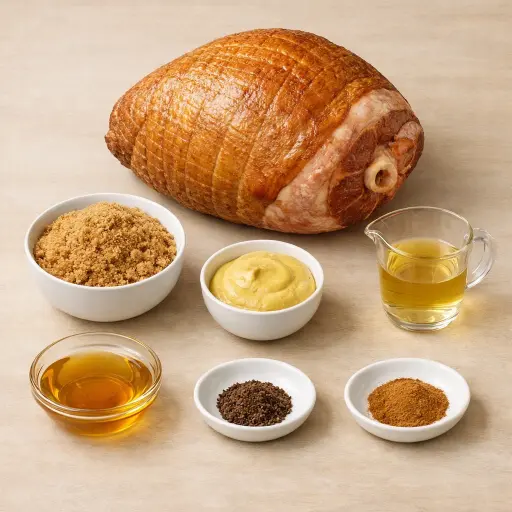
Ham is the star of the show, providing a rich, savory base that pairs perfectly with sweet glazes. Choose a bone-in variety for maximum flavor. Brown sugar adds a deep sweetness that balances the saltiness of the ham. Dijon mustard offers a subtle tanginess that cuts through the sweetness for a more complex flavor profile. Apple cider vinegar brings a bit of acidity to brighten the glaze. Honey adds a smooth, floral sweetness that complements the other ingredients. Finally, ground cloves and cinnamon introduce warm, aromatic notes that elevate the overall flavor.
Why This Traditional Glazed Ham Works
In the oven, the ham warms up slowly, so the inside heats through without drying out. Scoring the surface opens little paths in the fat and skin, so the glaze can sink into the meat instead of just sitting on top. While it bakes under the foil, the ham steams in its own juices and stays moist, and the first layer of brown sugar and mustard starts to stick to the outside.
As the temperature goes up at the end, the sugar, honey, and mustard on the surface start to bubble and thicken. The glaze tightens into a shiny coat that clings to the scored edges and any exposed fat. Those edges brown and firm up a bit, giving a chewy, sticky crust while the inside stays tender. Resting at the end lets the hot juices settle back into the ham, so when it is sliced, the pieces stay juicy instead of leaking all over the cutting board.
Traditional Glazed Ham Tips & Tricks
- Use a sharp knife for scoring the ham to make clean cuts without tearing the meat.
- For a thicker glaze, reduce the mixture on the stove over low heat before applying.
- Check the ham’s temperature with a meat thermometer for accuracy.
- To prevent sticking, line your roasting pan with parchment paper.
Mistakes To Avoid
Letting the ham overcook, especially after the oven is raised to 400°F, can make the meat tough and dry instead of juicy. The outside glaze may look beautiful and sticky, but inside the slices turn stringy and hard to chew.
Putting the ham in the oven straight from the fridge often leads to uneven heating. The outside warms and dries out while the center stays cooler for longer, so by the time the middle reaches 140°F, the outer layers can be overcooked.
Skipping the scoring step leaves the surface smooth, so the glaze mostly slides off instead of soaking into the meat. The result is a thick, sweet crust on the outside and fairly plain-tasting slices inside, with less of that sticky coating in each piece.
Pouring all the glaze on at the start causes it to burn during the long bake at 325°F. The sugar darkens too fast, forming a hard, bitter crust while the ham underneath is still gently heating.
Equipment Used:
Ingredients
- 1 whole bone-in ham (10-12 lbs)
- 2 cups brown sugar
- 1/2 cup Dijon mustard
- 1/4 cup apple cider vinegar
- 1/4 cup honey
- 1/2 teaspoon ground cloves
- 1/2 teaspoon ground cinnamon
Step-by-step Instructions
- 1. Preheat your oven to 325°F (163°C).
- 2. Score the surface of the ham in a diamond pattern and place it in a roasting pan.
- 3. In a bowl, mix together brown sugar, Dijon mustard, apple cider vinegar, honey, cloves, and cinnamon to form the glaze.
- 4. Brush half of the glaze over the ham, ensuring it gets into the scored cuts.
- 5. Cover the ham loosely with aluminum foil.
- 6. Bake in the preheated oven for 1 1/2 hours.
- 7. Remove the foil and apply the remaining glaze.
- 8. Increase the oven temperature to 400°F (204°C) and bake for an additional 20-30 minutes until the glaze is caramelized and the internal temperature of the ham reaches 140°F (60°C).
- 9. Let the ham rest for 10 minutes before slicing and serving.
Trending Now
Classic Banana Bread
Classic Banana Bread is a timeless dessert beloved for its moist texture and sweet...
View Recipe
Classic Cucumber Salad
A refreshing and light cucumber salad featuring crisp cucumbers and a tangy vinaig...
View Recipe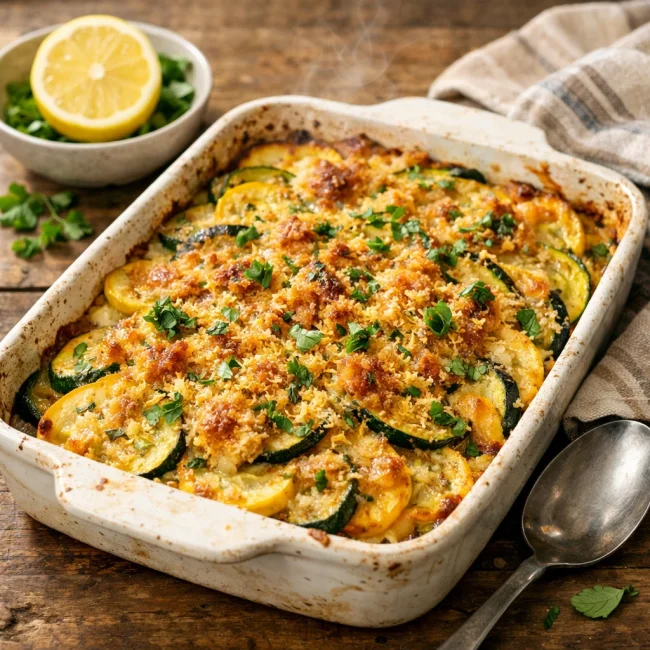
Zesty Summer Squash Casserole
This delightful summer squash casserole combines vibrant garden-fresh vegetables w...
View Recipe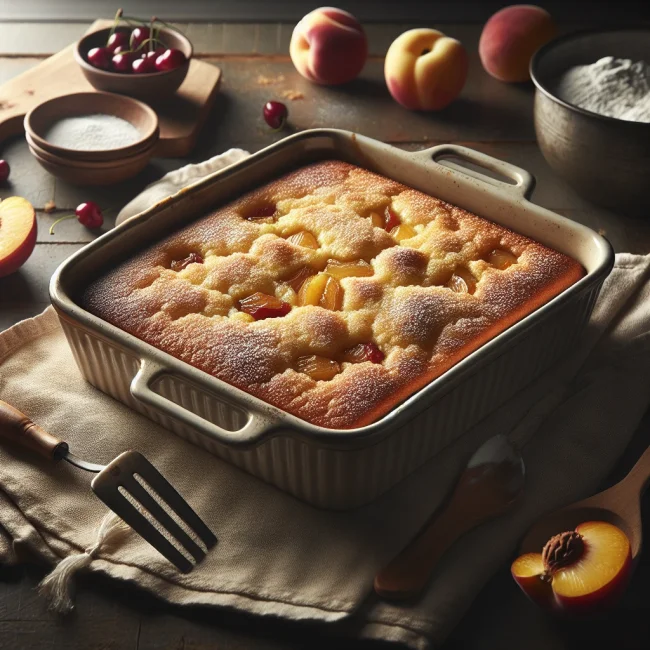
Traditional Dump Cake
Discover the timeless delight of the Traditional Dump Cake, a simple and scrumptio...
View RecipeFrequently Asked Questions
- Can I use a spiral-cut ham?
- Yes, but be cautious as it might dry out faster. Adjust the cooking time accordingly.
- What if I don't have Dijon mustard?
- Yellow mustard can work in a pinch, though it will alter the taste slightly.
- How do I store leftovers?
- Wrap tightly in foil or plastic wrap and refrigerate for up to a week. It can also be frozen for longer storage.
Serving Ideas for Traditional Glazed Ham
This glazed ham pairs beautifully with roasted vegetables like Brussels sprouts or carrots. A side of creamy mashed potatoes or a tangy coleslaw can also complement the flavors perfectly. For an elevated touch, serve with a warm apple compote or cranberry sauce.
More Main Dishes Recipes
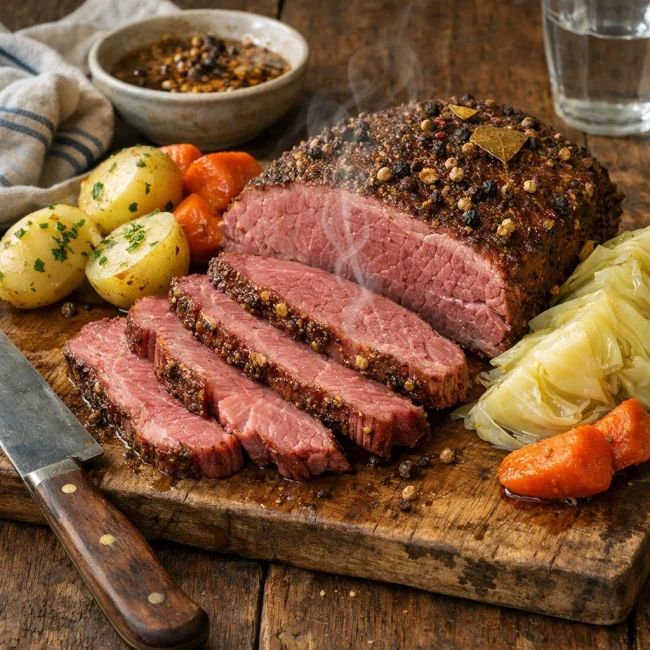
Unique Homemade Corned Beef
Discover the ultimate homemade corned beef recipe that balances rich flavors and t...
View Recipe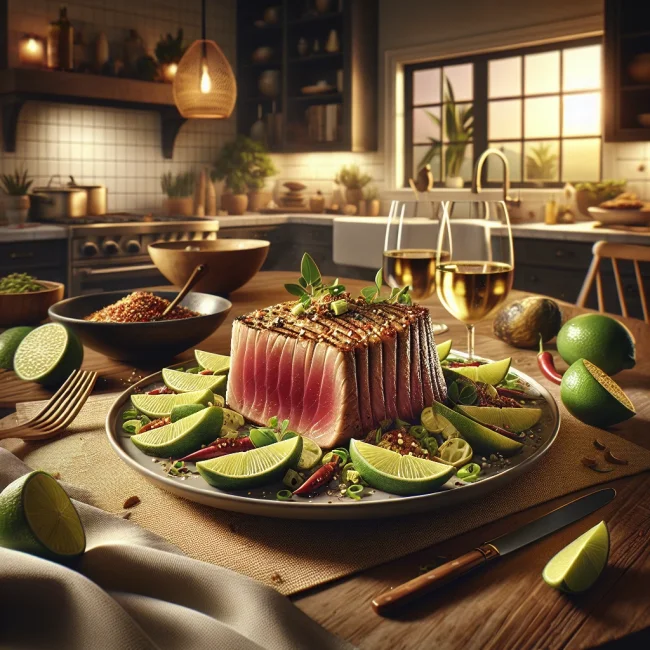
Spicy Lime Seared Ahi Tuna
Experience a burst of flavor with our Spicy Lime Seared Ahi Tuna, a perfect fusion...
View Recipe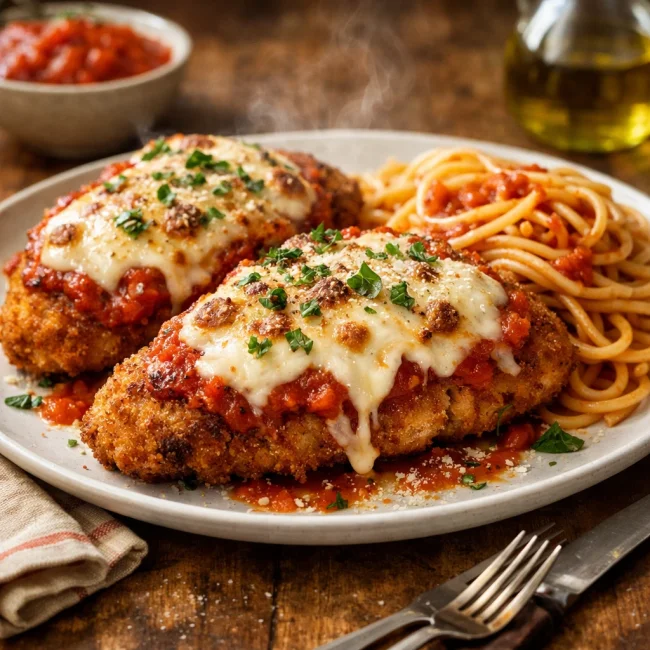
Traditional Chicken Parmesan
Savor the authentic taste of Italian cuisine with our Traditional Chicken Parmesan...
View Recipe
Seared Ahi Tuna
Experience the sublime taste of seared Ahi tuna, a Japanese-inspired dish that hig...
View Recipe