
Traditional German Lebkuchen
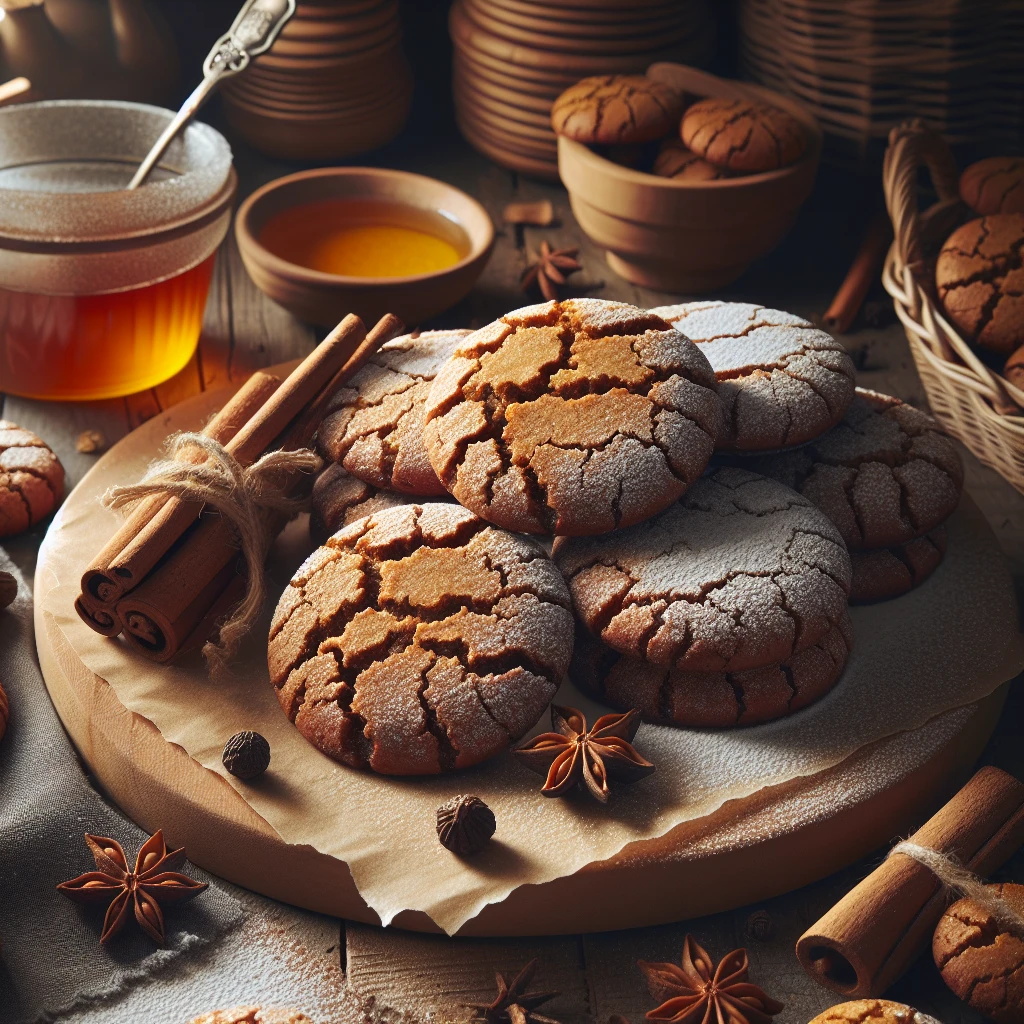
Traditional German Lebkuchen is a festive treat that combines the richness of honey and spices with the warmth of the holiday season. These cookies are a beloved staple in Germany, often enjoyed during Christmas markets. They’re soft, flavorful, and perfect for sharing with family and friends.
 Share
Share
This post may contain affiliate links. As an Amazon Associate, we earn from qualifying purchases.
Ingredients for Traditional German Lebkuchen
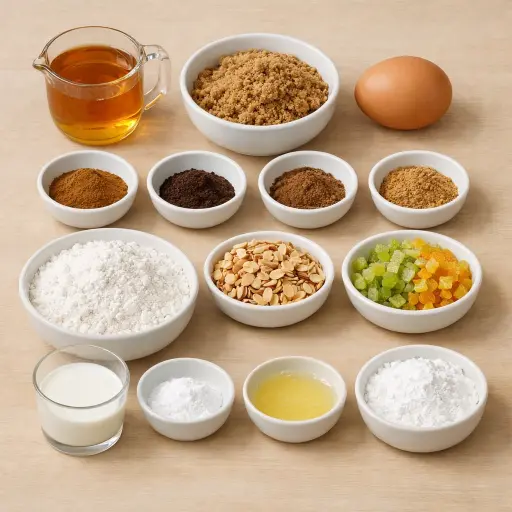
Honey is the sweet base of these cookies, providing moisture and a rich, natural sweetness that pairs beautifully with spices. Brown sugar adds a depth of flavor and a slight molasses note. Egg helps bind everything together, ensuring a tender cookie. The spice trio of cinnamon, cloves, allspice, and a hint of nutmeg infuses each bite with warmth and aroma. All-purpose flour forms the structure of the dough, while baking soda provides a bit of lift. Chopped almonds bring a delightful crunch, and the candied citron and orange peel add a touch of citrusy sweetness. A simple glaze of milk and lemon juice finishes these with a tangy touch, dusted with confectioners’ sugar for a snowy look.
Why This Traditional German Lebkuchen Works
As the honey and brown sugar warm on the stove, they melt together into a thick syrup. That hot syrup soaks into the flour later and acts like glue, so the dough holds together without needing a lot of fat. When the egg goes in, it firms up during baking and gives the cookies a chewy, cake‑like bite instead of a crumbly one.
Once the flour and baking soda are mixed in, the dough is soft but not runny. In the oven, the baking soda reacts with the warm honey mixture and egg, so the cookies puff a little instead of staying dense. The nuts and candied fruit stay suspended in that dough, so every bite has some pieces instead of them sinking or falling out.
During baking, the outside dries and turns lightly golden while the inside stays a bit soft. After the cookies cool, the milk and lemon juice wash soaks into the surface just enough to make a thin, sticky layer that grabs the powdered sugar and keeps the tops tender.
Traditional German Lebkuchen Tips & Tricks
- Use room temperature egg to ensure it blends smoothly into the warm honey mixture.
- If the dough is too sticky to handle, chill it in the refrigerator for 30 minutes before shaping.
- For a more intense citrus flavor, add a bit more candied orange peel.
- Store in an airtight container to keep the cookies soft and chewy.
Mistakes To Avoid
Pouring the egg into the honey–sugar mixture while it is still very hot can partially cook the egg on contact. This creates little scrambled bits that don’t blend into the dough, so the cookies bake up with odd rubbery spots and an uneven texture.
Adding the flour all at once and barely mixing can leave dry pockets of flour in the dough. Those dry spots don’t hydrate in the oven and turn into hard, floury lumps inside the otherwise soft cookie.
On the other hand, stirring the dough for a long time after adding the flour can make it tough. The flour soaks up more liquid and the gluten tightens, so the lebkuchen lose their usual soft, cakey bite and turn dense and chewy in a stiff way.
Baking until the cookies are fully browned and firm in the oven often leads to overbaking. Once cooled, they become hard and dry instead of soft and slightly springy, and they don’t mellow nicely over the next day.
Equipment Used:
Saucepan, Mixing bowls, Baking sheets, Parchment paper, Wire racks
Ingredients
- 1 cup honey
- 3/4 cup packed brown sugar
- 1 large egg
- 1 tablespoon ground cinnamon
- 1 teaspoon ground cloves
- 1 teaspoon ground allspice
- 1 teaspoon ground nutmeg
- 2 3/4 cups all-purpose flour
- 1/2 teaspoon baking soda
- 1/2 cup chopped almonds
- 1/4 cup chopped candied citron
- 1/4 cup chopped candied orange peel
- 1/4 cup milk
- 1 tablespoon lemon juice
- Confectioners’ sugar for dusting
Step-by-step Instructions
- 1. Preheat your oven to 350°F (175°C) and line baking sheets with parchment paper.
- 2. In a saucepan, heat honey and brown sugar over medium heat until the sugar dissolves. Allow the mixture to cool slightly.
- 3. Beat in the egg and spices until well combined.
- 4. In another bowl, mix flour and baking soda, then add to the honey mixture, stirring to form a soft dough.
- 5. Fold in almonds, candied citron, and orange peel.
- 6. Roll dough into small balls and place on prepared baking sheets.
- 7. Flatten each ball slightly and bake for 12-15 minutes or until golden.
- 8. Allow cookies to cool on wire racks.
- 9. Mix milk and lemon juice, then brush over cooled cookies and dust with confectioners’ sugar.
Trending Now
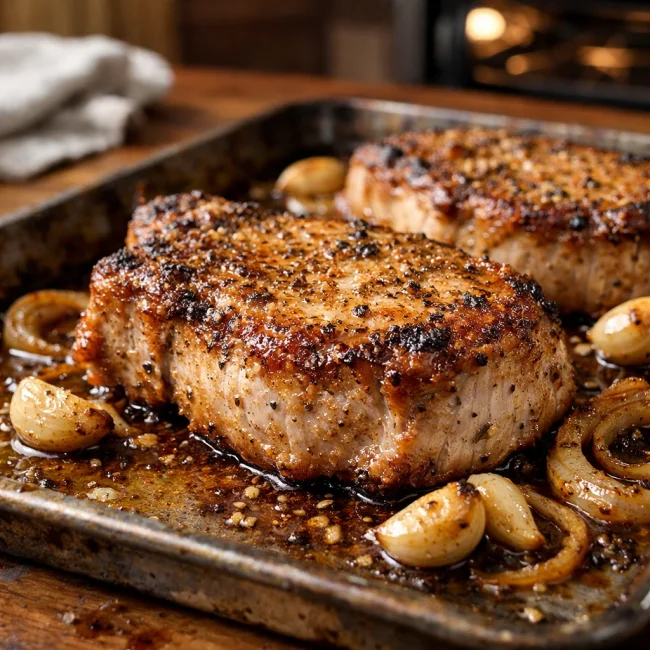
Oven-Baked Pork Chops
Enjoy a delightful dinner with these tender and juicy oven-baked pork chops, seaso...
View Recipe
Traditional Corn Casserole
A delightful corn casserole dish that embodies the comforting flavors of sweet cor...
View Recipe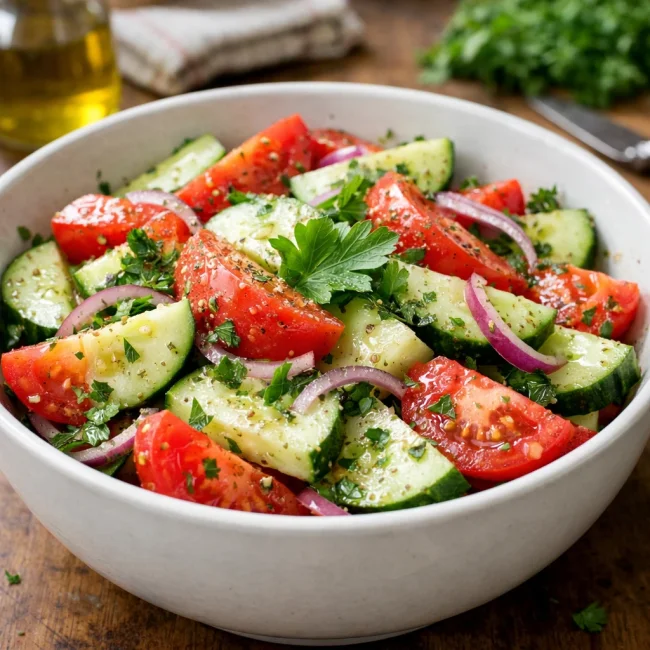
Traditional Cucumber and Tomato Salad
A refreshing and simple salad combining crisp cucumbers and juicy tomatoes, season...
View Recipe
Savory Zucchini Bread
Savory Zucchini Bread is a delectable twist on traditional zucchini recipes, combi...
View RecipeFrequently Asked Questions
- Can I make these cookies ahead of time?
- Absolutely! They keep well for up to two weeks in an airtight container, making them perfect for early holiday prep.
- What if I can't find candied citron?
- You can substitute with additional candied orange peel or even dried fruit like raisins or cranberries.
- Are these cookies suitable for freezing?
- Yes, you can freeze the baked cookies. Just ensure they’re well-wrapped to prevent freezer burn.
Serving Ideas for Traditional German Lebkuchen
These Lebkuchen pair beautifully with a hot cup of mulled wine or spiced tea. You can also serve them alongside a cheese board for a sweet and savory contrast, which makes for a delightful holiday treat.
More Desserts Recipes
Rustic Vanilla Peach Cobbler
This rustic vanilla peach cobbler combines a rich, buttery crust with the sweet, v...
View Recipe
Traditional Lemon Curd
A classic, tangy lemon curd that is perfect for enhancing desserts, breakfast dish...
View Recipe
Traditional Cream Cheese Pie
A delightful and timeless dessert, Traditional Cream Cheese Pie offers a rich and ...
View Recipe
Timeless Cream Puff Delight
Indulge in a delectable Timeless Cream Puff Delight, a classic dessert featuring a...
View Recipe