
Traditional French Toast
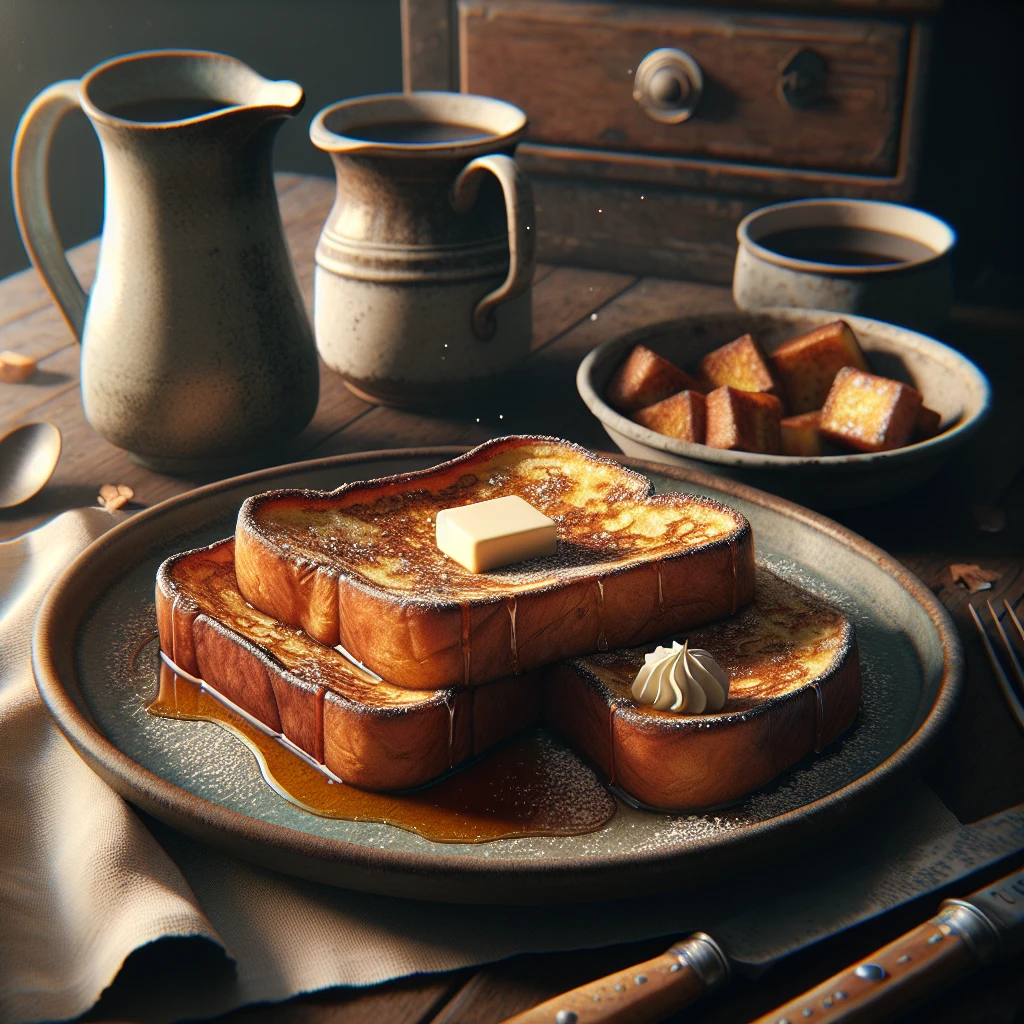
If you’re looking for a breakfast that feels like a warm hug, look no further. Traditional French Toast is a classic comfort food that transforms simple ingredients into something magical. Perfect for a lazy weekend morning or a special brunch, this recipe is sure to become a favorite.
 Share
Share
This post may contain affiliate links. As an Amazon Associate, we earn from qualifying purchases.
Ingredients for Traditional French Toast
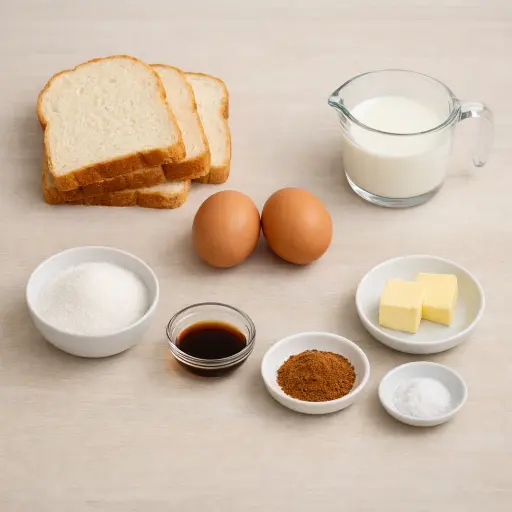
Bread is the star of the show, and for the best results, choose a thick white bread that can soak up the custard without falling apart. Eggs give the custard its rich texture and help bind everything together. Whole milk adds creaminess to the mixture, while a touch of granulated sugar sweetens it just enough. A splash of vanilla extract brings a warm, aromatic flavor that rounds out the dish. A sprinkle of ground cinnamon adds a hint of spice, and a pinch of salt balances the sweetness. Finally, unsalted butter is used for frying, giving the French toast its golden-brown crust.
Why This Traditional French Toast Works
During cooking, the egg and milk mixture soaks deep into the thick bread instead of just sitting on the surface. The bread acts like a sponge, pulling in the liquid so the inside stays soft and custardy instead of dry. Sugar, vanilla, and cinnamon spread through that soaked bread, so every bite tastes the same all the way through.
Once the slices hit the hot butter in the pan, the outside starts to set. The egg on the surface firms up and holds the bread together, so it doesn’t fall apart even though the inside is very soft. At the same time, the sugar on the outside browns in the butter, so the surface turns golden and slightly crisp.
By the time both sides are browned, the center has gently cooked through. It is no longer raw egg, but a soft, pudding-like middle. That mix of a crisp, buttery outside and a tender, custardy inside is what makes this French toast feel rich and satisfying.
Traditional French Toast Tips & Tricks
- If your bread is too fresh, try lightly toasting it before dipping to help it hold up better.
- Don’t skimp on the butter in the pan; it’s essential for that crispy, golden crust.
- Adjust the heat as needed to avoid burning the butter or the toast.
Mistakes To Avoid
Using very high heat in the pan makes the outside of the bread brown too fast while the inside stays wet and eggy. The slices can look done but still feel soggy in the center, so they collapse when cut or picked up.
Letting the bread sit too long in the egg mixture turns it heavy and dense. The slices soak up so much liquid that they take a long time to cook through and can end up with a thick, custardy middle instead of a soft, fluffy one.
Putting the bread into the pan before the butter is fully melted and lightly foaming often leads to pale, uneven browning. Parts of the bread stick to the pan, and the surface ends up patchy instead of evenly golden.
Whisking the egg mixture only a little leaves streaks of egg white that cling to the bread. During cooking, these streaks set into rubbery, scrambled-egg patches on the surface instead of a smooth coating.
Equipment Used:
Ingredients
- 4 slices of thick white bread
- 2 large eggs
- 1/2 cup whole milk
- 1 tablespoon granulated sugar
- 1 teaspoon vanilla extract
- 1/2 teaspoon ground cinnamon
- 1 pinch of salt
- 2 tablespoons unsalted butter
Step-by-step Instructions
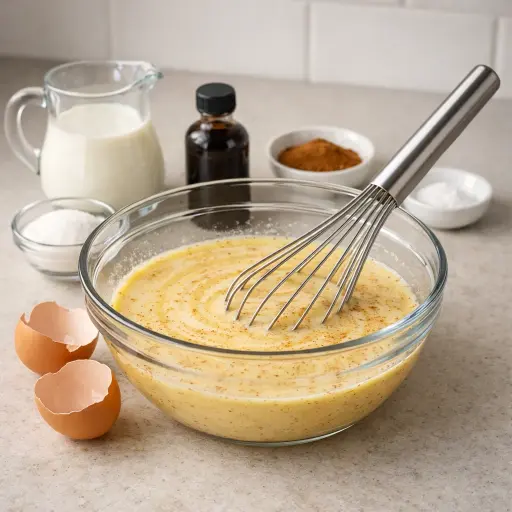
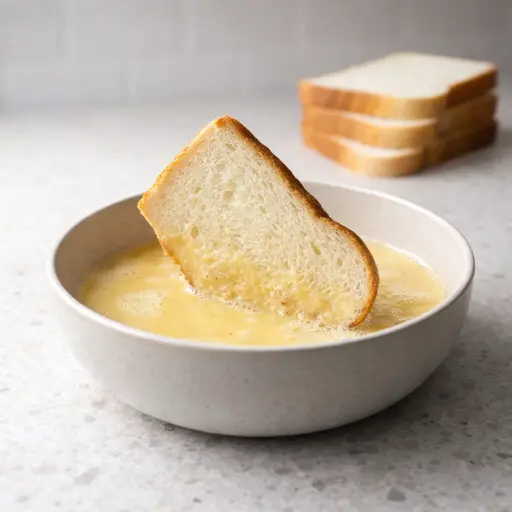
- 1. In a bowl, whisk together eggs, milk, sugar, vanilla, cinnamon, and salt.
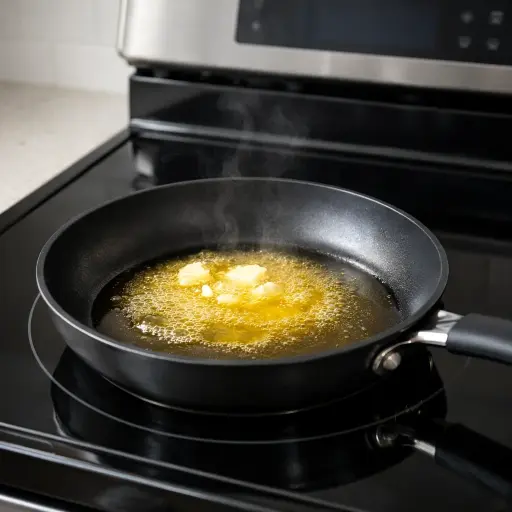
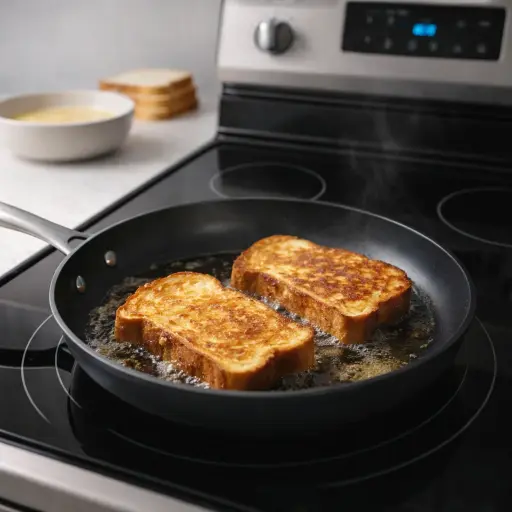
- 2. Heat butter in a skillet over medium heat until melted.
- 3. Dip each bread slice into the egg mixture, ensuring both sides are coated.
- 4. Place bread in the skillet and cook until golden brown, about 3-4 minutes per side.
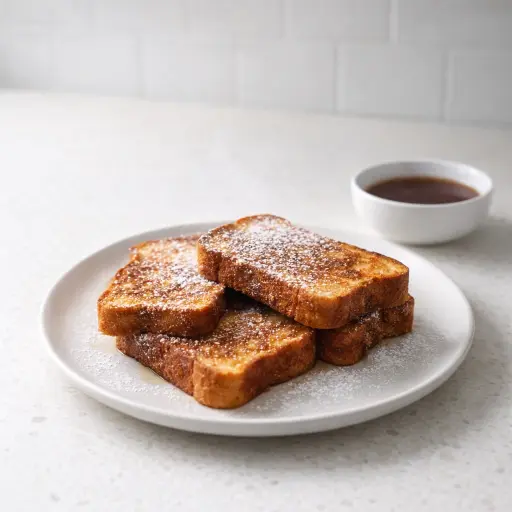
- 5. Serve hot with toppings of your choice, such as maple syrup or powdered sugar.
Trending Now
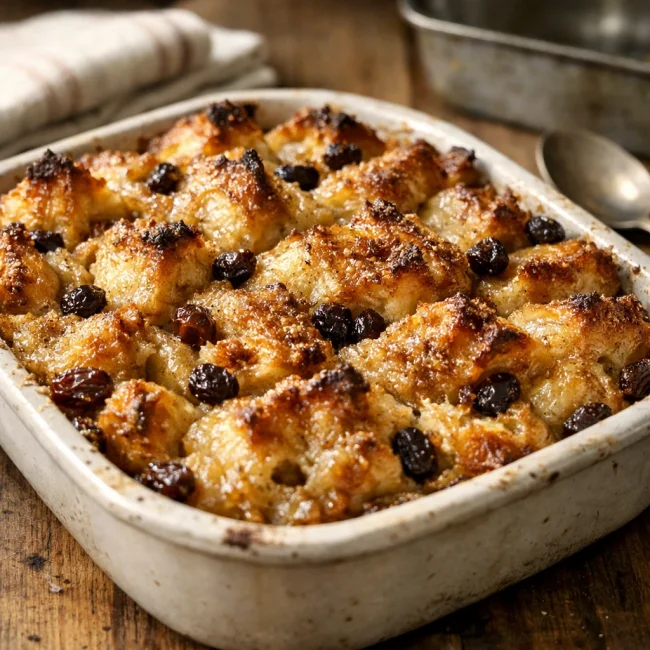
Old-Fashioned Bread Pudding
Discover the classic charm of Old-Fashioned Bread Pudding - a timeless dessert com...
View Recipe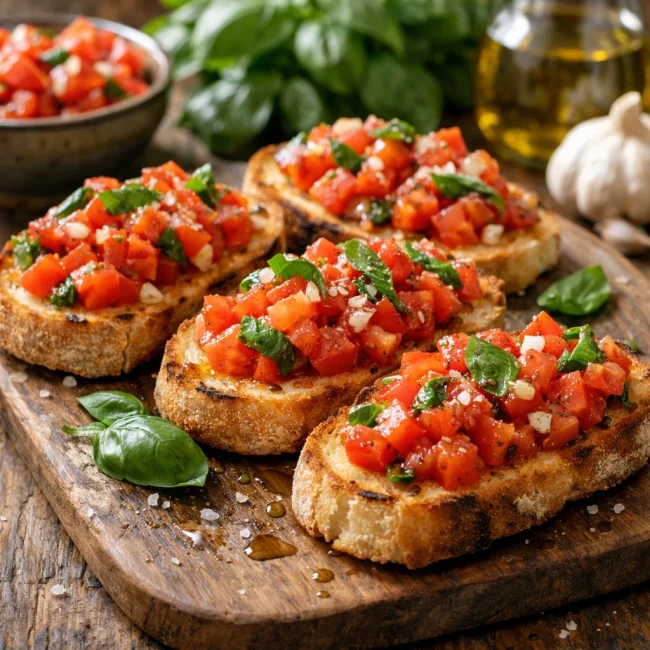
Traditional Italian Bruschetta
Experience the authentic taste of Italian bruschetta, a perfect blend of fresh tom...
View Recipe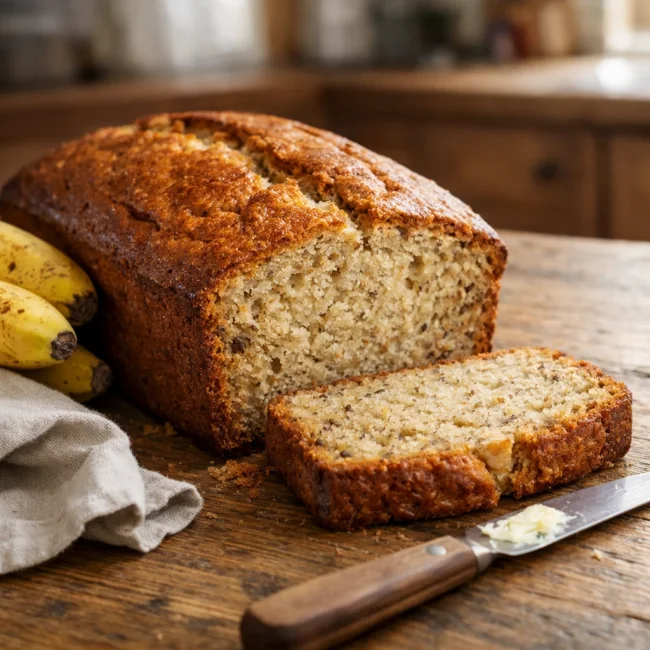
Classic Banana Bread
Classic Banana Bread is a timeless dessert beloved for its moist texture and sweet...
View Recipe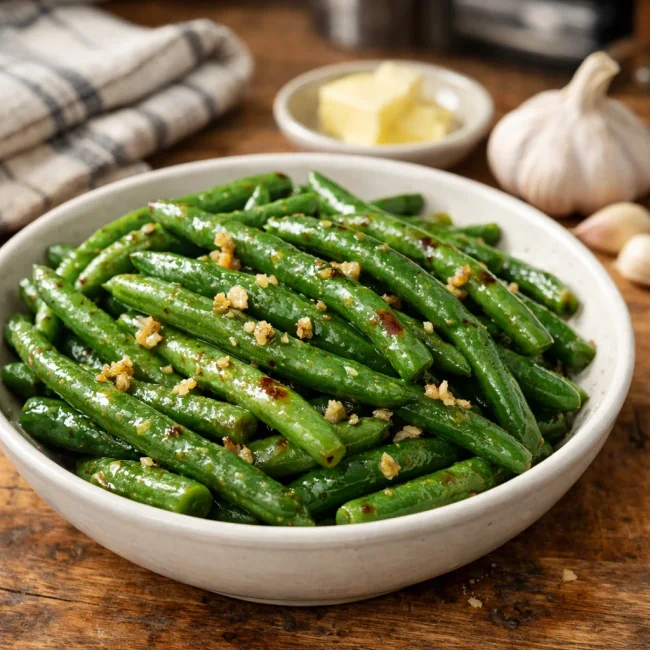
Classic Green Beans
Discover the timeless delight of Classic Green Beans, a simple yet flavorful side ...
View RecipeFrequently Asked Questions
- Can I use a different type of bread?
- Yes, brioche or challah are great alternatives for a richer flavor.
- How do I prevent the toast from becoming soggy?
- Make sure not to soak the bread for too long and use day-old bread if possible.
- Can I make this ahead of time?
- French toast is best served fresh, but you can keep it warm in the oven at a low temperature if needed.
Serving Ideas for Traditional French Toast
Top your French toast with a drizzle of maple syrup or a dusting of powdered sugar for a classic approach. Fresh fruit like berries or sliced bananas can add a refreshing contrast. For something a bit more indulgent, try adding a dollop of whipped cream or a sprinkle of nuts for some crunch.
More Breakfast & Brunch Recipes
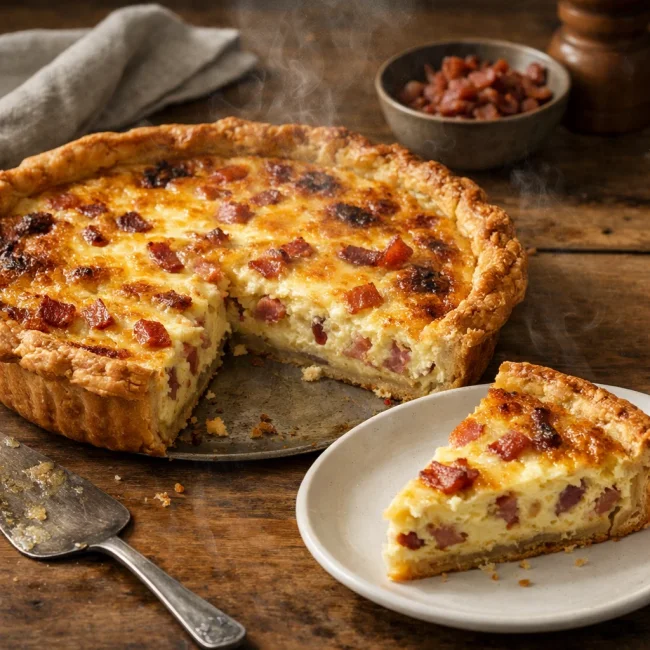
Traditional Quiche Lorraine
Experience the classic French Quiche Lorraine, a savory pie with a flaky crust fil...
View Recipe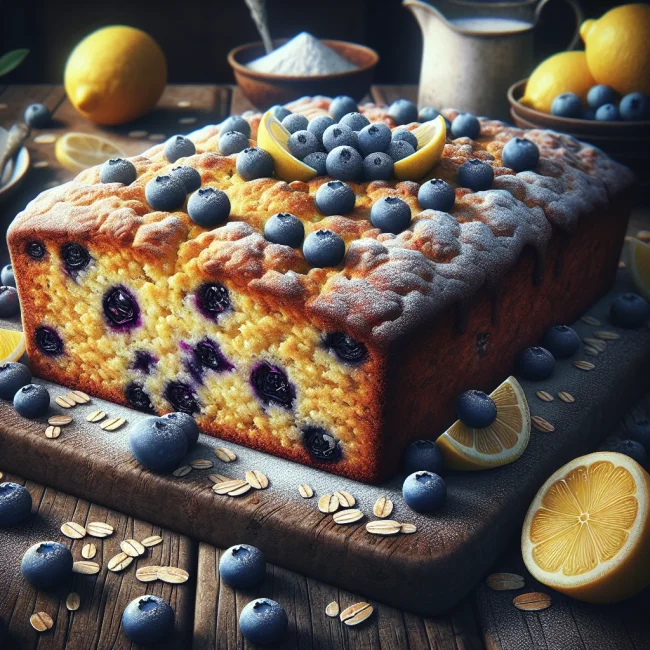
Lemon-Blueberry Oat Coffee Cake
This Lemon-Blueberry Oat Coffee Cake is a delightful twist on the traditional favo...
View Recipe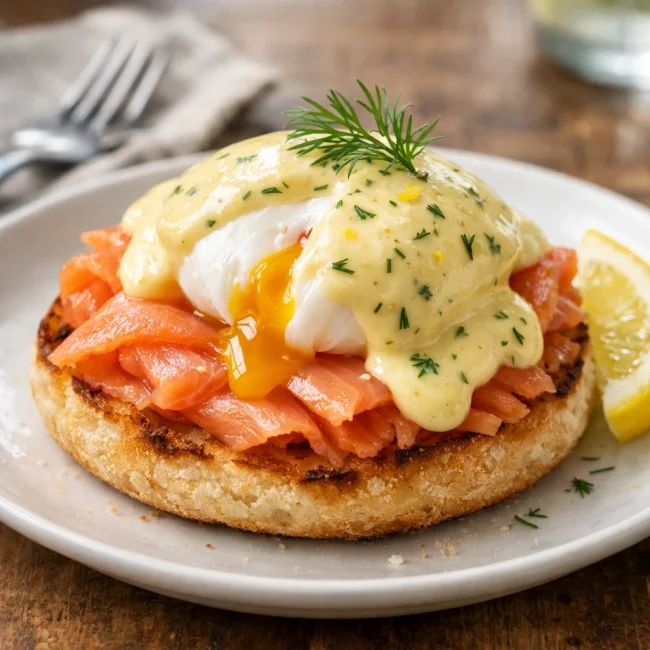
Smoked Salmon Benedict
A luxurious twist on the classic Eggs Benedict, featuring smoked salmon and a zest...
View Recipe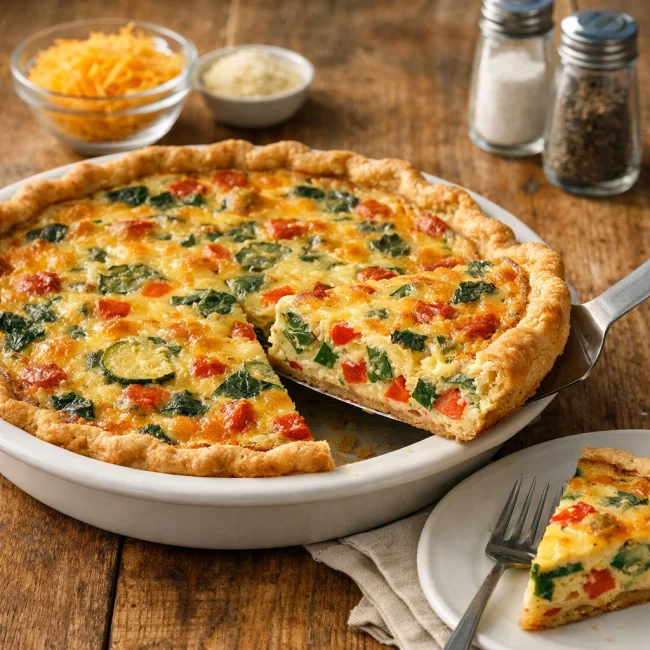
Savory Garden Veggie Quiche
A delightful and easy-to-make quiche filled with garden-fresh vegetables, perfect ...
View Recipe