
Traditional French Loaf
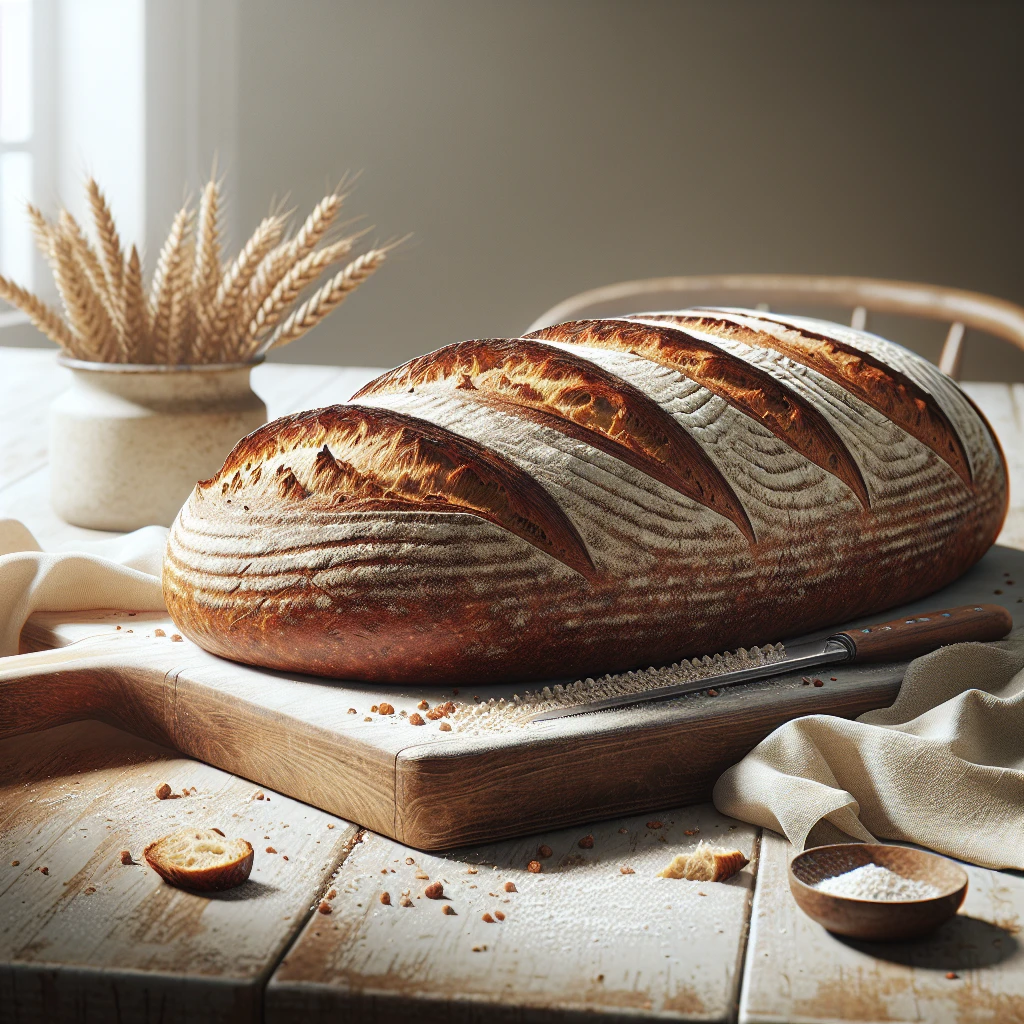
This Traditional French Loaf recipe brings the rustic charm of a Parisian bakery right into your kitchen. With a crispy crust and soft interior, it's perfect for any occasion. Simple ingredients and a straightforward method make it accessible for bakers of all levels.
 Share
Share
This post may contain affiliate links. As an Amazon Associate, we earn from qualifying purchases.
Ingredients for Traditional French Loaf
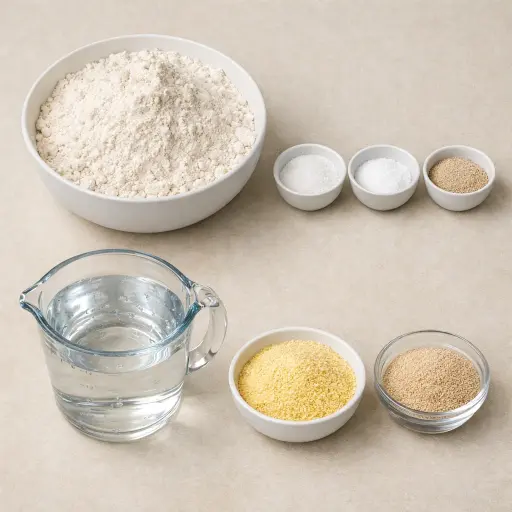
All-purpose flour is the backbone of our loaf, providing structure and that classic bread texture. Sugar gives the yeast a little something to munch on, jumpstarting the fermentation process. Salt isn't just for taste; it controls yeast activity and strengthens the dough. Active dry yeast is the magic ingredient that makes our bread rise and gives it airy pockets. Finally, warm water (about 110°F) activates the yeast, starting the whole process off on the right foot. A sprinkle of cornmeal on the baking sheet prevents sticking and adds a delightful crunch to the bottom crust.
Why This Traditional French Loaf Works
When the warm water, sugar, and yeast sit together, the yeast wakes up and starts to bubble. It begins to feed on the sugar and gives off tiny gas bubbles. Once the flour and salt are mixed in, those bubbles get trapped inside the dough. During kneading, the dough stretches and tightens. The more it is worked, the smoother it becomes and the better it can hold those bubbles.
As the dough rests and rises, those gas pockets slowly grow and spread through the whole bowl of dough. The dough gets puffy and soft instead of dense. After it is shaped into long loaves and left to rise again, even more tiny air pockets form, which later turn into the holes inside the bread.
In the hot oven, the water in the dough turns to steam and the gas inside the dough expands fast. The outside dries first and becomes a firm crust, while the inside sets around all those air pockets. Cornmeal on the pan keeps the bottom from sticking and gives a slightly crisp base, so the loaf comes out with a crunchy crust and a light, chewy center.
Traditional French Loaf Tips & Tricks
- If you’re in a cold kitchen, let the dough rise in an oven with just the light on.
- Don’t skip the slashes on top — they help prevent the bread from cracking in odd places.
- Use a baking stone if you have one for an even better crust.
Mistakes To Avoid
Letting the water get too hot when mixing the yeast and sugar can kill the yeast. The mixture never turns creamy or foamy, so the dough barely rises. The finished loaves come out flat, heavy, and tight instead of airy inside.
Adding all the flour at once and not kneading long enough leaves dry pockets and a rough, stiff dough. The gluten never stretches properly, so the bread bakes up dense with a tough bite and an uneven crumb.
Letting the first or second rise go way past “doubled” causes the dough to overproof. The yeast uses up its strength in the bowl, and in the oven the loaves spread out instead of springing up, giving a wide, flat shape with a chewy, slightly collapsed interior.
Skipping the slashes on top before baking traps steam inside the loaf. The crust can split randomly along the sides or bottom, and the shape turns lumpy instead of having neat, controlled openings.
Equipment Used:
Ingredients
- 4 cups all-purpose flour
- 1 tablespoon sugar
- 1 tablespoon salt
- 1 tablespoon active dry yeast
- 1 1/2 cups warm water (110°F)
- Cornmeal for dusting
Step-by-step Instructions
- Step 1: In a large mixing bowl, dissolve sugar and yeast in warm water. Let it stand until creamy, about 5 minutes.
- Step 2: Stir in flour and salt until well blended. Knead the dough on a lightly floured surface until smooth and elastic, about 8 minutes.
- Step 3: Place the dough in a lightly oiled bowl, cover with a damp cloth, and let rise in a warm place until doubled in volume, about 1 hour.
- Step 4: Punch down the dough, divide in half, and shape into long, slender loaves. Place on a baking sheet lightly dusted with cornmeal. Cover and let rise until doubled, about 30 to 40 minutes.
- Step 5: Preheat oven to 450°F (230°C). Using a sharp knife, make several shallow slashes diagonally across the top of each loaf.
- Step 6: Bake for 20 to 25 minutes or until golden brown and the bread sounds hollow when tapped.
Trending Now

Zesty Summer Squash Casserole
This delightful summer squash casserole combines vibrant garden-fresh vegetables w...
View Recipe
Classic Cucumber Salad
A refreshing and light cucumber salad featuring crisp cucumbers and a tangy vinaig...
View Recipe
Classic Banana Bread
Classic Banana Bread is a timeless dessert beloved for its moist texture and sweet...
View Recipe
Traditional Dump Cake
Discover the timeless delight of the Traditional Dump Cake, a simple and scrumptio...
View RecipeFrequently Asked Questions
- Can I use whole wheat flour?
- You can substitute half of the all-purpose flour with whole wheat, but expect a denser loaf.
- How do I store leftovers?
- Keep it in a paper bag at room temperature for up to two days. For longer storage, freeze it.
- What if my bread doesn’t rise?
- Double-check your yeast's expiration date and ensure the water wasn’t too hot (or too cold).
More Breads & Baked Goods Recipes

Traditional Italian Easter Bread
Savor the delightful taste of a classic Italian Easter bread, a sweet, soft, and s...
View Recipe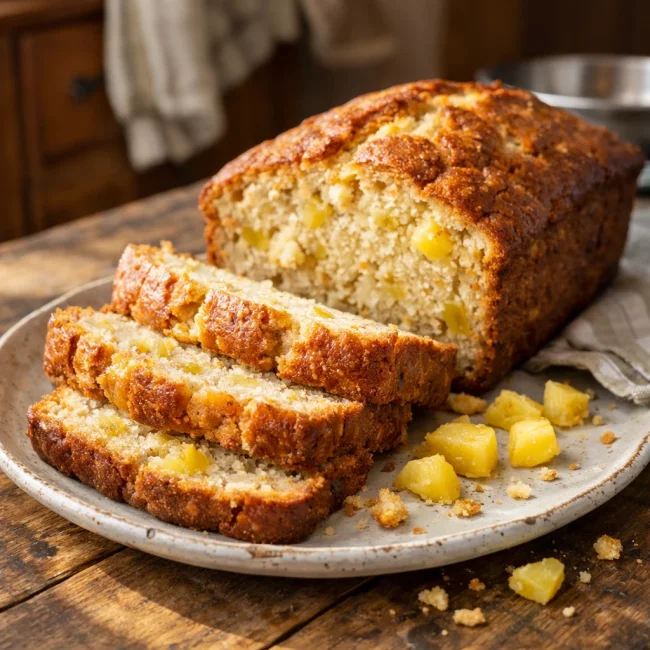
Old-Fashioned Pineapple Bread
A delightful and flavorful bread infused with juicy pineapple, perfect for breakfa...
View Recipe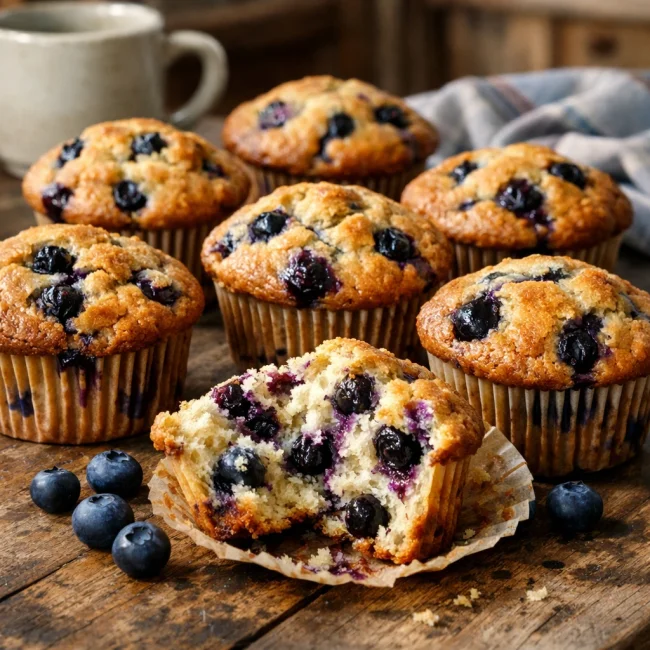
Old-Fashioned Blueberry Muffins
Transport yourself to simpler times with these delightful old-fashioned blueberry ...
View Recipe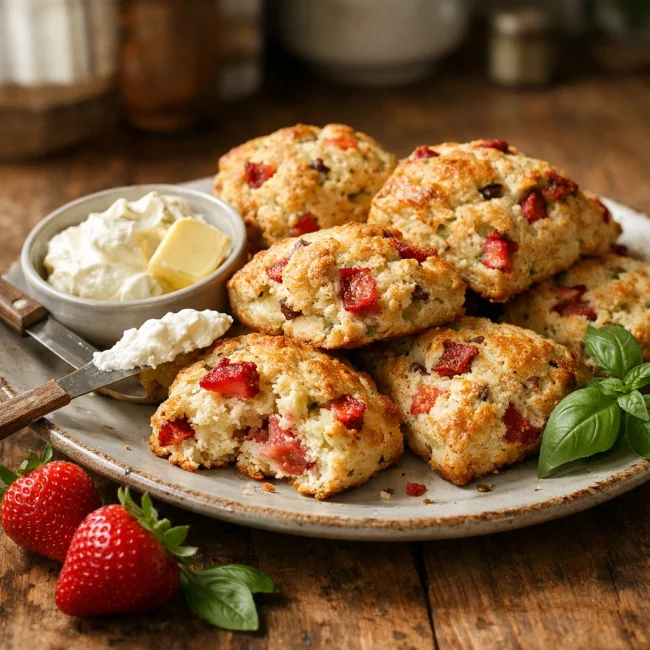
Strawberry Basil Scones
These tender scones combine the sweetness of fresh strawberries with a hint of pep...
View Recipe