
Traditional French Boule
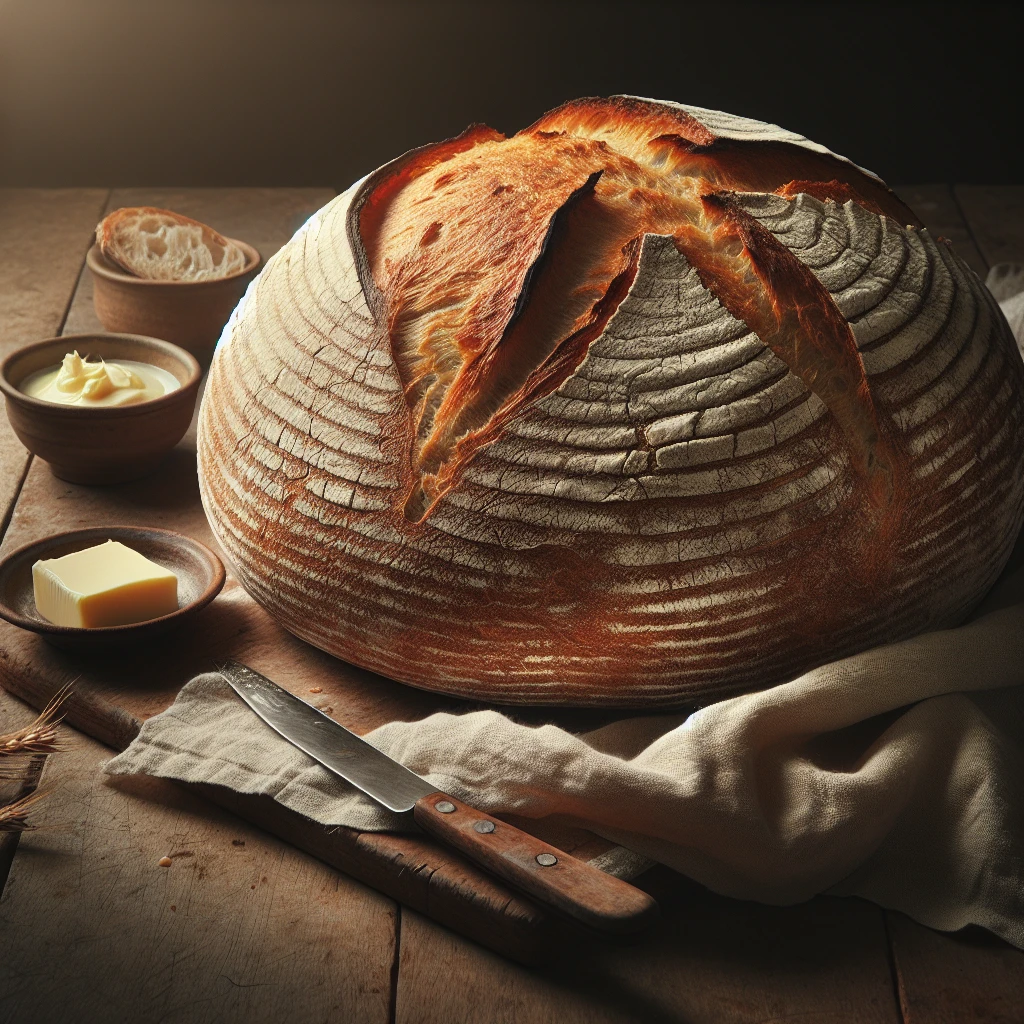
If you’ve ever wanted to bring a little bit of France into your kitchen, this Traditional French Boule is your ticket. The crusty exterior and soft, airy interior make it the perfect bread for any occasion. Plus, it’s surprisingly easy to make!
 Share
Share
This post may contain affiliate links. As an Amazon Associate, we earn from qualifying purchases.
Ingredients for Traditional French Boule
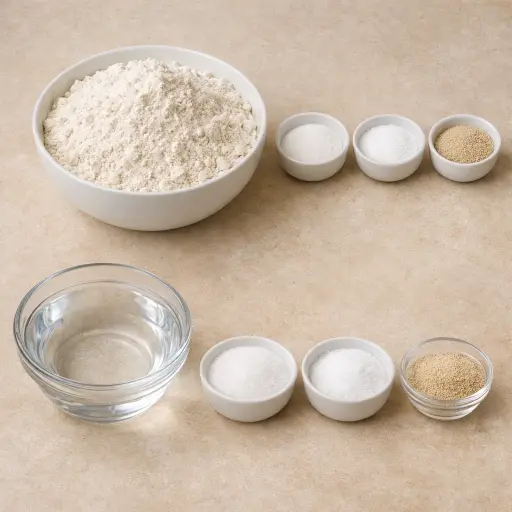
All-purpose flour is the backbone of our boule, providing the structure and chewiness that makes this bread so delightful. Sugar may seem like an odd addition to bread, but it helps activate the yeast and contributes a touch of sweetness. Salt is crucial for enhancing the flavors—without it, the bread would taste flat. Active dry yeast is what makes the bread rise, giving it that fluffy interior. Finally, warm water is needed to dissolve the yeast and bring the dough together.
Why This Traditional French Boule Works
When the warm water hits the yeast, the yeast wakes up and starts feeding on the sugar. After a few minutes it turns foamy, which means tiny gas bubbles are already forming. Once that yeast water goes into the flour and salt, those bubbles start spreading through the dough. While the dough is being kneaded, the flour soaks up the water and the gluten strands stretch and line up. The dough slowly changes from shaggy and sticky to smooth and springy, so it can trap those gas bubbles instead of letting them escape.
During the rise, the yeast keeps making more gas, and the strong dough holds it in, so the ball of dough swells and gets light inside. In the hot oven, the water in the dough turns to steam and the gas expands fast, giving the loaf its final lift. The outside dries first and firms up into a crust, while the inside sets around all those little air pockets, so the boule comes out with a crisp shell and a soft, chewy middle.
Traditional French Boule Tips & Tricks
- Use a thermometer to ensure your water is around 110°F. Too hot and it can kill the yeast, too cold and the yeast won’t activate.
- If your dough is too sticky to handle, add a bit more flour—not too much though, as it can make the bread tough.
- Let the bread cool completely before slicing to avoid a gummy texture.
Mistakes To Avoid
Using water that is too hot kills the yeast, while water that is too cold keeps it sleepy. In both cases the dough barely rises, so the loaf bakes up flat and tight inside instead of airy with big holes.
Skipping a full knead or stopping as soon as the dough comes together leaves the gluten weak. In the oven, the loaf spreads out instead of holding a nice round shape, and the crumb stays uneven and gummy instead of stretchy and soft.
Letting the dough rise in a cold room or cutting the rise short means it never really doubles. The bread then comes out small and dense, with a heavy center that feels slightly underdone even when the crust looks fine.
Putting the loaf into an oven that is not fully preheated, or onto a cold baking sheet, prevents that first strong burst of heat. The crust sets slowly, the bread doesn’t spring up, and the result is a pale, thick crust with a squat, low loaf.
Equipment Used:
Ingredients
- 4 cups all-purpose flour
- 1 tablespoon sugar
- 1 tablespoon salt
- 1 tablespoon active dry yeast
- 1 1/2 cups warm water (110°F)
Step-by-step Instructions
- 1. In a large bowl, combine flour, sugar, and salt.
- 2. Dissolve yeast in warm water and let it sit until frothy, about 5 minutes.
- 3. Gradually add the yeast mixture to the dry ingredients, mixing until a dough forms.
- 4. Knead the dough on a floured surface for about 10 minutes until smooth.
- 5. Place the dough in a lightly oiled bowl, cover it with a damp cloth, and let it rise in a warm place for 1 hour, or until doubled in size.
- 6. Preheat your oven to 450°F and place a baking stone or inverted baking sheet inside to heat.
- 7. Punch down the risen dough and shape it into a round loaf.
- 8. Transfer the loaf to a piece of parchment paper, then gently score the top with a sharp knife.
- 9. Slide the parchment paper and dough onto the preheated stone or sheet.
- 10. Bake for 25-30 minutes, or until golden brown and hollow-sounding when tapped on the bottom.
Trending Now

Zesty Summer Squash Casserole
This delightful summer squash casserole combines vibrant garden-fresh vegetables w...
View Recipe
Classic Cucumber Salad
A refreshing and light cucumber salad featuring crisp cucumbers and a tangy vinaig...
View Recipe
Classic Banana Bread
Classic Banana Bread is a timeless dessert beloved for its moist texture and sweet...
View Recipe
Traditional Dump Cake
Discover the timeless delight of the Traditional Dump Cake, a simple and scrumptio...
View RecipeFrequently Asked Questions
- Can I use whole wheat flour instead?
- Yes, but replace only half of the all-purpose flour with whole wheat to maintain a good texture.
- What if I don’t have a baking stone?
- An inverted baking sheet will work just fine. It provides a similar effect by creating a hot, even surface.
- How do I store leftovers?
- Wrap the bread in a clean kitchen towel and store it at room temperature for up to 3 days. For longer storage, slice and freeze it.
Serving Ideas for Traditional French Boule
This bread pairs beautifully with a hearty soup or stew, making it ideal for dunking. Alternatively, slice it up for sandwiches with your favorite meats and cheeses. For breakfast, try it toasted with butter and a sprinkle of sea salt.
More Breads & Baked Goods Recipes

Traditional Italian Easter Bread
Savor the delightful taste of a classic Italian Easter bread, a sweet, soft, and s...
View Recipe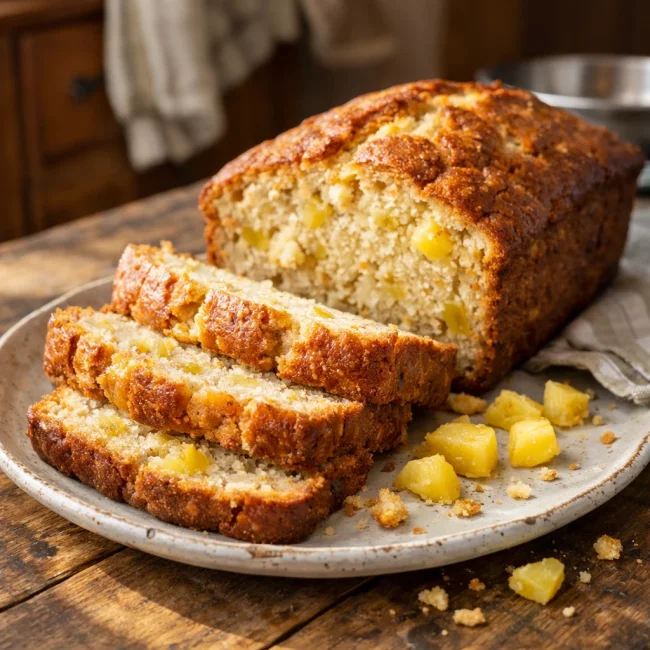
Old-Fashioned Pineapple Bread
A delightful and flavorful bread infused with juicy pineapple, perfect for breakfa...
View Recipe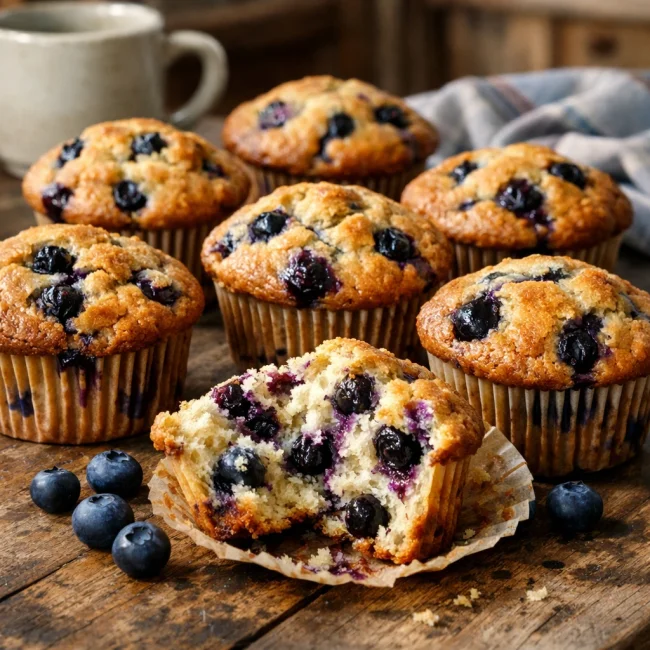
Old-Fashioned Blueberry Muffins
Transport yourself to simpler times with these delightful old-fashioned blueberry ...
View Recipe
Strawberry Basil Scones
These tender scones combine the sweetness of fresh strawberries with a hint of pep...
View Recipe