
Traditional French Beignets
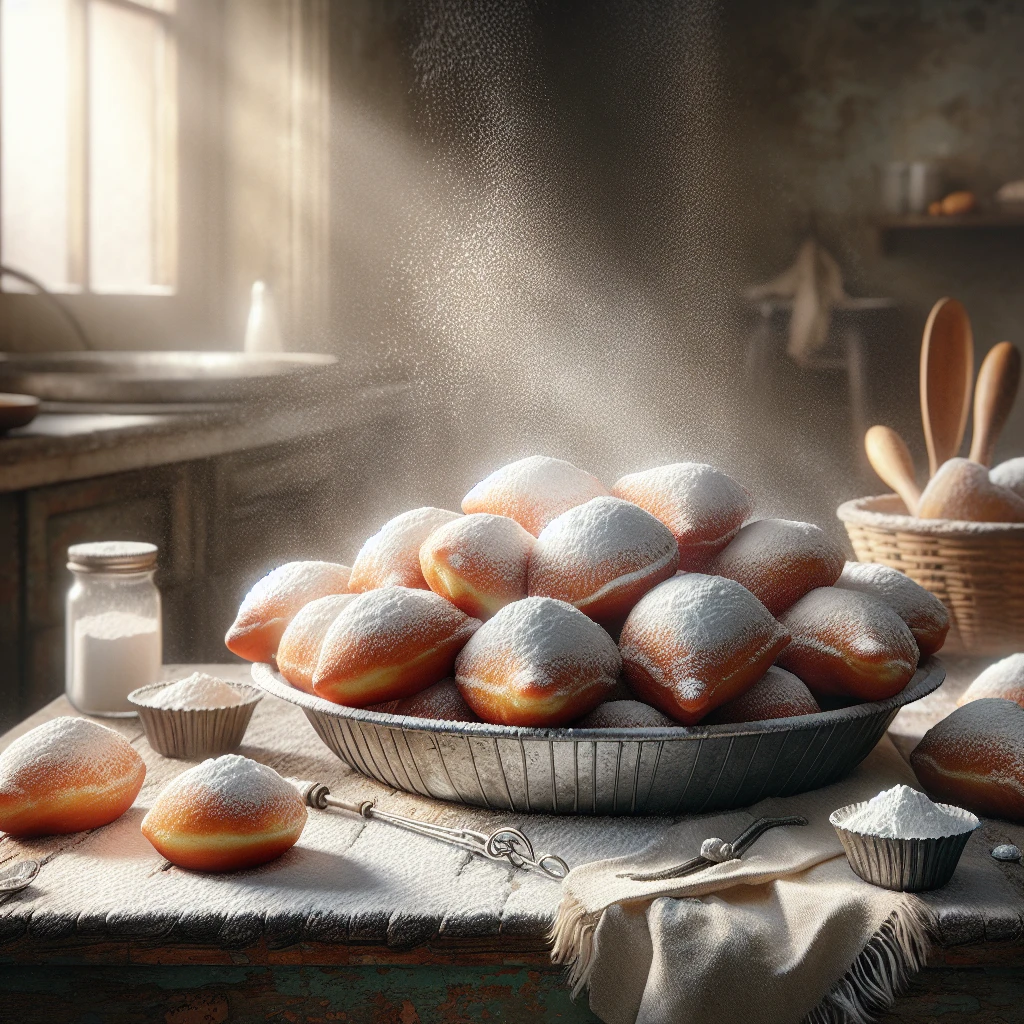
Traditional French beignets are the ultimate treat for anyone craving a bit of European flair with their morning coffee or afternoon tea. These delightful, airy pastries are dusted with powdered sugar, making them a delectable indulgence that's surprisingly simple to make at home.
 Share
Share
This post may contain affiliate links. As an Amazon Associate, we earn from qualifying purchases.
Ingredients for Traditional French Beignets
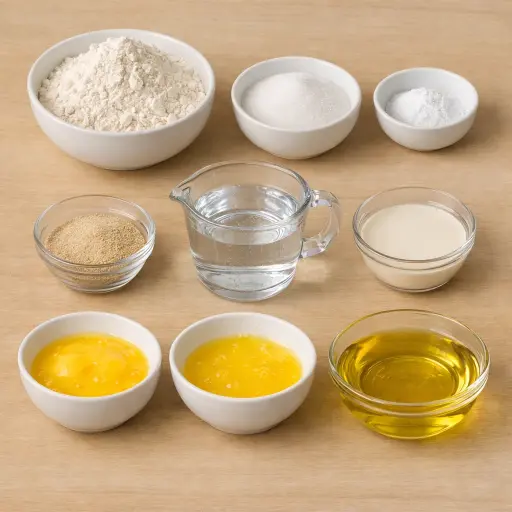
The foundation of these beignets is all-purpose flour, which gives them their structure and lightness. A little bit of granulated sugar adds the right amount of sweetness to the dough itself, while salt enhances all the flavors. Active dry yeast is the key to that fluffy, airy texture, providing the necessary rise. Warm water activates the yeast, and evaporated milk adds a touch of richness and depth. A large egg binds everything together, and unsalted butter contributes to a tender crumb. Finally, you'll need vegetable oil for frying and powdered sugar for an irresistible finish.
Why This Traditional French Beignets Works
When the warm water hits the yeast, the yeast wakes up and starts feeding on the sugar. Over the next couple of hours, it makes tiny gas bubbles all through the dough. Those bubbles stretch the flour and egg mixture and give the dough a light, puffy feel instead of staying dense like a biscuit. The evaporated milk and melted butter coat the flour so the dough stays soft and a little rich, not dry.
As the dough rises, the gluten from the flour relaxes and lines up, so it can stretch in the hot oil instead of tearing. Once the dough squares go into the 370°F oil, the water inside them turns to steam fast. That steam pushes out against the stretchy dough and puffs each square like a little pillow. The outside browns and sets into a thin shell while the inside stays airy and tender. After frying, the hot, slightly oily surface grabs onto the powdered sugar so it clings in a thick, sweet layer.
Traditional French Beignets Tips & Tricks
- Ensure your water is around 110°F to properly activate the yeast without killing it.
- If your dough is sticky, add a little more flour, a tablespoon at a time, until it's workable.
- Test your oil temperature with a small piece of dough; it should bubble and rise to the top quickly.
- Don't overcrowd the fryer; it can lower the oil temperature and affect cooking.
Mistakes To Avoid
Letting the water get too hot when blooming the yeast can kill it, so the dough never really rises. The dough then fries up flat and tough instead of puffing into light, hollow beignets.
Cutting the rise time short leaves the dough dense and tight. In the oil, these pieces don’t balloon; they stay small and heavy, with a chewy center instead of that soft, airy middle.
Rolling the dough too thick or too thin throws off the fry. Too thick means the outside browns fast while the inside stays doughy; too thin makes them crisp and hard, with no soft interior.
When the oil is below 370°F, the dough soaks up fat before it sets. The beignets come out greasy and heavy, and the centers can still feel underdone even though the outside looks pale.
Crowding the pot during frying drops the oil temperature and causes uneven cooking. Some pieces end up too dark and oily, while others stay pale and soft, so the whole batch feels inconsistent.
Equipment Used:
Ingredients
- 2 cups all-purpose flour
- 1/4 cup granulated sugar
- 1/2 teaspoon salt
- 1 packet (1/4 ounce) active dry yeast
- 3/4 cup warm water (110°F)
- 1/4 cup evaporated milk
- 1 large egg, beaten
- 2 tablespoons unsalted butter, melted
- Vegetable oil for frying
- Powdered sugar for dusting
Step-by-step Instructions
- 1. In a small bowl, dissolve yeast in warm water and let stand for 10 minutes.
- 2. In a large bowl, combine flour, sugar, and salt.
- 3. Stir in the yeast mixture, evaporated milk, egg, and melted butter to form a soft dough.
- 4. Knead the dough on a lightly floured surface until smooth and elastic, about 8 minutes.
- 5. Place the dough in a greased bowl, cover, and let rise in a warm place until doubled in size, about 2 hours.
- 6. Roll out the dough to 1/4-inch thickness and cut into 2-inch squares.
- 7. Heat oil in a deep fryer or large pot to 370°F (188°C).
- 8. Fry dough squares in batches until golden brown, turning once, 2-3 minutes per side.
- 9. Remove beignets with a slotted spoon and drain on paper towels.
- 10. Dust generously with powdered sugar before serving.
Trending Now
Old-Fashioned Bread Pudding
Discover the classic charm of Old-Fashioned Bread Pudding - a timeless dessert com...
View Recipe
Traditional Crisp Coleslaw
A classic coleslaw recipe featuring finely shredded cabbage and carrots tossed in ...
View Recipe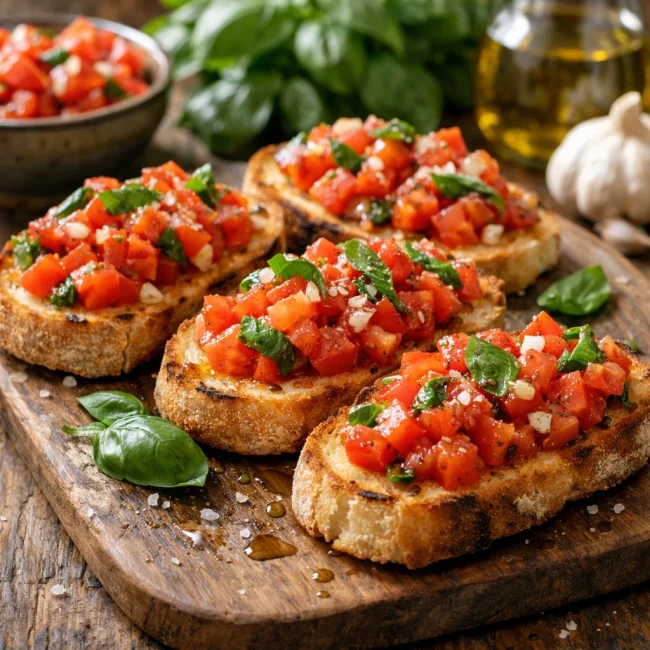
Traditional Italian Bruschetta
Experience the authentic taste of Italian bruschetta, a perfect blend of fresh tom...
View Recipe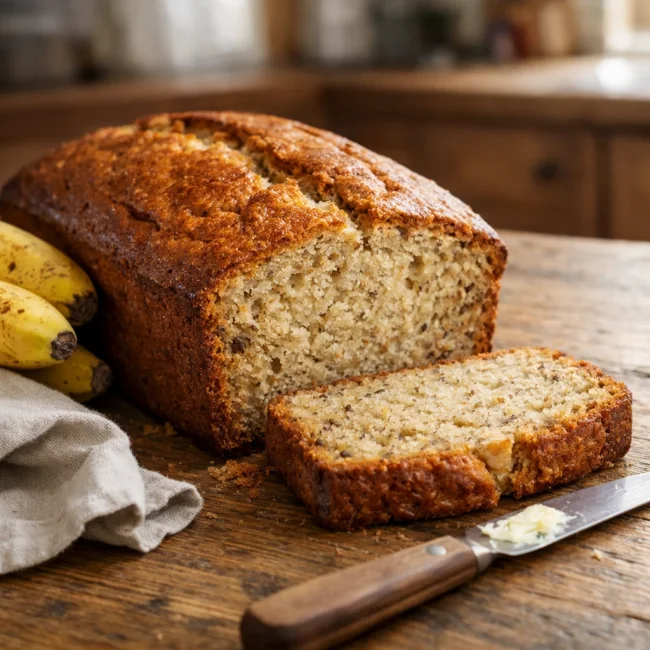
Classic Banana Bread
Classic Banana Bread is a timeless dessert beloved for its moist texture and sweet...
View RecipeFrequently Asked Questions
- Can I use instant yeast instead of active dry yeast?
- Yes, you can use instant yeast. Just skip the step of dissolving it in water, and add it directly to the dry ingredients.
- Can I prepare the dough in advance?
- Absolutely! You can prepare the dough and let it rise overnight in the fridge. Just bring it to room temperature before proceeding with the recipe.
- How do I store leftovers?
- Beignets are best served fresh, but you can keep them in an airtight container at room temperature for one day. Reheat them in a warm oven to revive them a bit.
Serving Ideas for Traditional French Beignets
These beignets are fantastic with a side of fresh fruit for a balanced brunch. For a savory twist, consider serving them with a rich chocolate or caramel dipping sauce. If you’re going for a more traditional approach, pair them with a strong cup of café au lait for that authentic French experience.
More Desserts Recipes
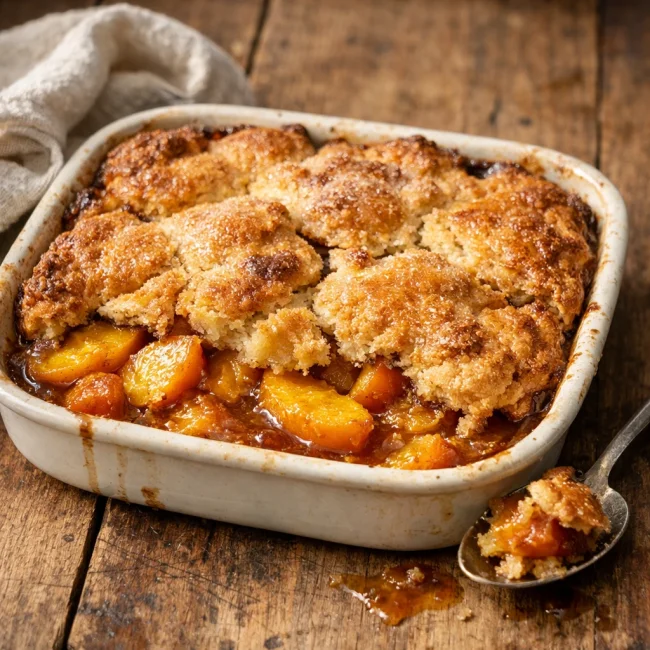
Rustic Vanilla Peach Cobbler
This rustic vanilla peach cobbler combines a rich, buttery crust with the sweet, v...
View Recipe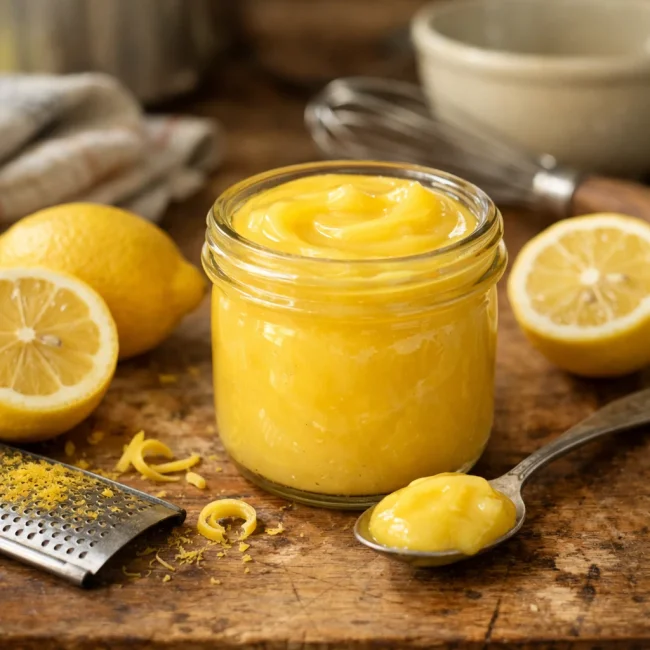
Traditional Lemon Curd
A classic, tangy lemon curd that is perfect for enhancing desserts, breakfast dish...
View Recipe
Traditional Cream Cheese Pie
A delightful and timeless dessert, Traditional Cream Cheese Pie offers a rich and ...
View Recipe
Timeless Cream Puff Delight
Indulge in a delectable Timeless Cream Puff Delight, a classic dessert featuring a...
View Recipe