
Traditional Egg Noodles
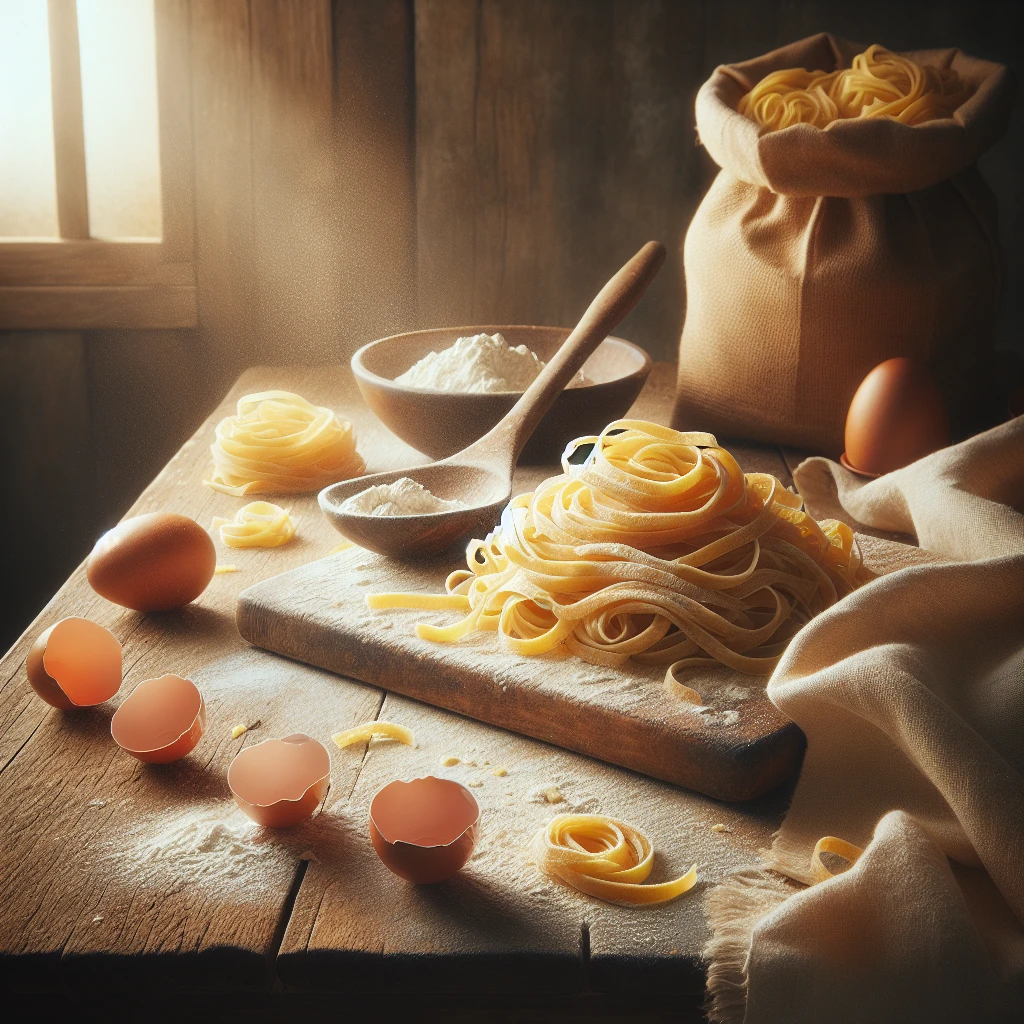
Traditional egg noodles are a staple that bring comfort and nostalgia to any meal. They’re simple to make yet satisfyingly rich in flavor, making them a go-to for home-cooked goodness. Perfect for a cozy dinner or to add homemade flair to your favorite soup.
 Share
Share
This post may contain affiliate links. As an Amazon Associate, we earn from qualifying purchases.
Ingredients for Traditional Egg Noodles
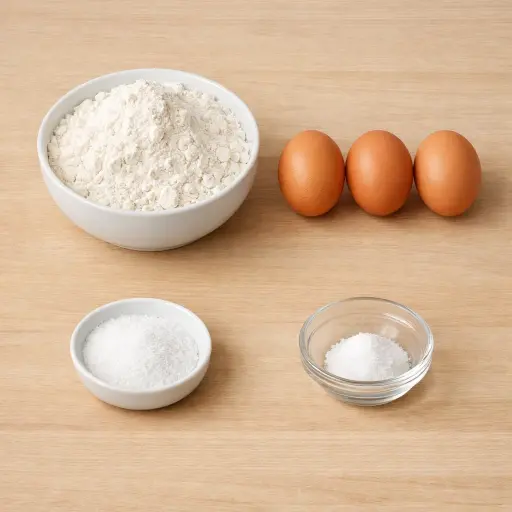
All-purpose flour serves as the base, providing structure and a chewy texture. It’s versatile and usually already in your pantry. Eggs bring richness and color, binding the flour into a smooth, pliable dough. Lastly, a pinch of salt enhances flavor, making these noodles savory and satisfying.
Why This Traditional Egg Noodles Works
At the start, the flour and salt stay dry and loose, but once the eggs go in and everything is mixed, the flour starts to drink up the moisture from the eggs. As the dough is kneaded, the flour and egg stick to each other more and more. The dough first feels rough and shaggy, then slowly becomes smooth and stretchy. That stretch means the flour has formed a strong net that can hold together when rolled and boiled.
During the rest time, the dough just sits, but a lot is happening. The flour keeps soaking up liquid from the eggs, and the tight gluten relaxes. Because of that, the dough rolls out easier and doesn’t spring back as much, so it can be rolled thin without tearing.
Once the cut noodles hit the boiling water, they cook very fast. The outside of each noodle firms up and sets, while the inside stays tender. Since the dough already has structure from kneading and resting, the noodles hold their shape in the pot instead of falling apart.
Traditional Egg Noodles Tips & Tricks
- If the dough feels too sticky, sprinkle in a bit more flour as you knead.
- For even cooking, try to keep the thickness consistent when rolling out the dough.
- A pasta machine can make rolling and cutting easier, but it's not necessary.
- If you’re making a large batch, freeze the cut noodles on a baking sheet before storing them in a bag.
Mistakes To Avoid
Rolling the dough too thick means the noodles stay dense and chewy in the center even after boiling. The outside softens, but the middle keeps a tough bite, so the noodles feel heavy instead of tender.
Skipping the kneading or stopping after just a minute or two leaves the dough rough and weak. In the pot, those noodles can tear, break into short pieces, or cook unevenly, with some parts turning mushy while thicker spots stay firm.
Letting the dough rest for only a few minutes instead of the full time keeps the gluten tight. When it gets rolled out, the dough springs back, fights the rolling pin, and ends up thicker and uneven, which leads to patchy cooking in the water.
Boiling the noodles for too long turns them soft and swollen. They start to lose their shape, the edges fray, and the starch makes the water cloudy and sticky, so the noodles come out pasty instead of springy.
Equipment Used:
Ingredients
- 2 cups all-purpose flour
- 3 large eggs
- 1/2 teaspoon salt
Step-by-step Instructions
- 1. Combine flour and salt in a mixing bowl.
- 2. Make a well in the center and crack the eggs into it.
- 3. Gradually mix the flour into the eggs until a dough forms.
- 4. Knead the dough on a floured surface for 5-10 minutes until smooth.
- 5. Wrap in plastic wrap and let rest for 30 minutes.
- 6. Roll out the dough to desired thickness and cut into strips.
- 7. Boil in salted water for 2-3 minutes until cooked through.
Trending Now
Classic Cucumber Salad
A refreshing and light cucumber salad featuring crisp cucumbers and a tangy vinaig...
View Recipe
Classic Banana Bread
Classic Banana Bread is a timeless dessert beloved for its moist texture and sweet...
View Recipe
Zesty Summer Squash Casserole
This delightful summer squash casserole combines vibrant garden-fresh vegetables w...
View Recipe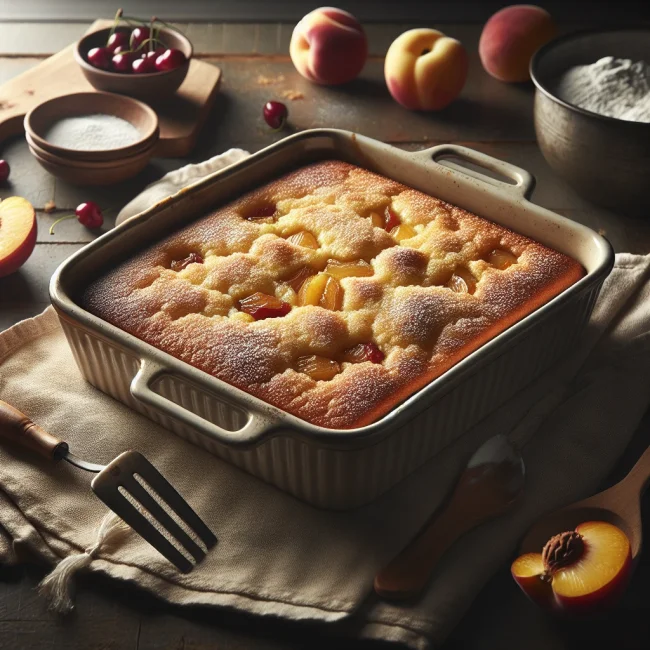
Traditional Dump Cake
Discover the timeless delight of the Traditional Dump Cake, a simple and scrumptio...
View RecipeFrequently Asked Questions
- Can I use whole wheat flour instead?
- Yes, but the texture will be denser. You might need a bit more water to bring the dough together.
- How do I store leftover noodles?
- Store cooked noodles in an airtight container in the fridge for up to 3 days.
- Can I dry these noodles for later use?
- Yes, let them dry completely on a rack before storing them in an airtight container.
Serving Ideas for Traditional Egg Noodles
These noodles are fantastic tossed in a simple garlic butter sauce or paired with a hearty beef stroganoff. They also hold up well in a chicken noodle soup, absorbing the broth’s flavors beautifully.
More Pasta Recipes
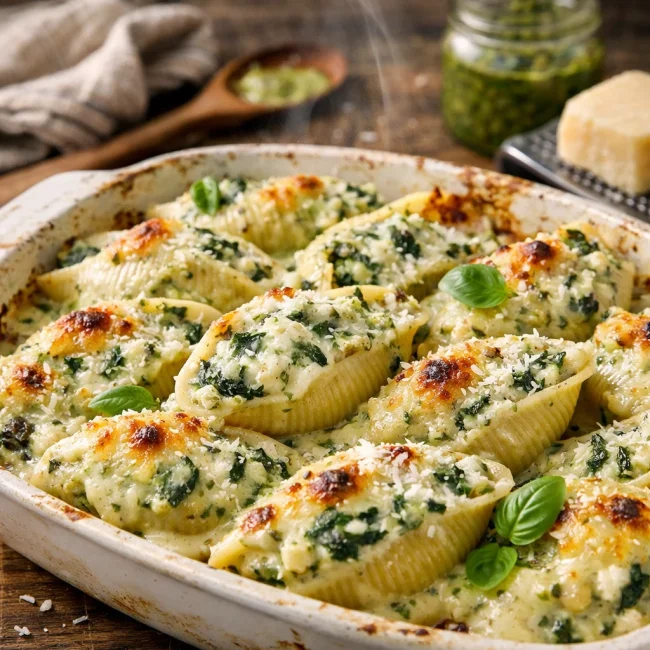
Spinach and Ricotta Stuffed Shells with Pesto Alfredo
Try this delicious twist on classic stuffed shells with a creamy pesto Alfredo sau...
View Recipe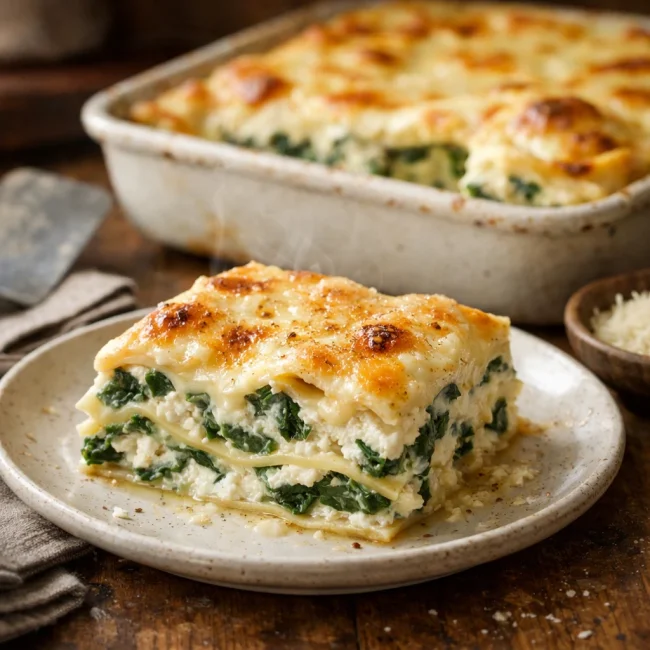
Spinach and Ricotta White Lasagna
A unique twist on the classic lasagna, this white lasagna combines creamy ricotta,...
View Recipe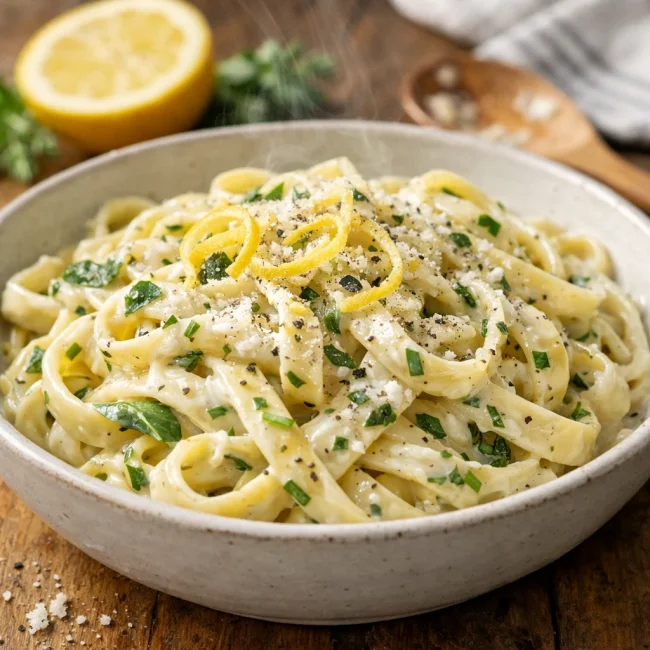
Lemon Herb Fettuccine Alfredo
Lemon Herb Fettuccine Alfredo is a refreshing twist on the classic dish, combining...
View Recipe
Truffle Mac and Cheese
Experience the ultimate comfort food with a gourmet twist in this Truffle Mac and ...
View Recipe