
Traditional Egg Custard
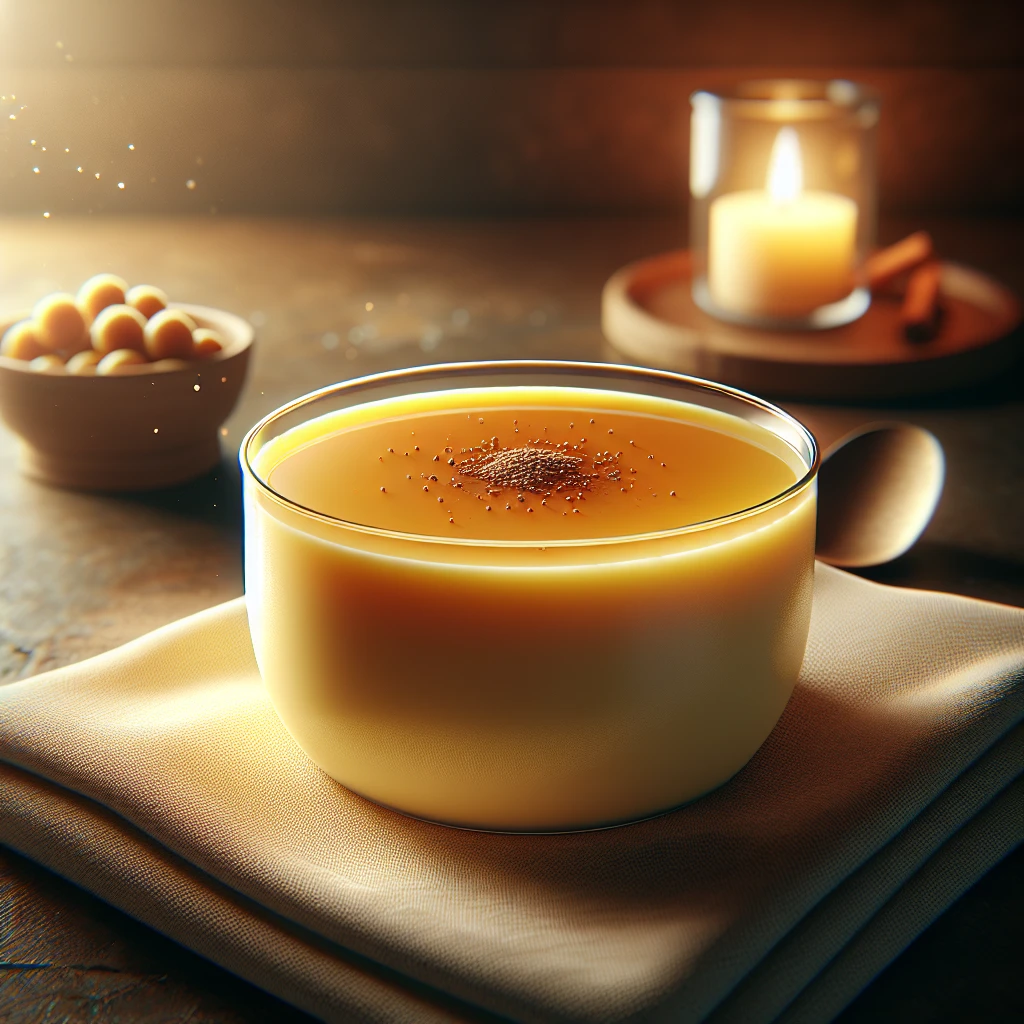
Egg custard is one of those classic desserts that never goes out of style. Its creamy texture and delicate sweetness make it a comforting finish to any meal. Whether you're serving it at a family gathering or simply treating yourself, it never fails to satisfy.
 Share
Share
This post may contain affiliate links. As an Amazon Associate, we earn from qualifying purchases.
Ingredients for Traditional Egg Custard
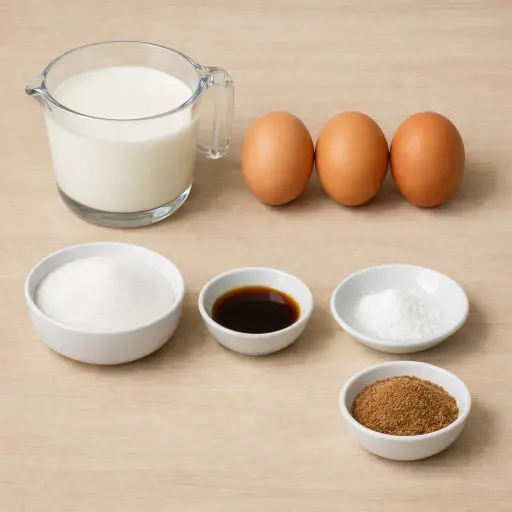
Whole milk is the base of our custard, providing richness and a smooth texture. The fat content is just right to give the custard a creamy finish without being too heavy.
Eggs are the star of the show, acting as the primary thickener. They help the custard set up properly while giving it that beautifully silky consistency.
Granulated sugar sweetens the custard just enough to bring out the other flavors without overpowering them.
A touch of vanilla extract enhances the custard with a warm, aromatic note, making it feel extra special.
Salt might seem like a small addition, but it works wonders in balancing the sweetness and enhancing the overall flavor profile.
Finally, a sprinkle of ground nutmeg on top adds a delightful aromatic finish that's both subtle and inviting.
Why This Traditional Egg Custard Works
As the milk warms on the stove, it loosens up and blends more easily with the eggs and sugar. Pouring the hot milk in slowly keeps the eggs from cooking too fast, so they stay smooth instead of turning into scrambled bits. The sugar and salt dissolve into the warm milk and eggs, so everything tastes even all the way through.
In the oven, the gentle heat and the water bath do most of the work. The hot water keeps the sides of the dish from getting too hot, so the custard cooks slowly and evenly. As it bakes, the egg proteins tighten just enough to hold the milk in place. That’s when the liquid turns into a soft, jiggly custard instead of staying runny or going rubbery.
While it cools, the custard firms up a little more and the texture settles into something silky. A sprinkle of nutmeg on top sits on that smooth surface and gives a simple, old-fashioned finish.
Traditional Egg Custard Tips & Tricks
- For an extra smooth custard, strain the egg mixture before pouring it into the baking dish.
- Use fresh nutmeg for the best flavor — it makes a noticeable difference.
- Make sure the water bath doesn’t splash into your custard while transferring. Pour carefully!
Mistakes To Avoid
Letting the milk boil hard instead of just starting to simmer can scramble some of the proteins before they even meet the eggs. Once that overheated milk hits the eggs, the mixture can turn grainy and cook in little bits instead of staying smooth. The baked custard then sets with a curdled, lumpy texture instead of a soft, silky one.
Pouring the hot milk into the egg mixture too fast causes the eggs to cook on contact. Little strands of cooked egg form, and even whisking hard can’t fully smooth them out. The finished custard ends up with tiny rubbery pieces instead of an even, creamy set.
Skipping the water bath or using too little water lets the edges of the custard get much hotter than the center. The sides overcook and turn rubbery while the middle may still be loose. Instead of a gentle, even set, the custard bakes up with tough edges and a sunken, watery center.
Baking far past the point where the center just barely sets makes the custard squeeze out liquid as it cools. The texture turns stiff and bouncy, and a watery layer can collect at the bottom. Instead of a tender, spoonable custard, the result is dry on top and weepy underneath.
Equipment Used:
Mixing bowl, Whisk, Saucepan, Baking dish, Ramekins, Baking pan
Ingredients
- 2 cups whole milk
- 3 large eggs
- 1/2 cup granulated sugar
- 1 teaspoon vanilla extract
- 1/4 teaspoon salt
- Ground nutmeg for garnish
Step-by-step Instructions
- 1. Preheat your oven to 325°F (165°C).
- 2. In a saucepan, heat the milk over medium heat until it just begins to simmer. Remove from heat.
- 3. In a mixing bowl, whisk together the eggs, sugar, vanilla extract, and salt until well combined.
- 4. Gradually whisk the hot milk into the egg mixture, ensuring it is incorporated smoothly.
- 5. Pour the custard mixture into a baking dish or individual ramekins.
- 6. Place the baking dish or ramekins into a larger baking pan and pour hot water into the pan until it reaches halfway up the sides of the dish or ramekins.
- 7. Bake in the preheated oven for 45-50 minutes, or until the custard is set and a knife inserted in the center comes out clean.
- 8. Remove from the oven and let cool. Refrigerate if desired before serving.
- 9. Sprinkle ground nutmeg on top before serving.
Trending Now
Classic Cucumber Salad
A refreshing and light cucumber salad featuring crisp cucumbers and a tangy vinaig...
View Recipe
Classic Banana Bread
Classic Banana Bread is a timeless dessert beloved for its moist texture and sweet...
View Recipe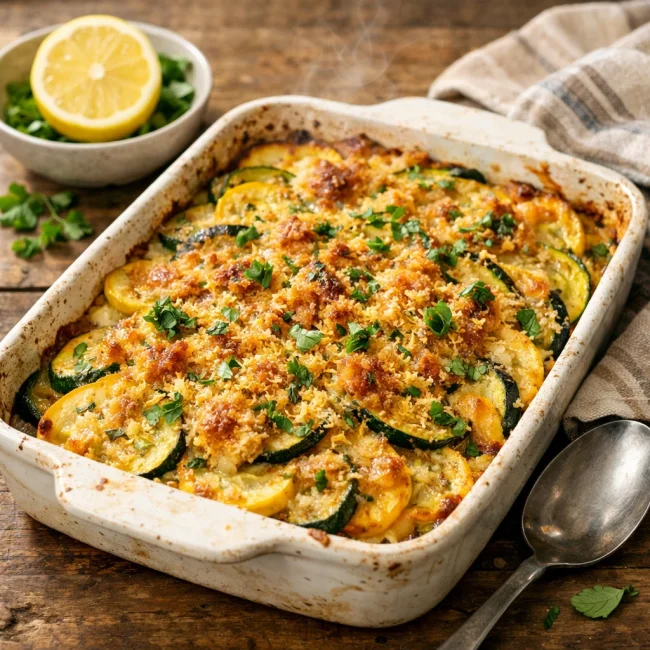
Zesty Summer Squash Casserole
This delightful summer squash casserole combines vibrant garden-fresh vegetables w...
View Recipe
Traditional Dump Cake
Discover the timeless delight of the Traditional Dump Cake, a simple and scrumptio...
View RecipeFrequently Asked Questions
- Can I use a different type of milk?
- Yes, but keep in mind that lower-fat milk will result in a less creamy custard.
- How can I tell when the custard is done?
- A knife inserted in the center should come out clean. The custard should also have a slight jiggle but not be liquid.
- Can I make this custard ahead of time?
- Absolutely! It can be prepared a day in advance and stored in the refrigerator.
Serving Ideas for Traditional Egg Custard
This egg custard pairs beautifully with fresh berries or a dollop of whipped cream. For a more indulgent treat, try drizzling a bit of caramel sauce over the top. If you're feeling adventurous, a few shavings of dark chocolate add a lovely contrast.
More Desserts Recipes
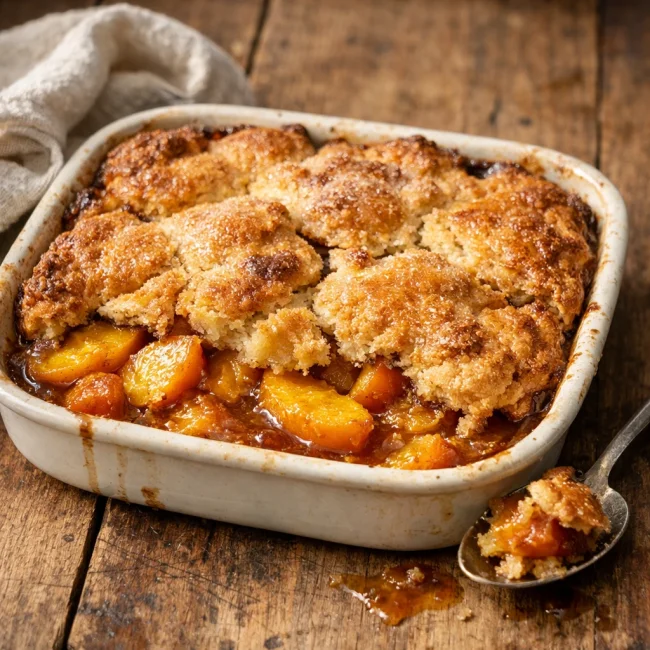
Rustic Vanilla Peach Cobbler
This rustic vanilla peach cobbler combines a rich, buttery crust with the sweet, v...
View Recipe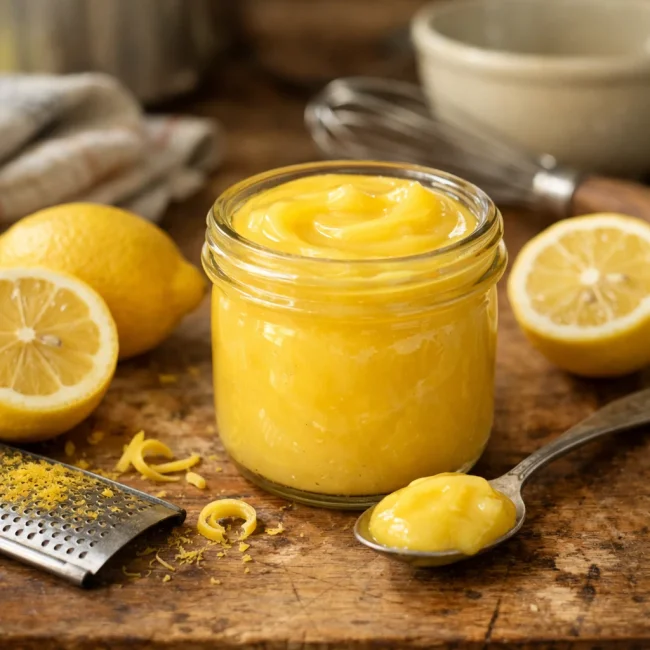
Traditional Lemon Curd
A classic, tangy lemon curd that is perfect for enhancing desserts, breakfast dish...
View Recipe
Traditional Cream Cheese Pie
A delightful and timeless dessert, Traditional Cream Cheese Pie offers a rich and ...
View Recipe
Timeless Cream Puff Delight
Indulge in a delectable Timeless Cream Puff Delight, a classic dessert featuring a...
View Recipe