
Traditional Easter Cake
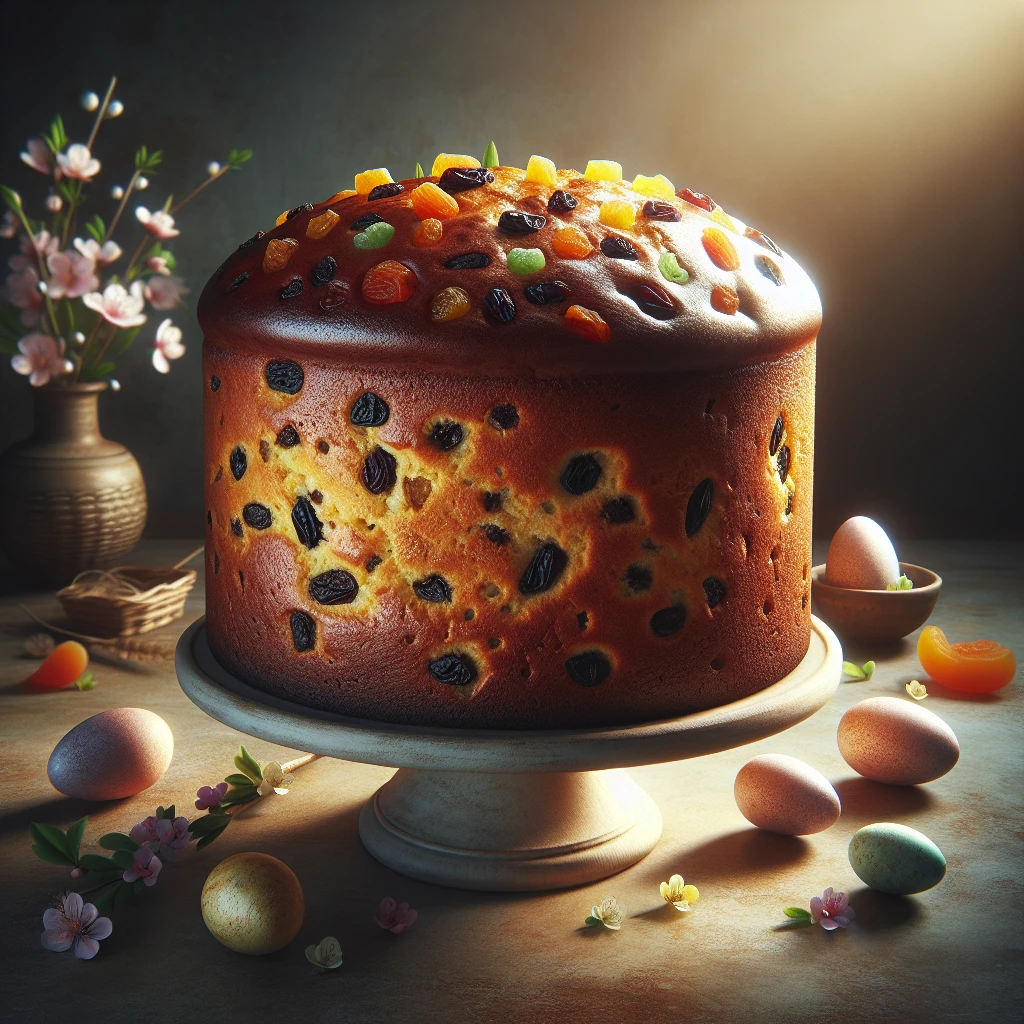
This Traditional Easter Cake is a delightful blend of warm spices and dried fruits, perfect for celebrating the season. With its rich flavors and festive ingredients, it’s a must-bake treat that brings joy to any Easter gathering.
 Share
Share
This post may contain affiliate links. As an Amazon Associate, we earn from qualifying purchases.
Ingredients for Traditional Easter Cake
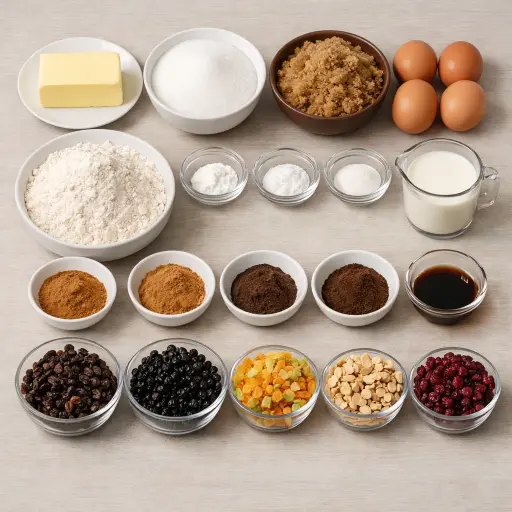
The heart of this cake is its ingredients, each playing a crucial role. The butter creates a rich and tender crumb, while a mix of granulated sugar and brown sugar adds sweetness and moisture. Eggs provide structure, ensuring the cake holds together beautifully. For our dry ingredients, all-purpose flour serves as the foundation, while baking powder and baking soda deliver the perfect lift. A pinch of salt enhances all the flavors. The star spices—cinnamon, nutmeg, cloves, and allspice—bring warmth and depth. Milk keeps the batter smooth, and vanilla extract adds a hint of sweetness. Finally, a medley of raisins, currants, candied citrus peel, almonds, and dried cranberries brings texture and holiday cheer.
Why This Traditional Easter Cake Works
During mixing, the butter and two kinds of sugar trap a lot of tiny air pockets. As the cake bakes, those little pockets expand from the heat, so the cake rises instead of baking up dense like a brick. The eggs then set around those pockets and give the cake a firm but soft structure, so it slices cleanly and doesn’t crumble apart.
In the dry bowl, the flour, baking powder, and baking soda work together. With the milk and the moisture from the eggs, the baking powder and soda start to react in the oven and create more lift. The flour soaks up the liquid and swells, which keeps all the fruit and nuts held in place instead of sinking to the bottom.
With the low oven temperature and long bake, the batter has time to cook all the way through without burning the outside. The fruit softens, the nuts stay a little crunchy, and the spices spread through the whole cake while the center slowly sets.
Traditional Easter Cake Tips & Tricks
- Soak the dried fruits in a bit of warm water or juice before adding them to the batter for extra plumpness.
- If you prefer a smoother top, gently tap the filled cake pan on the counter to level the batter before baking.
- For easy removal, line the bottom of your cake pan with parchment paper.
Mistakes To Avoid
Baking this cake at a higher temperature to “speed it up” often makes the outside go dark and hard while the center stays wet and undercooked. The crust can even taste burnt by the time the middle is barely set, so the cake slices unevenly and collapses in the center.
Cutting the bake time short because the top looks done leads to a heavy, gummy middle. The toothpick might come out with sticky crumbs, and once cooled, the cake sinks and feels damp instead of springy.
Skipping the step of creaming the butter with both sugars until really light and fluffy leaves the batter dense. The cake then rises less in the oven and comes out tight and heavy, more like a brick than a soft celebration cake.
Dumping all the flour mixture and all the milk in at once makes it hard to mix without overworking the batter. The gluten tightens, the fruit doesn’t stay suspended evenly, and the cake bakes up tough with most of the fruit sunk at the bottom.
Equipment Used:
Ingredients
- 1 cup unsalted butter
- 1 cup granulated sugar
- 1 cup brown sugar
- 4 large eggs
- 2 cups all-purpose flour
- 1 tsp baking powder
- 1/2 tsp baking soda
- 1/2 tsp salt
- 1 tsp ground cinnamon
- 1/2 tsp ground nutmeg
- 1/4 tsp ground cloves
- 1/4 tsp ground allspice
- 1/2 cup milk
- 1 tsp vanilla extract
- 1 cup raisins
- 1 cup currants
- 1/2 cup chopped candied citrus peel
- 1/2 cup chopped almonds
- 1/2 cup dried cranberries
Step-by-step Instructions
- 1. Preheat your oven to 325°F (163°C) and grease a 9-inch round cake pan.
- 2. In a large bowl, cream together the butter, granulated sugar, and brown sugar until light and fluffy.
- 3. Add the eggs one at a time, beating well after each addition.
- 4. In a separate bowl, whisk together the flour, baking powder, baking soda, salt, cinnamon, nutmeg, cloves, and allspice.
- 5. Gradually add the dry ingredients to the creamed mixture, alternating with milk; begin and end with the dry ingredients.
- 6. Stir in the vanilla extract, raisins, currants, candied citrus peel, almonds, and dried cranberries.
- 7. Pour the batter into the prepared cake pan and smooth the top with a spatula.
- 8. Bake in the preheated oven for 60-70 minutes, or until a toothpick inserted into the center comes out clean.
- 9. Allow the cake to cool in the pan for 10 minutes, then transfer to a wire rack to cool completely.
Trending Now
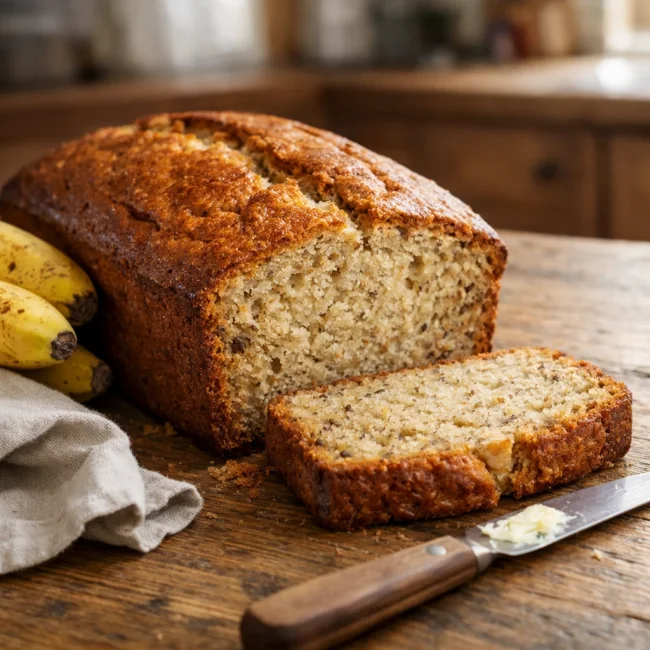
Classic Banana Bread
Classic Banana Bread is a timeless dessert beloved for its moist texture and sweet...
View Recipe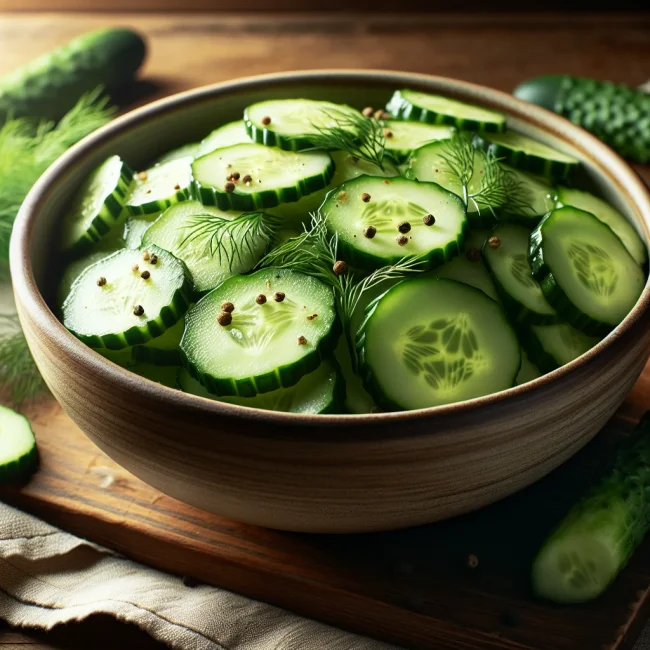
Classic Cucumber Salad
A refreshing and light cucumber salad featuring crisp cucumbers and a tangy vinaig...
View Recipe
Zesty Summer Squash Casserole
This delightful summer squash casserole combines vibrant garden-fresh vegetables w...
View Recipe
Traditional Dump Cake
Discover the timeless delight of the Traditional Dump Cake, a simple and scrumptio...
View RecipeFrequently Asked Questions
- Can I substitute the dried fruits with other options?
- Absolutely! Feel free to swap in your favorite dried fruits like apricots or cherries.
- How long does the cake keep?
- Stored in an airtight container, it keeps well for up to a week. In fact, the flavors improve over time!
- Can I make this cake gluten-free?
- Yes, simply use a gluten-free all-purpose flour blend to replace the regular flour.
Serving Ideas for Traditional Easter Cake
This cake pairs beautifully with a dollop of fresh whipped cream or a scoop of vanilla ice cream. For a festive touch, dust the top with powdered sugar or drizzle with a simple glaze made from powdered sugar and lemon juice.
More Desserts Recipes
Rustic Vanilla Peach Cobbler
This rustic vanilla peach cobbler combines a rich, buttery crust with the sweet, v...
View Recipe
Traditional Lemon Curd
A classic, tangy lemon curd that is perfect for enhancing desserts, breakfast dish...
View Recipe
Traditional Cream Cheese Pie
A delightful and timeless dessert, Traditional Cream Cheese Pie offers a rich and ...
View Recipe
Timeless Cream Puff Delight
Indulge in a delectable Timeless Cream Puff Delight, a classic dessert featuring a...
View Recipe