
Traditional Danish Pastry
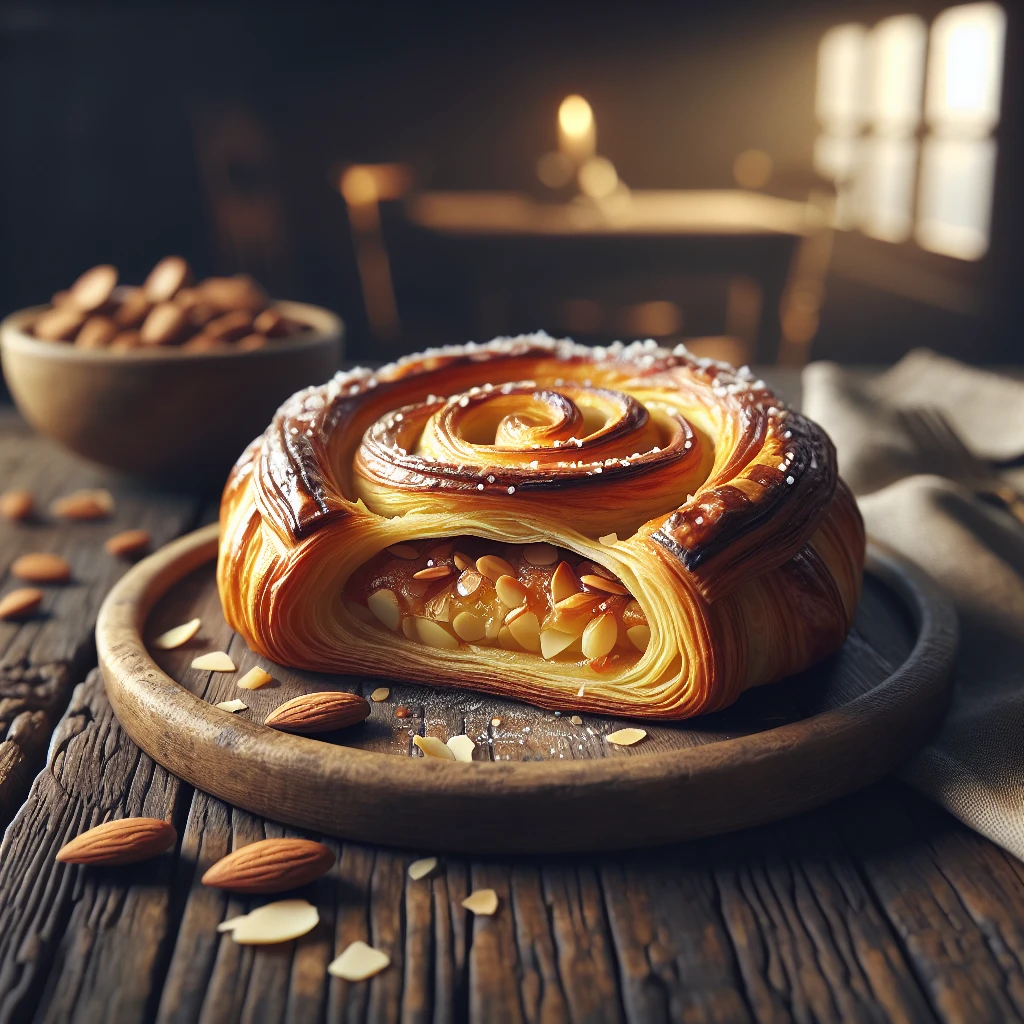
Discover the magic of baking with this Traditional Danish Pastry recipe. Its flaky layers and rich almond flavor make it a standout treat perfect for any occasion. Follow along for a delightful baking experience that will warm your kitchen and heart.
 Share
Share
This post may contain affiliate links. As an Amazon Associate, we earn from qualifying purchases.
Ingredients for Traditional Danish Pastry
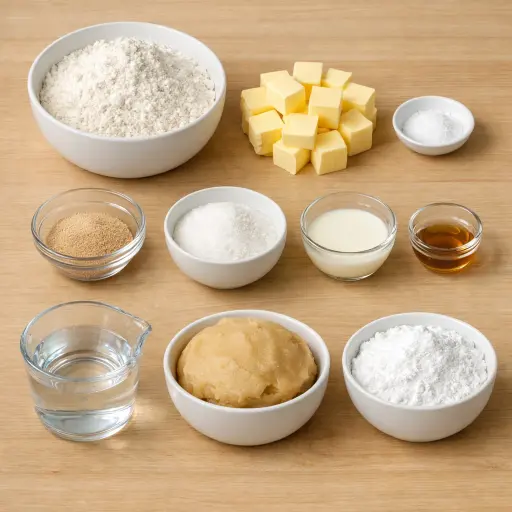
All-purpose flour forms the base of our dough, providing structure and texture. Unsalted butter, when cold, creates those delightful flaky layers. Salt enhances the overall flavor without overpowering the sweetness. Cold water helps bring the dough together without melting the butter. Active dry yeast gives the pastry a light rise and delicate texture. Warm milk activates the yeast, while granulated sugar adds a touch of sweetness to the dough. Almond extract enhances the nutty aroma that defines this pastry. Almond paste is the star of the show, offering a rich, sweet, and nutty filling. Finally, powdered sugar adds a finishing touch, dusting the pastry with a light sweetness.
Why This Traditional Danish Pastry Works
Cold butter going into the flour means the butter stays in little chunks instead of melting right away. During baking, those bits of butter melt and leave tiny gaps in the dough, so the pastry bakes up flaky instead of dense. The salt in the flour keeps the dough from tasting flat, but the dough itself stays pretty simple and not too wet, which is good for layers.
After the dough chills, the yeast mixture and almond paste get rolled and folded inside. As the dough rests and warms up, the yeast wakes up in the milk and sugar and starts to puff the dough from the inside. While it rises, the butter softens just enough so the layers can stretch without tearing.
In the oven, the butter melts, the water in the dough turns to steam, and the yeast finishes its job. All that trapped steam pushes the layers apart while the outside browns and firms up. By the time it cools, the ring holds its shape, the inside stays soft and slightly chewy, and the almond filling is spread through the pastry instead of leaking out.
Traditional Danish Pastry Tips & Tricks
- Ensure the butter is very cold; this is crucial for creating flaky layers.
- Avoid overworking the dough to maintain tenderness.
- If the almond paste is too firm, soften it slightly in the microwave for a few seconds.
- Use a sharp knife to make clean cuts when shaping the pastry.
Mistakes To Avoid
Rolling the dough too thin after adding the butter and yeast mixture can flatten all the layers. The butter then melts out quickly in the oven instead of steaming between layers, and the pastry bakes up as a hard, flat sheet instead of puffed and flaky.
Letting the shaped ring rise in a very warm spot or for much longer than 30 minutes often makes the butter soften too much inside the dough. Once it goes into the oven, the fat leaks out onto the pan, leaving the pastry greasy on the tray and dry and bready inside.
Skipping the chill time for the dough means the butter softens and blends fully into the flour. During baking, there are no clear layers to separate and lift, so the pastry turns out dense, more like a simple bread ring than a laminated Danish.
Spreading the almond paste in thick clumps instead of a fairly even layer creates heavy pockets. Those spots stay gummy and underbaked while the thinner parts of the ring brown faster, so the pastry ends up uneven in texture and can crack around the thick fillings.
Equipment Used:
Ingredients
- 2 cups all-purpose flour
- 1 cup unsalted butter, cold
- 1/2 teaspoon salt
- 1/2 cup cold water
- 1 tablespoon active dry yeast
- 1/4 cup warm milk
- 2 tablespoons granulated sugar
- 1 teaspoon almond extract
- 1 cup almond paste
- 1/2 cup powdered sugar
Step-by-step Instructions
- 1. In a mixing bowl, combine flour and salt. Add cold butter and mix until the mixture resembles coarse crumbs.
- 2. Stir in cold water gradually to form a dough. Wrap in plastic and refrigerate for 1 hour.
- 3. Dissolve yeast in warm milk and let sit for 10 minutes. Stir in granulated sugar and almond extract.
- 4. Roll dough into a rectangle and spread yeast mixture over half. Fold and roll out again.
- 5. Spread almond paste over the dough, fold and roll to incorporate.
- 6. Shape the dough into a ring or oval on a baking sheet lined with parchment paper.
- 7. Let rise for 30 minutes, then bake at 375°F (190°C) for 25-30 minutes until golden brown.
- 8. Once cooled, dust with powdered sugar before serving.
Trending Now
Oven-Baked Pork Chops
Enjoy a delightful dinner with these tender and juicy oven-baked pork chops, seaso...
View Recipe
Traditional Corn Casserole
A delightful corn casserole dish that embodies the comforting flavors of sweet cor...
View Recipe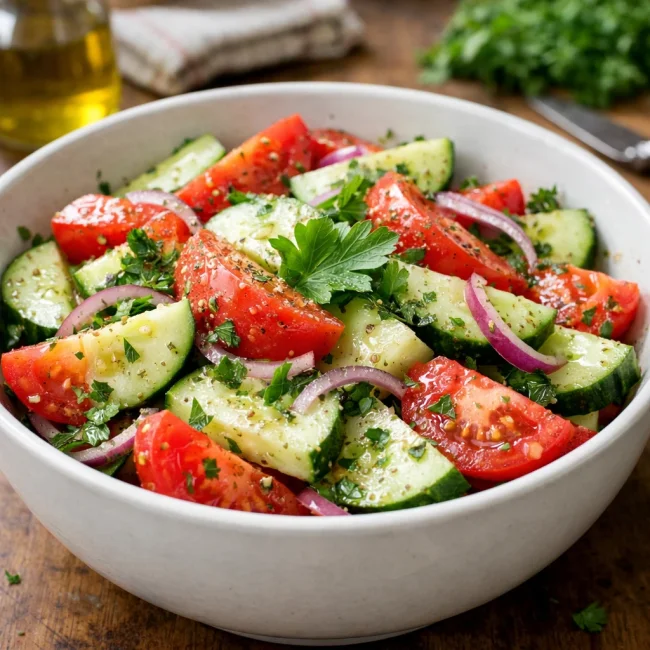
Traditional Cucumber and Tomato Salad
A refreshing and simple salad combining crisp cucumbers and juicy tomatoes, season...
View Recipe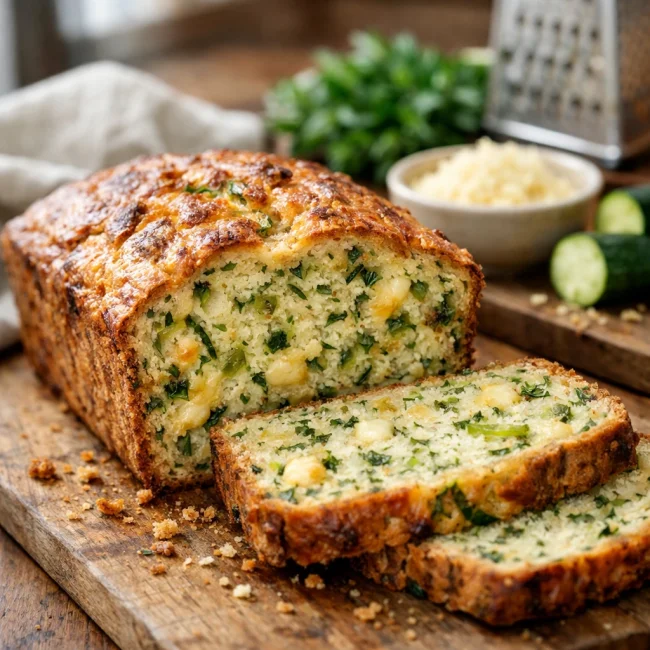
Savory Zucchini Bread
Savory Zucchini Bread is a delectable twist on traditional zucchini recipes, combi...
View RecipeFrequently Asked Questions
- Can I make the dough ahead of time?
- Yes, you can prepare the dough a day in advance and keep it refrigerated.
- Is there a substitute for almond paste?
- You can use marzipan, but it will result in a slightly sweeter pastry.
- Can I freeze the pastry?
- Yes, you can freeze it before the final bake. Just allow extra baking time when you’re ready to enjoy it.
Serving Ideas for Traditional Danish Pastry
This pastry pairs wonderfully with a dollop of whipped cream or a scoop of vanilla ice cream. For a festive touch, drizzle some melted chocolate over the top before serving. It also makes for an elegant addition to a brunch spread or afternoon tea.
More Desserts Recipes
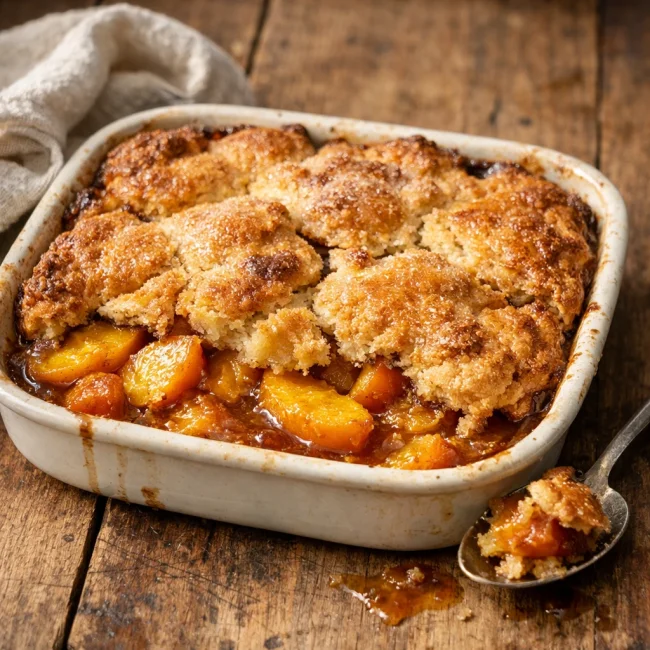
Rustic Vanilla Peach Cobbler
This rustic vanilla peach cobbler combines a rich, buttery crust with the sweet, v...
View Recipe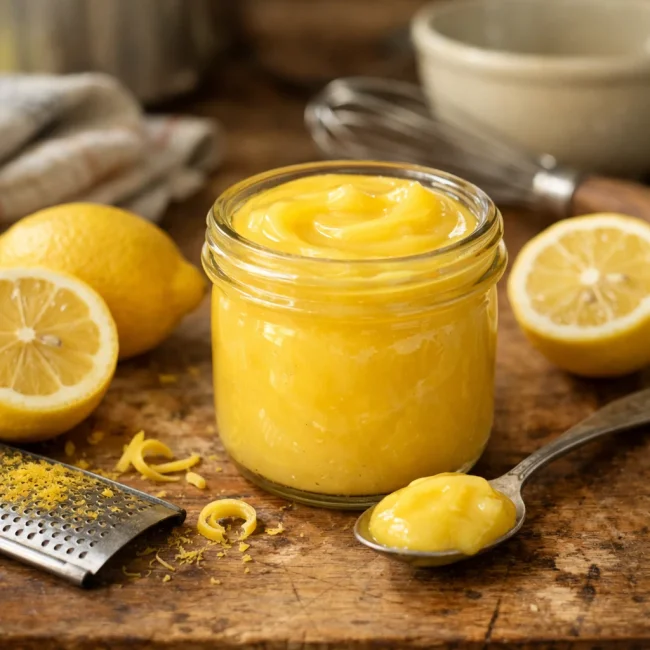
Traditional Lemon Curd
A classic, tangy lemon curd that is perfect for enhancing desserts, breakfast dish...
View Recipe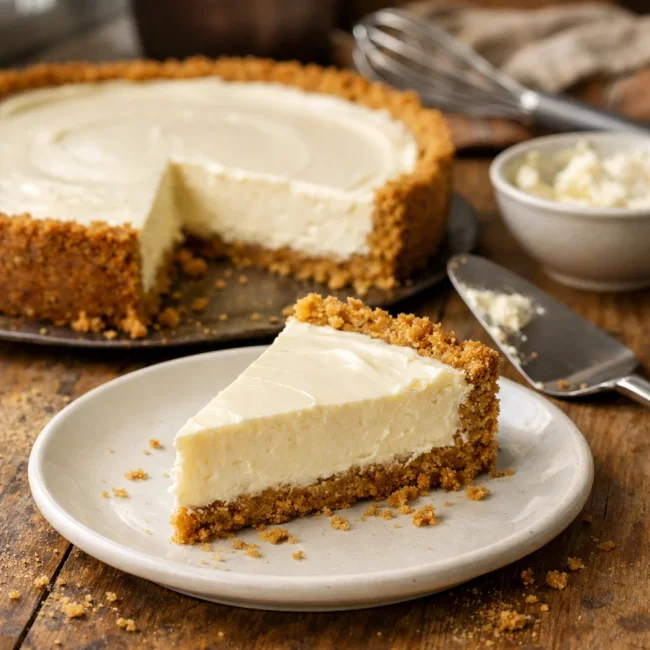
Traditional Cream Cheese Pie
A delightful and timeless dessert, Traditional Cream Cheese Pie offers a rich and ...
View Recipe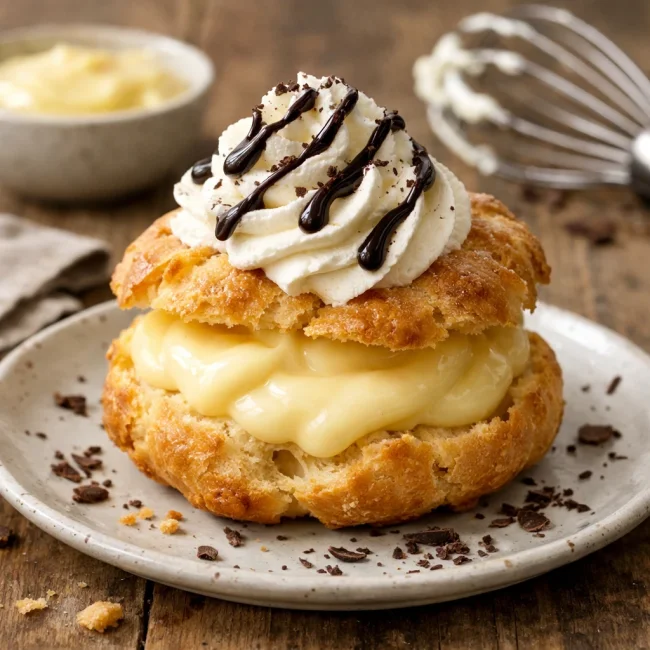
Timeless Cream Puff Delight
Indulge in a delectable Timeless Cream Puff Delight, a classic dessert featuring a...
View Recipe