
Traditional Creole Gumbo
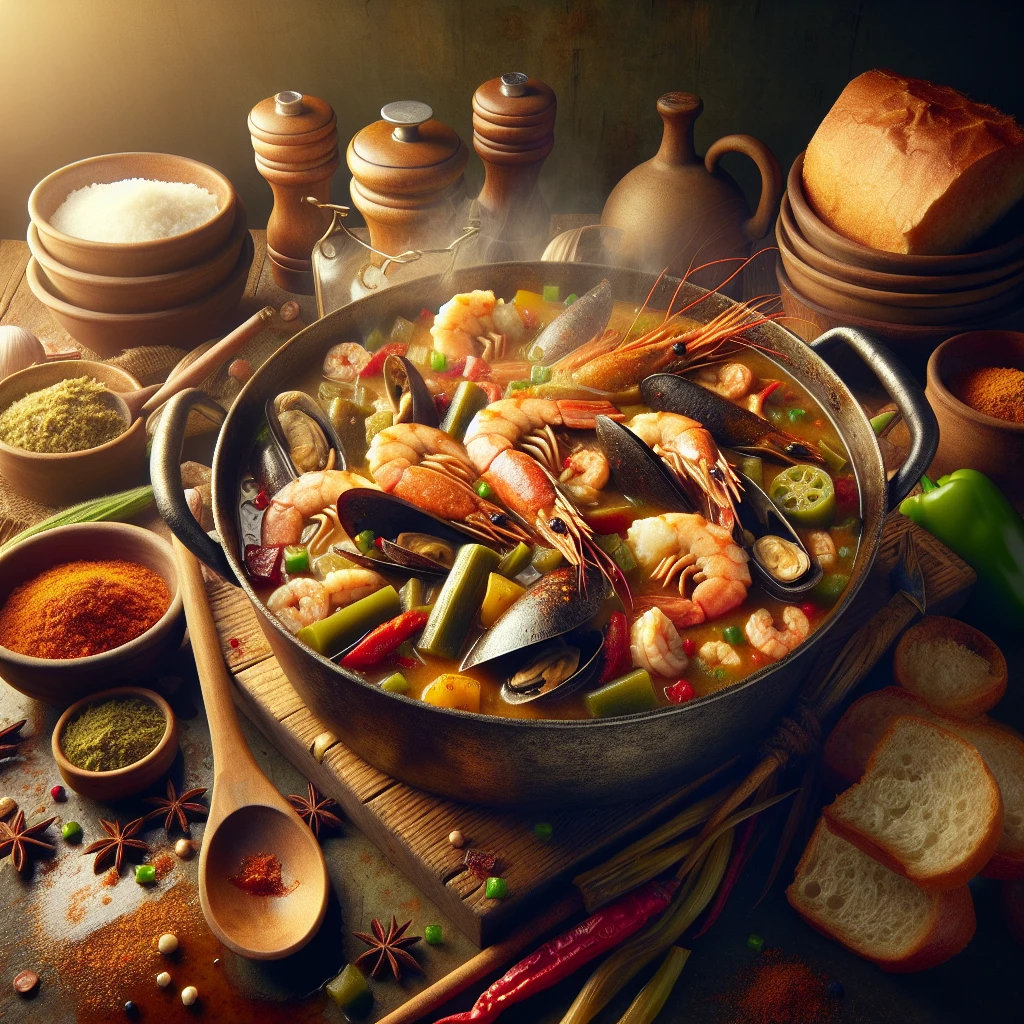
If you're craving a dish that's bursting with flavor and steeped in tradition, look no further than this Traditional Creole Gumbo. It's a hearty, comforting stew that brings together the rich culinary history of Creole cuisine with a modern home cook's twist.
 Share
Share
This post may contain affiliate links. As an Amazon Associate, we earn from qualifying purchases.
Ingredients for Traditional Creole Gumbo
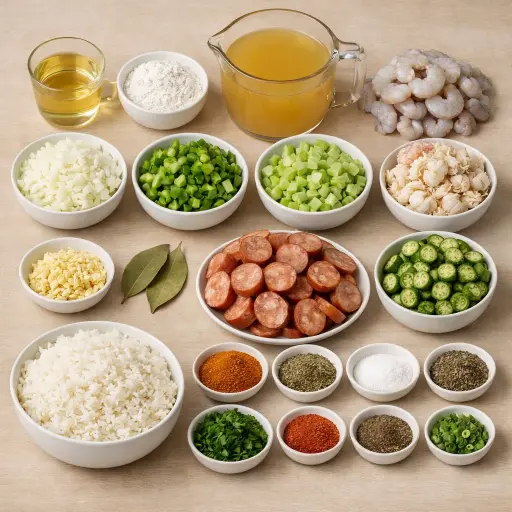
The secret to a good gumbo is in the roux, a blend of vegetable oil and flour cooked until it turns a deep brown, adding a nutty base flavor. The onion, bell pepper, and celery—known as the "holy trinity" in Creole cooking—bring a foundational aromatic depth. Adding garlic ramps up the flavor profile, while andouille sausage brings a smoky, spicy element. Fresh shrimp and crabmeat add a touch of sweetness and texture to the gumbo. Chicken stock provides a savory liquid to meld everything together. Okra not only thickens the gumbo but also adds a unique flavor. Bay leaves, Creole seasoning, thyme, salt, cayenne pepper, and black pepper round out the spice mix, giving it that unmistakable Creole kick. Serve it all over fluffy white rice, garnished with fresh parsley and green onions for a burst of color and freshness.
Why This Traditional Creole Gumbo Works
At the start, the oil and flour cook together for a long time and slowly turn dark. During this time the flour browns and thickens the oil, so it becomes a deep, nutty paste that will later thicken the whole pot. Once the onion, bell pepper, celery, and garlic go in, that hot roux coats them. As they sit in it, the vegetables soften and their juices loosen the roux so it spreads through the pot instead of staying in one spot.
After a few minutes, the sausage goes in and browns a bit in that same fat, so its juices mix right into the roux-coated vegetables. When the chicken stock is whisked in, the browned flour grabs the liquid and the gumbo slowly turns from thin to thick and silky as it simmers. During this long simmer, the okra softens and its natural thickness blends with the roux, so the gumbo stays hearty and not watery. Near the end, the shrimp and crab just barely cook in the hot broth, so they stay tender instead of rubbery, and their juices stay in the gumbo instead of leaking out.
Traditional Creole Gumbo Tips & Tricks
- Keep stirring the roux to avoid burning; it's the heart of your gumbo's flavor.
- Use fresh seafood for a more vibrant taste, but frozen works in a pinch.
- Adjust the cayenne pepper to your spice preference; a little goes a long way.
- For a thicker gumbo, let it simmer uncovered for a bit longer.
Mistakes To Avoid
Letting the roux cook too fast over high heat often scorches the flour and oil before it reaches a deep brown. Burned roux turns bitter and gives the whole pot a harsh, burnt taste, and the gumbo ends up with a slightly gritty feel instead of a smooth base.
Stopping the roux too early, while it is still light, leaves it pale and weak. In the pot, this lighter roux does not thicken the liquid as much, so the gumbo stays thin and brothy instead of rich and slightly silky.
Dumping in all the stock at once can cause the roux to seize into clumps. Once that happens, the lumps are hard to break up, and the gumbo cooks with little flour balls floating around, giving an uneven texture and random thick spots.
Adding the shrimp and crab too early during the long simmer makes the seafood sit in hot liquid for far too long. The shrimp tighten up and turn rubbery, and the crab breaks down into stringy bits that disappear into the broth instead of staying tender.
Equipment Used:
Ingredients
- 1/2 cup vegetable oil
- 1/2 cup all-purpose flour
- 1 cup chopped onion
- 1 cup chopped bell pepper
- 1 cup chopped celery
- 4 cloves garlic, minced
- 1 pound andouille sausage, sliced
- 1 pound shrimp, peeled and deveined
- 1 pound crabmeat
- 2 quarts chicken stock
- 2 cups sliced okra
- 2 bay leaves
- 1 tablespoon Creole seasoning
- 1 teaspoon dried thyme
- 1 teaspoon salt
- 1/2 teaspoon cayenne pepper
- 1/2 teaspoon black pepper
- 4 cups cooked white rice
- 1/4 cup chopped fresh parsley
- 1/4 cup chopped green onions
Step-by-step Instructions
- 1. In a large pot, heat the vegetable oil over medium heat and whisk in the flour to create a roux, cooking until it turns a dark brown, about 20 minutes.
- 2. Add the onions, bell pepper, celery, and garlic to the roux and cook until the vegetables are tender, about 10 minutes.
- 3. Stir in the sliced andouille sausage and cook for an additional 5 minutes.
- 4. Gradually whisk in the chicken stock, ensuring no lumps form.
- 5. Add the okra, bay leaves, Creole seasoning, thyme, salt, cayenne, and black pepper. Bring the mixture to a boil, then reduce the heat and let simmer for about 45 minutes.
- 6. Stir in the shrimp and crabmeat, cooking until the shrimp is pink and cooked through, about 5 minutes.
- 7. Remove the bay leaves, and adjust seasoning if necessary.
- 8. Serve over cooked white rice and garnish with fresh parsley and green onions.
Trending Now

Zesty Summer Squash Casserole
This delightful summer squash casserole combines vibrant garden-fresh vegetables w...
View Recipe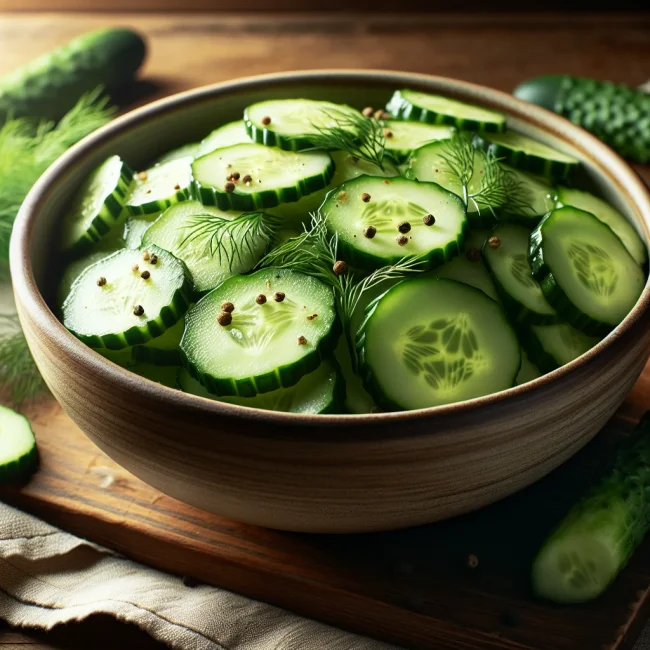
Classic Cucumber Salad
A refreshing and light cucumber salad featuring crisp cucumbers and a tangy vinaig...
View Recipe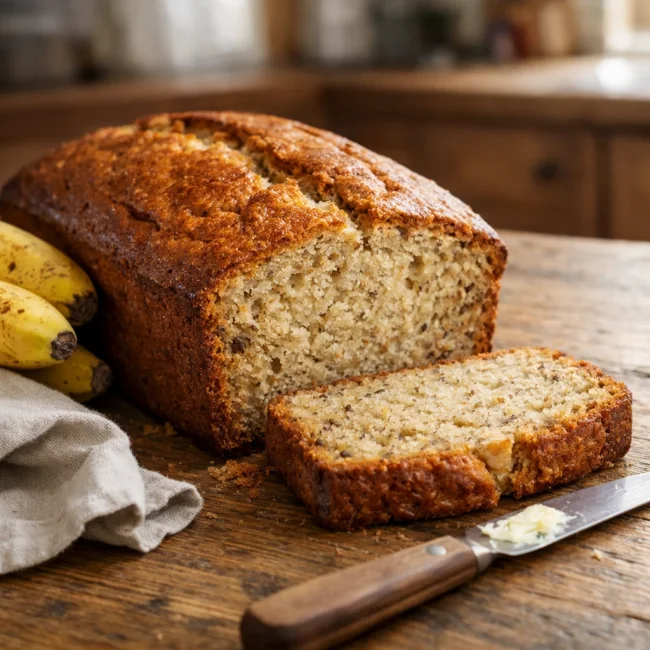
Classic Banana Bread
Classic Banana Bread is a timeless dessert beloved for its moist texture and sweet...
View Recipe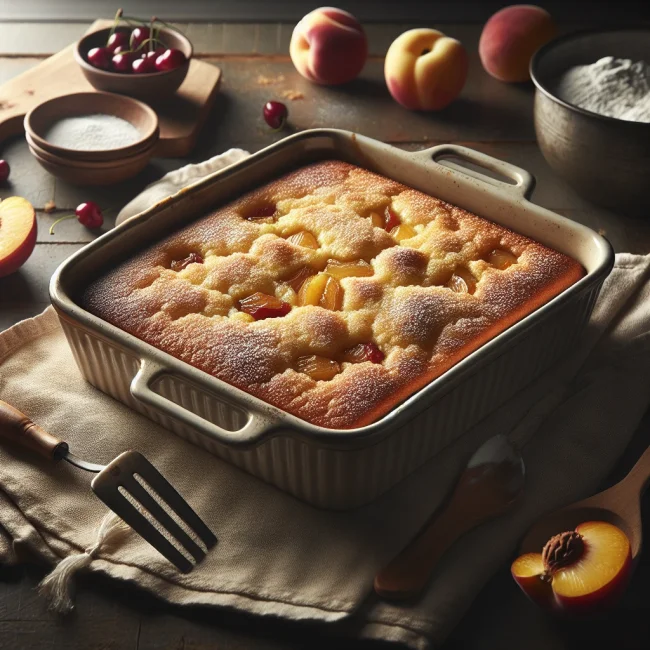
Traditional Dump Cake
Discover the timeless delight of the Traditional Dump Cake, a simple and scrumptio...
View RecipeFrequently Asked Questions
- Can I freeze leftover gumbo?
- Yes, gumbo freezes well! Just let it cool completely, then store it in airtight containers. It can be frozen for up to three months.
- What if I can't find andouille sausage?
- If you can't find andouille, try kielbasa or chorizo for a similar smoky flavor.
- Is there a vegetarian version of gumbo?
- Absolutely! Skip the sausage and seafood, and add more vegetables like mushrooms and zucchini. Use vegetable stock instead of chicken stock.
Serving Ideas for Traditional Creole Gumbo
This gumbo pairs wonderfully with a side of cornbread or buttered French bread for dipping. A simple green salad with a tangy vinaigrette balances the rich flavors of the gumbo. For a complete Creole experience, consider serving with a side of sautéed greens or collard greens.
More Soups & Stews Recipes
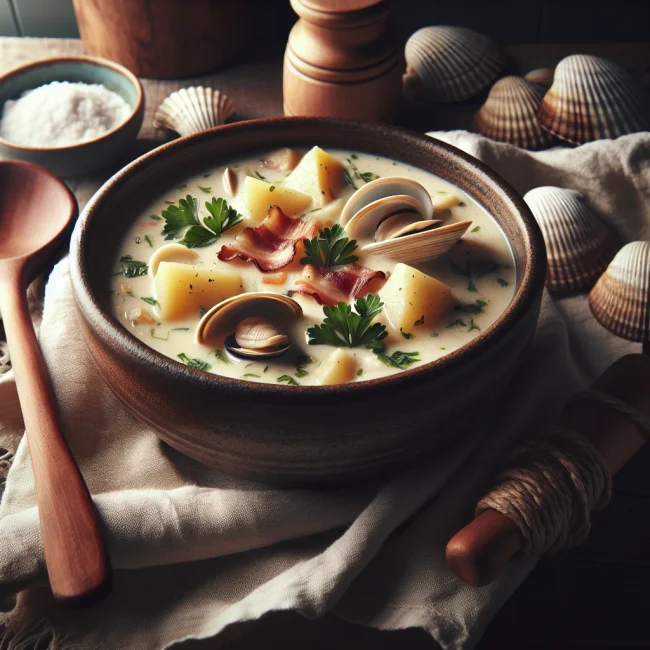
Classic Clam Chowder
Indulge in a timeless seaside staple with our Classic Clam Chowder recipe, a rich ...
View Recipe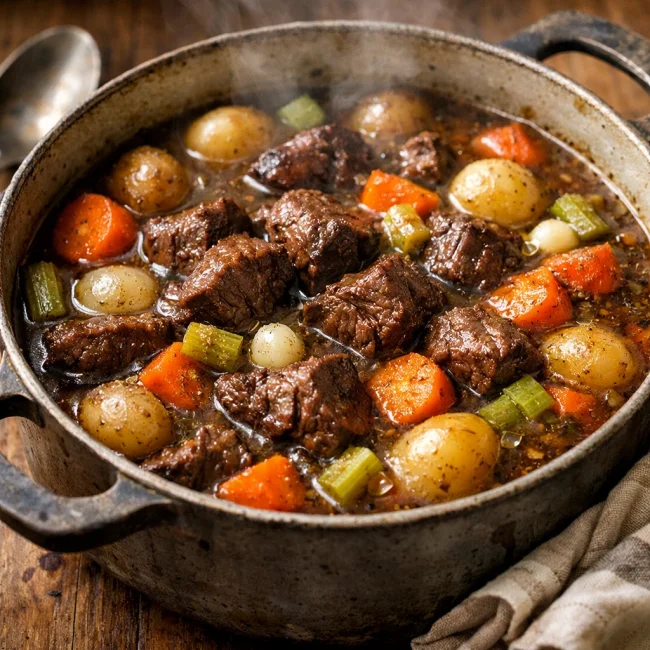
Traditional Beef Stew
A heartwarming traditional beef stew that combines tender beef chunks with classic...
View Recipe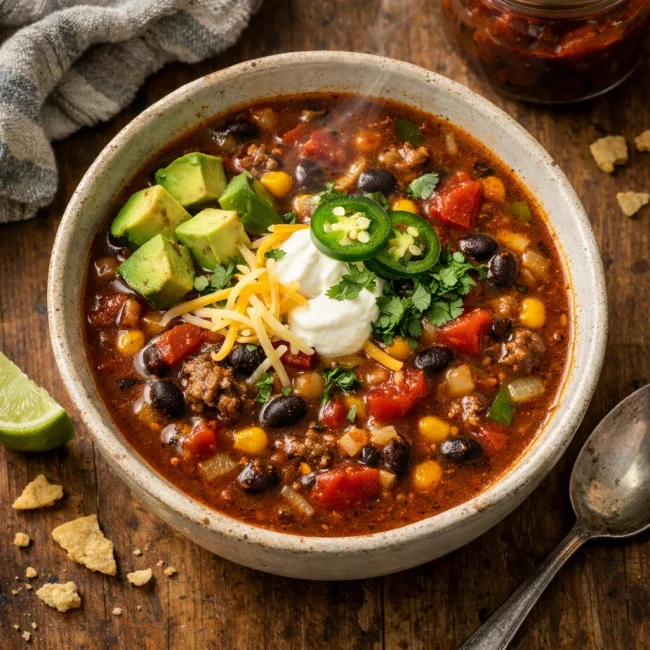
Southwestern Chipotle Taco Soup
Explore the bold flavors of the Southwest with this unique variation of taco soup,...
View Recipe
Southwest Fiesta Taco Soup
Discover the vibrant flavors of our Southwest Fiesta Taco Soup, a quick and hearty...
View Recipe