
Traditional Cornish Hens
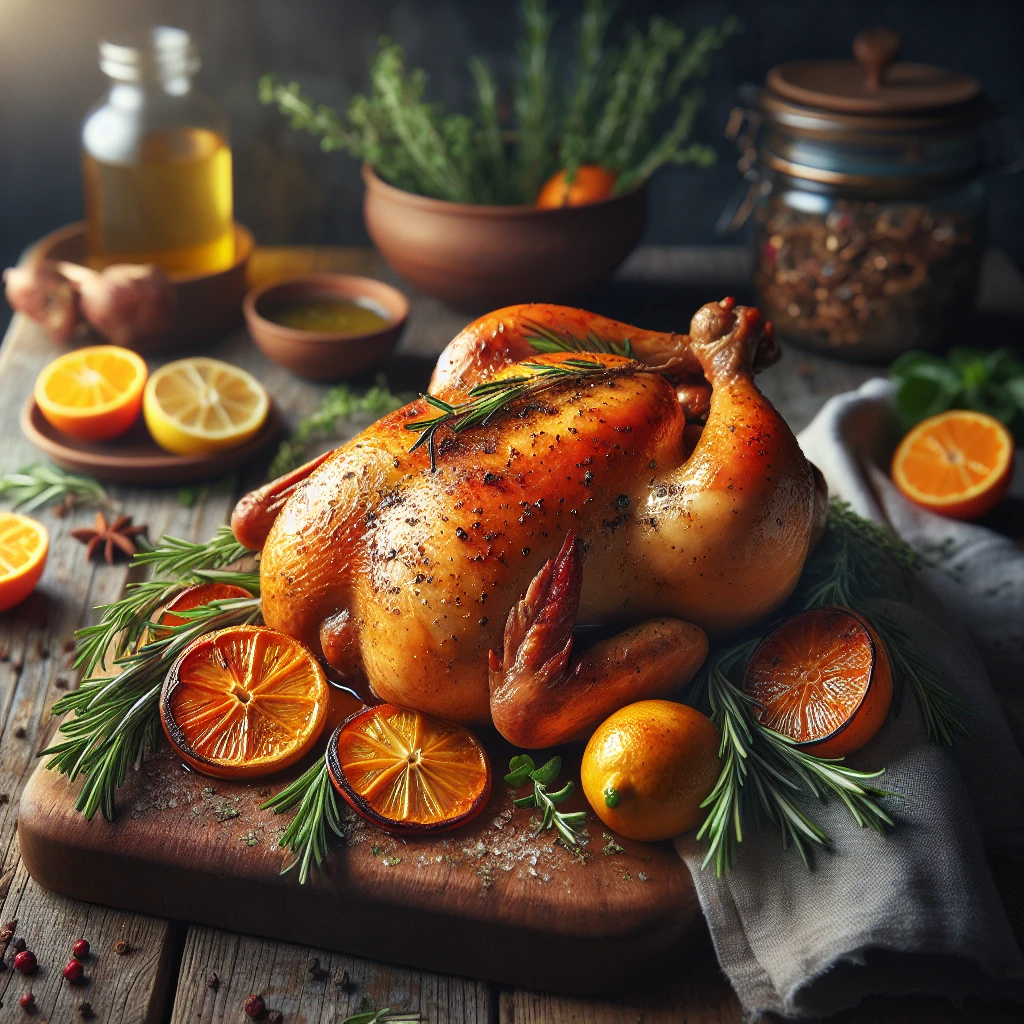
Traditional Cornish Hens are a delightfully elegant option for any dinner gathering, offering both visual appeal and mouthwatering flavors. Perfectly seasoned and roasted to juicy perfection, they capture the essence of rustic charm and sophisticated taste.
 Share
Share
This post may contain affiliate links. As an Amazon Associate, we earn from qualifying purchases.
Ingredients for Traditional Cornish Hens
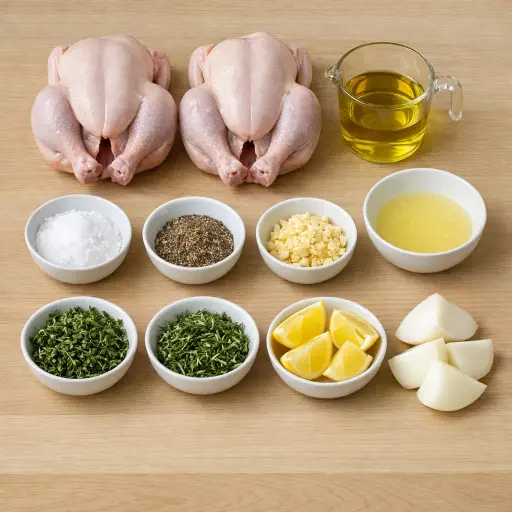
Cornish hens are small, tender birds, ideal for individual servings and offer a sophisticated alternative to chicken. The olive oil keeps the hens moist during roasting, while the lemon juice adds a zesty brightness. Salt and black pepper are essential for seasoning, enhancing the natural flavors of the meat. Garlic provides a bold, savory depth, complemented by fresh thyme and rosemary, which add herbal notes and aroma. The lemon and onion stuffed inside infuse the meat with moisture and flavor from within.
Why This Traditional Cornish Hens Works
In the oven, the Cornish hens slowly warm up, and the fat under the skin starts to melt. That melted fat mixes with the olive oil and coats the meat from the outside in, so the meat stays moist instead of drying out. While the hens roast, the skin dries a bit and then browns, which gives a crisp outside that protects the softer meat underneath.
As the heat moves toward the center, the lemon and onion inside the cavity start to steam. That steam keeps the inside from drying and carries the garlic, thyme, and rosemary through the hens. Over time, the salt in the marinade pulls a little moisture out to the surface, then the juices settle back in as the hens rest, so the meat stays juicy when sliced.
By the time they reach 165°F and sit for a few minutes, the meat has finished tightening and then relaxing again, so it stays tender and doesn’t spill all its juices on the cutting board.
Traditional Cornish Hens Tips & Tricks
- Don't skip patting the hens dry; it’s key to crispy skin.
- Use a meat thermometer for accuracy; it takes the guesswork out.
- If you like a deeper flavor, marinate the hens for a few hours or overnight in the fridge.
- For a golden-brown finish, baste the hens with pan juices halfway through roasting.
Mistakes To Avoid
Letting the hens go into the oven still damp from rinsing makes the skin steam instead of roast. The moisture on the surface keeps the skin from drying out and tightening, so it comes out soft and rubbery instead of crisp and browned.
Roasting only by time and not checking the internal temperature often leads to dry, stringy meat. Cornish hens are small, so they can hit 165°F quickly; once they go much past that, the breast meat tightens and squeezes out its juices, leaving the whole bird less moist.
Packing the cavity too tightly with lemon and onion can slow down the cooking in the center. The hot air can’t move through the bird, so the thighs and area around the cavity stay undercooked while the outside is already starting to dry.
Placing the hens too close together in the pan causes them to steam in their own juices. The sides where they touch stay pale and soft, and the skin never really crisps because the trapped liquid keeps boiling around them.
Equipment Used:
Ingredients
- 2 Cornish hens (about 1.5 lbs each)
- 1/4 cup olive oil
- 1 tablespoon freshly squeezed lemon juice
- 2 teaspoons salt
- 1 teaspoon black pepper
- 3 cloves garlic, minced
- 1 tablespoon fresh thyme leaves
- 1 tablespoon fresh rosemary, chopped
- 1 lemon, quartered
- 1 onion, quartered
Step-by-step Instructions
- 1. Preheat your oven to 375°F.
- 2. Rinse the Cornish hens under cold water and pat dry with paper towels.
- 3. In a small bowl, mix the olive oil, lemon juice, salt, pepper, and minced garlic to create a marinade.
- 4. Rub the marinade generously over the hens, ensuring it gets into all the crevices.
- 5. Stuff each hen with a lemon quarter, onion quarter, thyme, and rosemary.
- 6. Place the hens breast side up in a roasting pan.
- 7. Roast in the preheated oven for about 60-70 minutes, or until the internal temperature reaches 165°F.
- 8. Let the hens rest for 10 minutes before serving.
Trending Now
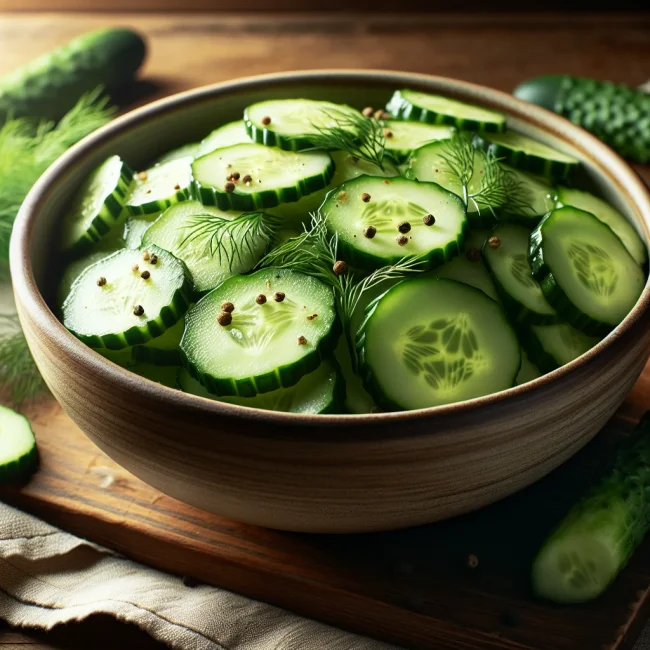
Classic Cucumber Salad
A refreshing and light cucumber salad featuring crisp cucumbers and a tangy vinaig...
View Recipe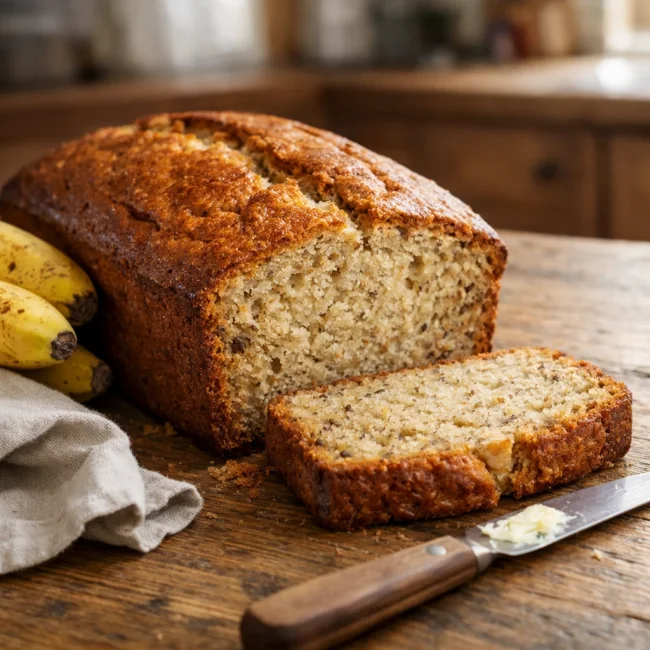
Classic Banana Bread
Classic Banana Bread is a timeless dessert beloved for its moist texture and sweet...
View Recipe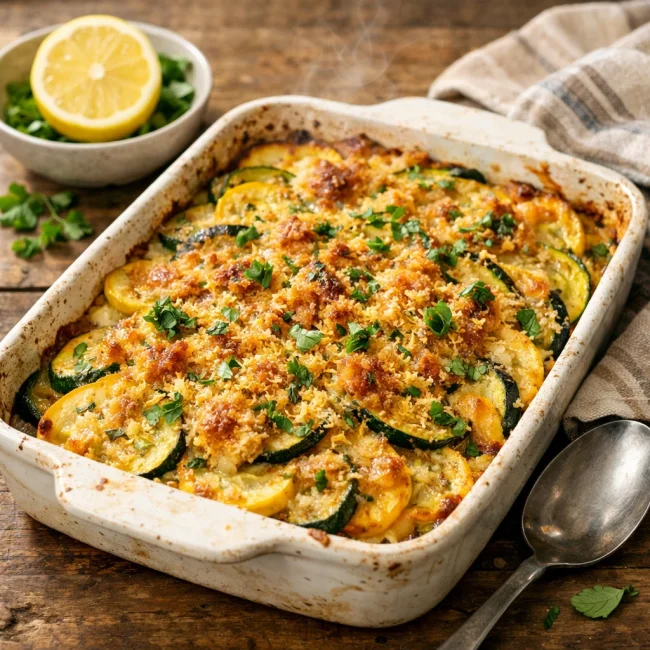
Zesty Summer Squash Casserole
This delightful summer squash casserole combines vibrant garden-fresh vegetables w...
View Recipe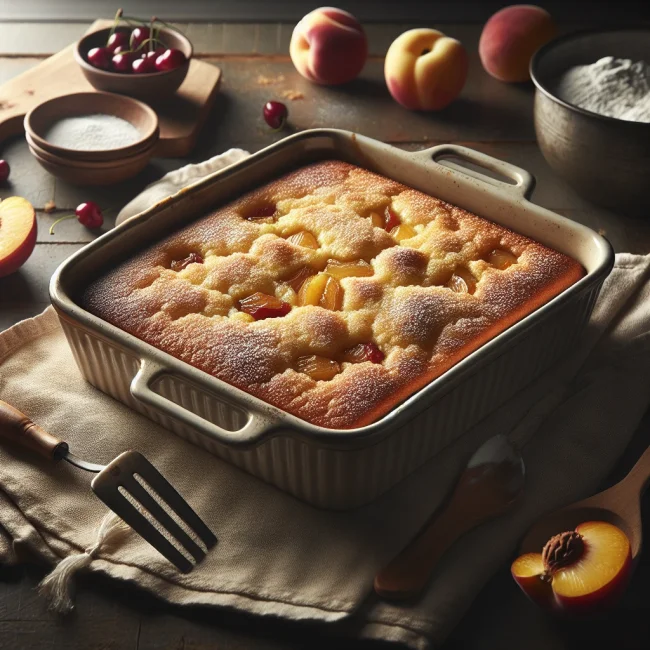
Traditional Dump Cake
Discover the timeless delight of the Traditional Dump Cake, a simple and scrumptio...
View RecipeFrequently Asked Questions
- Can I use dried herbs instead of fresh?
- Yes, but use half the amount of dried herbs, as they are more concentrated.
- How do I store leftovers?
- Store in an airtight container in the refrigerator for up to 3 days.
- Can I cook this recipe on a grill?
- Yes, grilling adds a wonderful smoky flavor. Just ensure the internal temperature reaches 165°F.
Serving Ideas for Traditional Cornish Hens
Serve these succulent hens over a bed of wild rice or alongside roasted root vegetables for a complete and hearty meal. A crisp green salad with a citrus vinaigrette complements the rich flavors well.
More Main Dishes Recipes
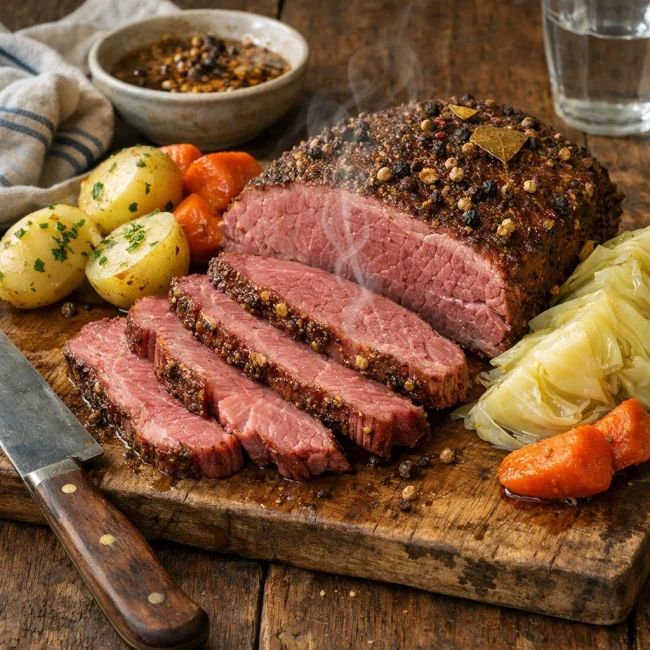
Unique Homemade Corned Beef
Discover the ultimate homemade corned beef recipe that balances rich flavors and t...
View Recipe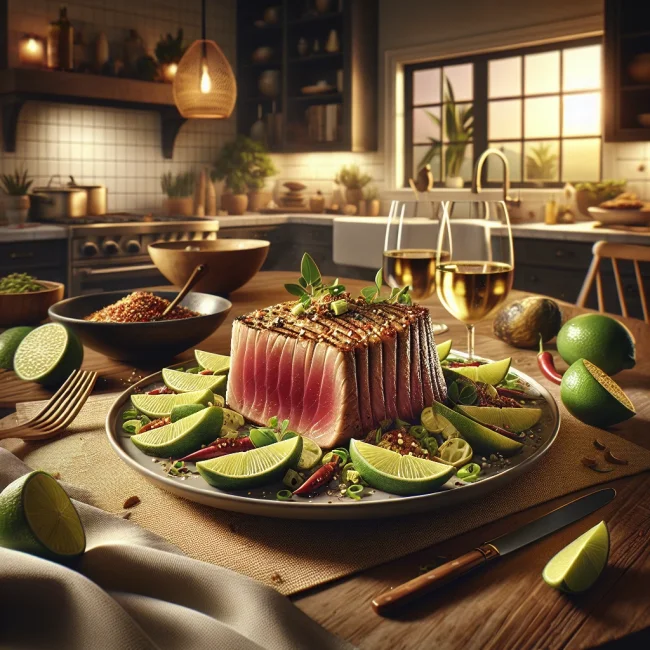
Spicy Lime Seared Ahi Tuna
Experience a burst of flavor with our Spicy Lime Seared Ahi Tuna, a perfect fusion...
View Recipe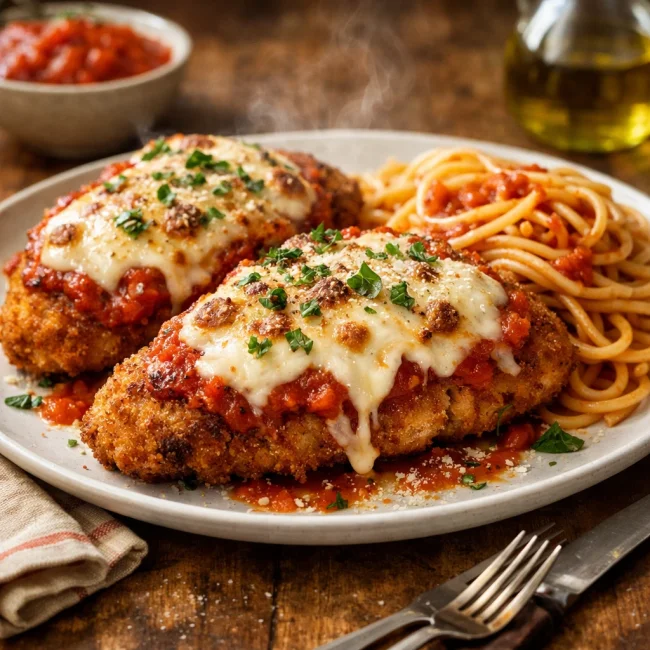
Traditional Chicken Parmesan
Savor the authentic taste of Italian cuisine with our Traditional Chicken Parmesan...
View Recipe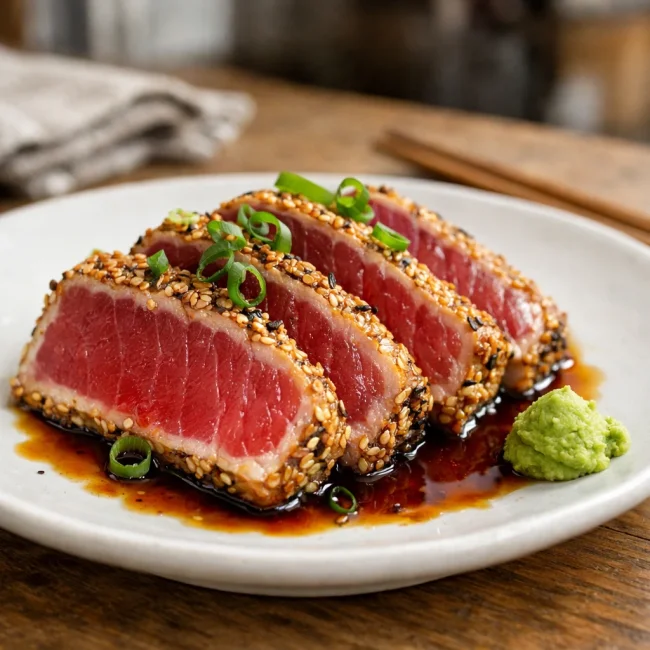
Seared Ahi Tuna
Experience the sublime taste of seared Ahi tuna, a Japanese-inspired dish that hig...
View Recipe